
How OxyKnight Handles Remote Patient Monitoring

Helping You Stay Connected to Loved Ones from Anywhere
Remote patient monitoring (RPM) has become an essential tool in modern healthcare, but it’s no longer just for hospitals and clinicians.
Today, tools like OxyKnight make it possible for family members to stay informed, involved, and reassured—even when they’re not physically present. Whether you’re checking in on an aging parent or supporting a loved one at home, OxyKnight gives you a simple way to keep track of daily oxygen levels and trends.
What Is Remote Patient Monitoring (RPM)?
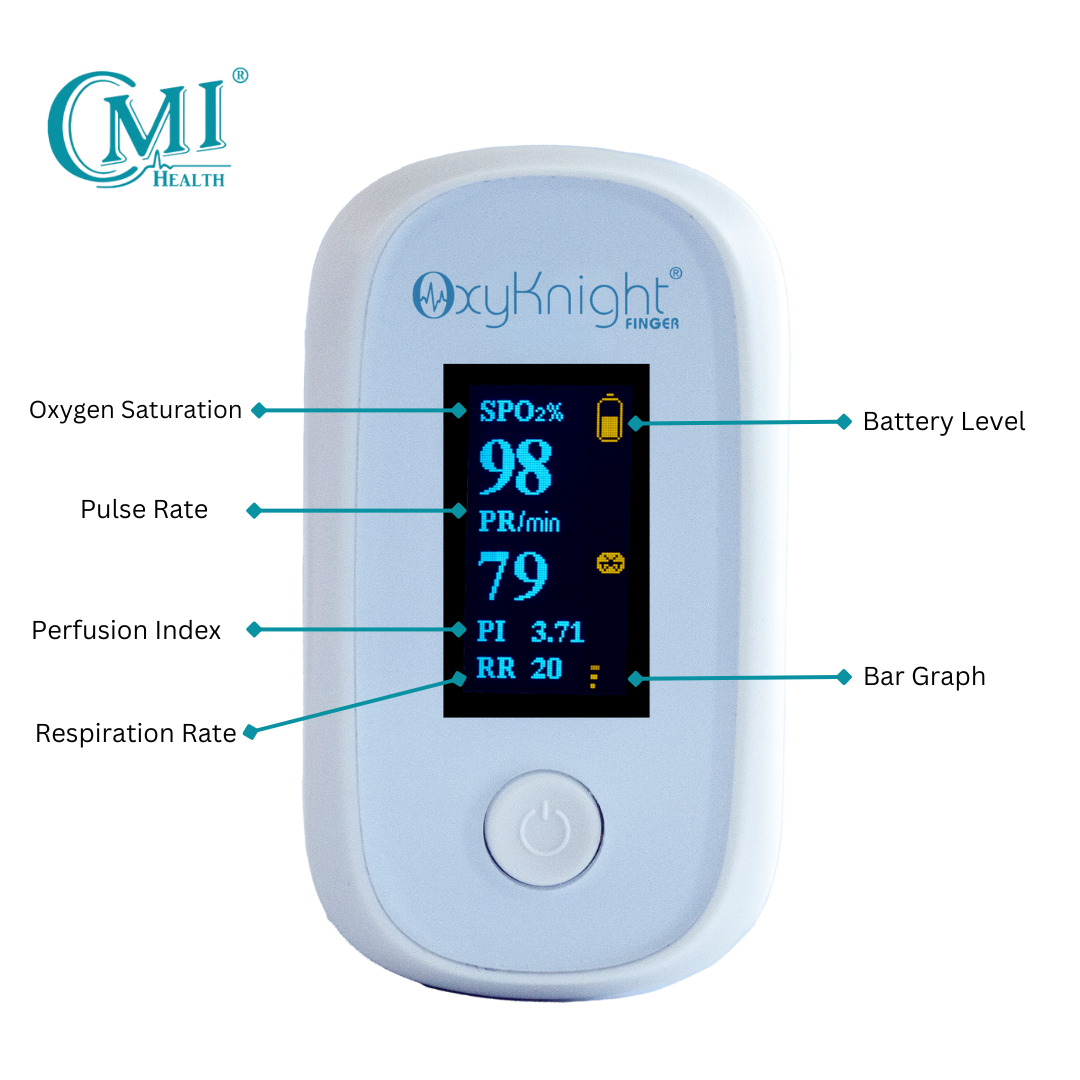
At its core, remote patient monitoring allows health data, like oxygen saturation and pulse rate, to be collected outside of a clinical setting and shared with others.
For a broader overview of how remote patient monitoring is used in at-home healthcare, see CMI’s guide on Remote Patient Monitoring At-Home Healthcare.
That article looks at RPM from a healthcare system perspective. Here, we’ll focus on how it works at home and how it can help you stay connected to a loved one’s health from a distance.
How Does Remote Patient Monitoring Work at Home?
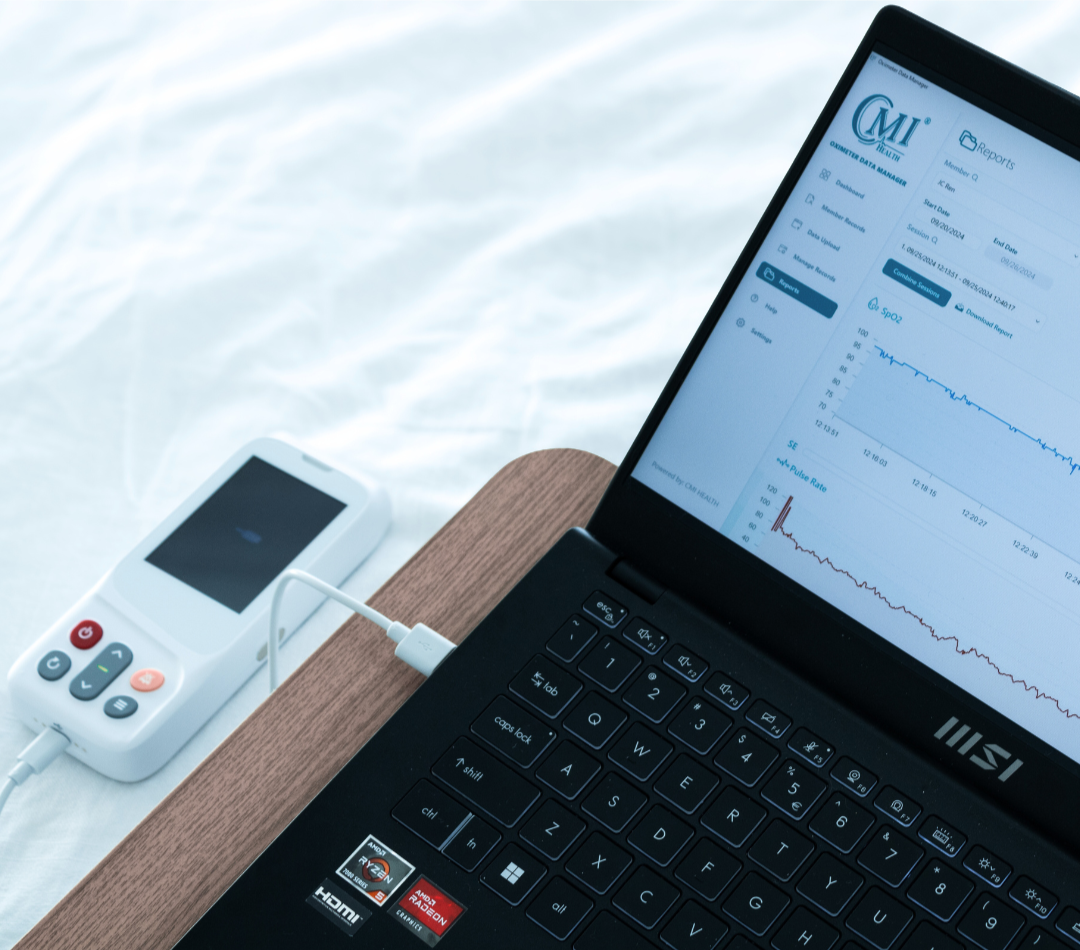
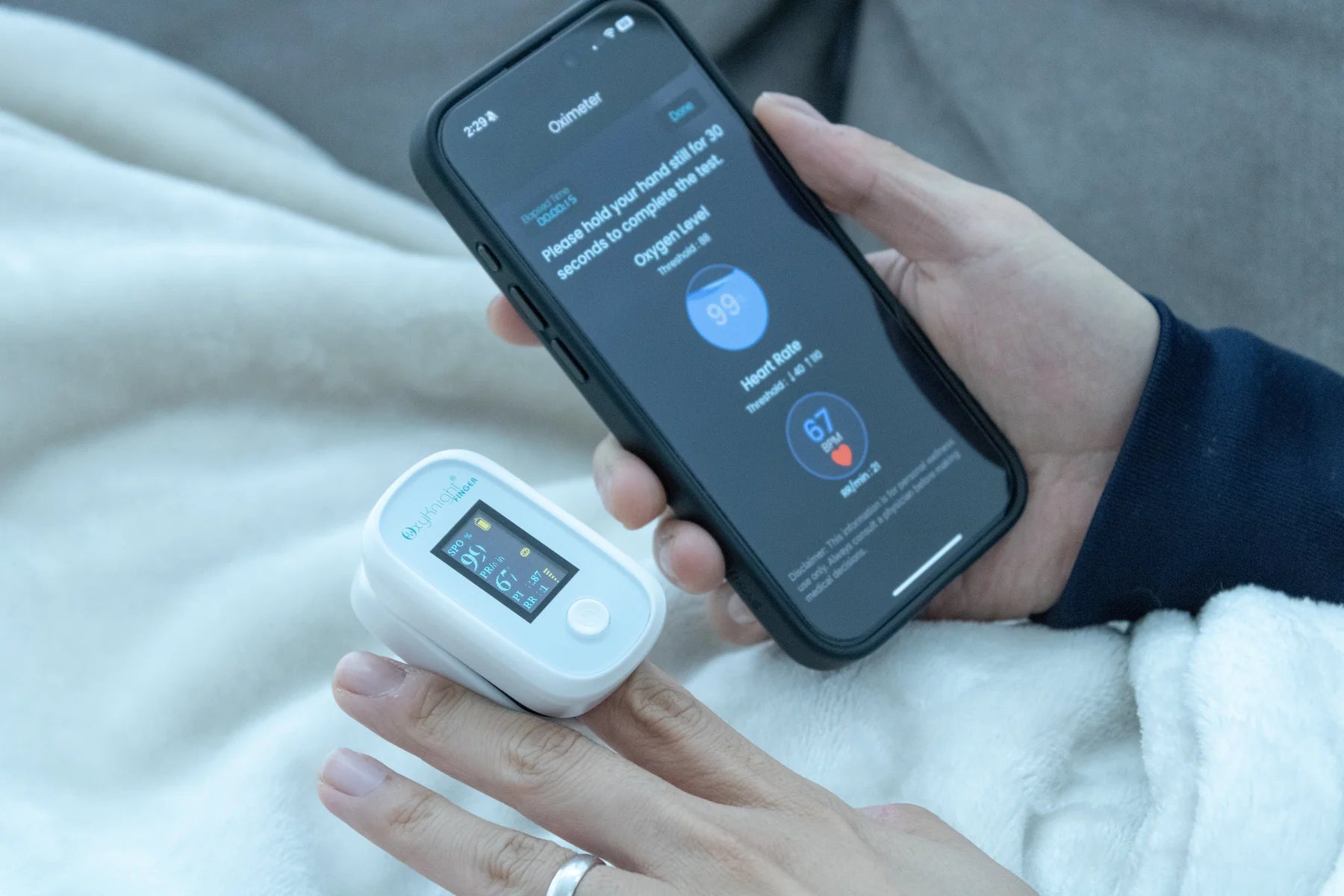
With OxyKnight, this process becomes simple and automatic. Instead of manually recording readings or relying on memory, data is captured, tracked, and shared in one place.
Here’s how that process comes together:

This process transforms simple readings into actionable insights, making it easier to stay informed without being physically present.
Bringing Peace of Mind to Long-Distance Care
One of the biggest challenges families face is distance.
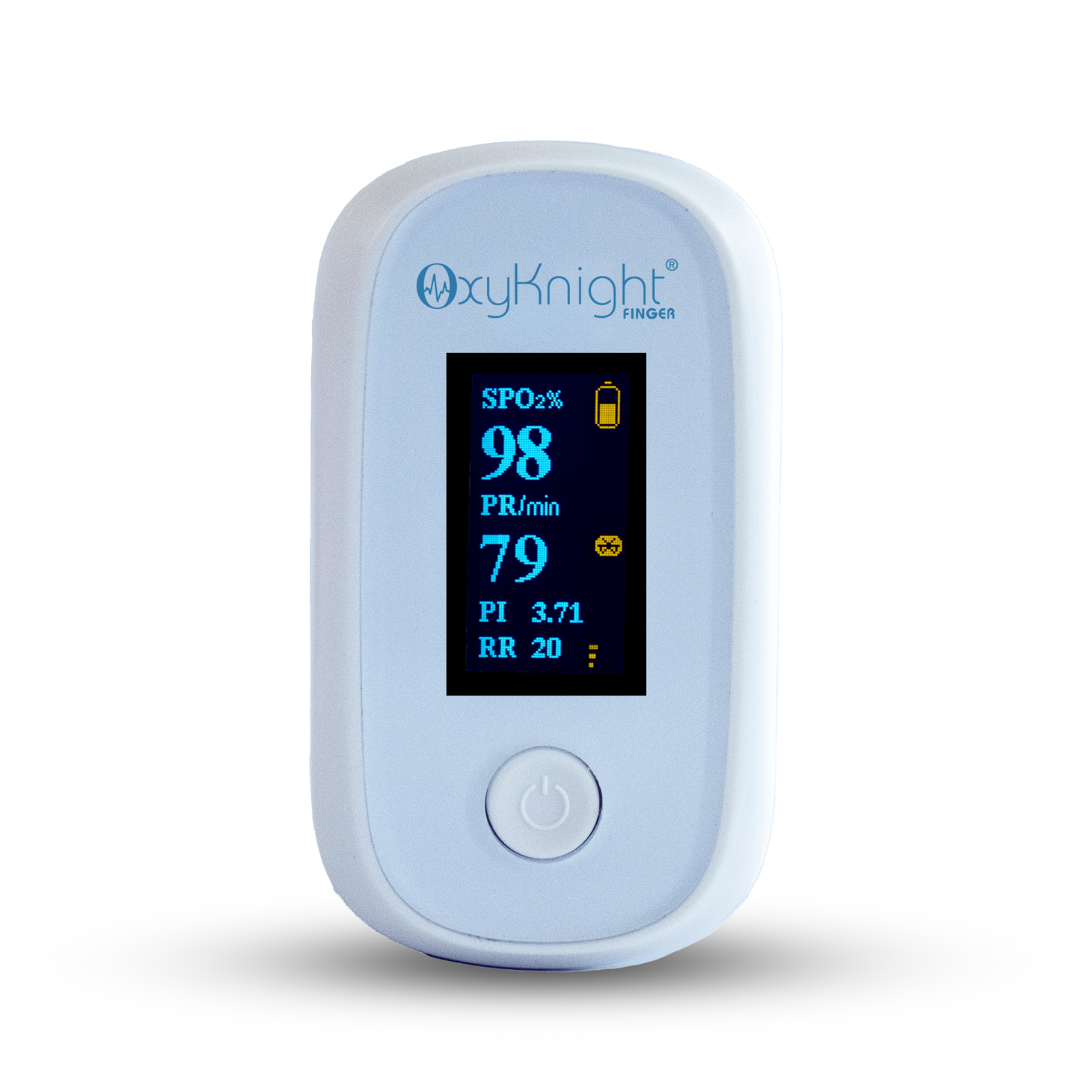
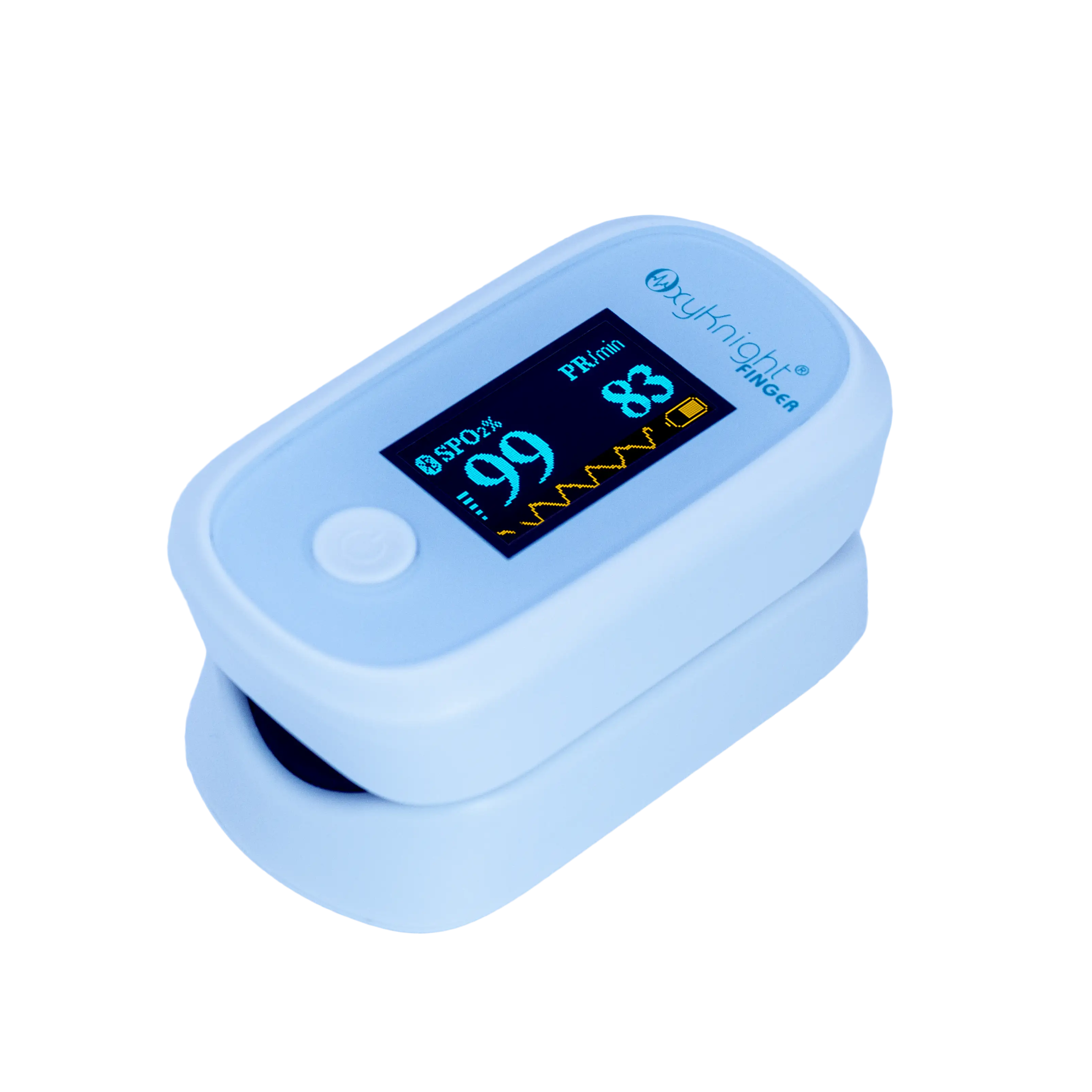
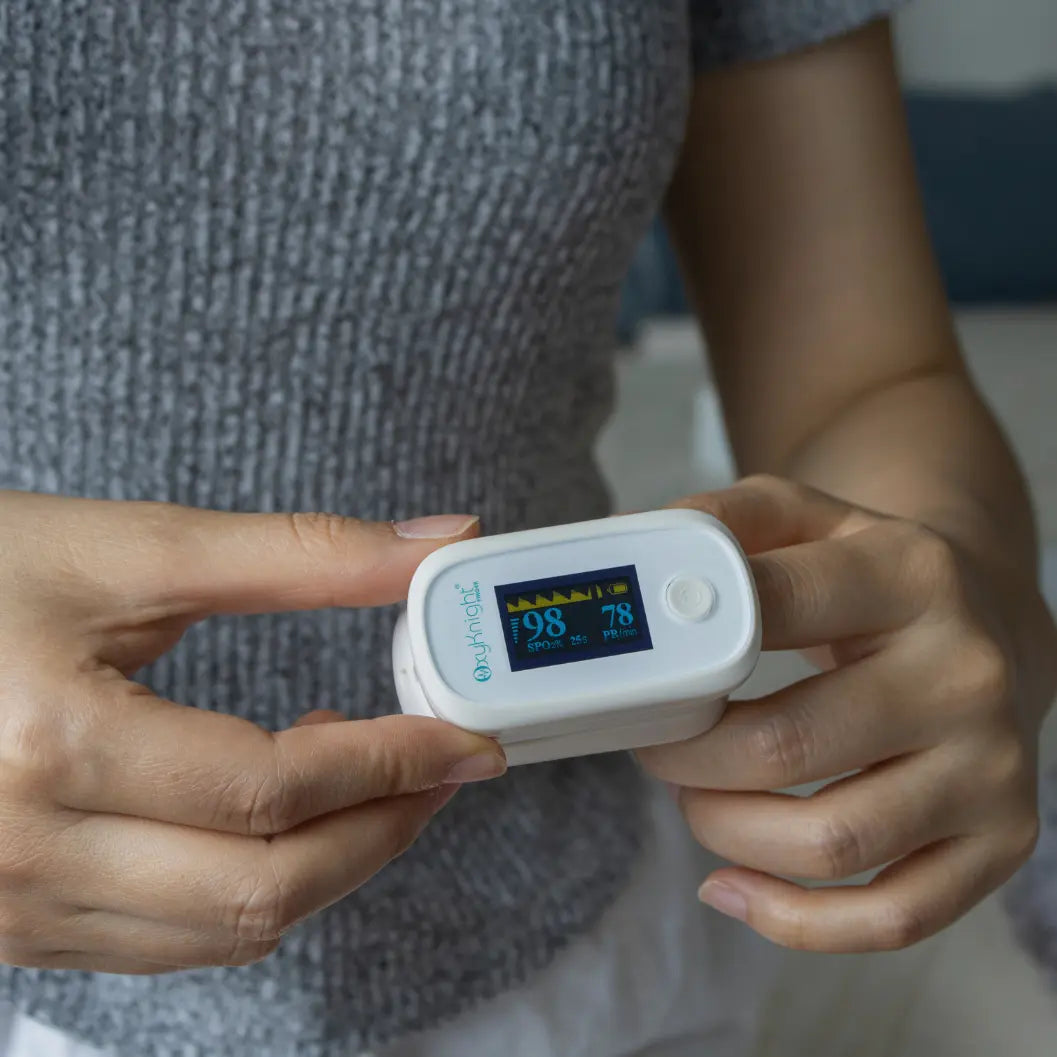
OxyKnight from CMI Health helps bridge that gap by giving you a clearer view of your loved one’s health.

Instead of asking, “How are you feeling today?” and hoping for an accurate answer, you can:
-
View recent oxygen trends
-
Check consistency over time
-
Receive alerts if something changes
This creates a more supportive, informed connection, rather than a reactive one.
And unlike occasional spot checks, continuous tracking helps show how readings change over time, making it easier to notice patterns or shifts.
Smart Alerts That Keep You Informed
One of OxyKnight’s most practical features is its customizable alert system.

You can set thresholds for oxygen saturation levels, so if readings fall below a certain point, the app sends a notification.
Why this matters:
-
No need to monitor constantly
-
Receive alerts only when attention may be needed
-
Reduces uncertainty for both you and your loved one
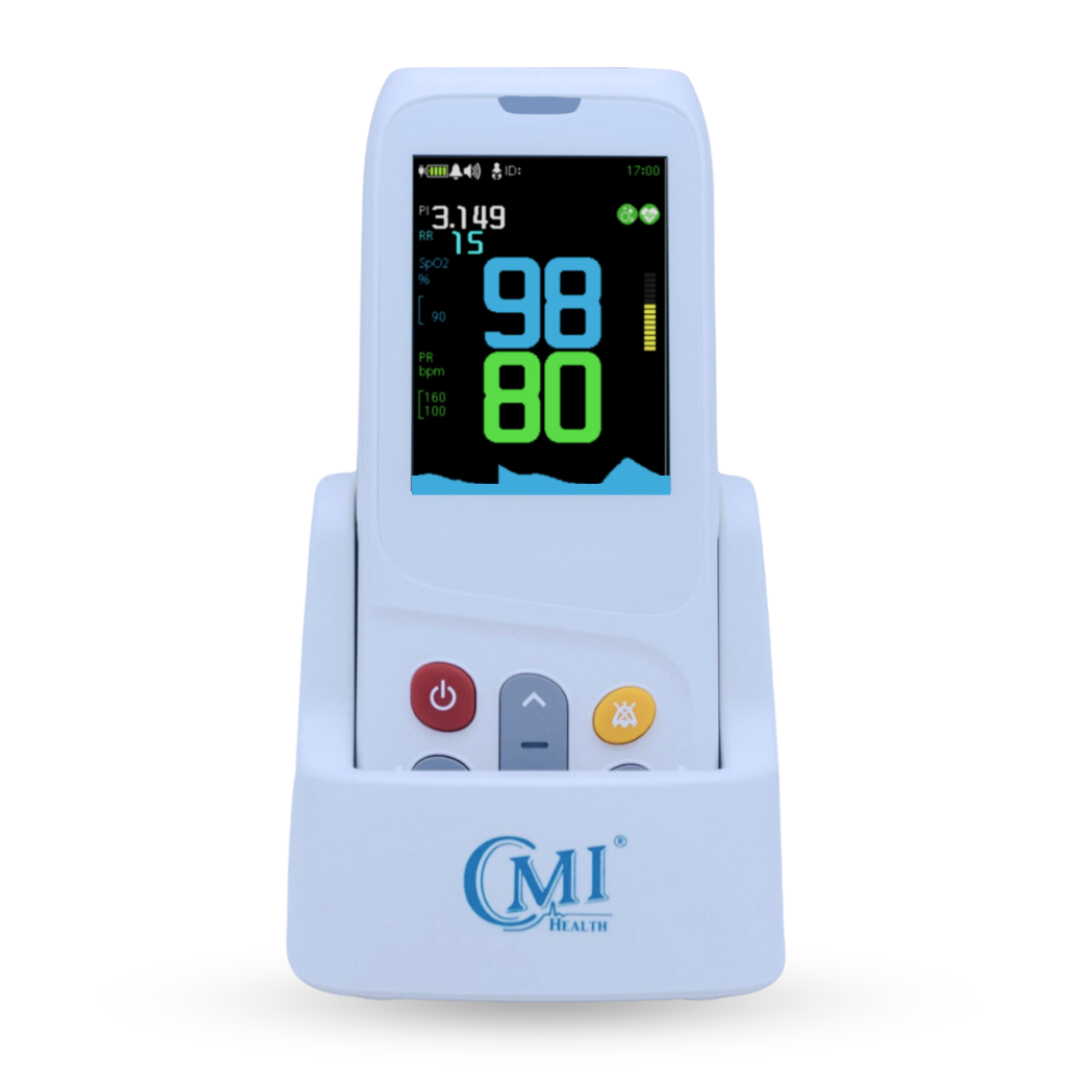
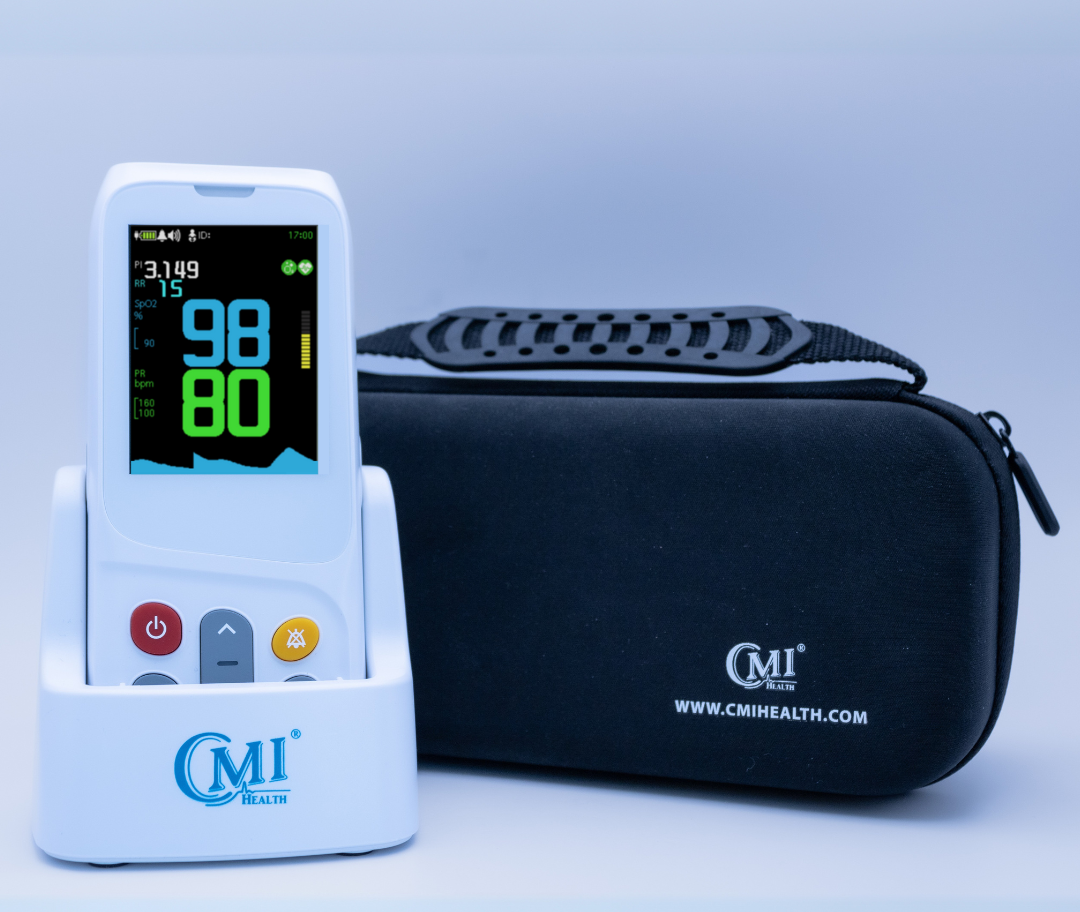
It’s even more useful when alerts are backed by consistent readings from a device like the OxyKnight Watch.
Easy-to-Share Health Reports
Tracking data is helpful—but sharing it is what makes it truly useful.

OxyKnight allows users to generate clear, organized reports that can be shared with:
-
Family members
-
Caregivers
-
Healthcare professionals
What these reports typically include:
-
Oxygen saturation trends over time
-
Pulse rate data
-
Time-stamped readings
-
Visual charts for quick interpretation
If you’re already using a CMI device, these reports can complement conversations with healthcare providers—adding context beyond single readings.
Designed for Simplicity
A common concern with health technology is usability.
OxyKnight is designed with home users in mind, meaning:
-
Minimal setup
-
Intuitive navigation
-
Clear data presentation
You don’t need a clinical background to understand what you’re seeing. Instead, the OxyKnight App focuses on clarity and accessibility, so you can spend less time figuring things out and more time staying connected.
Stay Connected—Even From a Distance
With tools like OxyKnight and compatible CMI devices, it’s easier to stay informed about a loved one’s health without needing to be physically present.
By combining simple monitoring, automatic tracking, and shareable reports, you can stay connected to what’s going on day to day.
Explore OxyKnight and CMI monitoring devices to find a setup that fits your needs.


Leave a comment