



How Does a Pulse Oximeter Work?

Learn how pulse oximeters use red and infrared light to measure blood oxygen saturation and pulse rate, what affects accuracy, and the science behind pulse oximetry technology.
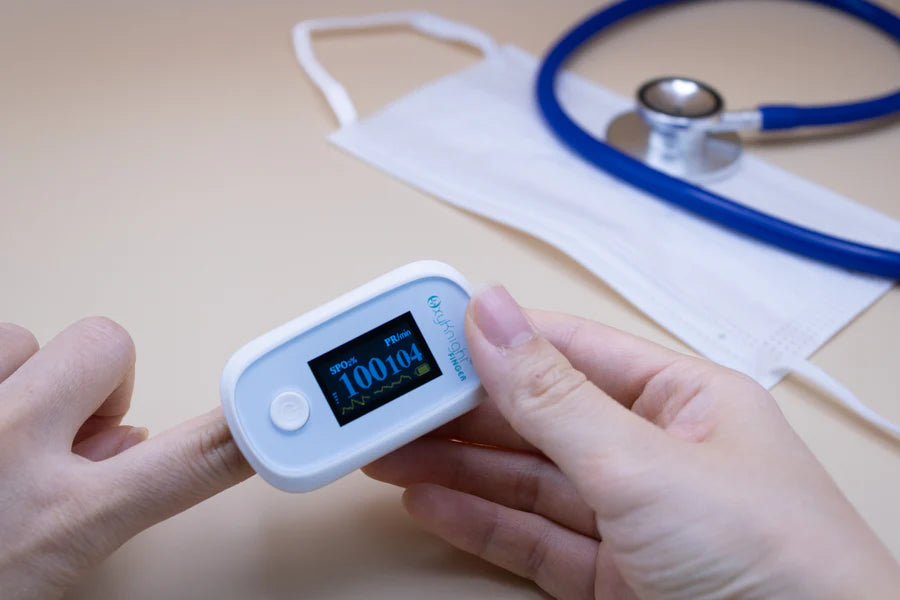
It only takes a few seconds for a pulse oximeter to display your oxygen level and pulse rate, but the technology behind those readings is surprisingly complex. Using red and infrared light, the device detects changes in blood flow and estimates how much oxygen your blood is carrying.
Understanding the science behind pulse oximetry can help explain why factors like movement, cold hands, or poor sensor placement can affect accuracy.
What Does a Pulse Oximeter Measure?
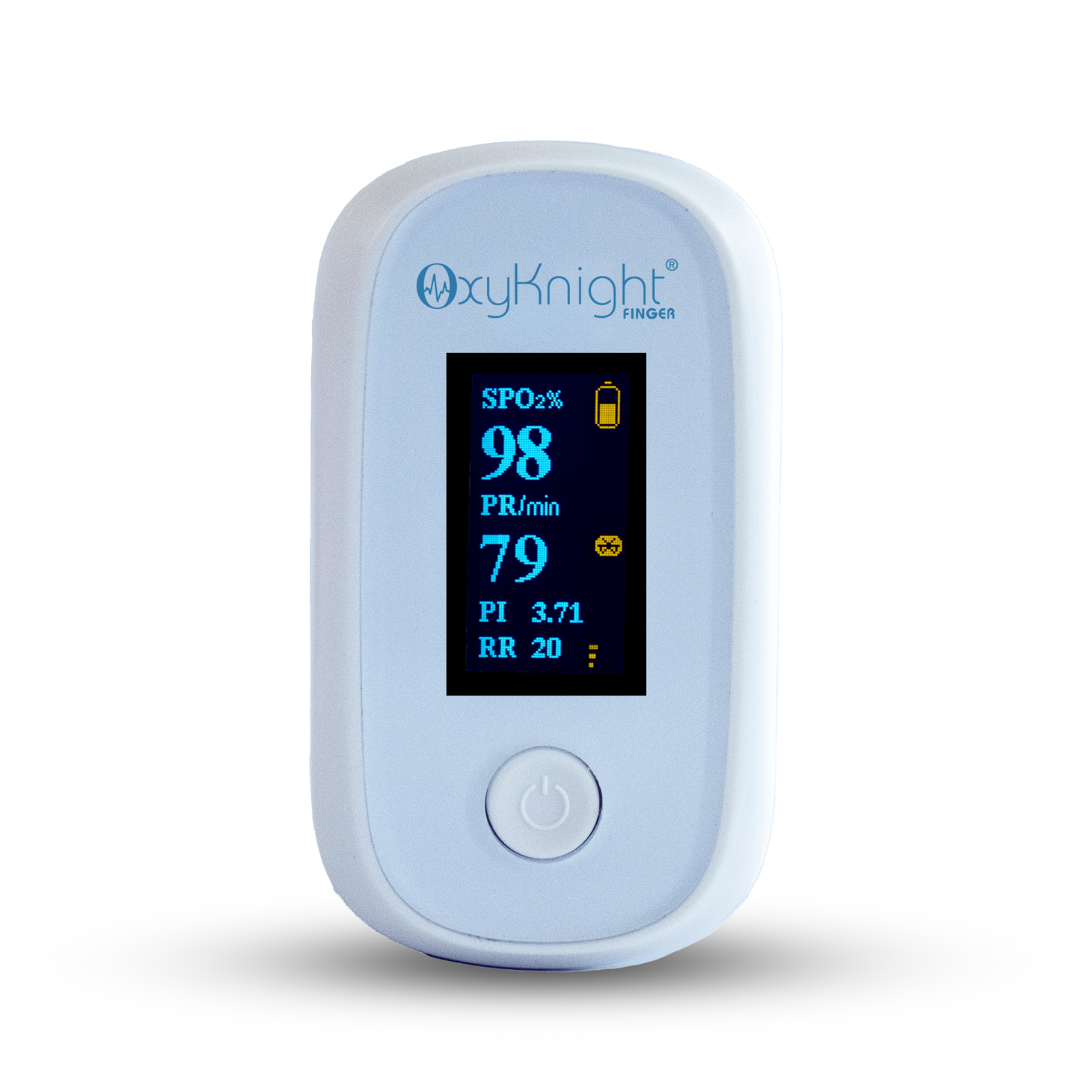
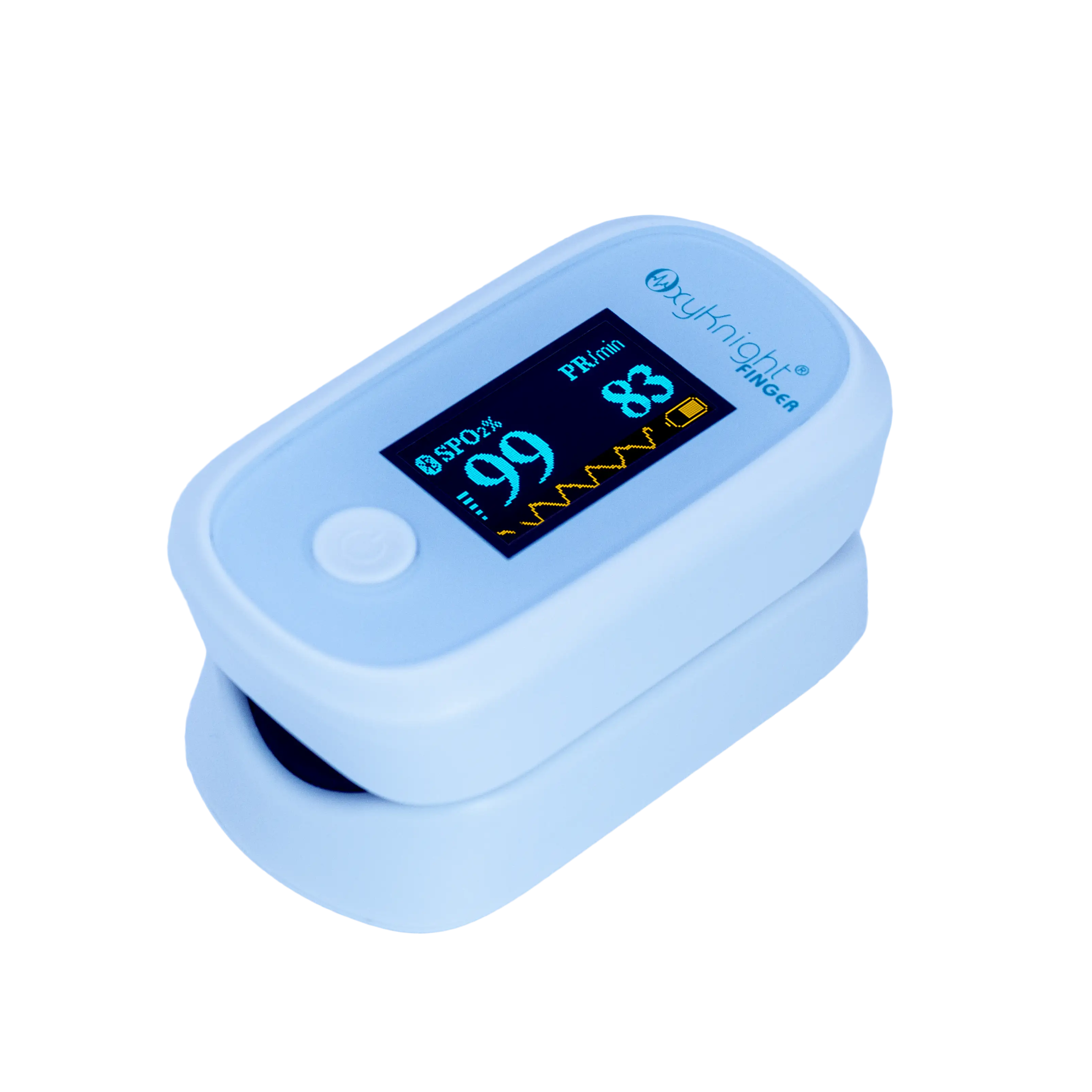
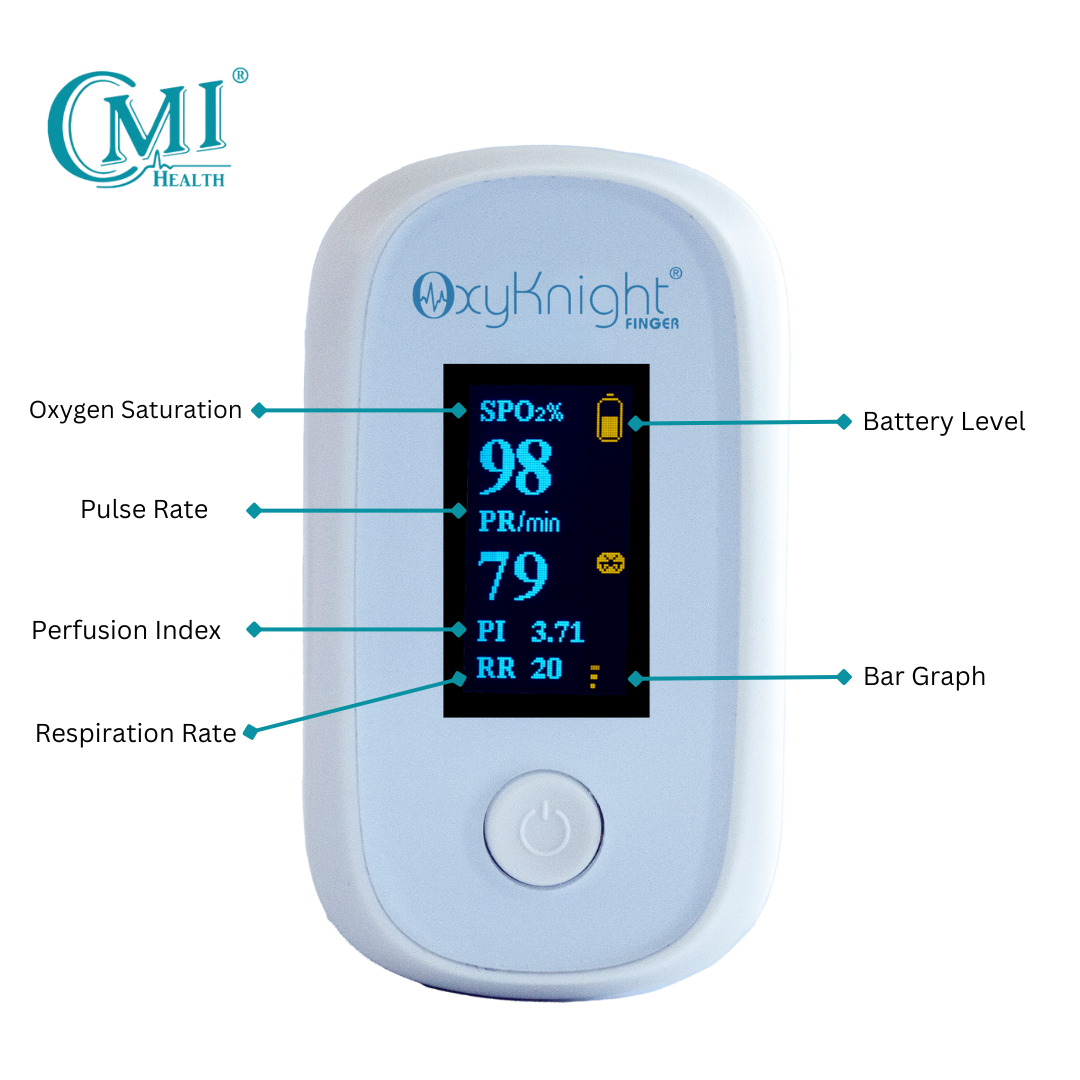
A pulse oximeter measures two primary readings:
-
Blood oxygen saturation (SpO₂) — an estimate of how much oxygen your red blood cells are carrying
-
Pulse rate — the number of times your heart beats per minute
To better understand these measurements, explore our article on the two primary readings displayed on a pulse oximeter.
How Does a Pulse Oximeter Work?
Pulse oximeters work by shining light through tissue and measuring how much light is absorbed by the blood.
The device uses two specific wavelengths of light:
-
Red light
-
Infrared light
Oxygenated blood and deoxygenated blood absorb these wavelengths differently. By comparing how much red and infrared light passes through the finger, the pulse oximeter can estimate oxygen saturation levels.

Why Red and Infrared Light Are Used
The science behind pulse oximetry is based on how hemoglobin interacts with light.
Hemoglobin is the protein in red blood cells that is responsible for carrying oxygen throughout the body. When hemoglobin is carrying oxygen, it interacts with light differently than low-oxygen blood.
In general:
-
Oxygenated hemoglobin absorbs more infrared light
-
Deoxygenated hemoglobin absorbs more red light
The pulse oximeter compares these absorption patterns thousands of times per second to estimate SpO₂ levels.

This difference is what allows the device to estimate blood oxygen saturation without drawing blood.
How the Sensor Detects Your Pulse
One of the most important parts of pulse oximetry is the ability to isolate arterial blood flow from surrounding tissue.
A pulse oximeter does not simply measure all the blood in the finger. Instead, it detects the tiny changes in blood volume that occur with each heartbeat.
As arteries expand with each pulse:
-
blood volume temporarily increases
-
light absorption changes slightly
-
the sensor detects these fluctuations
By measuring how often these changes occur, the device can calculate your pulse rate in real time.
This is why the technology is called pulse oximetry — the device tracks pulsating blood flow to identify each heartbeat.

The Main Components of a Pulse Oximeter
Although pulse oximeters come in different designs, most contain the same core components.

These components work together continuously while the device is attached to the body.
Why Pulse Oximeters Usually Go on the Finger
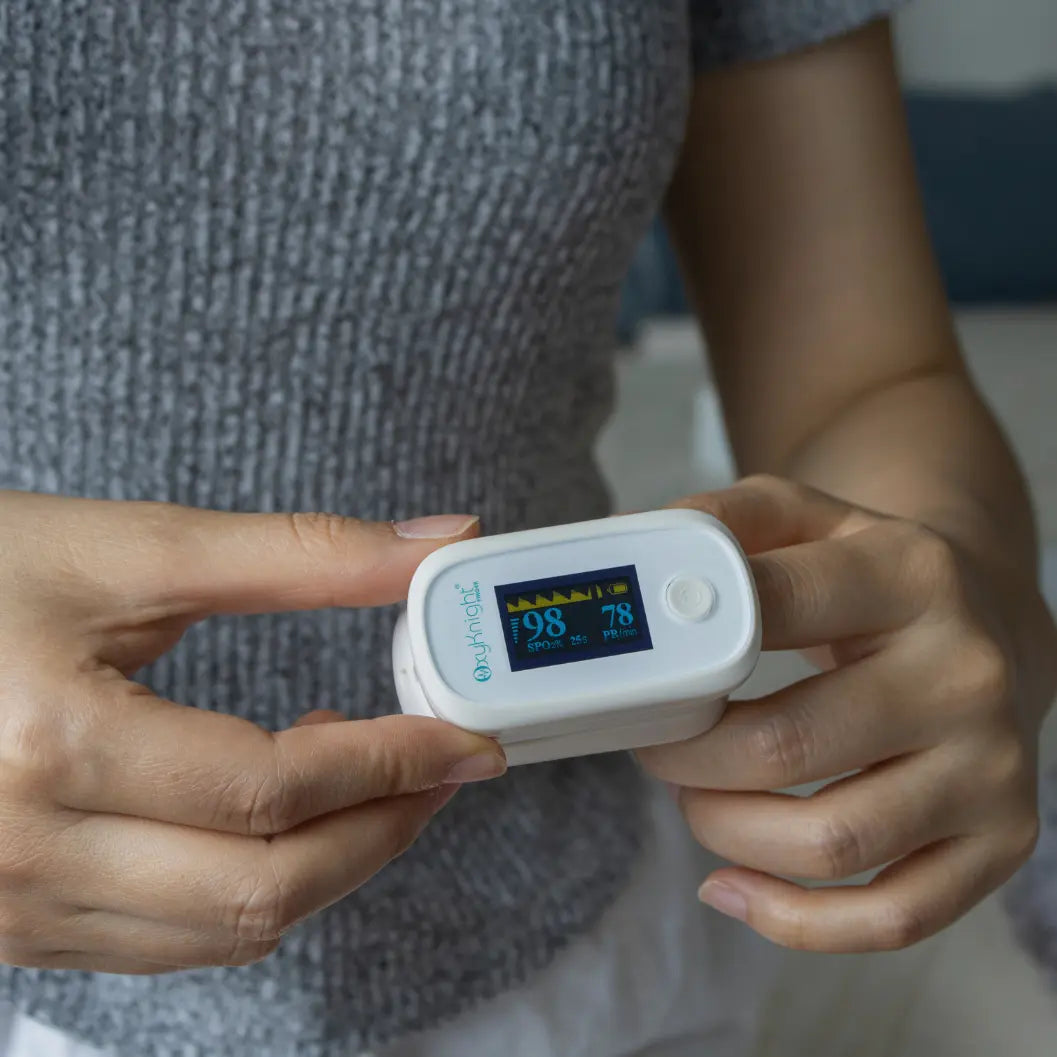
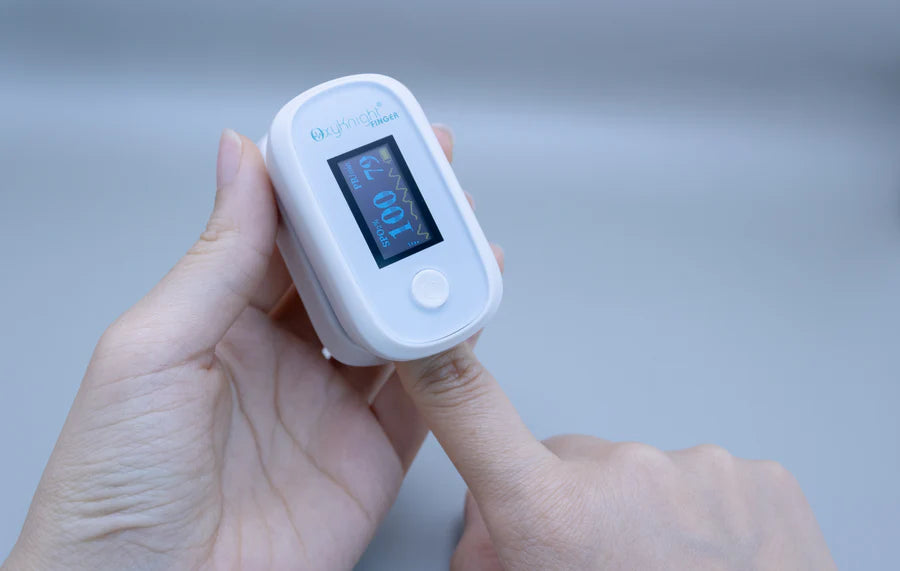
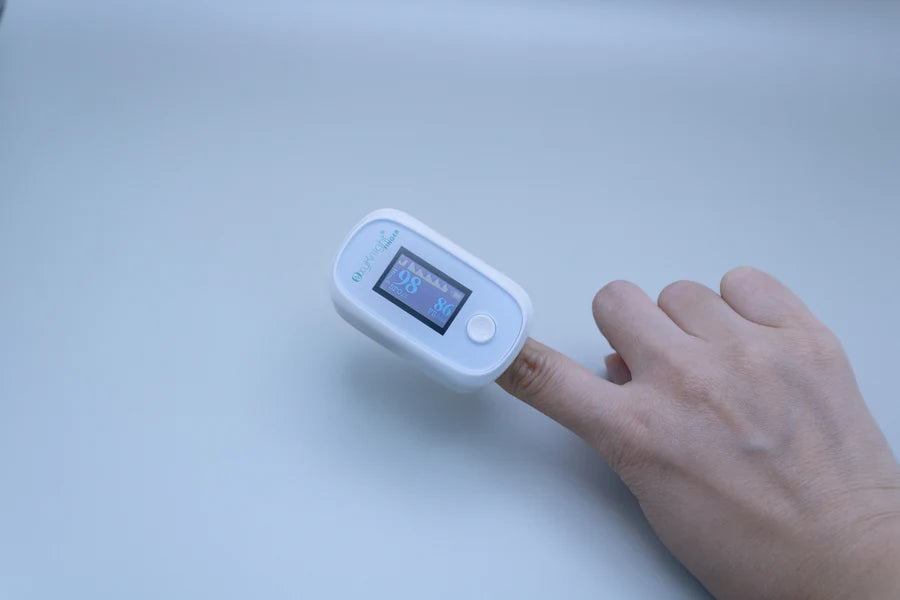
Fingertips are commonly used because they contain strong arterial blood flow close to the skin surface, making it easier for light signals to pass through tissue and detect pulsations accurately.
However, pulse oximeters may also be used on:
-
toes
-
earlobes
-
infant feet or hands
-
forehead sensors in clinical settings
For more guidance on pediatric monitoring, read our articles on where to place a pulse oximeter on an infant and our step-by-step guide for parents on how to use an infant pulse oximeter.
What Can Affect Pulse Oximeter Accuracy?
Because pulse oximeters rely on light transmission and blood flow, several factors can interfere with readings.

Movement is one of the most common causes of inaccurate readings because the device depends on detecting very small changes in pulsating blood flow. Following the manufacturer’s placement instructions and remaining still during measurement can help improve reading accuracy.
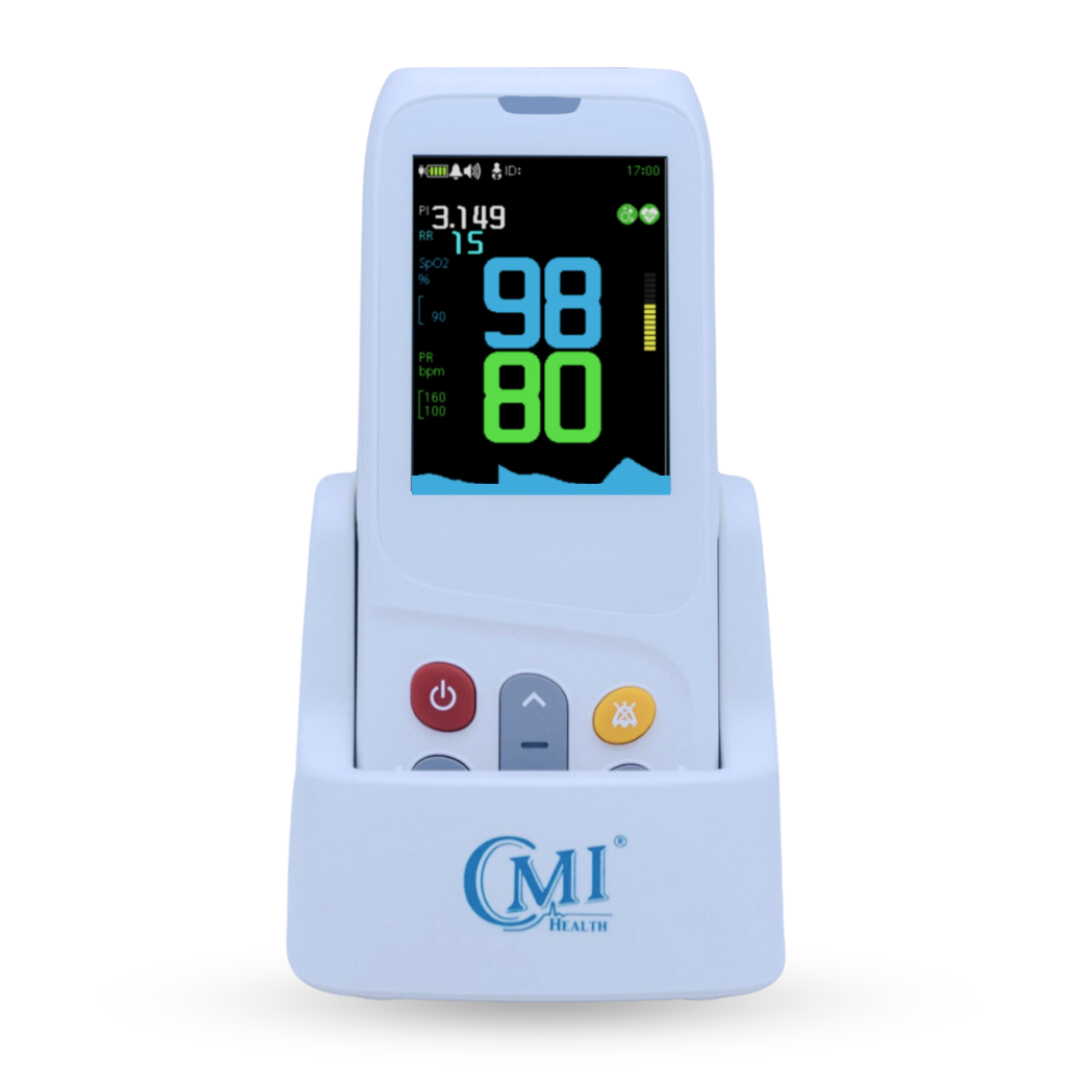
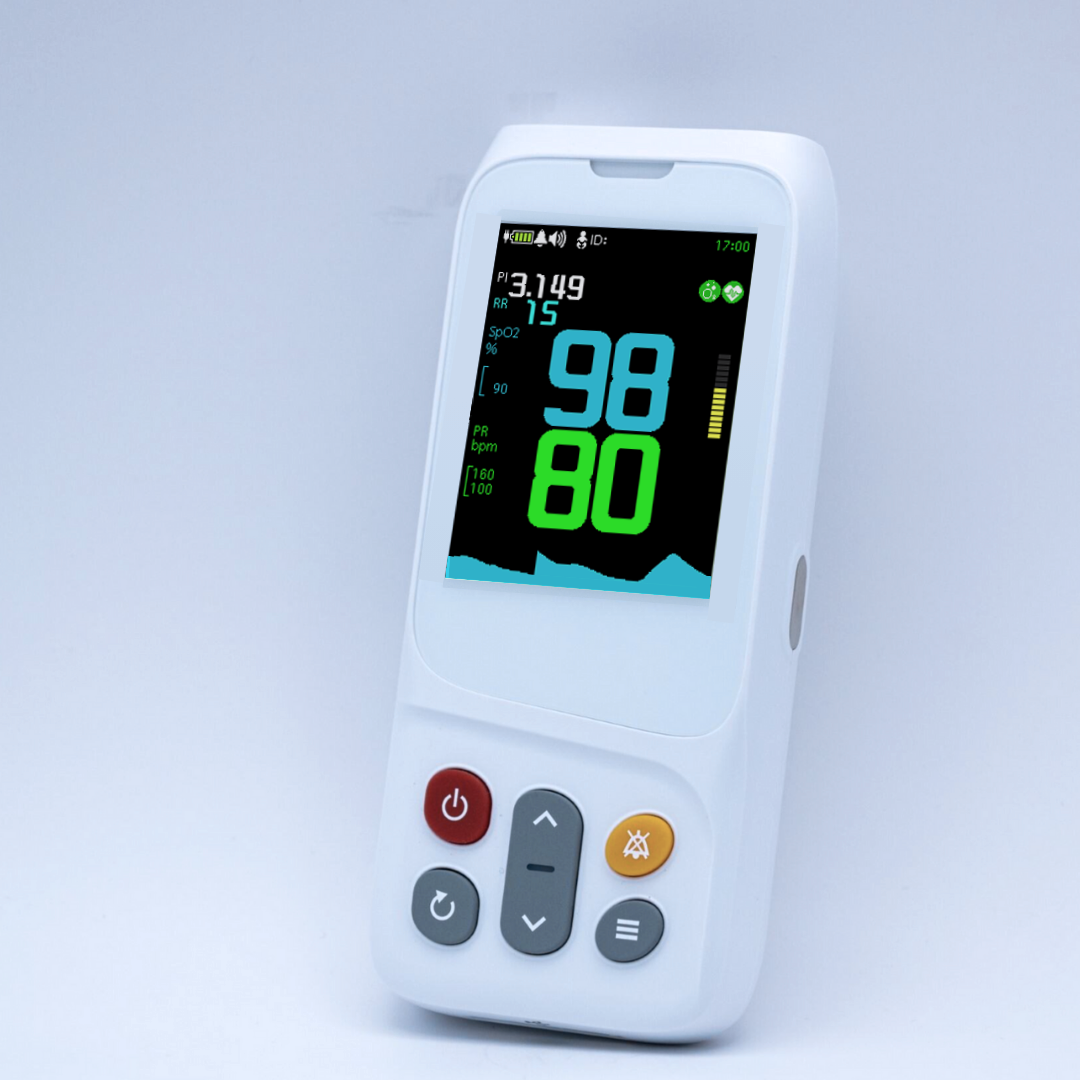
Some pulse oximeters also display a moving pleth wave that can help users recognize when movement or poor signal quality may be affecting a reading. Learn more about what the pleth waveform means and how to interpret common pleth wave patterns.
Can Pulse Oximeters Measure More Than Oxygen Levels?
Pulse oximeters are designed specifically to estimate oxygen saturation and pulse rate. They do not directly measure:
-
breathing rate
-
carbon dioxide levels
-
lung function
-
blood pressure
However, oxygen saturation can still provide useful information about how effectively oxygen is being delivered through the bloodstream.
Some advanced medical monitoring systems combine pulse oximetry with additional respiratory monitoring technologies, whereas standard fingertip pulse oximeters focus only on SpO₂ and pulse rate.
Who Uses Pulse Oximeters?
Pulse oximeters are widely used in both clinical and home settings.
They may be used by:
-
healthcare professionals
-
caregivers
-
athletes
-
individuals monitoring oxygen levels at home
-
parents using pediatric sensors
-
people tracking recovery or respiratory wellness
Pulse oximeters are widely used in both clinical and home settings. In hospitals, they are commonly used for routine newborn assessments such as CCHD screening.
Different sensor styles and designs may be better suited for adults, children, or infants, depending on the application.
If you’re comparing pediatric-specific sensors or sizing options, explore our guide to choosing the best pediatric pulse oximeter.
Why Understanding Pulse Oximeter Technology Matters
Knowing how a pulse oximeter works can help you better understand your readings and recognize why proper placement and stable conditions matter for accuracy.
As pulse oximetry technology continues to evolve, modern devices are becoming more portable, user-friendly, and specialized for clinical, pediatric, and at-home use.
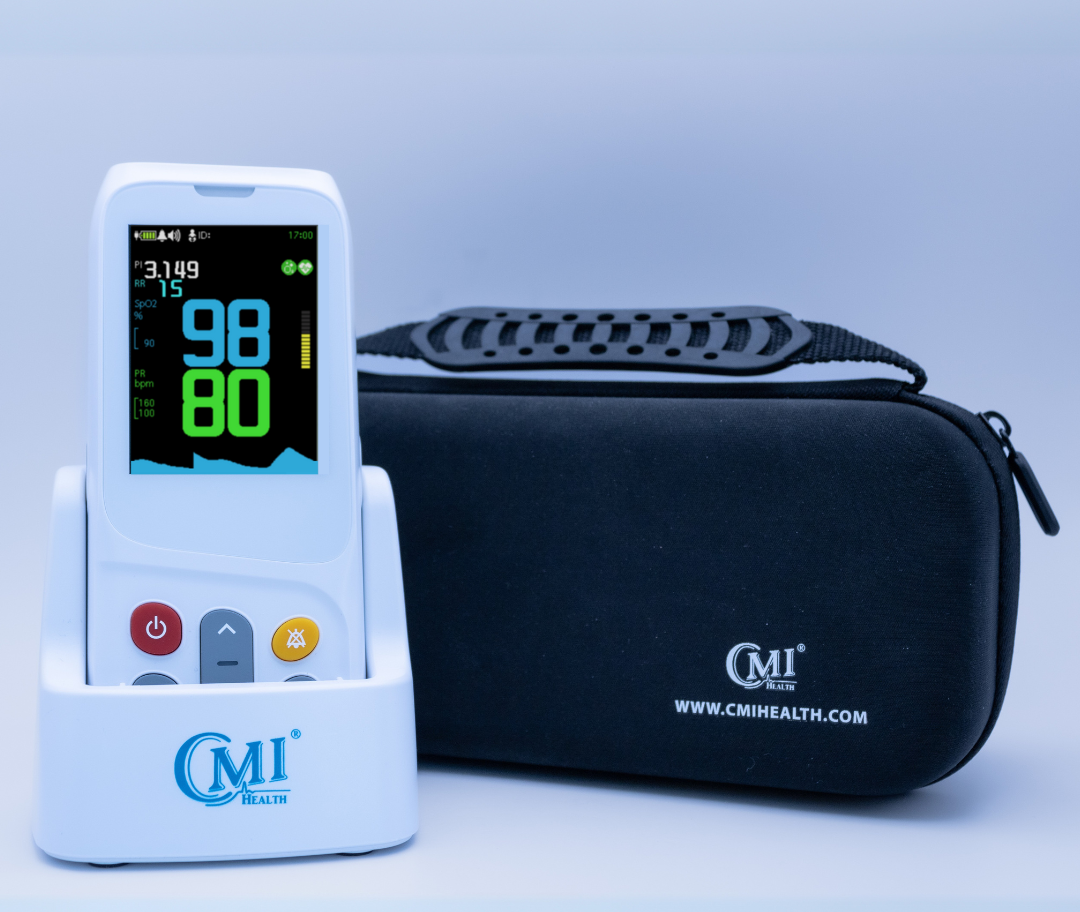
Explore CMI Health’s pulse oximeter solutions designed for dependable oxygen and pulse monitoring at home, in pediatric settings, and in clinical care.




Leave a comment