

How to Use an Infant Pulse Oximeter: Step-by-Step Guide for Parents

How to Use an Infant Pulse Oximeter: Step-by-Step Guide for Parents

Learn where to place the sensor, how to read the numbers, and how to get more reliable results at home

If you're using an infant pulse oximeter, chances are you're looking for peace of mind, especially when it comes to your baby's breathing or oxygen levels. But to get there, it helps to understand how to use the device correctly.

This helpful guide breaks the process into five simple steps and explains each one so you can feel more confident using your infant pulse oximeter at home.

Five Simple Steps to Use an Infant Pulse Oximeter:

Infographic showing five steps for using an infant pulse oximeter, from choosing the device to checking for consistent readings.

1. Choose a Pulse Oximeter Designed for Infants

The first step is making sure you’re using the right type of device. Not all pulse oximeters are designed for infants, and adult fingertip models often do not fit properly on very small fingers or toes.

Infant-compatible options are built for smaller placement areas and typically include:

  • Wrap-style sensors – soft, flexible, commonly used for newborns

  • Pediatric clip sensors – designed for slightly older infants

  • Standard fingertip devices – generally not ideal due to poor fit

A better fit usually means a more stable and reliable reading.

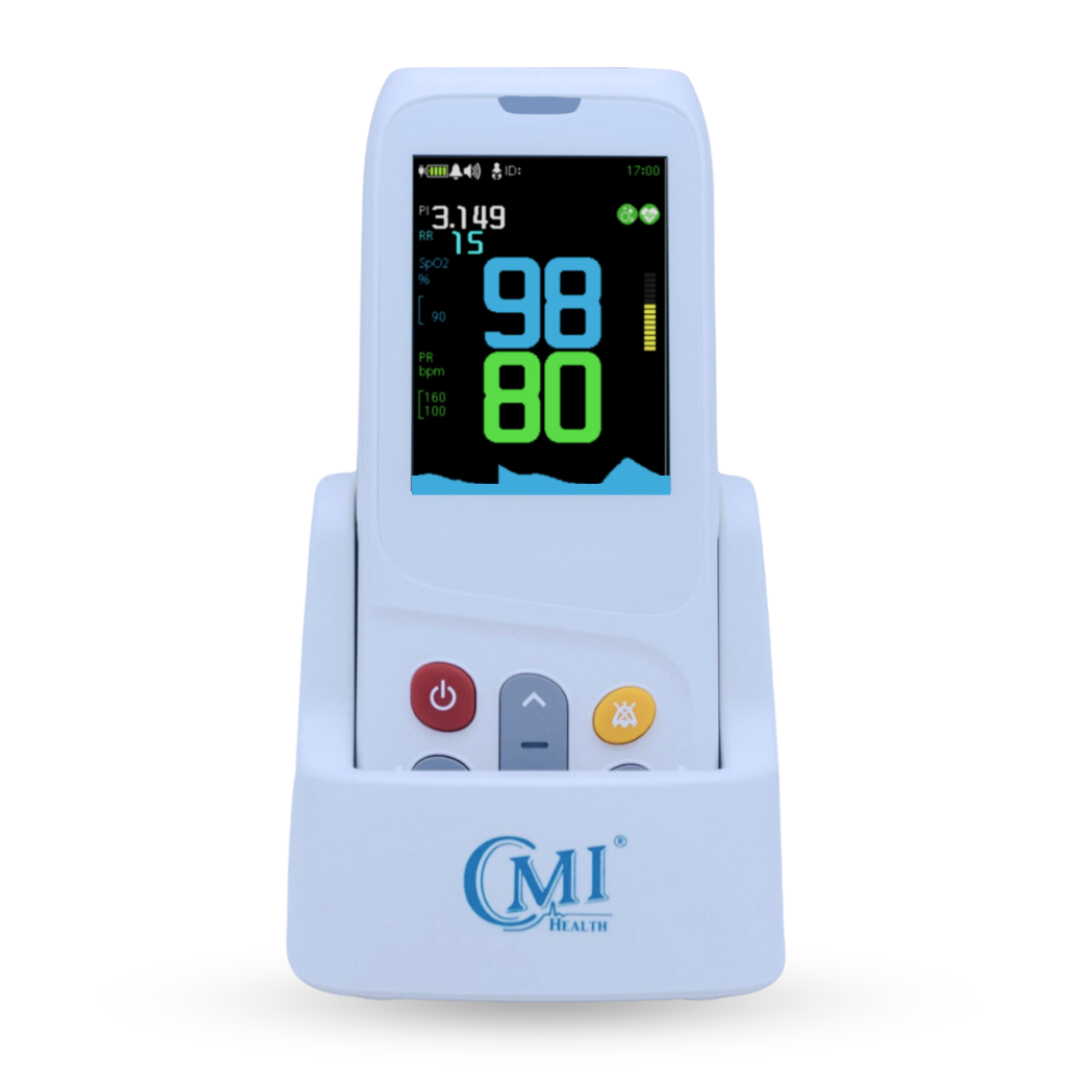
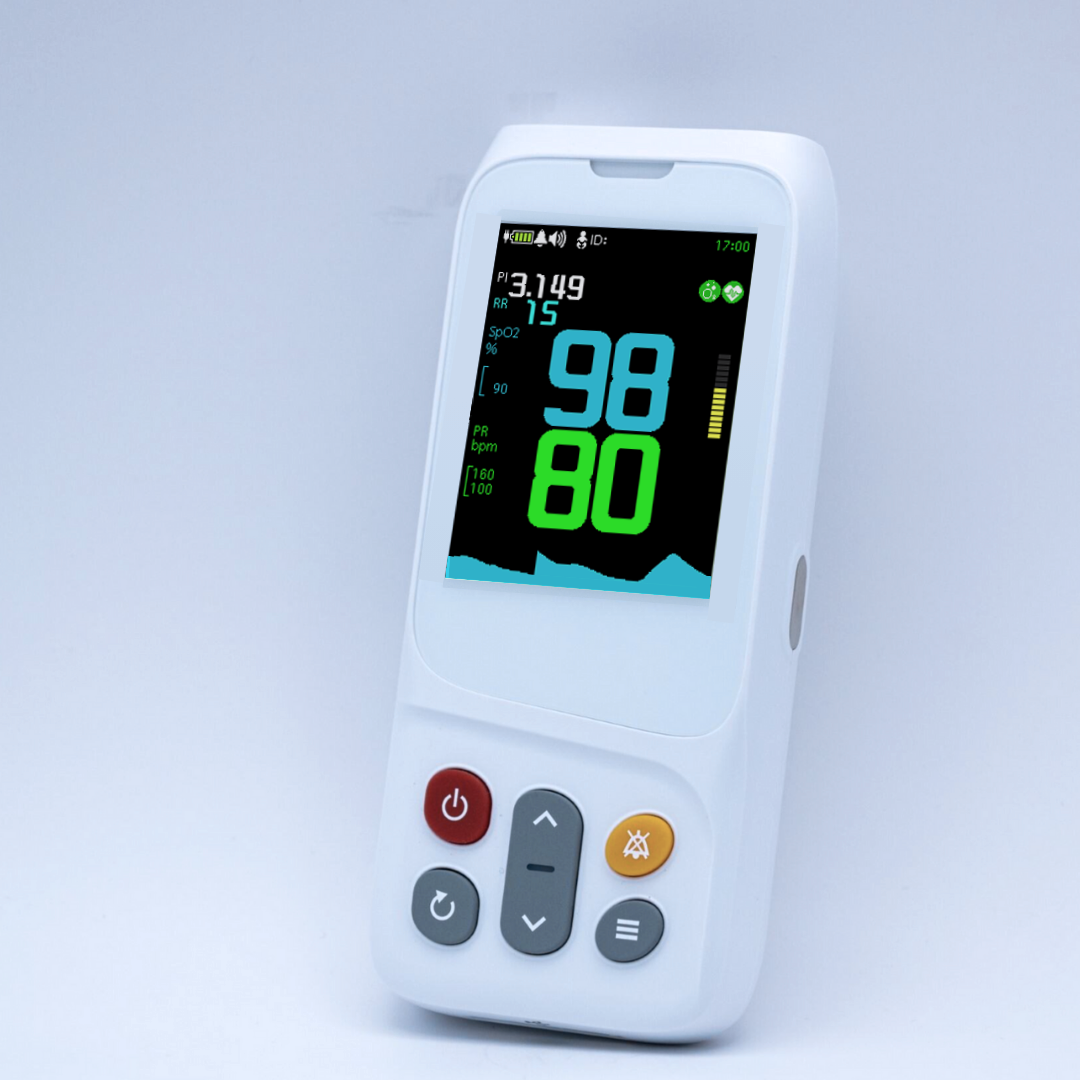
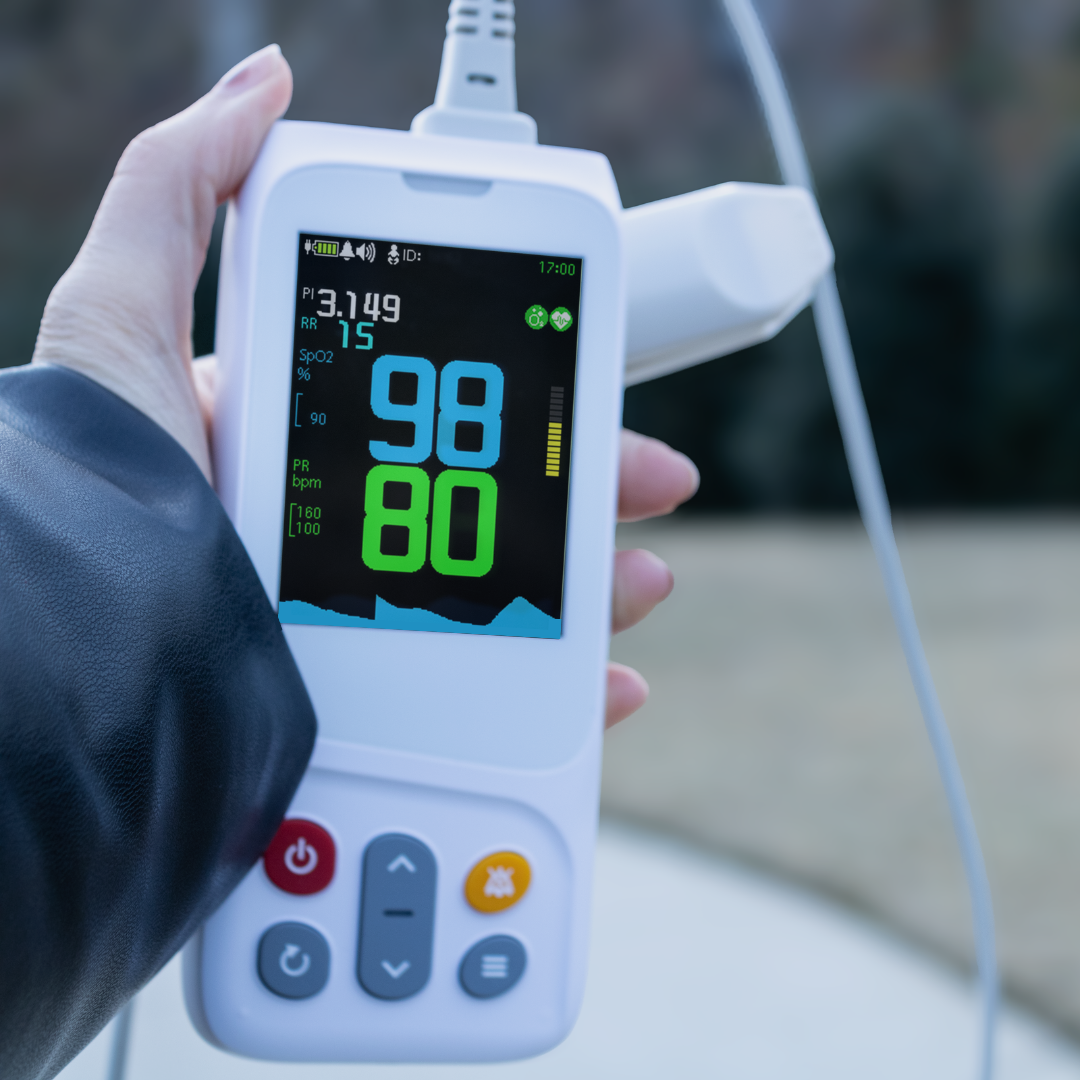
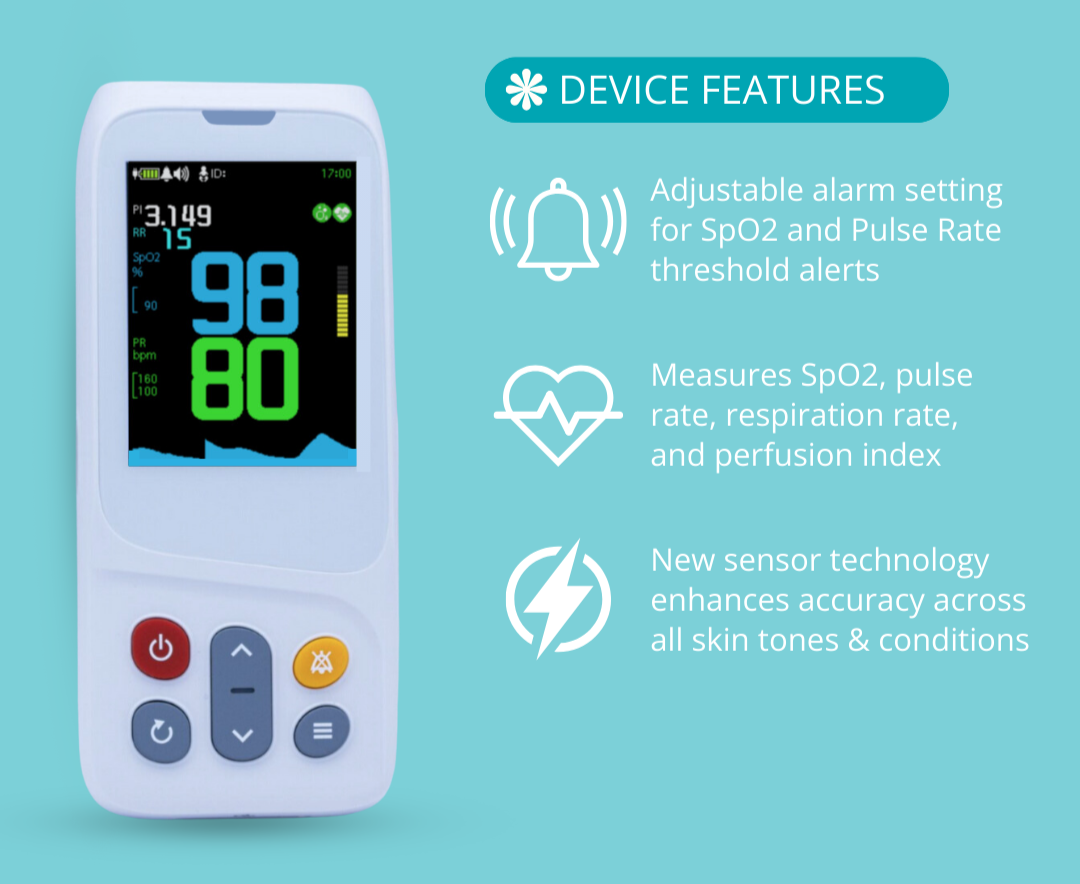
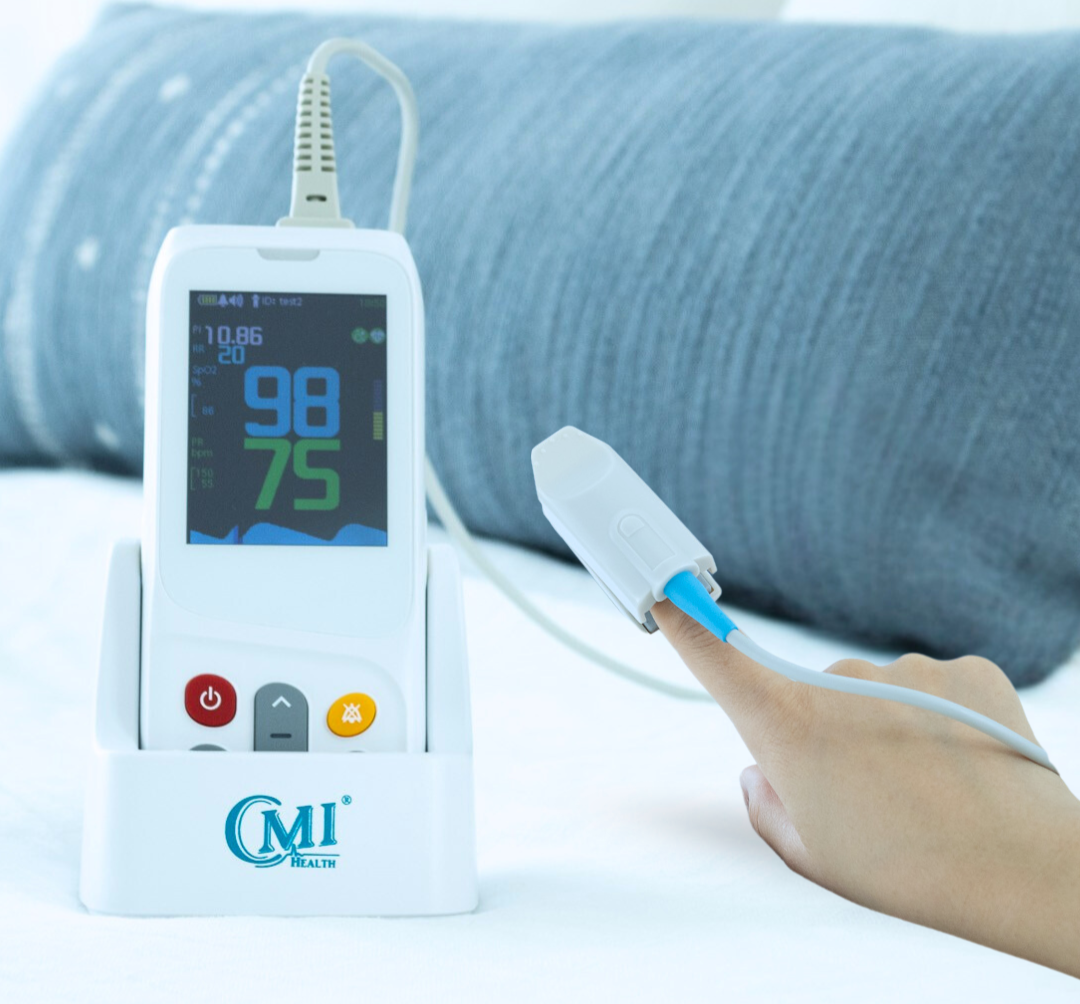
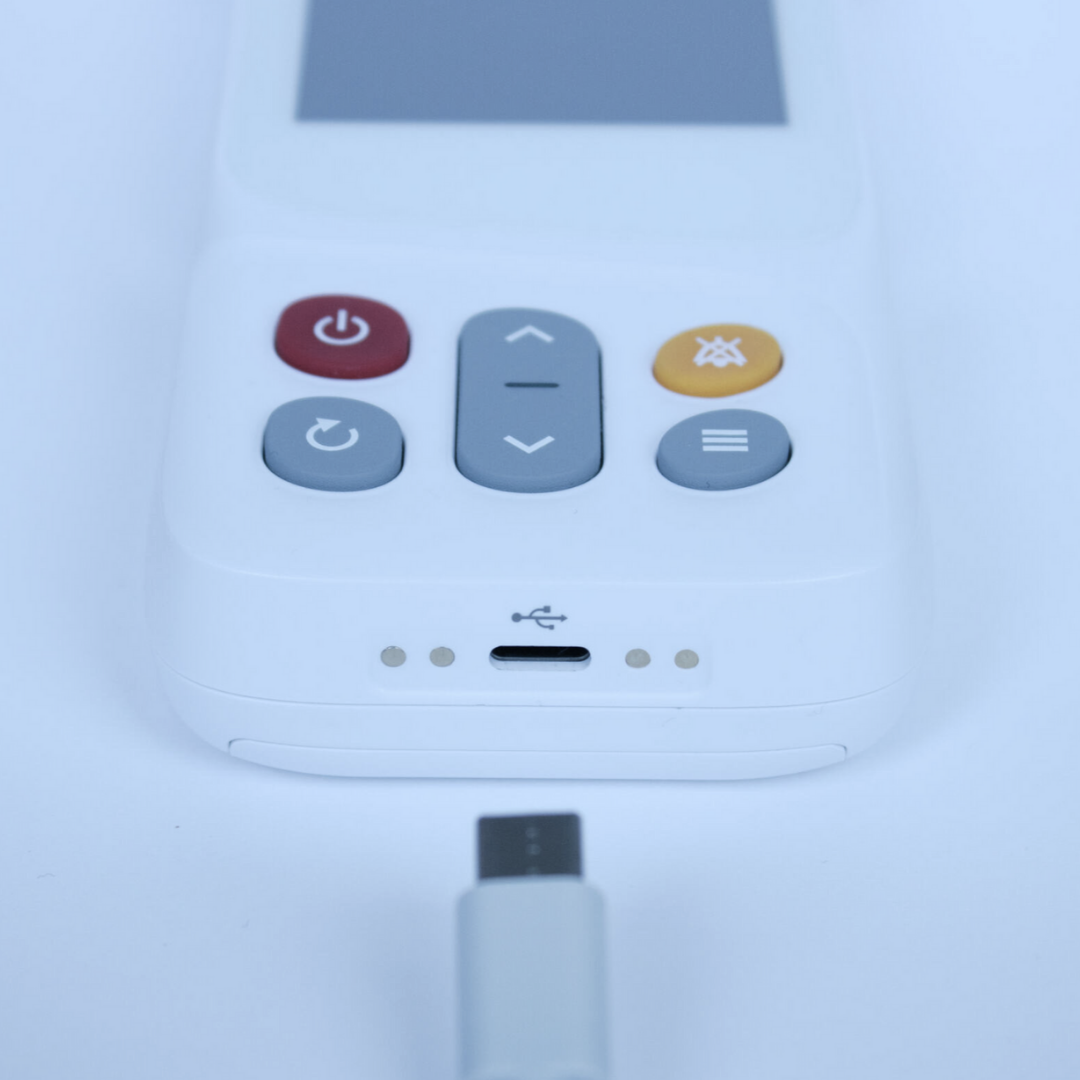
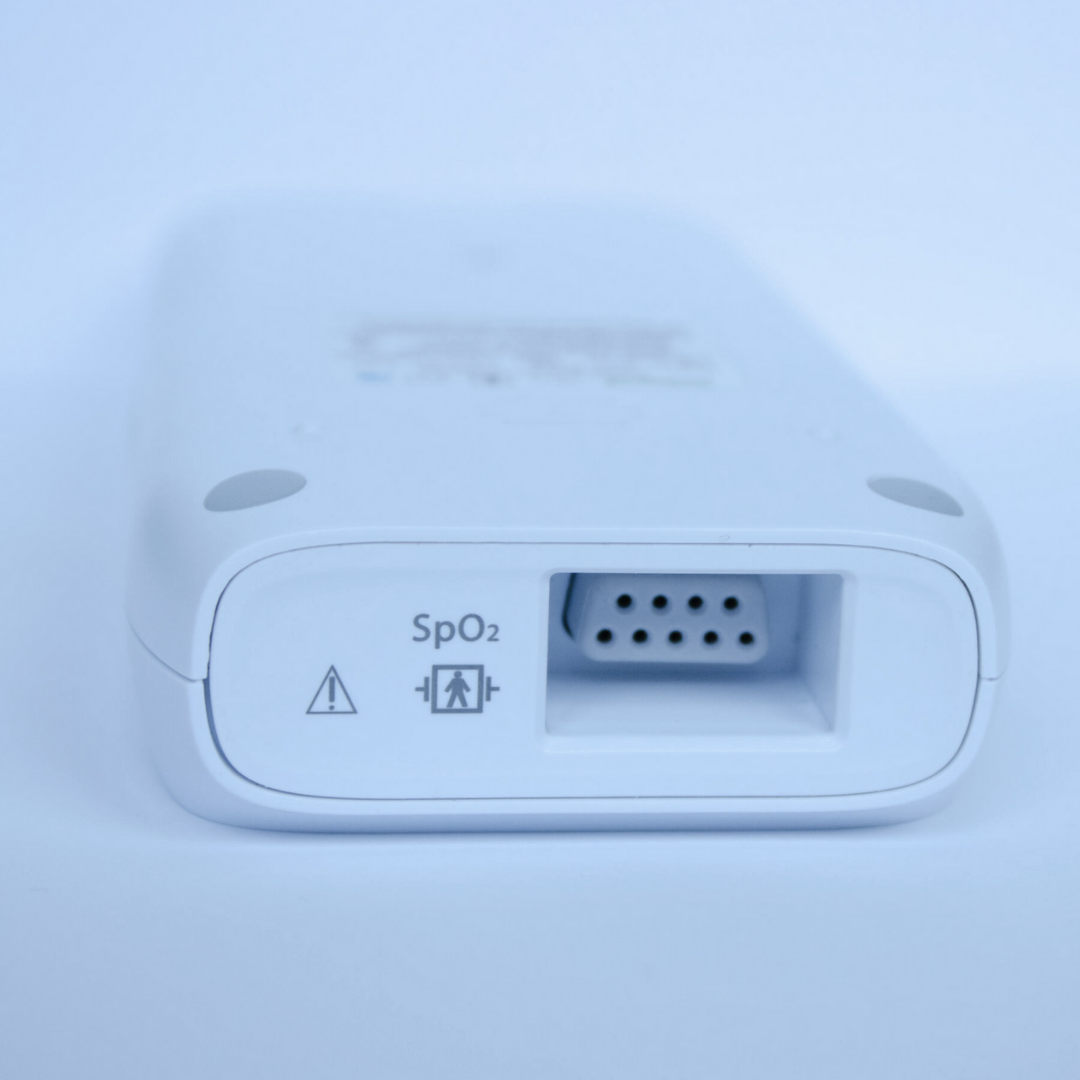
Image showing a CMI Health CH-100 handheld pulse oximeter alongside four pediatric sensors: infant silicone wrap, infant foot wrap, pediatric finger clip, and pediatric silicone sensor.
Infant Pulse Oximeter with Infant and Pediatric Sensors

For more help choosing the right device, see Best Pediatric Pulse Oximeter: A Professional Selection Guide

2. Place the Sensor on the Correct Area

Where you place the sensor plays a big role in how accurate the reading is.

For infants, the most common placement areas include:

  • Foot (most reliable for newborns)

  • Toe

  • Hand or finger (for older infants)

To get the best reading:

  • make sure the sensor fits snugly (but not too tight)

  • keep it aligned with the sensor area

  • ensure it stays in place during measurement

For newborns, the foot is often the most reliable placement.

For more comprehensive steps and guidelines about placing an infant sensor, see Where to Put a Pulse Oximeter on an Infant

3. Keep Your Baby Calm and Still

Movement is one of the most common reasons readings become unreliable.

If your baby is crying, kicking, or wiggling, the numbers may jump or fail to stabilize.

For best results:

  • take readings while your baby is resting or sleeping

  • avoid measuring during active movement

  • gently support the sensor if needed

Many inconsistent readings are caused by motion, not the device itself.

4. Wait for the Reading to Settle

Once the sensor is in place, give the device time to produce a stable reading.

It’s common to want to check the first number that appears, but early readings may not be reliable.

Instead:

  • wait about 10–30 seconds

  • watch for numbers to stop fluctuating

  • confirm the reading remains steady

This step helps ensure you’re looking at a meaningful result.

Common mistakes to avoid when using an infant pulse oximeter:

Infographic highlighting common mistakes to avoid when using an infant pulse oximeter, including incorrect device use, poor sensor placement, movement during readings, and misinterpreting results.

Pulse oximeters rely on red and infrared light to detect blood flow and oxygen saturation, which is why movement and placement can significantly affect accuracy. Learn more about how pulse oximeters work and how they measure SpO₂.

5. Check the Numbers and Look for Consistent Readings

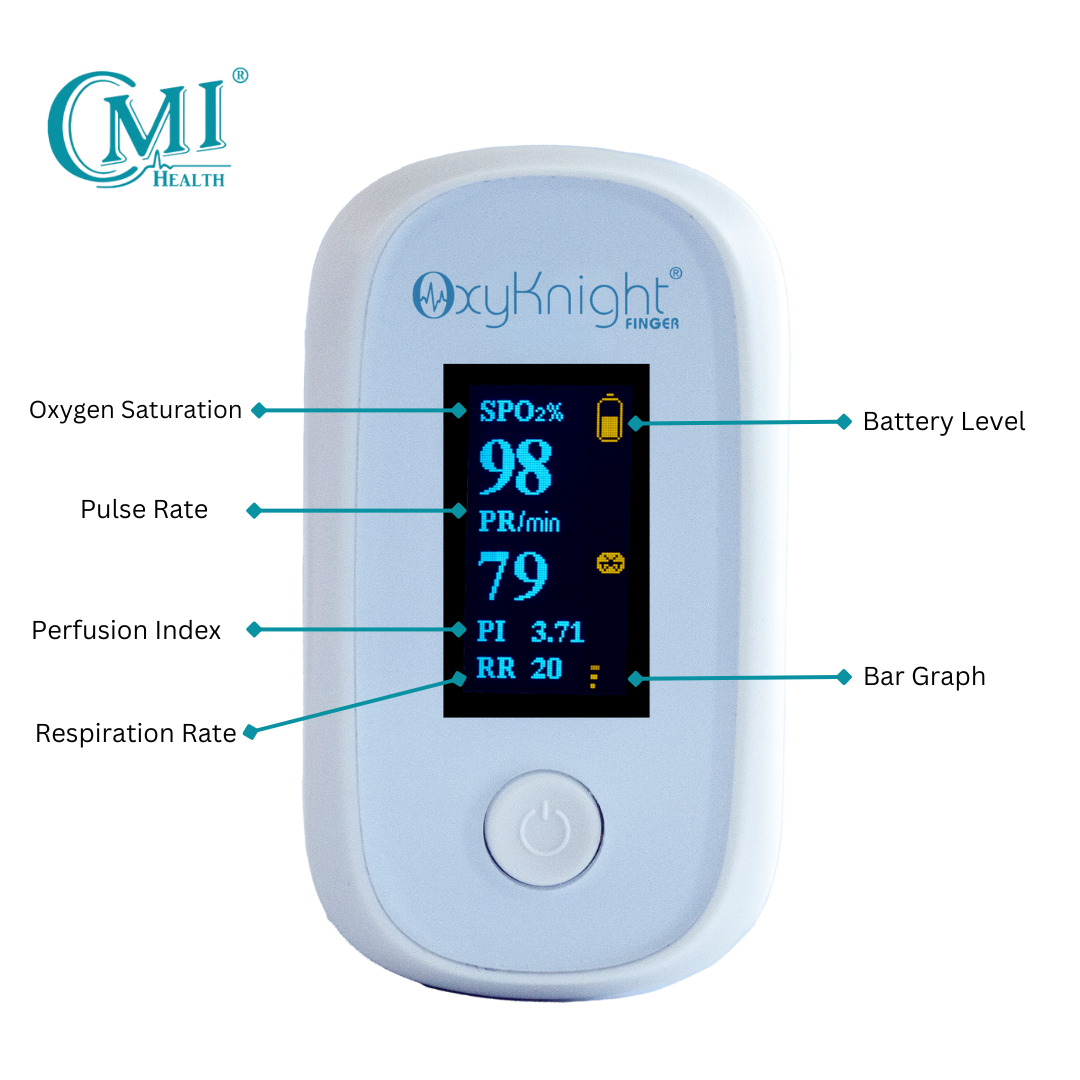
Once the reading settles, you’ll typically see two main values:

Infographic explaining the two main readings on an infant pulse oximeter: SpO₂ for oxygen saturation and PR/BPM for pulse or heart rate.

Infant Pulse Oximeter Reading Guide:

Infographic showing an infant pulse oximeter reading guide with typical SpO₂ levels in the mid to high 90s and pulse rate varying by age and activity, usually higher than adults.

Rather than focusing on a single number, it’s more helpful to look for consistent readings over time.

For a more detailed breakdown of what these two readings mean, see Two Readings on a Pulse Oximeter

Quick tips for interpreting infant pulse oximeter readings:

Infographic with quick tips for interpreting infant pulse oximeter readings, including checking for stable results, keeping the baby calm, and focusing on trends over time rather than a single reading


Final Thoughts

Learning how to use an infant pulse oximeter can feel overwhelming at first, but it becomes much easier when you break it down step by step.

Start with the right device, use proper placement, keep your baby still, wait for the reading to settle, and then check the numbers carefully. These small steps can make a big difference in how reliable your readings are.

If you’re looking for a pulse oximeter designed specifically for infants, explore CMI Health’s Handheld Oximeters with Pediatric Sensors.


Leave a comment

Please note, comments must be approved before they are published

This site is protected by hCaptcha and the hCaptcha Privacy Policy and Terms of Service apply.


{ "@context": "https://schema.org", "@type": "FAQPage", "mainEntity": [ { "@type": "Question", "name": "How do you use an infant pulse oximeter correctly?", "acceptedAnswer": { "@type": "Answer", "text": "To use an infant pulse oximeter correctly, choose a device designed for infants, place the sensor on the correct area such as the foot, toe, or hand depending on your baby's age, keep your baby calm and still, wait 10 to 30 seconds for the reading to stabilize, and check for consistent oxygen saturation (SpO₂) and pulse rate readings." } }, { "@type": "Question", "name": "Can you use a regular fingertip pulse oximeter on an infant?", "acceptedAnswer": { "@type": "Answer", "text": "Regular adult fingertip pulse oximeters are generally not recommended for infants because they often do not fit properly on small fingers or toes. Infant-compatible sensors provide a better fit and more reliable readings." } }, { "@type": "Question", "name": "Where should you place an infant pulse oximeter sensor?", "acceptedAnswer": { "@type": "Answer", "text": "The sensor is commonly placed on an infant's foot, toe, or hand, depending on the baby's age. For newborns, the foot is often the most reliable placement area. The sensor should fit snugly, remain properly aligned, and stay in place during measurement." } }, { "@type": "Question", "name": "Why does my infant pulse oximeter reading keep changing?", "acceptedAnswer": { "@type": "Answer", "text": "Readings may fluctuate if your baby is moving, crying, or kicking. Motion can interfere with the pulse oximeter's ability to measure blood flow accurately. Taking readings while your baby is calm or sleeping helps improve reliability." } }, { "@type": "Question", "name": "How long should you wait before reading an infant pulse oximeter?", "acceptedAnswer": { "@type": "Answer", "text": "Wait approximately 10 to 30 seconds after placing the sensor. Allow the numbers to stabilize and confirm that the readings remain steady before interpreting the results." } }, { "@type": "Question", "name": "What do the numbers on an infant pulse oximeter mean?", "acceptedAnswer": { "@type": "Answer", "text": "An infant pulse oximeter typically displays two measurements: oxygen saturation (SpO₂) and pulse rate (PR or BPM). It is more helpful to look for consistent readings over time rather than focusing on a single measurement." } }, { "@type": "Question", "name": "What are the most common mistakes when using an infant pulse oximeter?", "acceptedAnswer": { "@type": "Answer", "text": "Common mistakes include using an adult pulse oximeter that does not fit properly, placing the sensor incorrectly, taking readings while the baby is moving, and interpreting unstable readings before they have settled." } }, { "@type": "Question", "name": "How can you get more accurate readings from an infant pulse oximeter?", "acceptedAnswer": { "@type": "Answer", "text": "For more accurate readings, use an infant-compatible device, place the sensor correctly, keep your baby calm and still, wait for the numbers to stabilize, and look for consistent readings instead of relying on a single result." } } ] }