



Early Signs of Pneumonia: When to Check Oxygen Levels at Home

Written by Dallas Akins
Quick Answer
The early signs of pneumonia can include cough, fever or chills, fatigue, chest discomfort, and shortness of breath. Symptoms vary by age and severity, and infants and older adults may show less typical signs.
For most healthy people, oxygen saturation (SpO₂) generally falls between 95% and 100%. MedlinePlus advises contacting a healthcare provider for an oxygen saturation of 92% or lower and seeking immediate medical attention if it falls to 88% or lower. Individual targets can differ, so follow any instructions your healthcare provider has given you.
A low oxygen reading does not confirm pneumonia, and a normal reading does not rule it out. Seek medical care for concerning or worsening symptoms regardless of what your pulse oximeter displays.

Pneumonia is an infection that affects the air sacs in one or both lungs. Symptoms can range from mild to serious and may include cough, fever or chills, fatigue, chest pain, and shortness of breath. Because pneumonia can interfere with the lungs’ ability to move oxygen into the bloodstream, oxygen saturation is one measurement healthcare providers may consider when evaluating someone with possible pneumonia.
For people using a pulse oximeter at home, checking oxygen saturation can provide another piece of information about what is happening during a respiratory illness. However, a pulse oximeter cannot diagnose pneumonia or rule it out, and oxygen readings should always be considered alongside symptoms and guidance from a healthcare professional.
What Are the Early Signs of Pneumonia?
Pneumonia symptoms can sometimes resemble those of a cold, flu, or other respiratory infection, particularly early in the illness. According to the CDC, common symptoms include:
-
Cough
-
Fever or chills
-
Fatigue
-
Shortness of breath
-
Chest pain when breathing or coughing
-
Nausea, vomiting, or diarrhea
-
Confusion or altered mental status
The severity and combination of symptoms can vary. Mayo Clinic notes that mild pneumonia symptoms may resemble a cold or flu but tend to last longer.
That overlap is one reason symptoms alone cannot confirm pneumonia. A healthcare provider may use a physical examination and tests such as a chest X-ray, blood tests, or pulse oximetry when pneumonia is suspected.
Early Signs of Pneumonia in Babies and Children
Pneumonia may look different in babies and young children.
According to the National Heart, Lung, and Blood Institute (NHLBI), babies may have fever, cough, vomiting, restlessness, or unusual tiredness. Signs of breathing difficulty can include rapid breathing, grunting, widening of the nostrils, a bluish appearance of the skin or lips, or the muscles between the ribs pulling inward during breathing.
Mayo Clinic also notes that newborns and infants do not always show obvious signs of infection and may instead have difficulty breathing or eating, appear tired, or become restless.
Because young children can become seriously ill, parents should contact a healthcare professional when they are concerned about a child’s breathing or overall condition rather than waiting for a particular pulse oximeter number.

Why Can Pneumonia Affect Oxygen Levels?
Your lungs move oxygen from the air you breathe into your bloodstream.
With pneumonia, infection and inflammation can affect the air sacs in the lungs. Those air sacs may fill with fluid or pus, making normal oxygen exchange more difficult.
As a result, some people with pneumonia may develop lower blood oxygen levels. NHLBI includes low blood oxygen measured with a pulse oximeter among the possible signs of pneumonia, and pulse oximetry is one of the tests healthcare providers may use when evaluating the illness.
This connection can raise an important question for people monitoring a respiratory illness at home: When does an SpO₂ reading become concerning?
The important distinction is that oxygen saturation tells you about oxygenation, not why the number is high or low. A pulse oximeter cannot tell whether pneumonia is causing a low reading.
What Is a Normal vs. Concerning Oxygen Level During a Respiratory Illness?
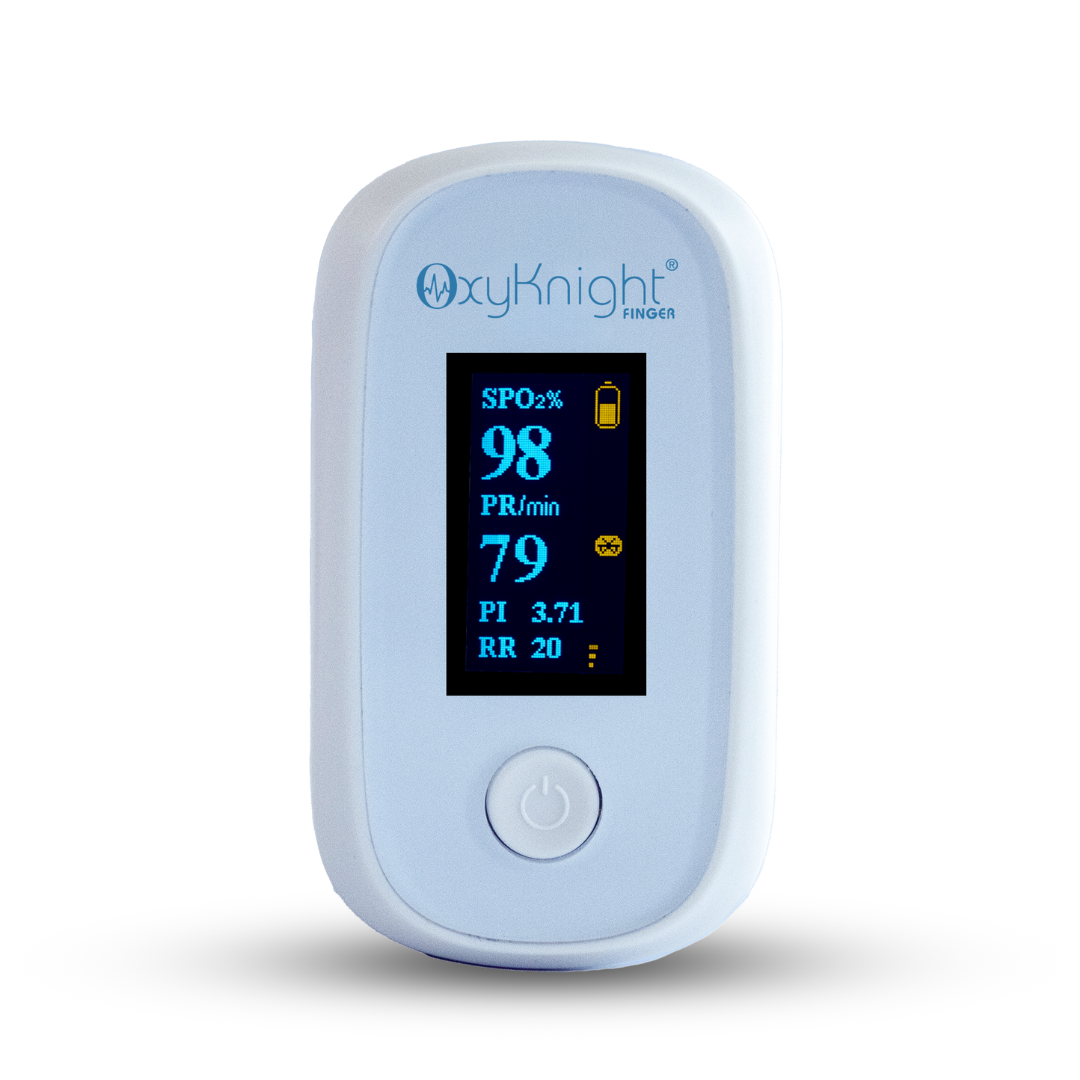
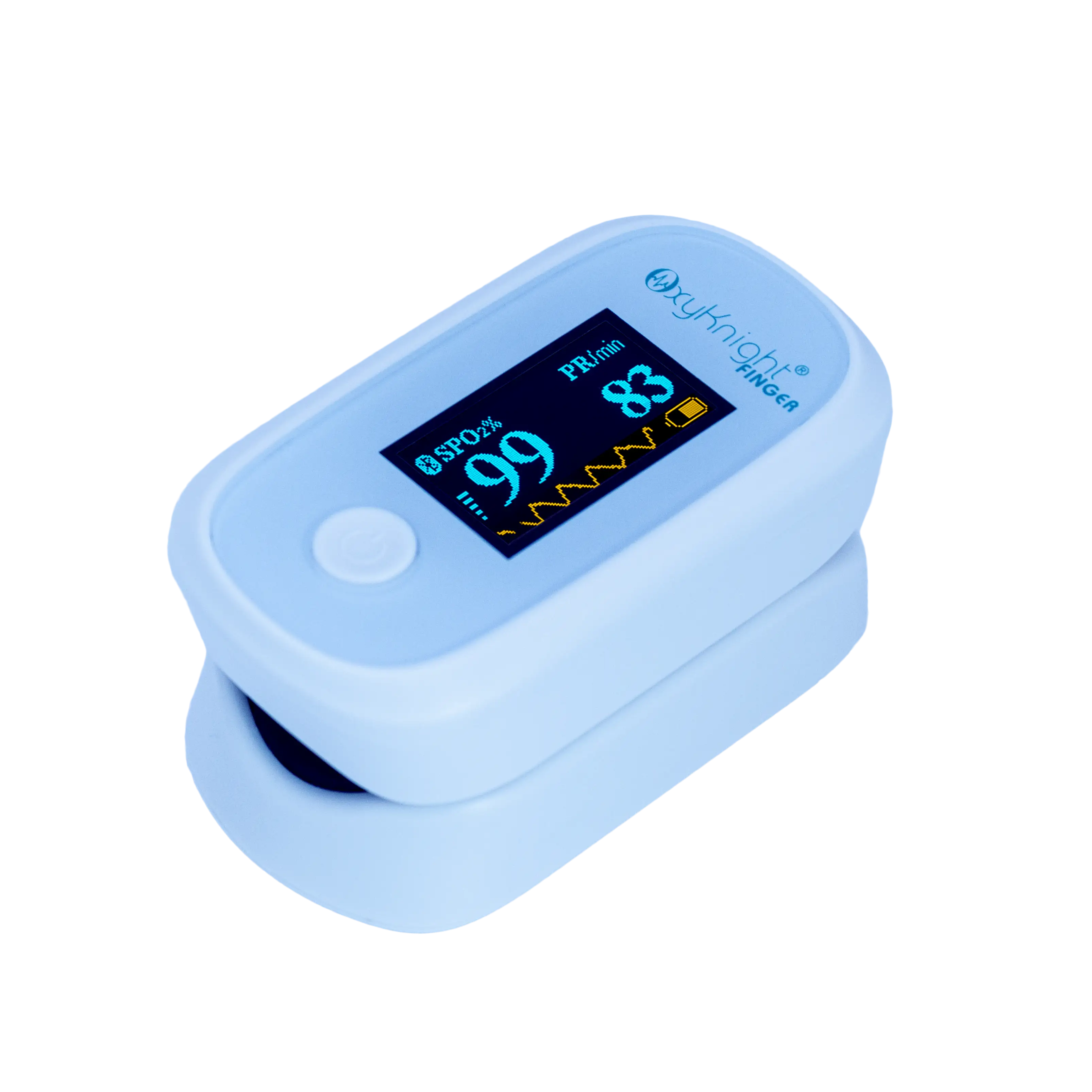
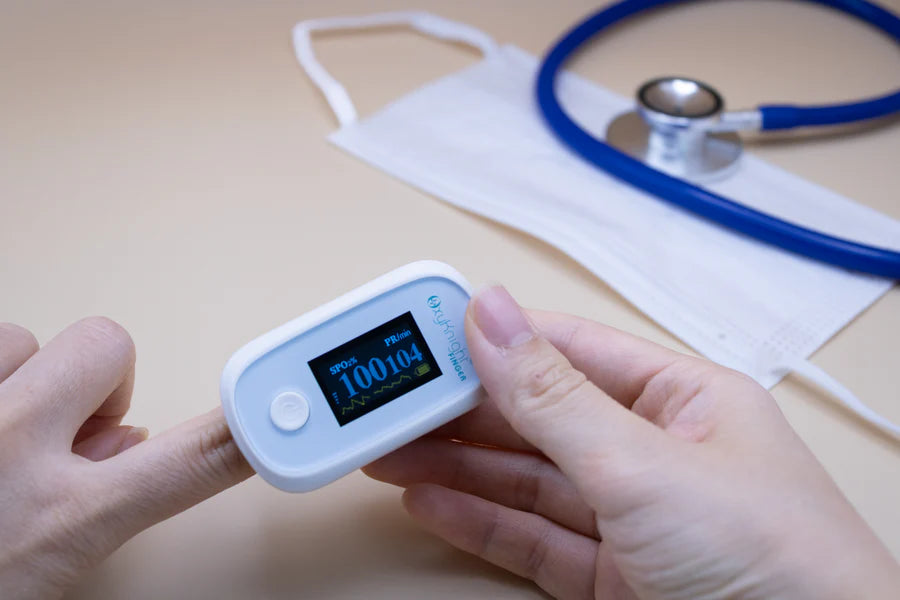
A pulse oximeter displays oxygen saturation as SpO₂, expressed as a percentage.
For most healthy individuals, an SpO₂ reading between 95% and 100% is generally considered normal. However, expected oxygen levels can differ for people with certain lung conditions or those living at higher elevations.
Here is a general reference based on MedlinePlus guidance:

These numbers are general guidance, not a pneumonia diagnostic chart. MedlinePlus specifically recommends contacting a healthcare provider at 92% or lower and seeking immediate medical attention at 88% or lower.
If your healthcare provider has given you a different target range based on your medical history, follow their instructions.
Most importantly, do not wait for an oxygen reading to cross a particular threshold when serious symptoms are present. Difficulty breathing, chest pain, blue or gray lips or skin, confusion, or a rapidly worsening condition require medical attention regardless of the number displayed on a home pulse oximeter.
Does a Normal Oxygen Level Rule Out Pneumonia?
No.
A normal oxygen reading does not mean someone cannot have pneumonia. Pneumonia varies in severity, and a person may have symptoms or an infection without experiencing a significant decrease in oxygen saturation.
Likewise, a low oxygen reading does not prove that pneumonia is the cause.
Healthcare providers diagnose pneumonia using the overall clinical picture. Depending on the situation, that can include symptoms, a physical examination, chest imaging, blood tests, and other testing. Pulse oximetry helps measure oxygen saturation, but it does not identify the underlying cause of a low reading.
Think of SpO₂ as one piece of information—not a yes-or-no pneumonia test.
When Should You Check Oxygen Levels at Home?
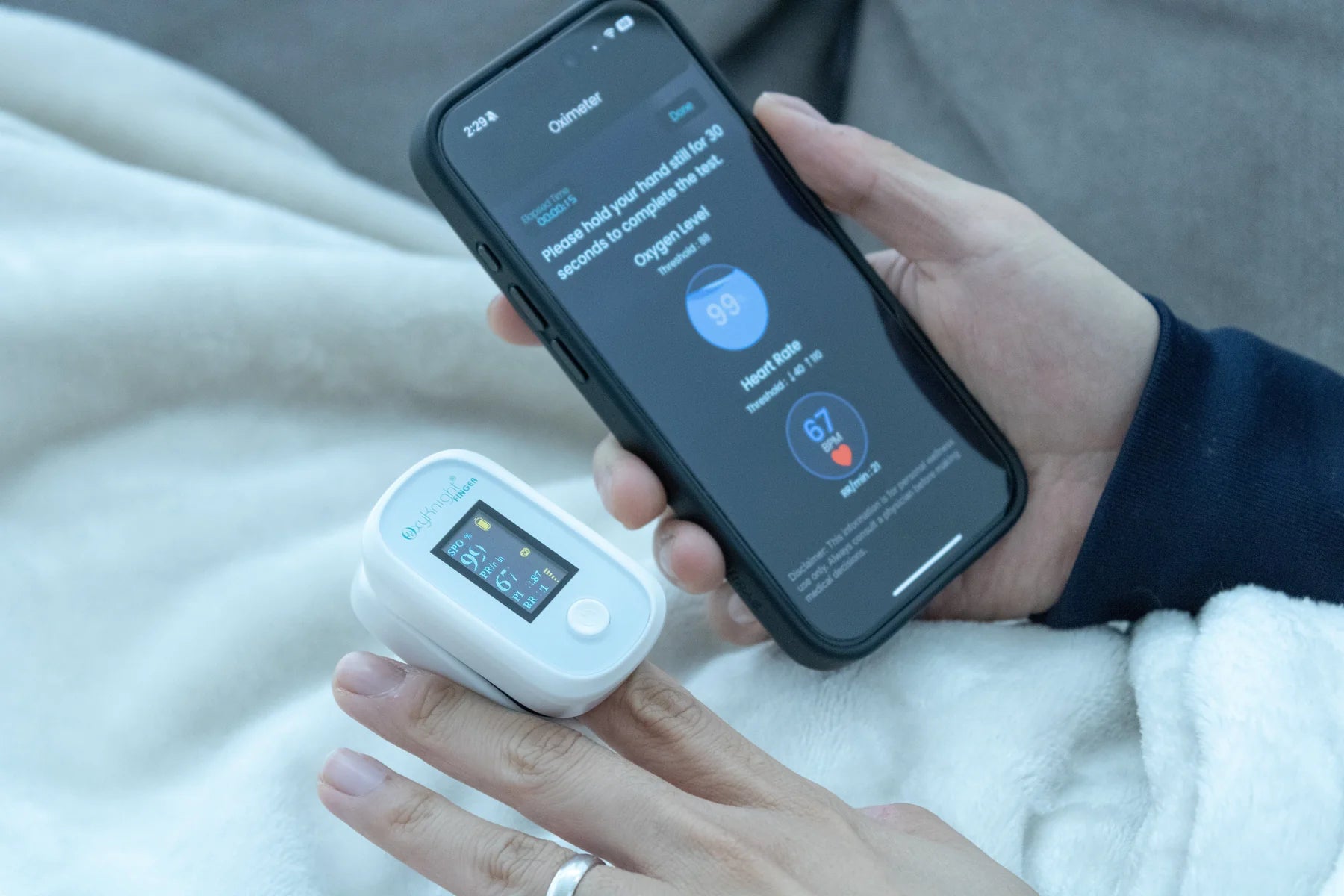
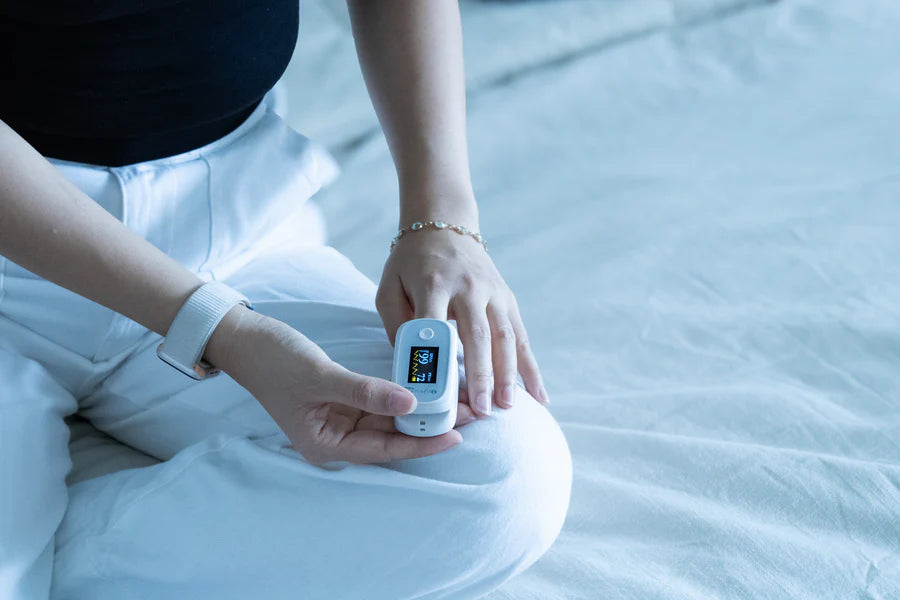
If you already use a pulse oximeter or a healthcare provider has recommended home oxygen checks during an illness, it can be useful to record readings and watch for meaningful changes.
For example, you might check SpO₂ when:
-
Breathing seems more difficult than usual
-
Respiratory symptoms are getting worse
-
A healthcare provider has asked you to track oxygen saturation
-
You want to document readings to discuss with your healthcare provider
The FDA recommends paying attention to both the pulse oximeter reading and how you feel. If symptoms are serious or worsening, contact a healthcare provider even when the device reading does not appear alarming.
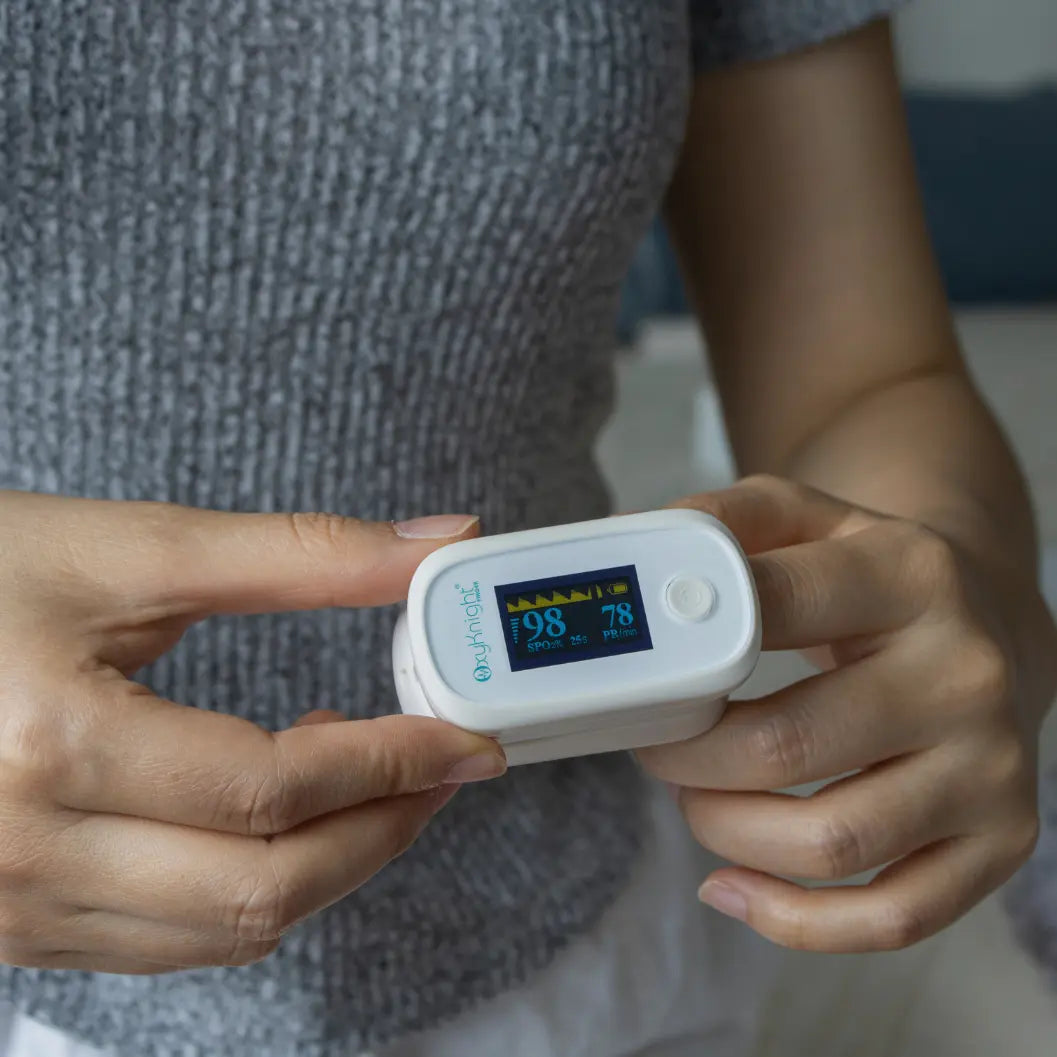
Changes over time may also provide useful context. Rather than focusing entirely on one isolated number, record readings along with symptoms and the time they were taken.
For more help interpreting the numbers on your device, see our guide to understanding pulse oximeter readings.
How to Get a More Reliable Pulse Oximeter Reading
Home pulse oximeters can provide useful information, but their readings are estimates and can be affected by several factors.
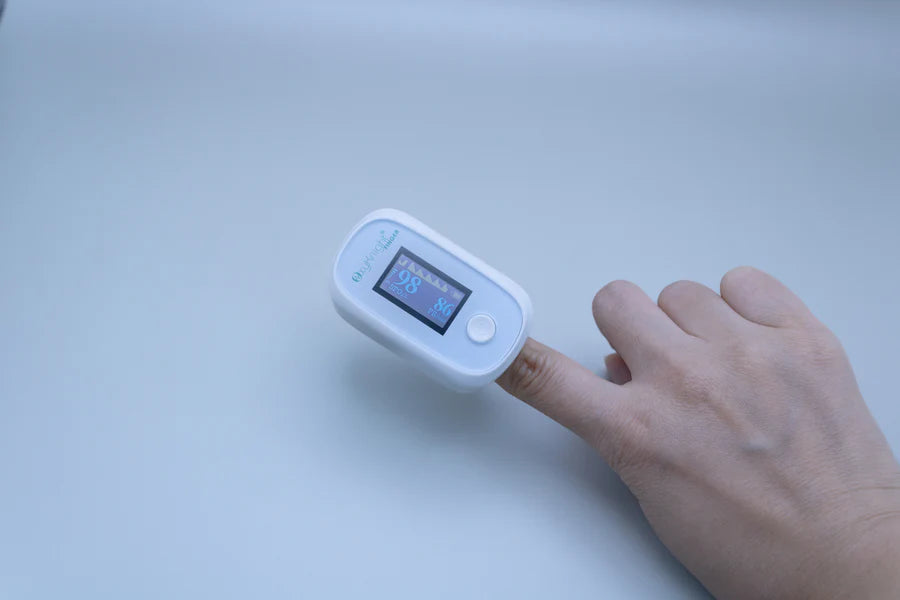
For a more reliable measurement:
-
Follow the instructions provided with your specific device.
-
Keep your hand warm and relaxed.
-
Remain still while taking the measurement.
-
Wait until the displayed number stabilizes.
-
Remove nail polish or artificial nails if they interfere with the sensor.
-
Repeat an unexpected reading to see whether it remains consistent.
-
Record readings if your healthcare provider has asked you to track changes over time.
The FDA notes that factors including poor circulation, skin temperature, skin pigmentation, skin thickness, tobacco use, and fingernail polish may affect pulse oximeter accuracy.
Pulse oximeters also have a margin of error. MedlinePlus notes that home pulse oximetry results may differ from actual blood oxygen saturation by a few percentage points.
For that reason, avoid making medical decisions based solely on one home reading.

What About Oxygen Levels in Children With Pneumonia Symptoms?
Parents may be especially concerned about oxygen levels when a baby or child has a cough, fever, or breathing symptoms.
The same basic principle applies: oxygen saturation is only one part of the picture.
Children who are struggling to breathe, unusually sleepy, difficult to wake, having trouble eating or drinking, or showing blue or gray coloring need prompt medical evaluation. NHLBI identifies rapid breathing, grunting, nostril flaring, and pulling inward between the ribs as potential signs of breathing difficulty in babies.
A pediatric pulse oximeter may be more appropriate than a standard adult fingertip device for a baby or child because correct sensor sizing and placement are important for obtaining a usable reading.
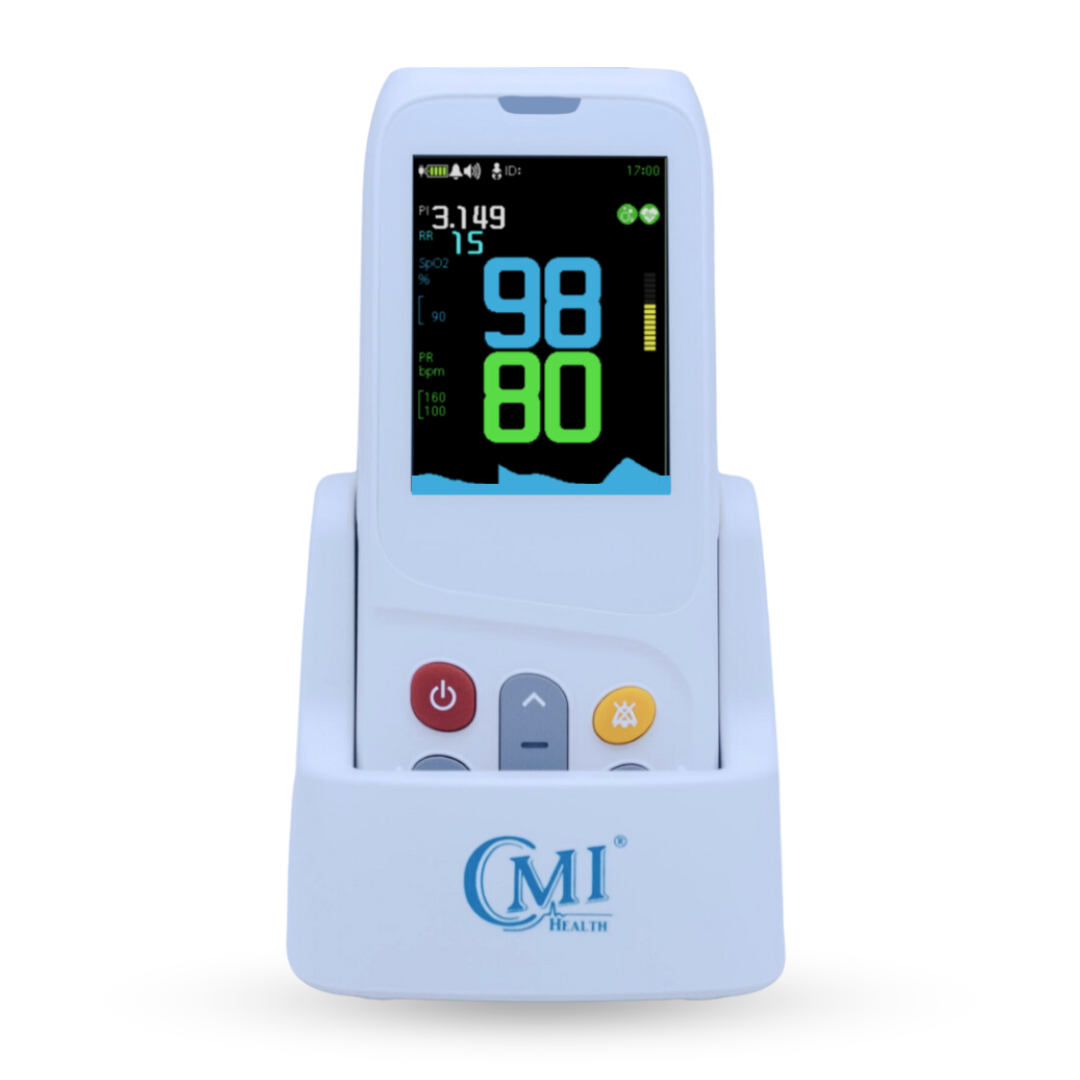
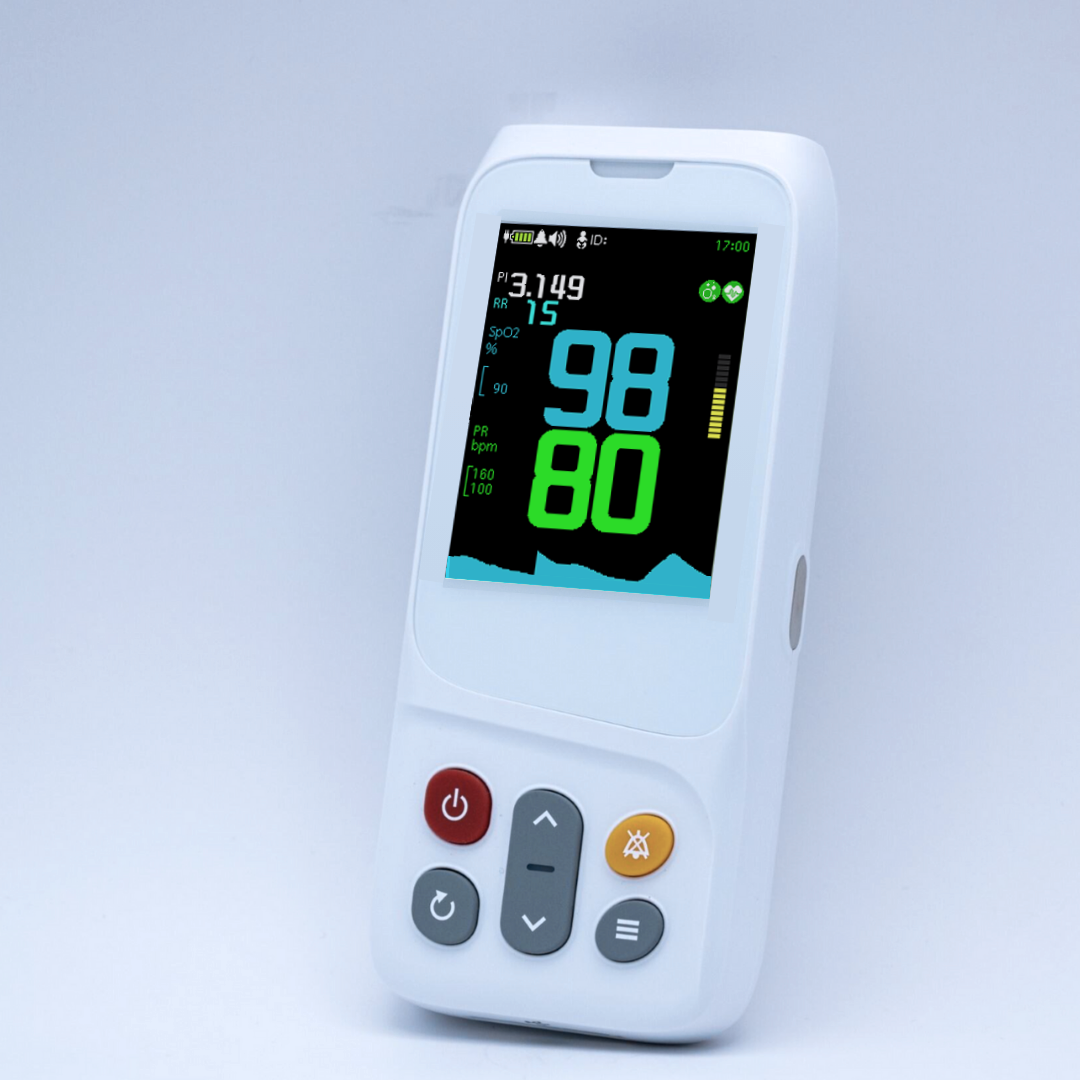
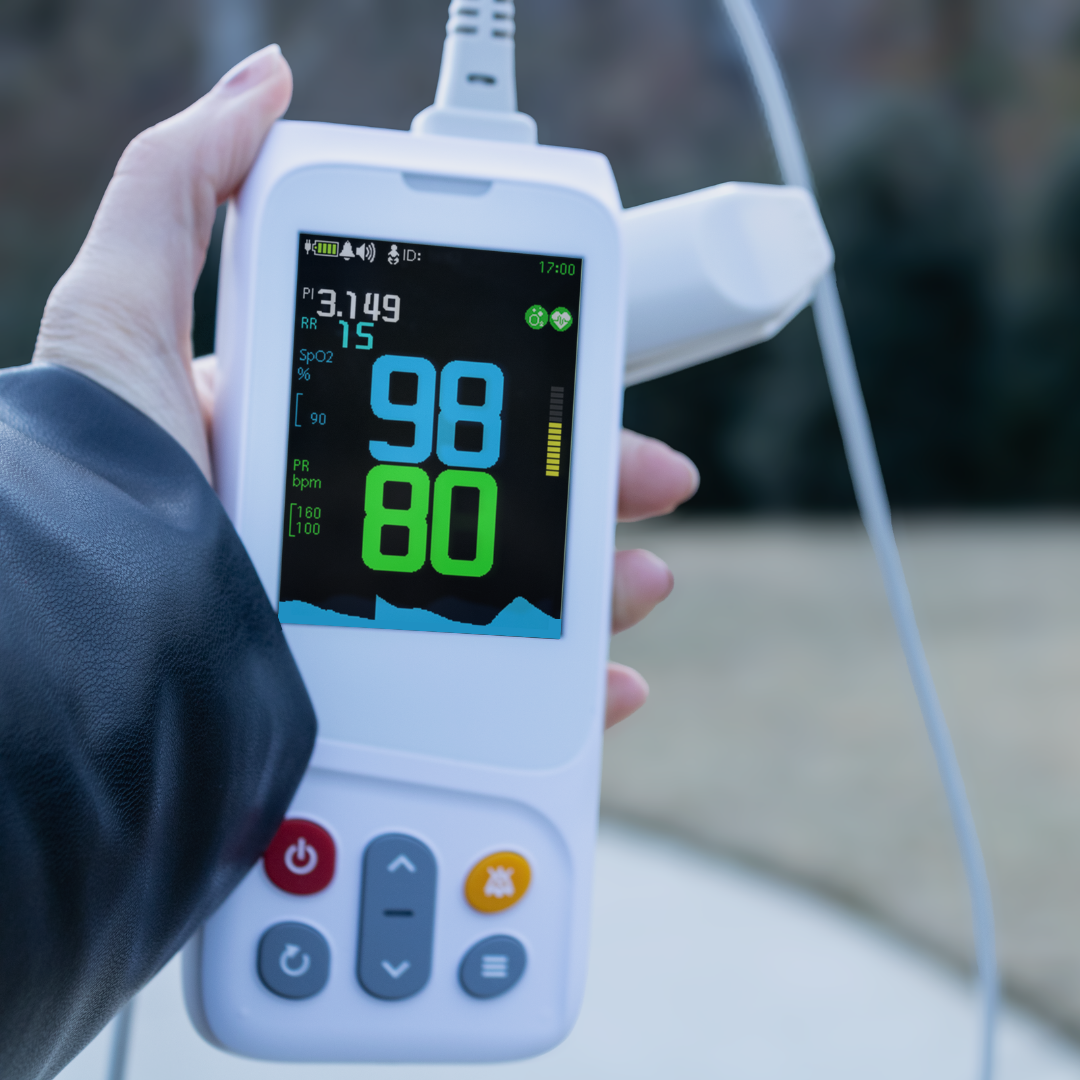
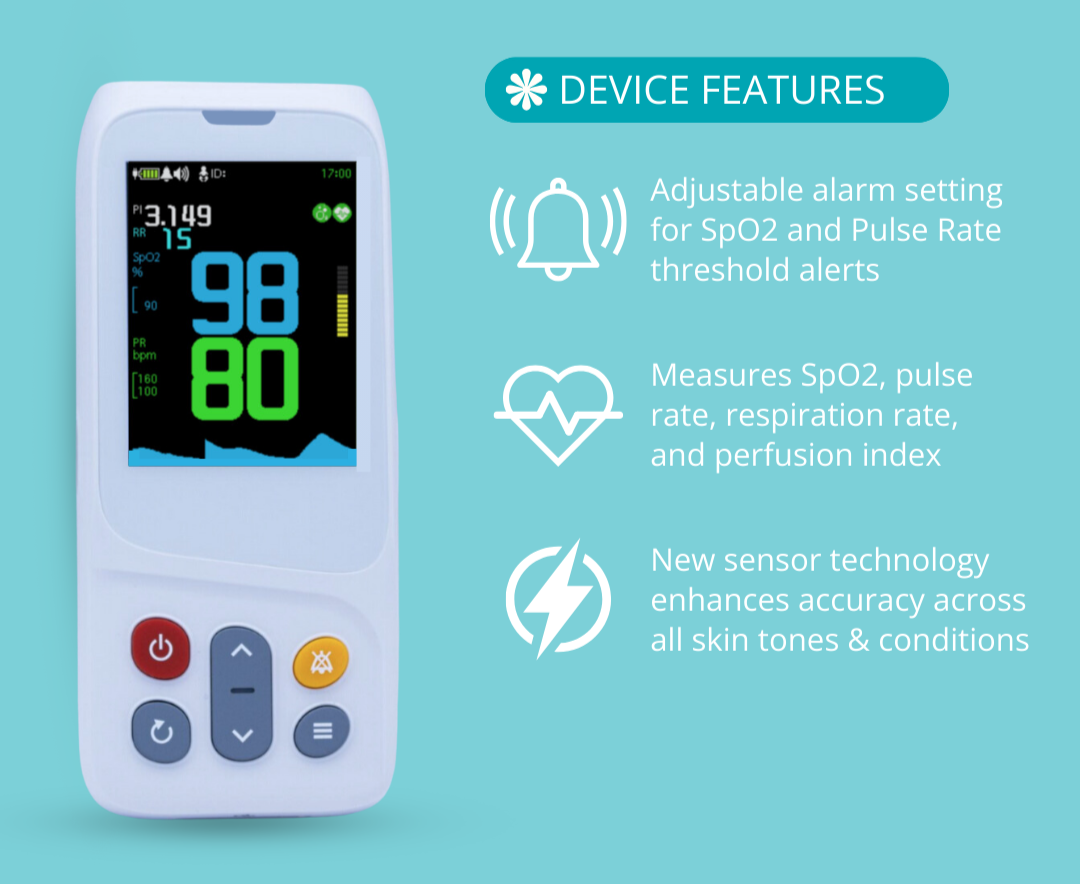
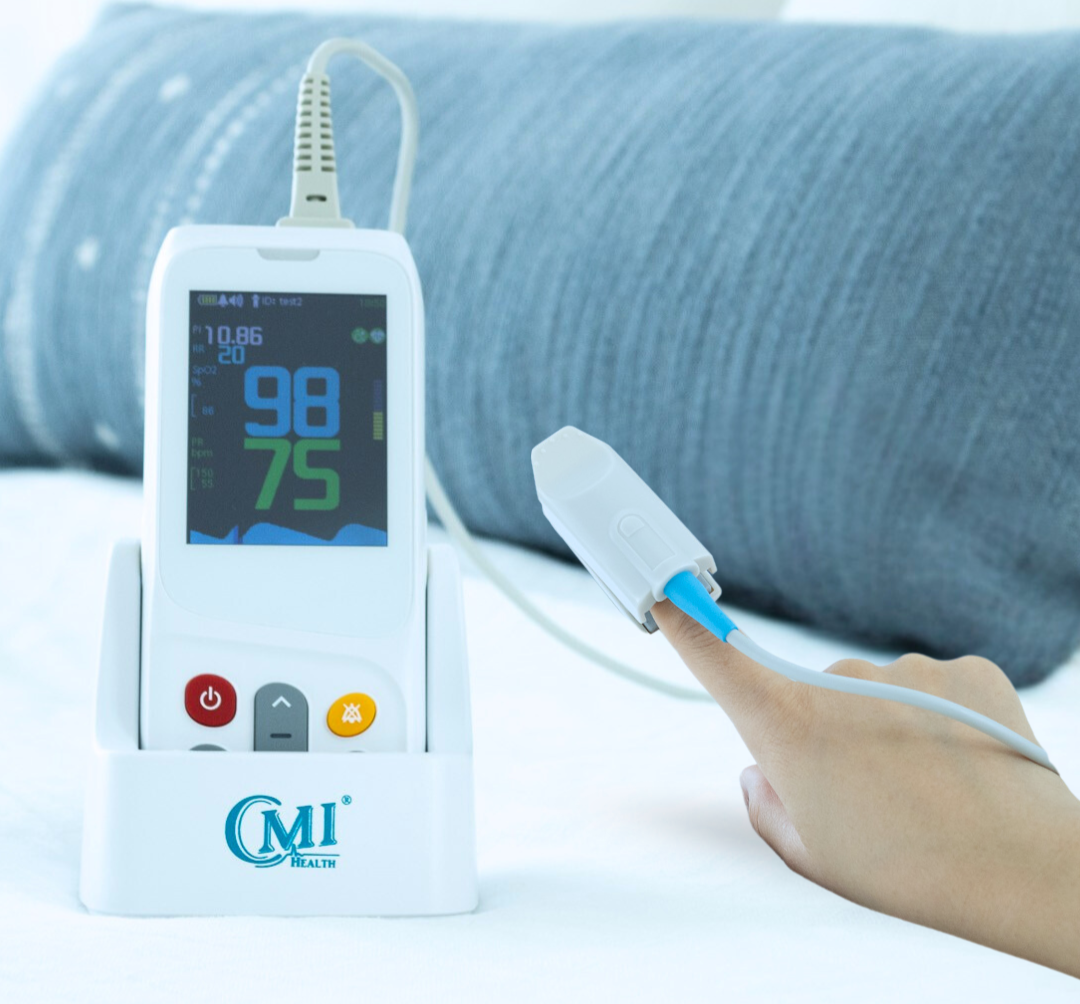
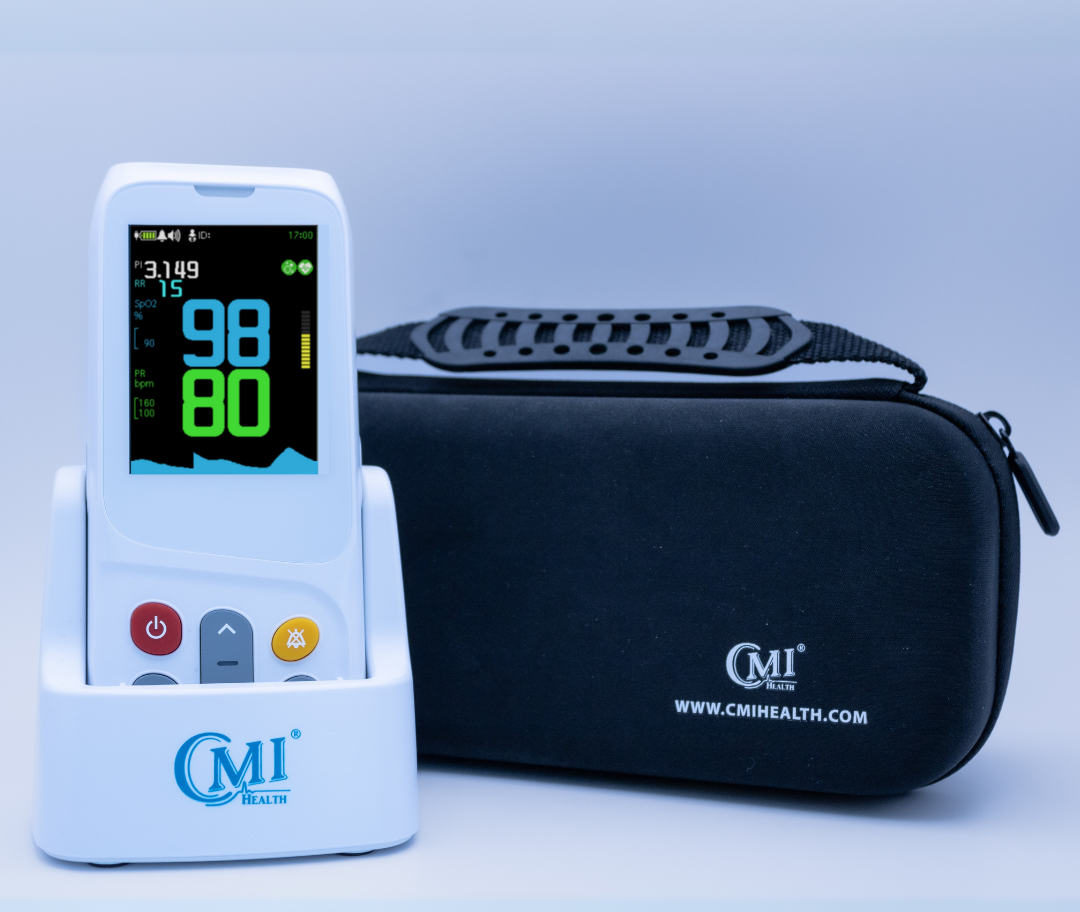
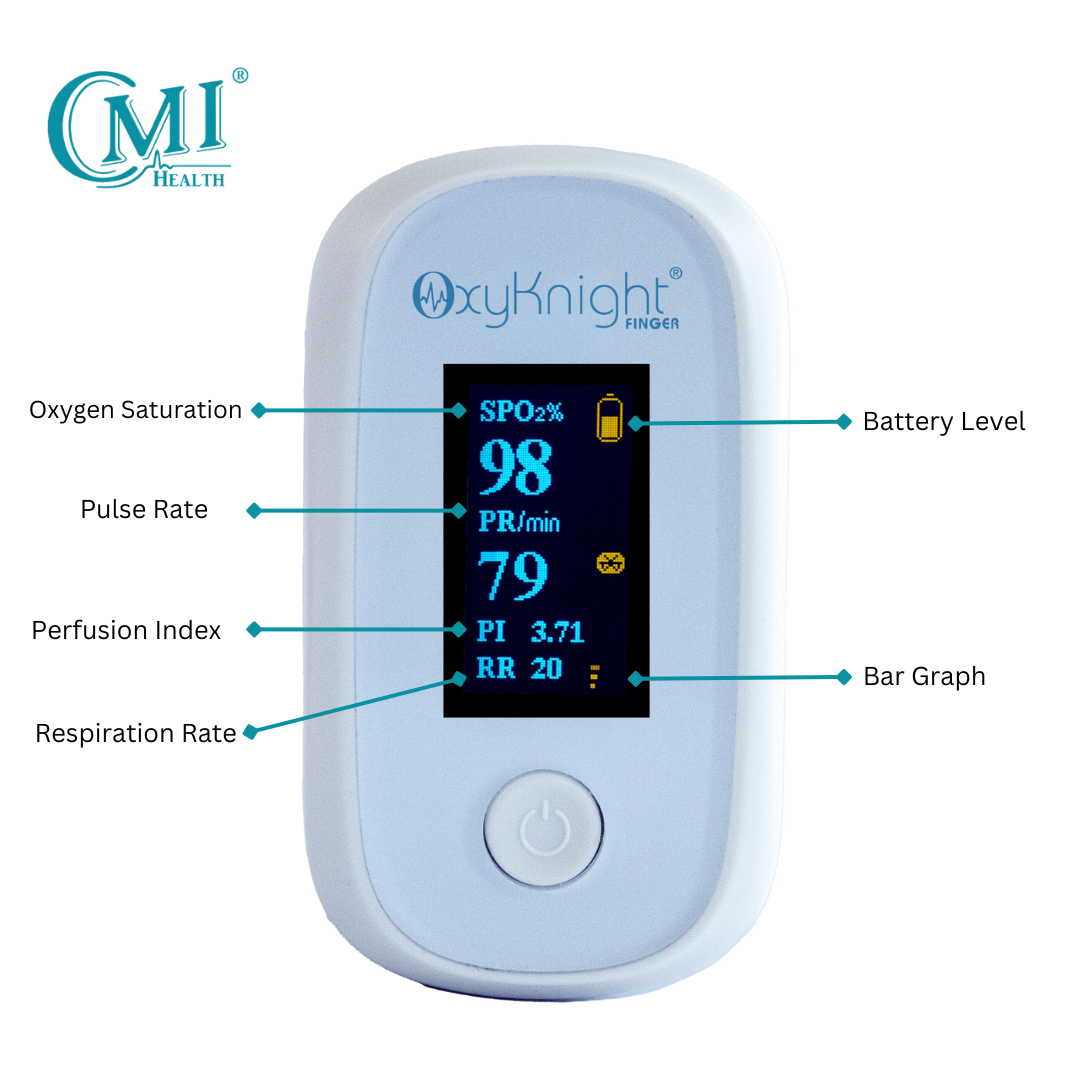
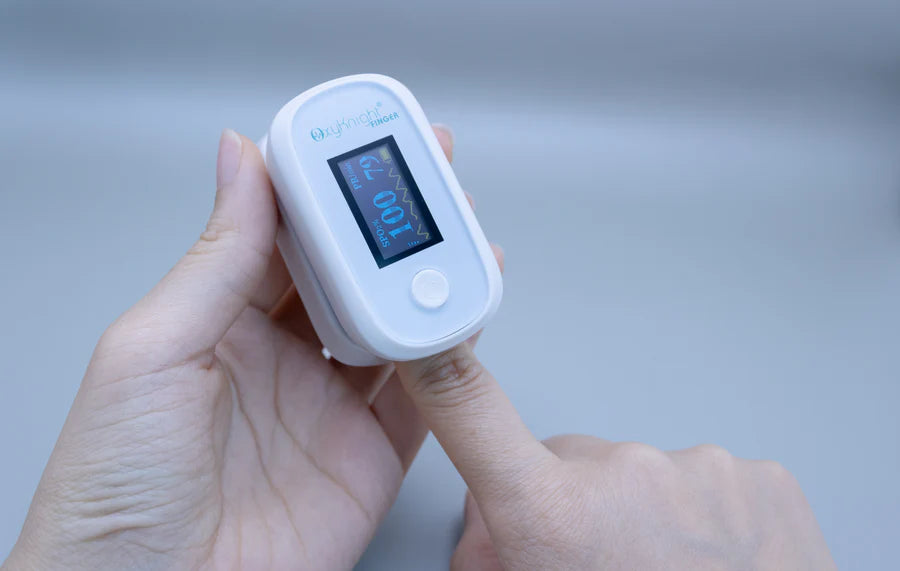
CMI Health offers pulse oximetry options designed for different ages and monitoring needs. Parents and caregivers can explore CMI Health pulse oximeters to compare available options for home use.
If you’re monitoring an infant at home, our guide to normal oxygen levels for babies explains typical SpO₂ readings and what parents and caregivers should know.

When to Seek Medical Care
You do not need to wait for a low oxygen reading before contacting a healthcare provider. Seek medical care for concerning or worsening symptoms, including difficulty breathing, chest pain, persistent fever, or a persistent cough. Mayo Clinic notes that young children, adults over 65, and people with certain underlying health conditions may be at greater risk from pneumonia.
Seek urgent medical attention for severe breathing difficulty, blue or gray coloring, confusion, reduced responsiveness, or other severe or rapidly worsening symptoms—regardless of the pulse oximeter reading.
Understanding Symptoms and Oxygen Levels Together
Recognizing the early signs of pneumonia can help you know when an illness may need medical attention, but symptoms and oxygen levels should be considered together rather than separately.
A home pulse oximeter can provide useful information about oxygen saturation during a respiratory illness. It cannot diagnose pneumonia, determine its cause, or replace an evaluation from a healthcare professional.
If you or your child develops worsening respiratory symptoms, has difficulty breathing, or records oxygen levels that are lower than expected, contact a healthcare provider for guidance.
For those who have been advised to track oxygen saturation at home, explore CMI Health’s pulse oximeters to find options designed for different ages and monitoring needs.
Frequently Asked Questions About Pneumonia and Oxygen Levels
What are the early signs of pneumonia?
Possible early signs of pneumonia include cough, fever or chills, fatigue, chest pain with breathing or coughing, and shortness of breath. Symptoms vary depending on age, overall health, and the cause and severity of the infection.
What oxygen level is concerning with pneumonia?
There is no single oxygen level that diagnoses pneumonia. For home pulse oximetry in general, MedlinePlus recommends contacting a healthcare provider if SpO₂ is 92% or lower and seeking immediate medical attention if it reaches 88% or lower. Your healthcare provider may give you different guidance based on your individual health.
Can pneumonia cause low oxygen levels?
Yes. Pneumonia can interfere with the lungs’ ability to move enough oxygen into the bloodstream, which is one reason pulse oximetry may be used during medical evaluation.
Can you have pneumonia with a normal oxygen level?
Yes. A normal SpO₂ reading cannot rule out pneumonia. Oxygen saturation is only one measurement, and pneumonia is diagnosed using symptoms, examination, and, when appropriate, additional testing.
Can a pulse oximeter tell if you have pneumonia?
No. A pulse oximeter estimates blood oxygen saturation and pulse rate. It cannot determine why oxygen levels are low or diagnose pneumonia.
Should I check my child’s oxygen level if they have pneumonia symptoms?
If your healthcare provider has recommended home oxygen checks, a correctly sized pulse oximeter can provide useful SpO₂ information. However, parents should also watch closely for breathing difficulty, changes in color, unusual sleepiness, feeding difficulties, or worsening symptoms and seek medical advice when concerned.




Leave a comment