



What Are Normal Oxygen Levels for Babies?

Learn how to interpret your baby's oxygen levels and when to contact a healthcare provider.
Written by Dallas Atkins, CMI Health
Parents often spend a lot of time listening to their baby's breathing, especially when their baby is a newborn or recovering from an illness. When a baby seems congested, breathes faster than usual, or simply doesn't seem like themselves, parents start to wonder whether they're getting enough oxygen.
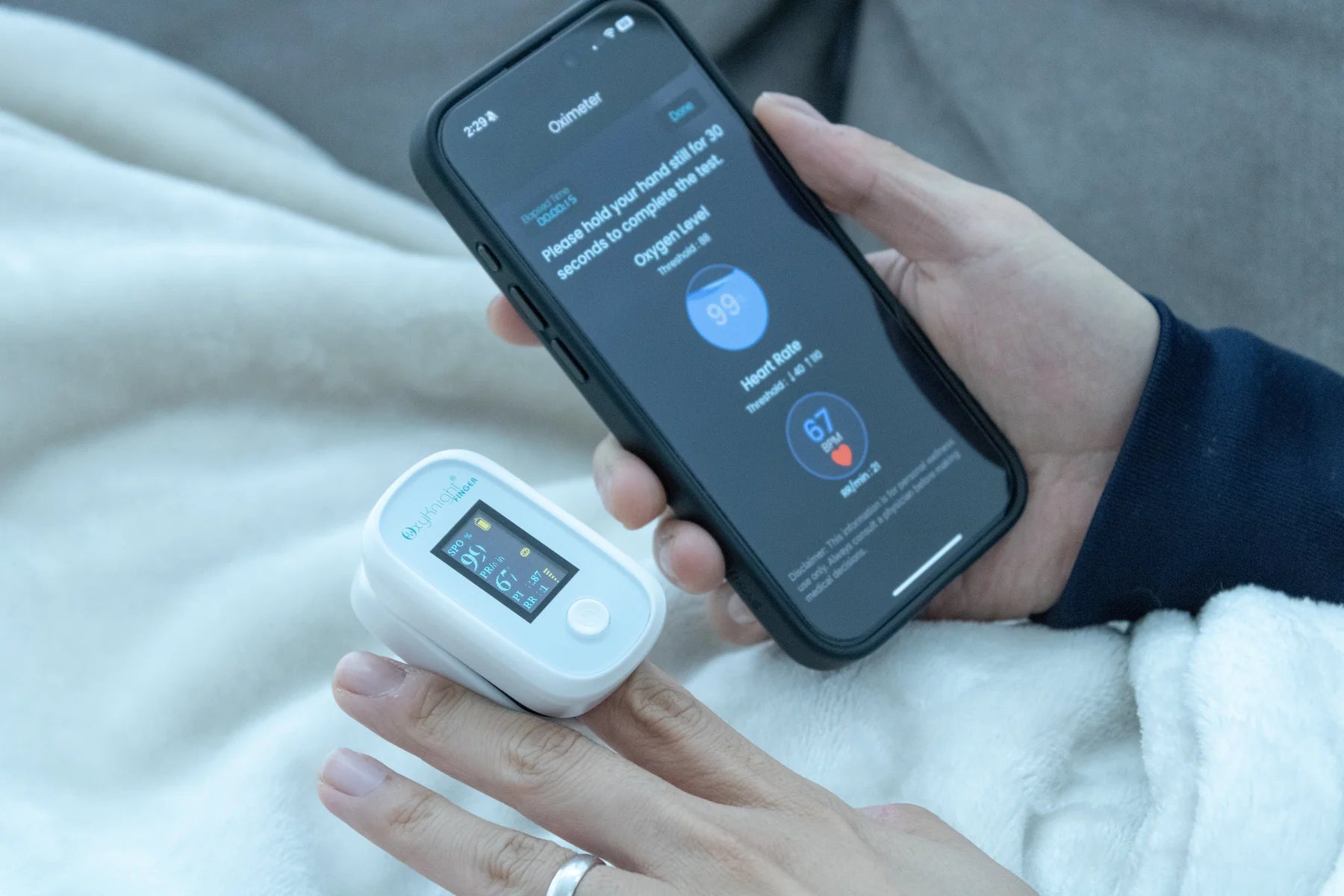
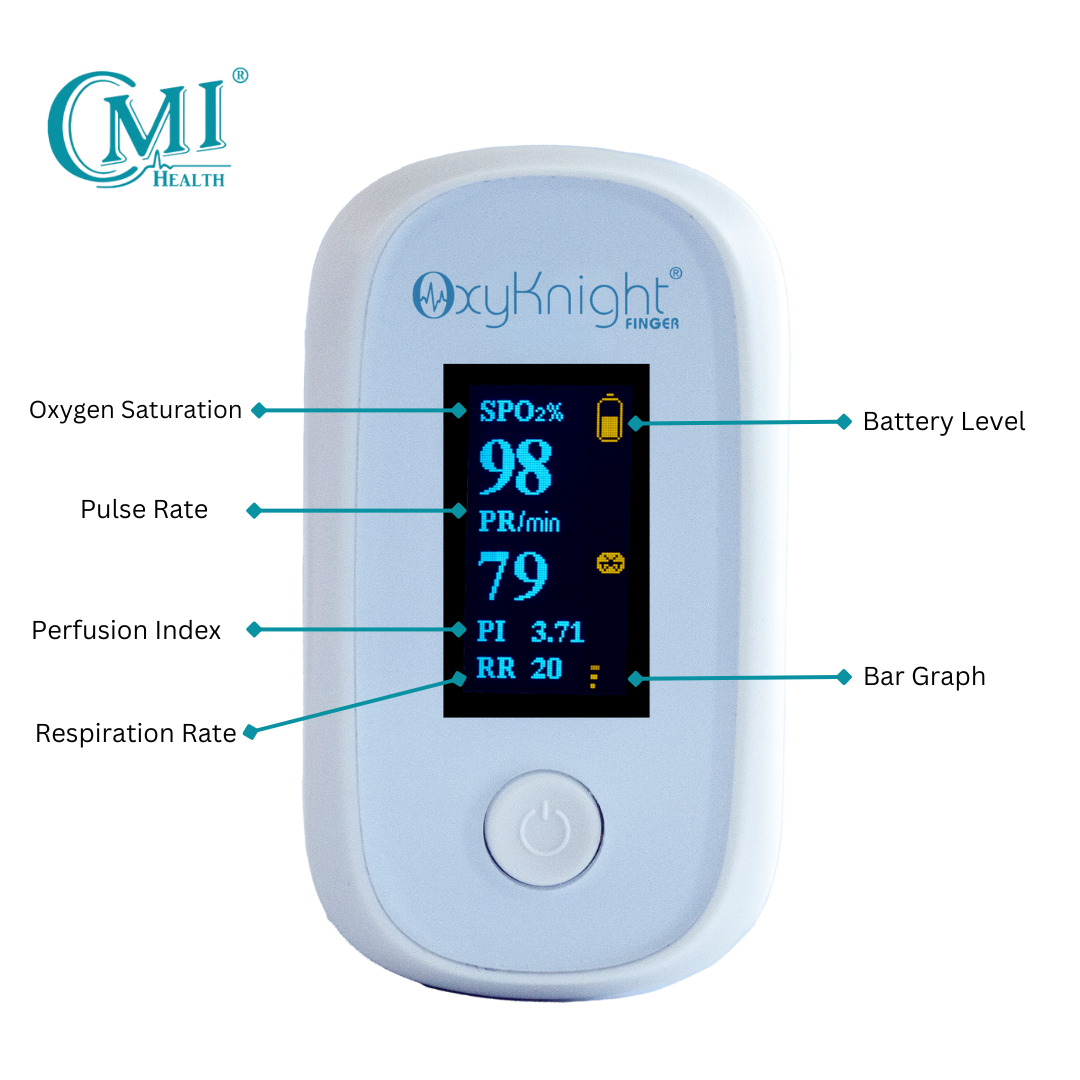
Oxygen saturation, often shown as SpO₂ on a pulse oximeter, measures how much oxygen is being carried through the blood. While healthcare providers routinely check oxygen levels in hospitals and clinics, some parents also use pulse oximeters at home to monitor their baby's readings.
So what is considered a normal oxygen level for a baby, and when should parents be concerned?

Quick Answer
For most healthy babies and infants, oxygen saturation levels between 95% and 100% are generally considered normal. Readings below 92% should be discussed with a healthcare provider, while readings below 90% generally require immediate medical attention. Oxygen levels should always be considered alongside symptoms, behavior, and guidance from a healthcare professional.
What Is a Normal Oxygen Level for a Baby?
In most healthy babies and infants, oxygen saturation levels between 95% and 100% are generally considered normal.
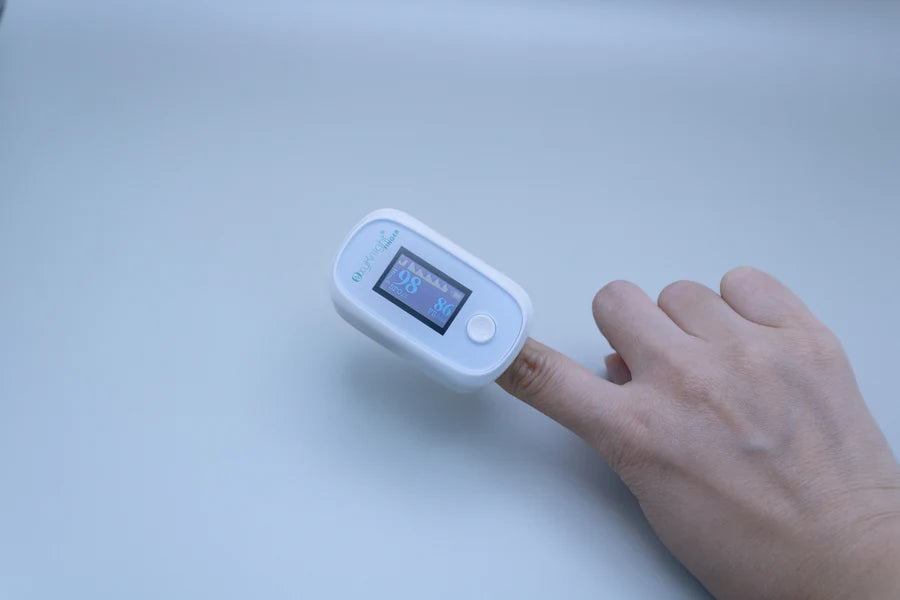
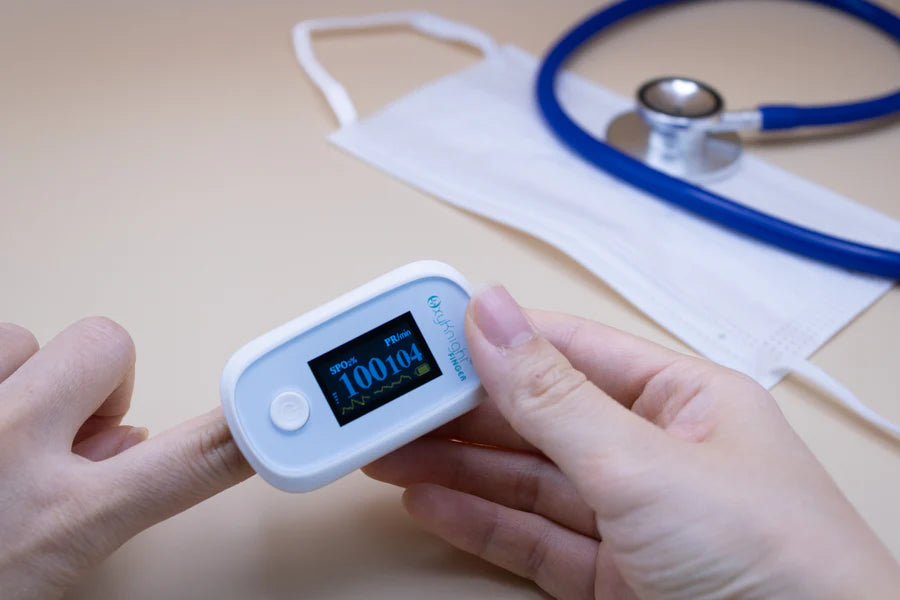
Oxygen saturation is measured using a pulse oximeter, a non-invasive device that uses light sensors to estimate how much oxygen is attached to hemoglobin in the bloodstream.
Pulse oximetry provides a quick way to estimate blood oxygen saturation without drawing blood samples.

For most healthy babies, readings within this range are expected. However, oxygen saturation should always be considered alongside symptoms and overall behavior.
It's important to remember that a single reading does not always tell the whole story. Factors such as movement, sensor placement, cold hands or feet, and device fit can affect results.
Do Newborn Oxygen Levels Differ After Birth?
Yes—but only during the transition immediately after delivery.
Before birth, babies receive oxygen through the placenta. Once they begin breathing on their own, oxygen saturation levels gradually increase during the first several minutes of life as the lungs adapt to breathing air.
This is one reason hospitals routinely monitor newborn oxygen levels shortly after birth and perform pulse oximetry screening before babies go home..
For healthy infants who have already completed this transition period, oxygen saturation levels are generally expected to remain within the same normal range discussed above.
Signs Your Baby May Not Be Getting Enough Oxygen
While pulse oximeter readings can provide useful information, parents should pay close attention to physical symptoms as well.
Some signs that may indicate your baby is having difficulty getting enough oxygen include:
-
Rapid breathing
-
Labored breathing
-
Flaring nostrils
-
Grunting sounds while breathing
-
Blue or gray coloring around the lips
-
Difficulty feeding
-
Unusual sleepiness
-
Reduced responsiveness
If your baby shows any of these symptoms, contact a healthcare provider, even if the oxygen reading appears normal.

Healthcare professionals evaluate oxygen levels alongside symptoms, behavior, and overall appearance rather than relying on a single number alone.
Can Parents Use an Infant Pulse Oximeter at Home?
Some parents choose to monitor oxygen levels at home, especially if recommended by a healthcare provider.
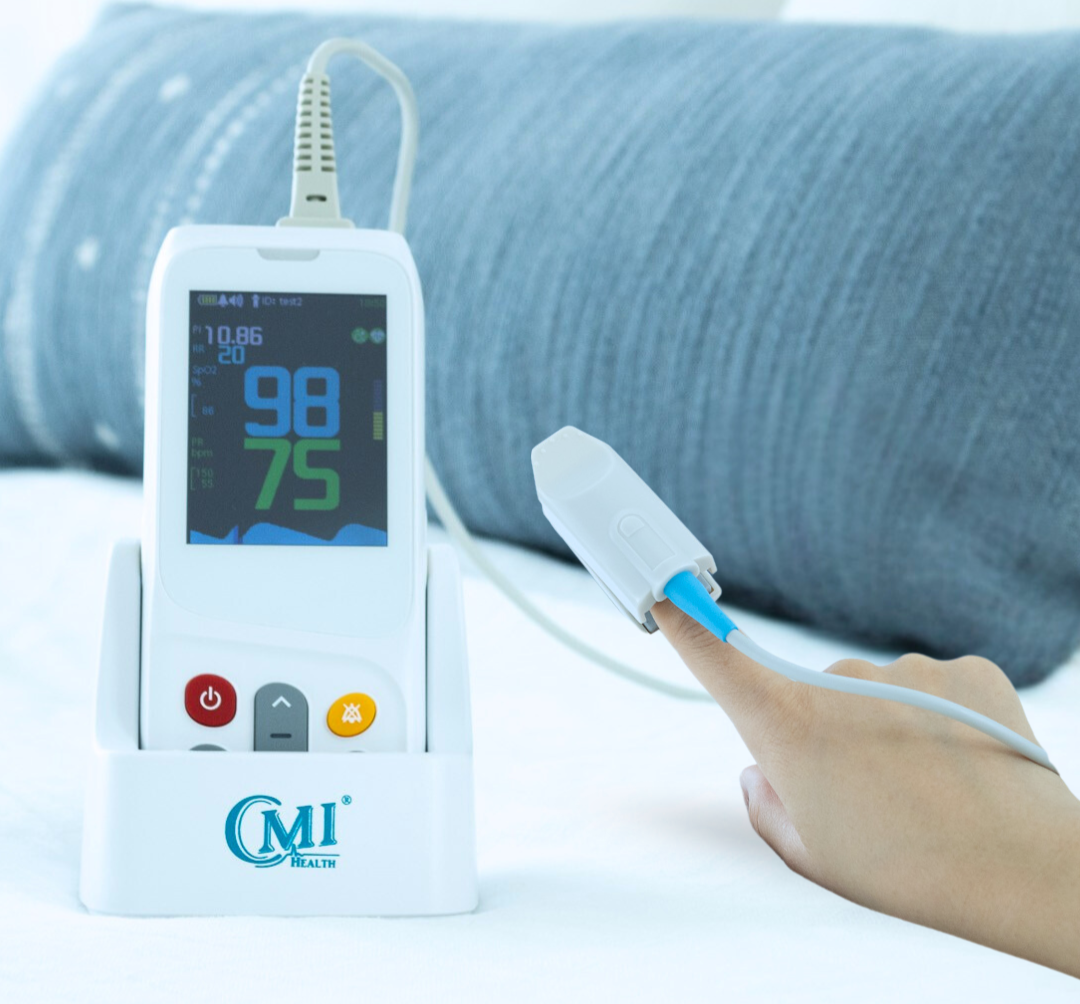
An infant pulse oximeter measures oxygen saturation using sensors placed on a baby's foot, toe, finger, or hand, depending on the design.

Home monitoring may be recommended for babies who:
-
Were born prematurely
-
Have certain heart or lung conditions
-
Are recovering from respiratory illnesses
-
Need temporary oxygen monitoring after hospital discharge
For healthy babies, a pulse oximeter can provide reassurance, but it should not replace medical evaluation when symptoms are present.
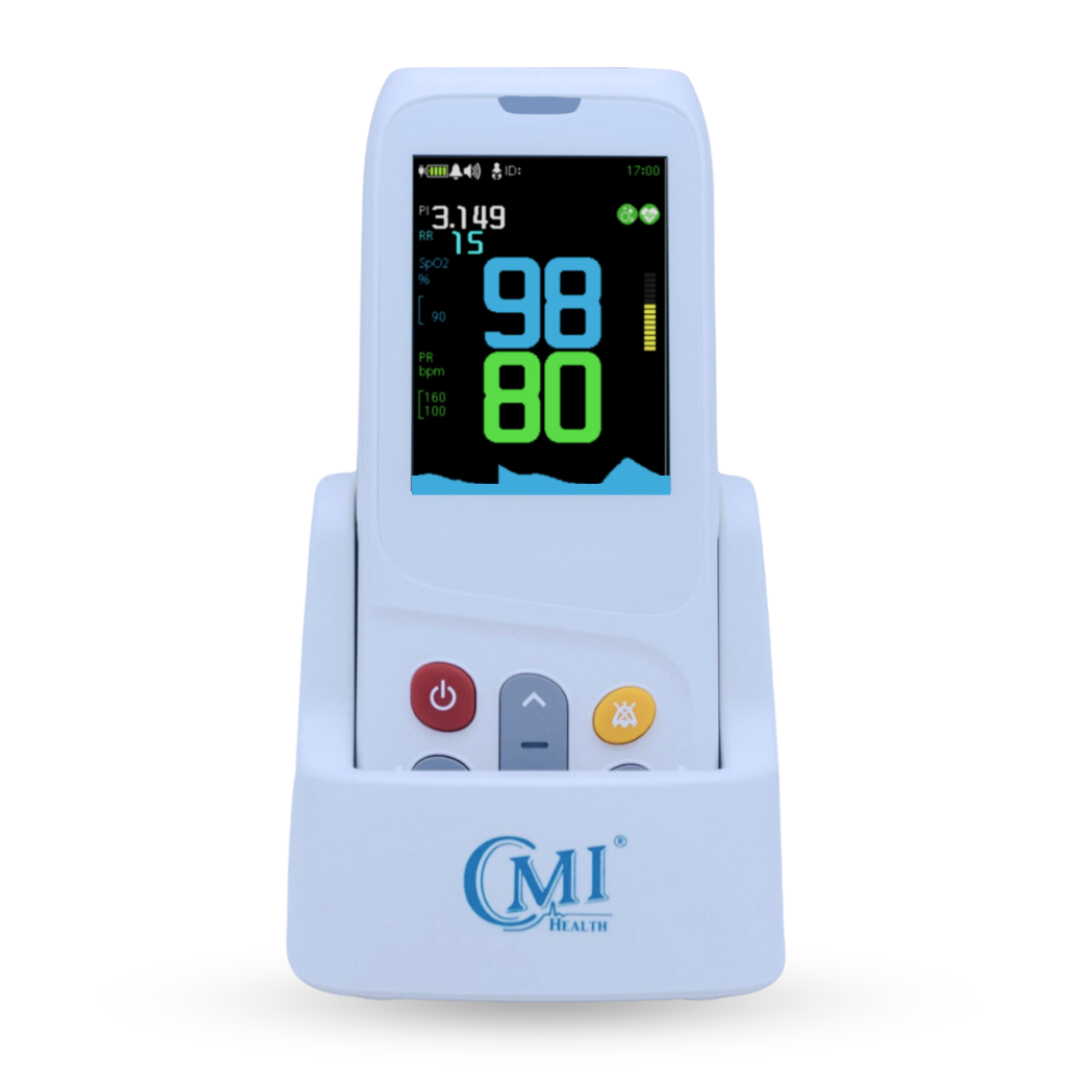
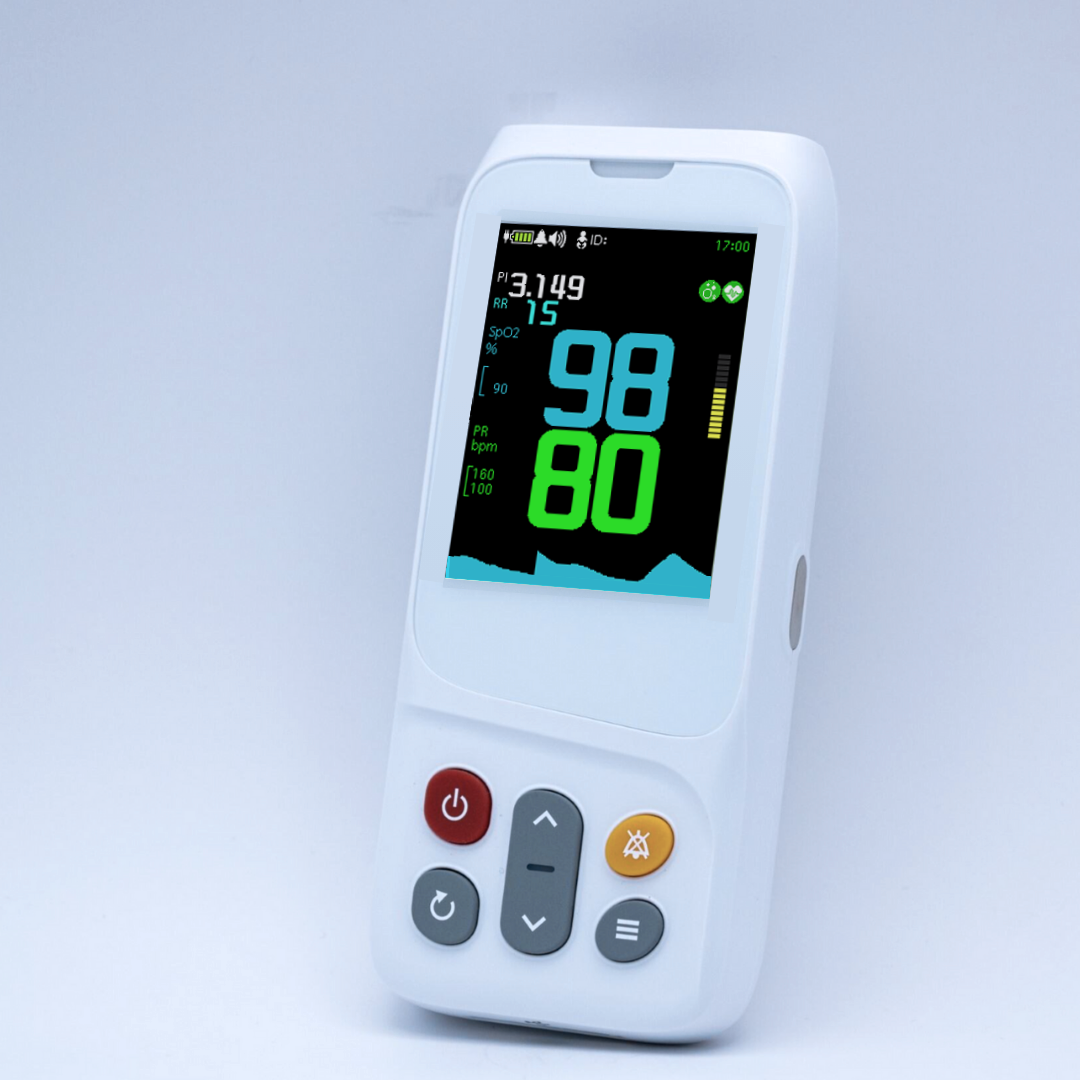
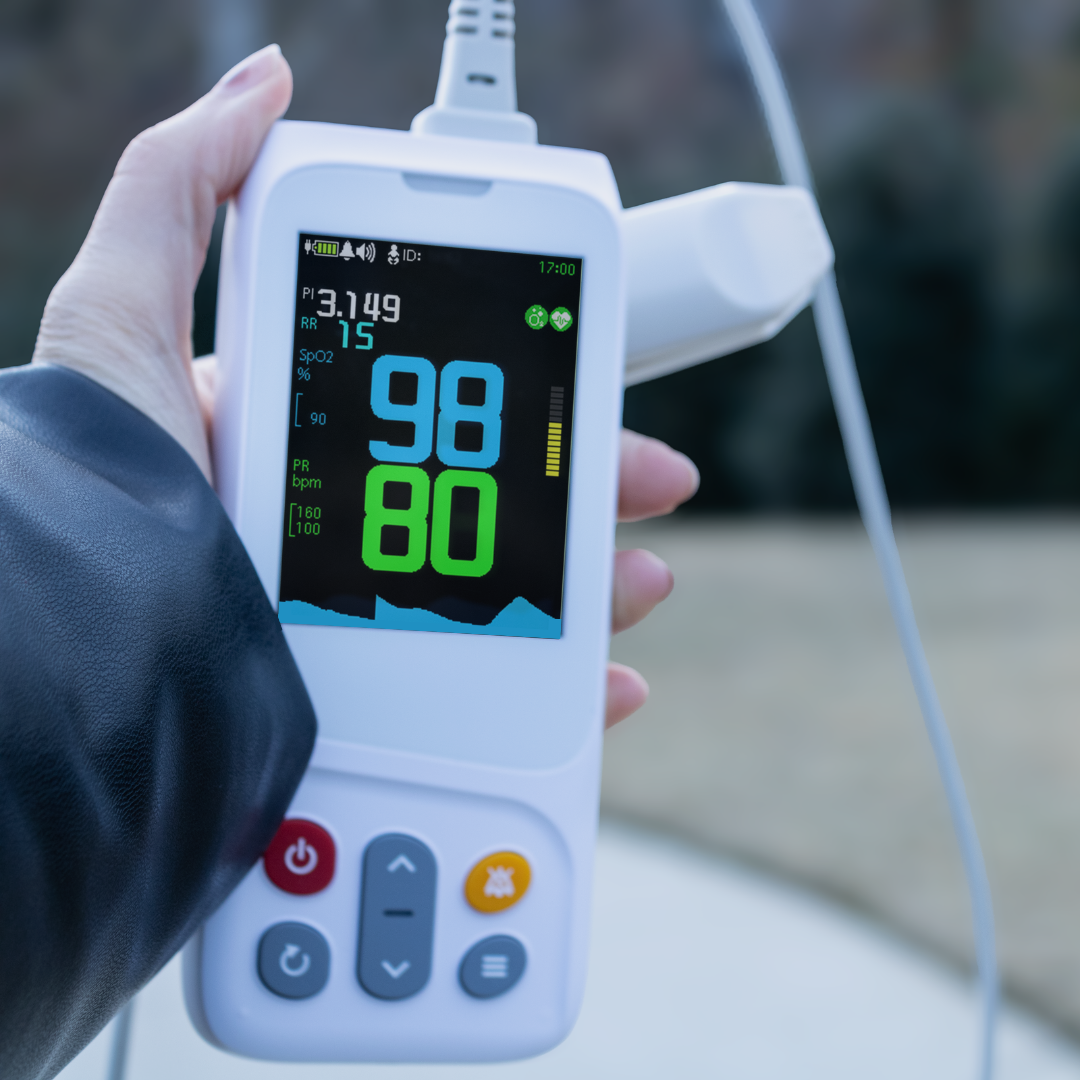
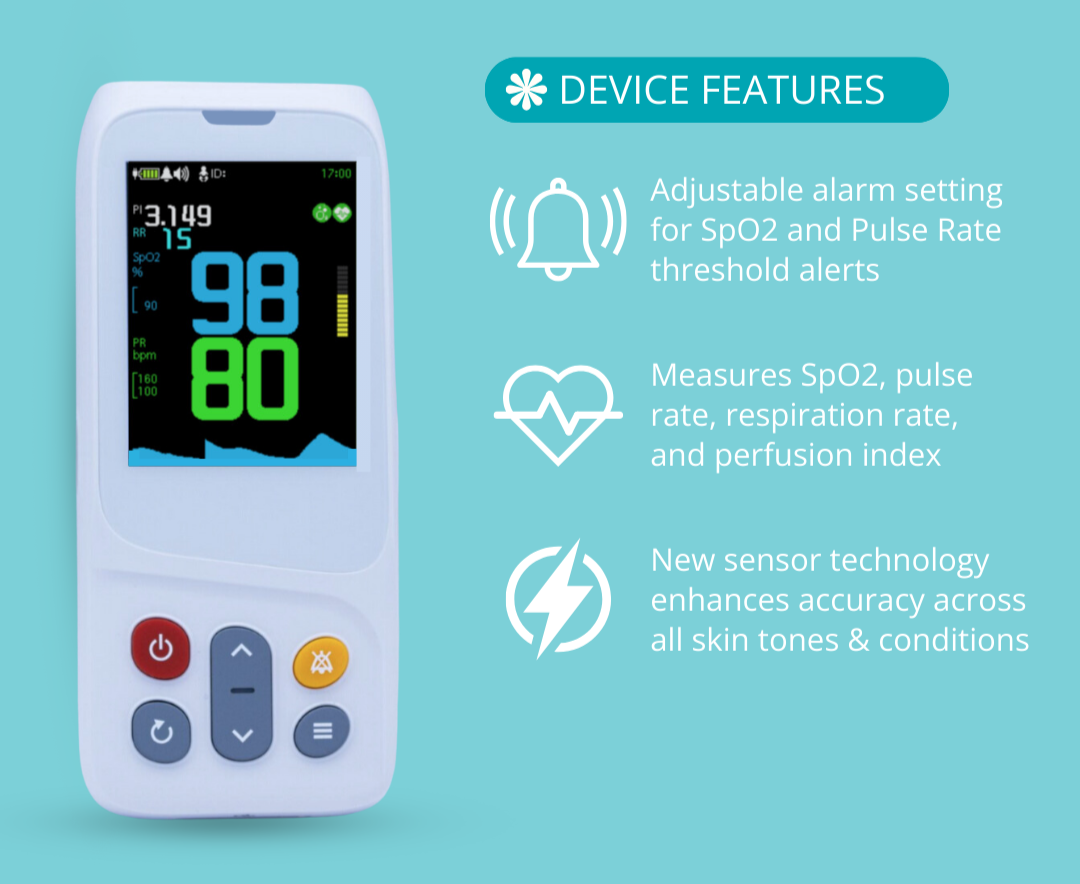
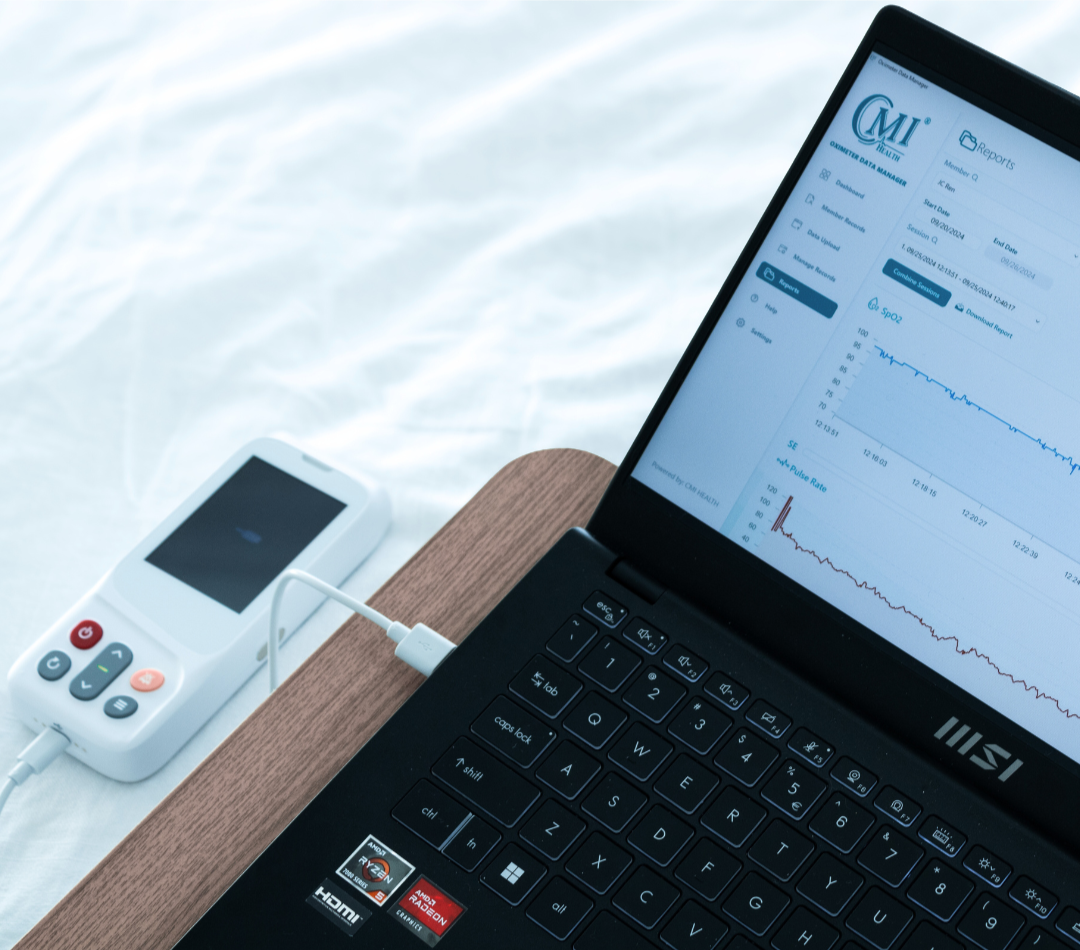
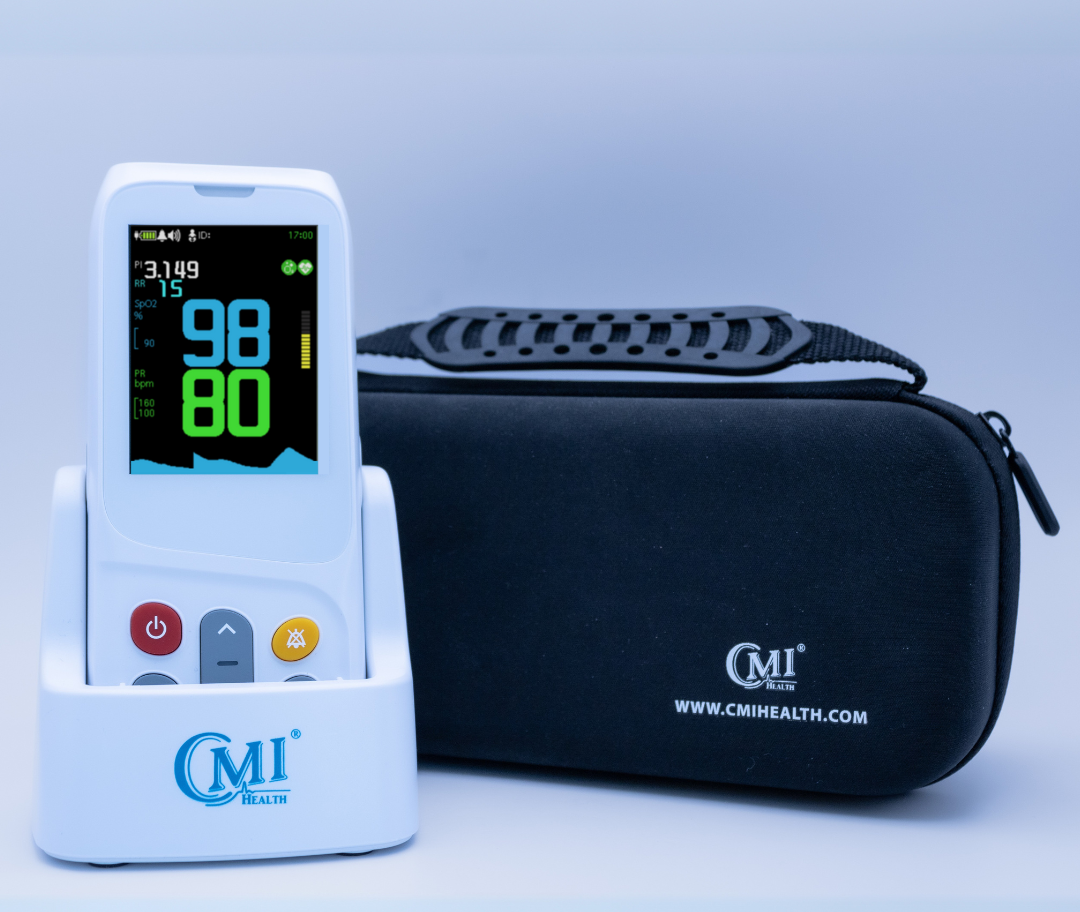
One of the most important factors when choosing a pulse oximeter is using equipment designed for pediatric patients. CMI Health offers pediatric monitoring solutions designed to provide a comfortable fit for infants and young children.
Looking for a pulse oximeter designed for younger patients? Read our guide to choosing the best pediatric pulse oximeter for infants and children.
How to Get an Accurate Oxygen Reading From Your Baby
Obtaining a reliable reading can sometimes be challenging because babies move frequently.
To improve accuracy:
-
Keep your baby as calm and still as possible.
-
Use the correct sensor size for your child's age.
-
Make sure hands or feet are warm.
-
Follow the manufacturer's placement instructions.
-
Wait for the reading to stabilize.
-
Take multiple readings if results seem unusual.

Rather than focusing on one isolated measurement, look for consistent patterns over time.
How Oxygen Levels Change as Children Grow
While healthy babies, children, and adults generally maintain similar oxygen saturation levels, monitoring methods and equipment may differ depending on age.
If you're interested in understanding oxygen levels across different age groups, including older children and adults, see our guide to Normal Oxygen Levels by Age.
Frequently Asked Questions
What is a normal oxygen level for a baby?
For most healthy babies and infants, oxygen saturation levels between 95% and 100% are generally considered normal.
Are newborn oxygen levels different from older babies?
Immediately after birth, oxygen levels gradually rise as newborns transition to breathing air independently. After this adjustment period, healthy infants typically maintain oxygen levels similar to older children.
What oxygen level is too low for a baby?
Parents should contact a healthcare provider if oxygen saturation remains below 92%. Readings below 90% typically require immediate medical attention.
Can I use a regular pulse oximeter on an infant?
Many standard fingertip pulse oximeters are not designed for newborns or young infants. Pediatric-specific sensors are often recommended for improved accuracy.
How accurate are infant pulse oximeters?
Accuracy depends on proper sizing, correct placement, movement, circulation, and device quality. Following manufacturer instructions helps improve reliability.
Can a baby have a normal oxygen level and still be sick?
Yes. Oxygen saturation is only one part of a baby's overall health. Parents should also pay attention to symptoms such as breathing difficulty, feeding problems, unusual sleepiness, and changes in behavior. If you're concerned about your baby, contact a healthcare provider.
Final Thoughts
Understanding normal oxygen levels for babies can help parents better understand what a pulse oximeter reading means and when it may be time to contact a healthcare provider.
For most infants, oxygen saturation levels between 95% and 100% are considered normal. However, oxygen readings should always be viewed alongside symptoms, behavior, and guidance from a healthcare provider.
If you're using an infant pulse oximeter at home, focus on trends over time, ensure proper sensor placement, and seek medical advice whenever readings or symptoms raise concerns.
Need a pediatric pulse oximeter?
Explore CMI Health's pediatric oxygen monitoring solutions designed for infants and children.



Leave a comment