



Wake Windows and Safe Sleep: What to Watch For As Your Baby's Schedule Changes

Your baby's sleep schedule can change quickly during the first year. One week, it may seem like your newborn barely stays awake between feeding and diaper changes. A few months later, your baby may be happily playing for hours before showing signs that it's time for another nap.
Understanding baby wake windows can give you a helpful framework for navigating these changes. But the clock is only one factor. Your baby's individual sleep cues matter, too. And while wake windows can help you anticipate when your baby may be ready for sleep, safe sleep practices remain important for every nap and bedtime.
Quick Answer: What Are Baby Wake Windows?
A wake window is the amount of time your baby is awake between periods of sleep. It starts when your baby wakes up and ends when they fall asleep again.
Wake windows generally get longer as babies grow. Newborn wake windows may be only 30 minutes to an hour, while babies approaching their first birthday may comfortably stay awake for several hours at a time. These ranges are best treated as flexible guidelines rather than strict schedules.
Why Do Baby Wake Windows Matter?
Wake windows can give you a general idea of when your baby may be ready for another nap or bedtime, especially as their sleep schedule changes. But there isn't one exact wake window that's right for every baby.
Think of them as a range to watch rather than a countdown you have to follow exactly.
Baby Wake Windows by Age
Wake windows tend to lengthen throughout the first year as babies develop and their sleep patterns change. However, there isn't one exact schedule that works for every baby. Cleveland Clinic pediatrician Kristin Barrett, MD, notes that wake windows can vary from one baby to another, and even from one day or nap to the next.
The following age-based ranges can provide a general starting point:

Wake Windows or Sleepy Cues: Which Should You Follow?
Use both. A wake window gives you a general timeframe for when your baby may become tired, while sleepy cues can help you recognize when your individual baby may actually be ready for sleep.
Common sleepy cues may include:
- Yawning
- Rubbing their eyes or face
- Blinking more frequently
- Staring off
- Becoming quieter or less active
Cleveland Clinic recommends becoming familiar with your baby's individual sleepy signals and considering those cues alongside their typical wake-window pattern.
To get a clearer picture of your baby's routine, note when they wake, when sleepy cues begin, and when they fall asleep. Over time, you may start to recognize patterns without trying to make every nap conform to an exact schedule.
Wake Windows Change. Safe Sleep Recommendations Don't.
Wake windows help you think about when your baby may be ready to sleep. Safe sleep recommendations address how and where your baby sleeps.
According to the American Academy of Pediatrics (AAP), babies should be placed on their backs for sleep on a firm, flat, non-inclined sleep surface. The sleep area should be kept free of loose bedding, pillows, blankets, bumper pads, stuffed toys, and other soft objects.
The AAP also recommends room-sharing without bed-sharing for at least the first six months. These recommendations apply to naps as well as nighttime sleep.

Changing sleep schedules can also mean your baby occasionally falls asleep somewhere you weren't expecting. If your baby falls asleep in a car seat, stroller, swing, infant carrier, or sling, the AAP recommends moving them to a firm, non-inclined sleep surface as soon as possible.
Recognizing when sleep may be approaching can give you time to transition your baby to an appropriate sleep space.

What About Monitoring While Your Baby Sleeps?
Some parents may also monitor certain health measurements while their baby sleeps, particularly when a healthcare professional has recommended doing so.
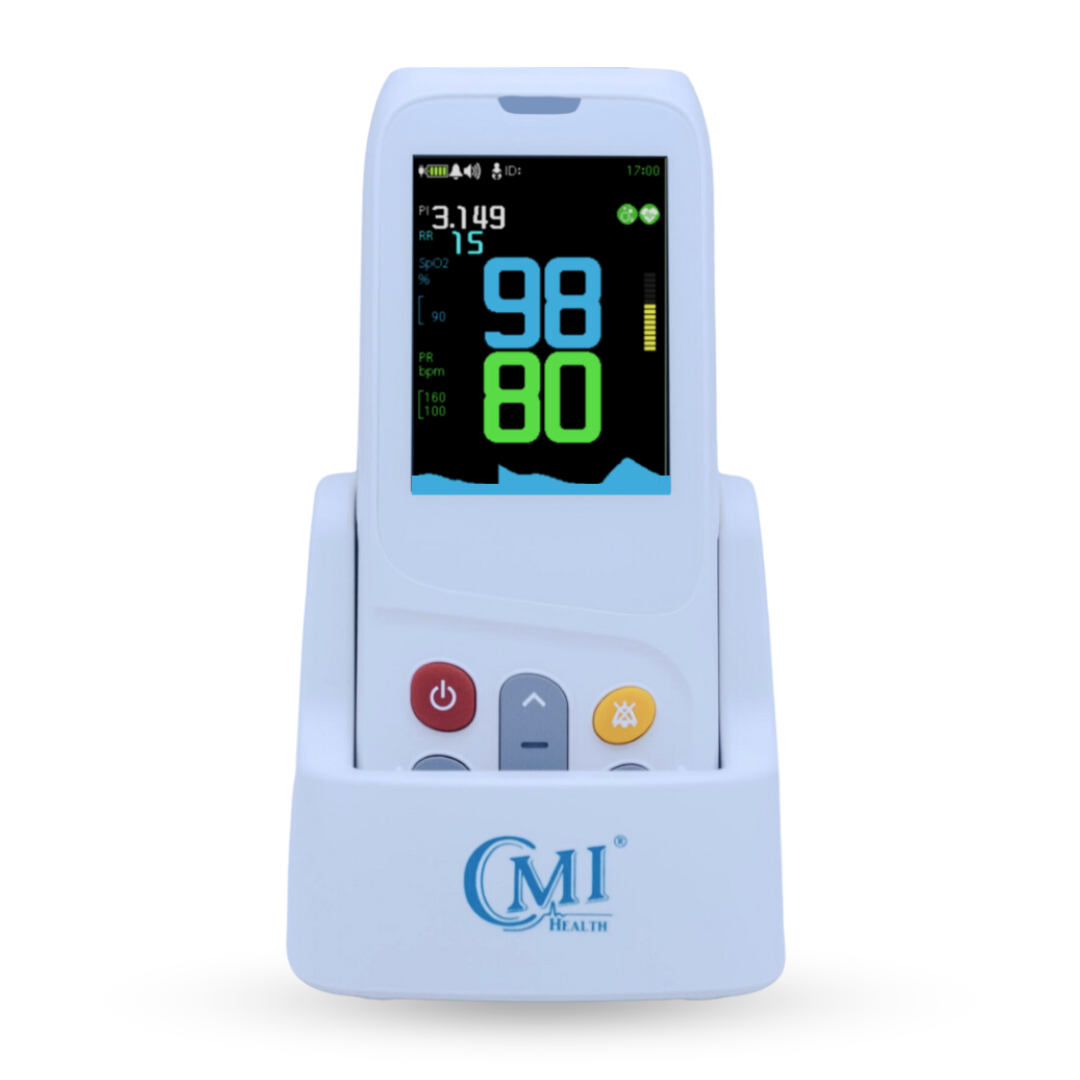
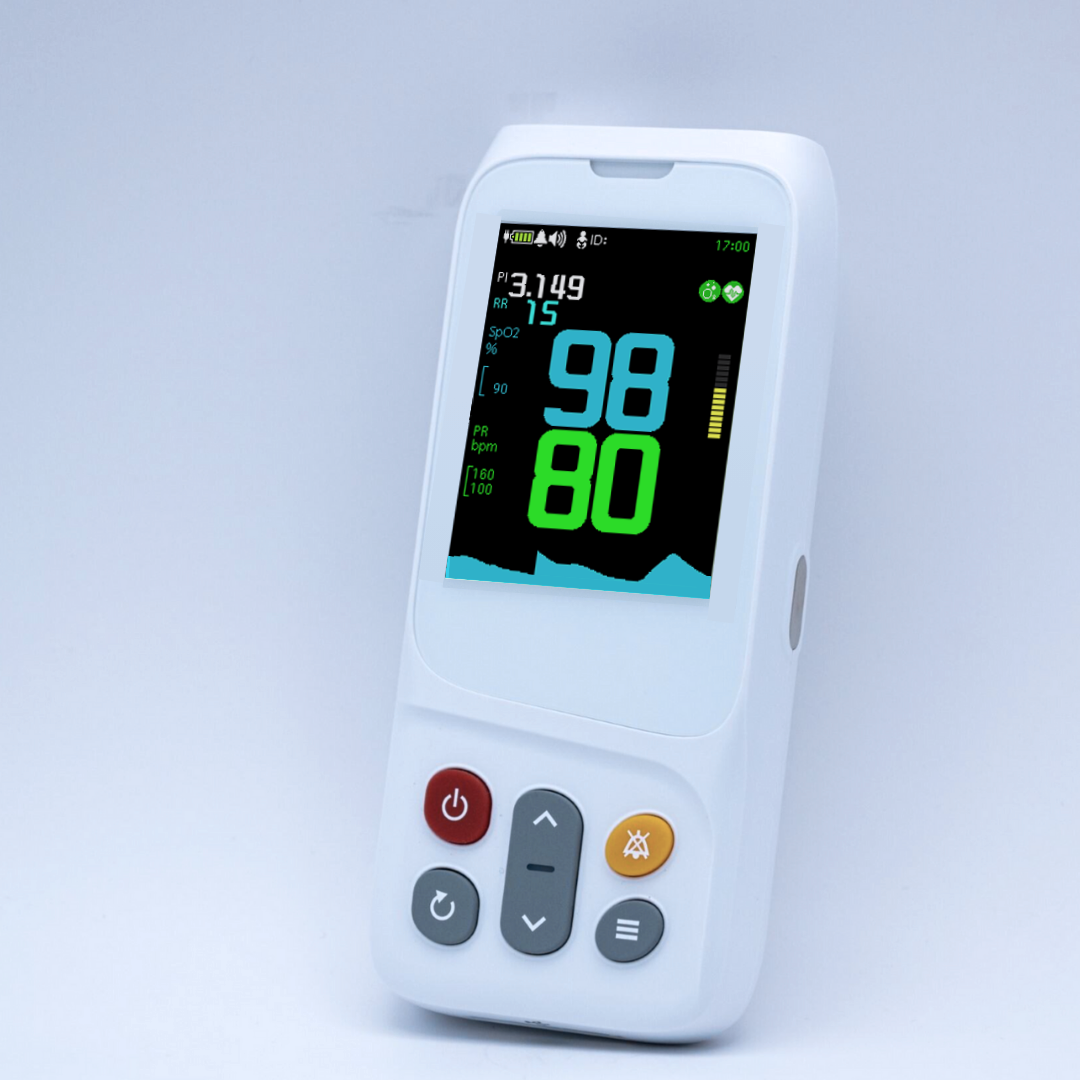
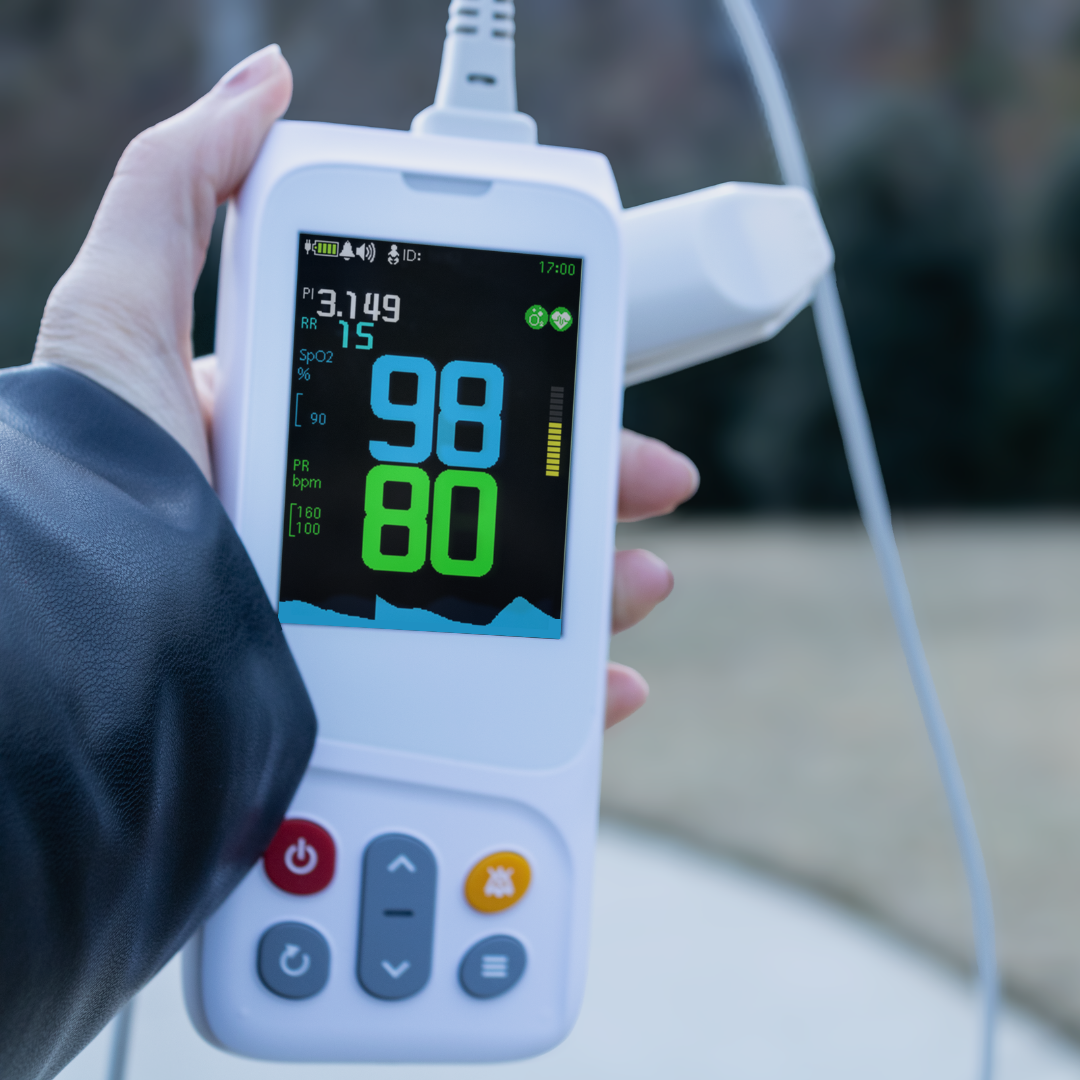
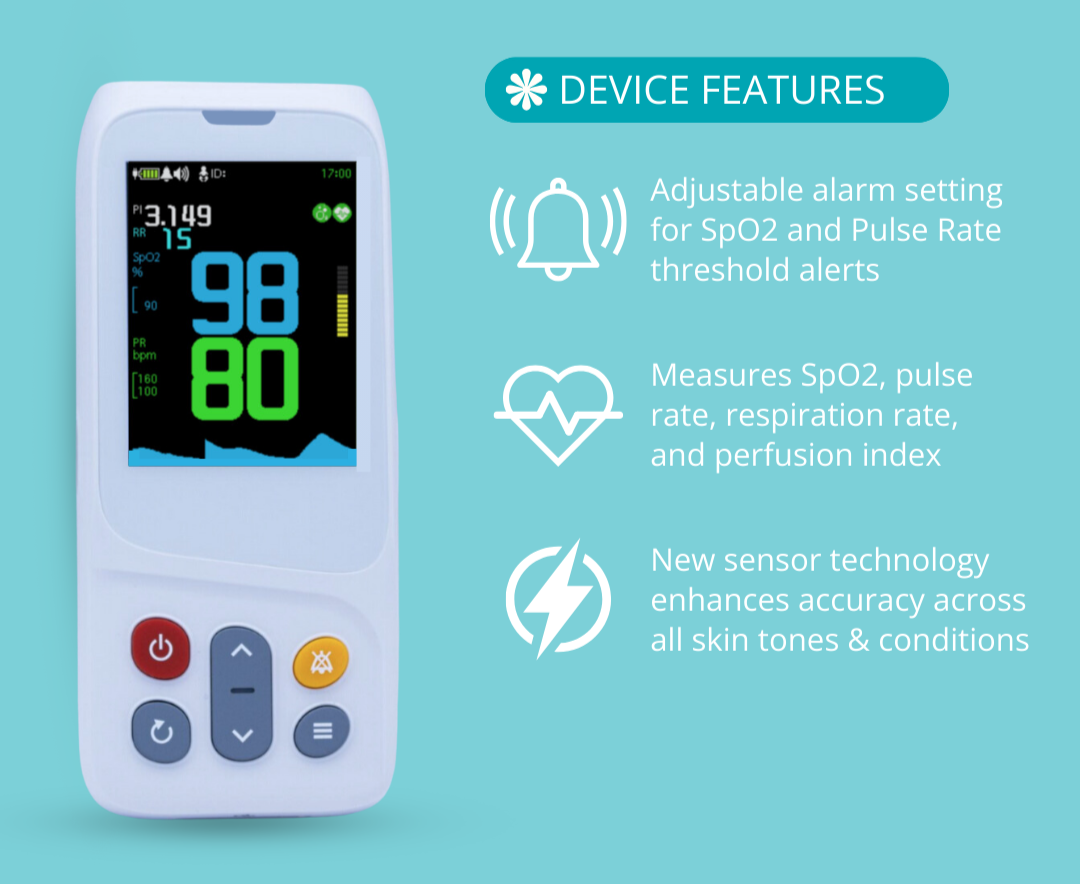
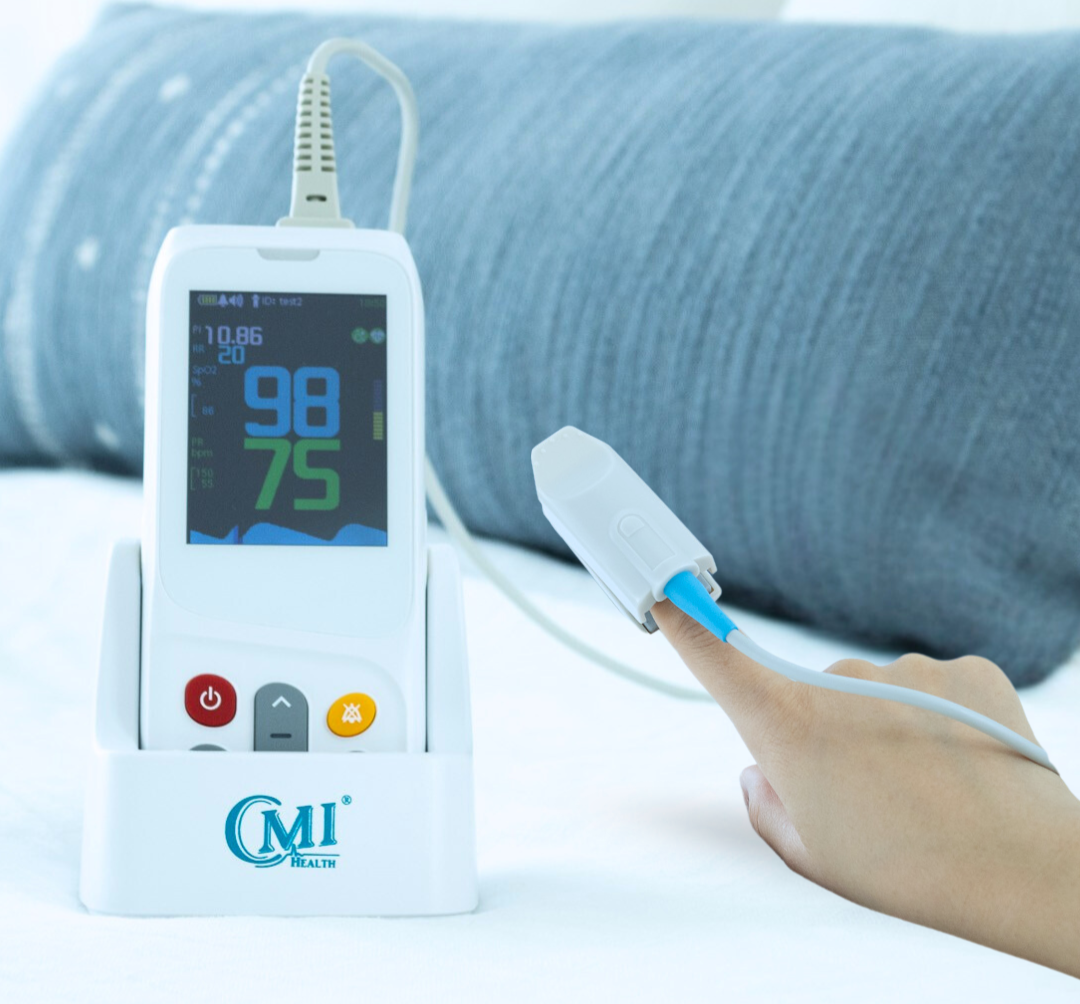
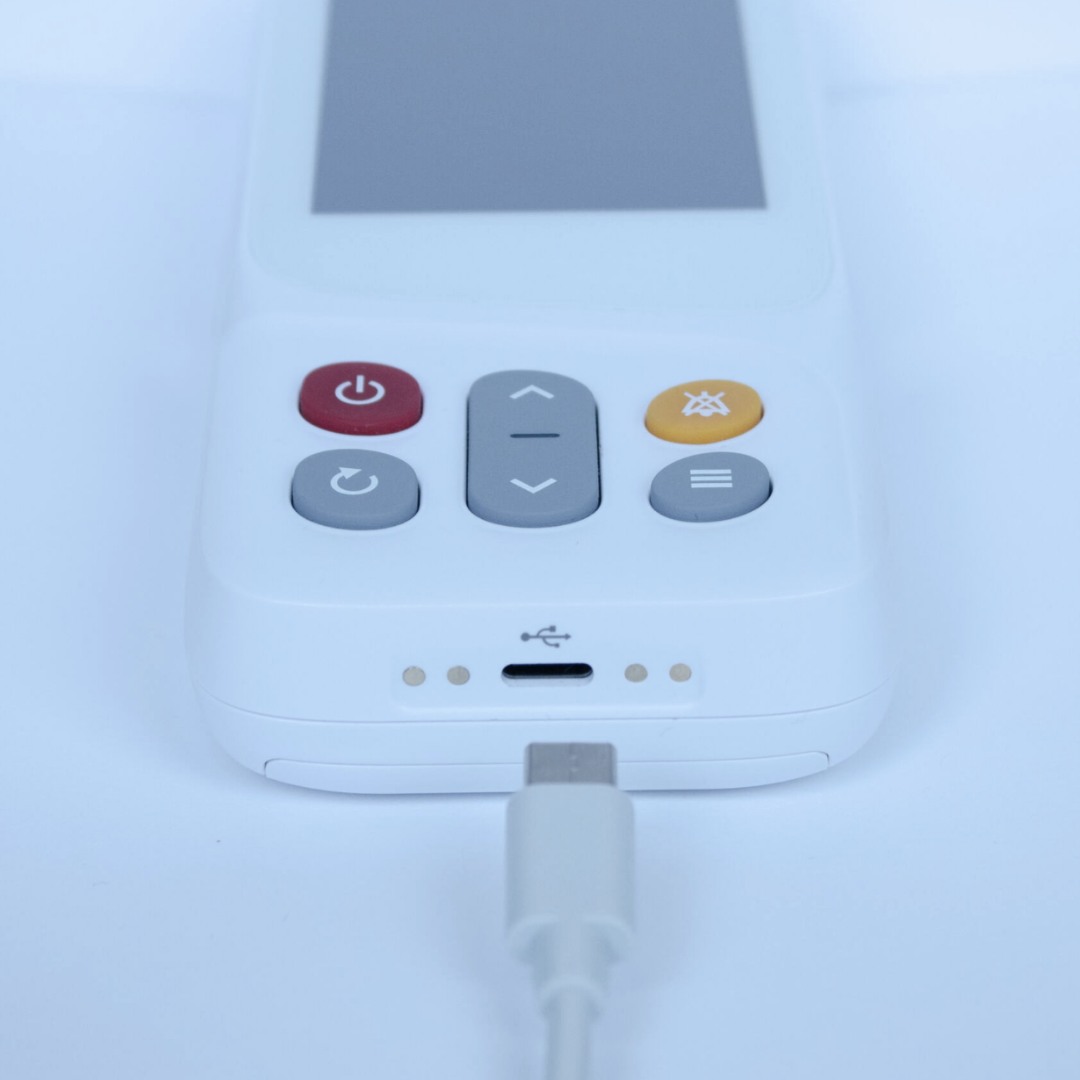
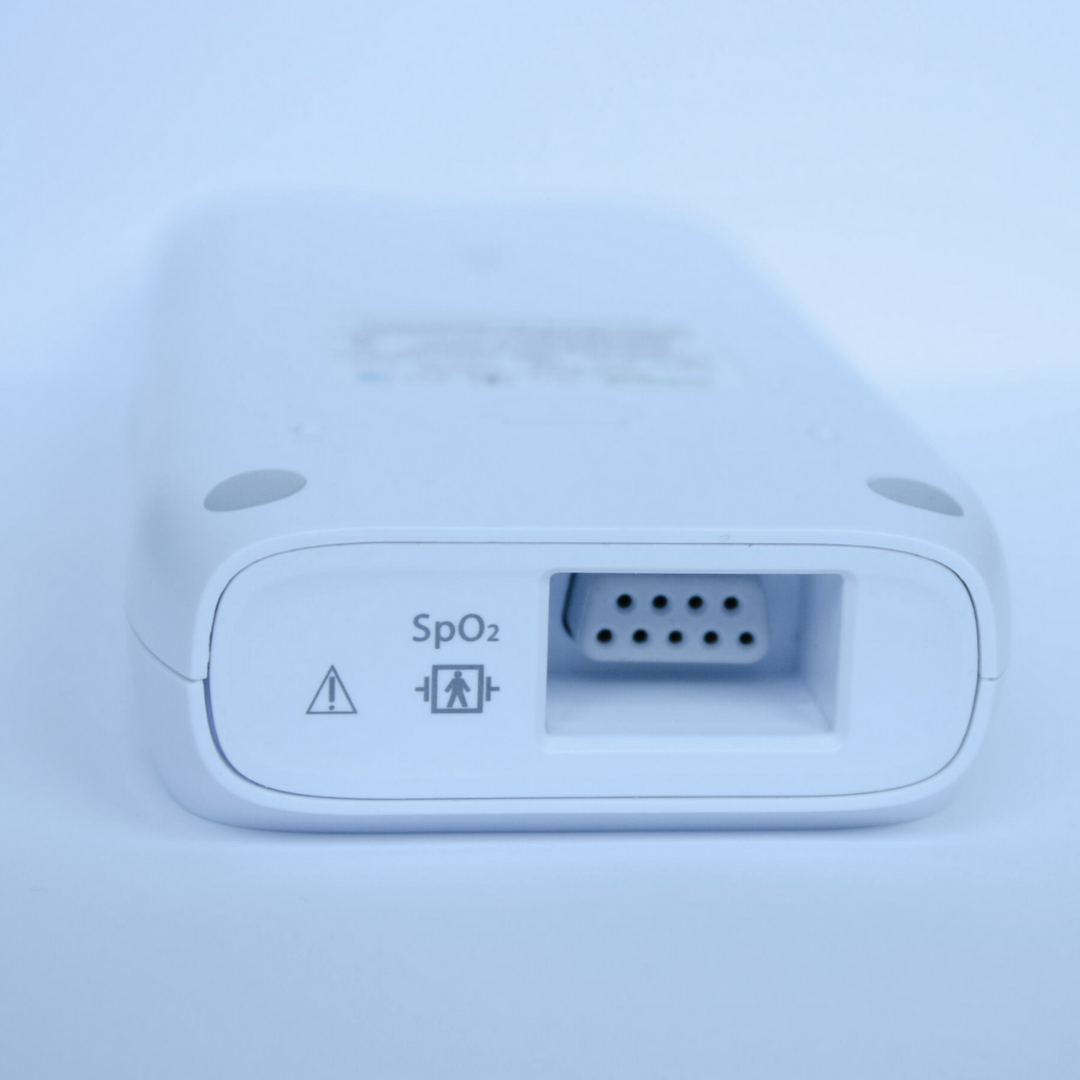
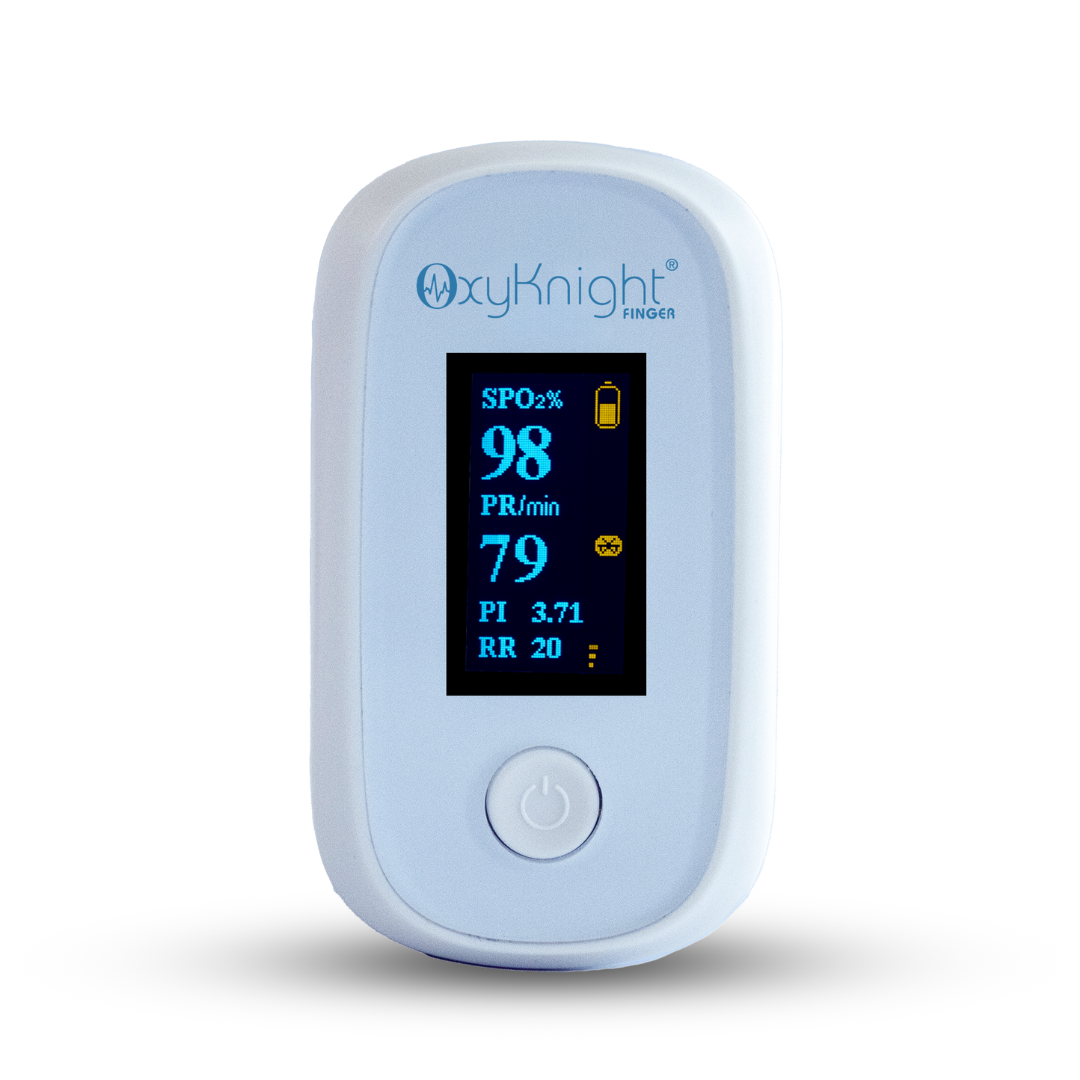
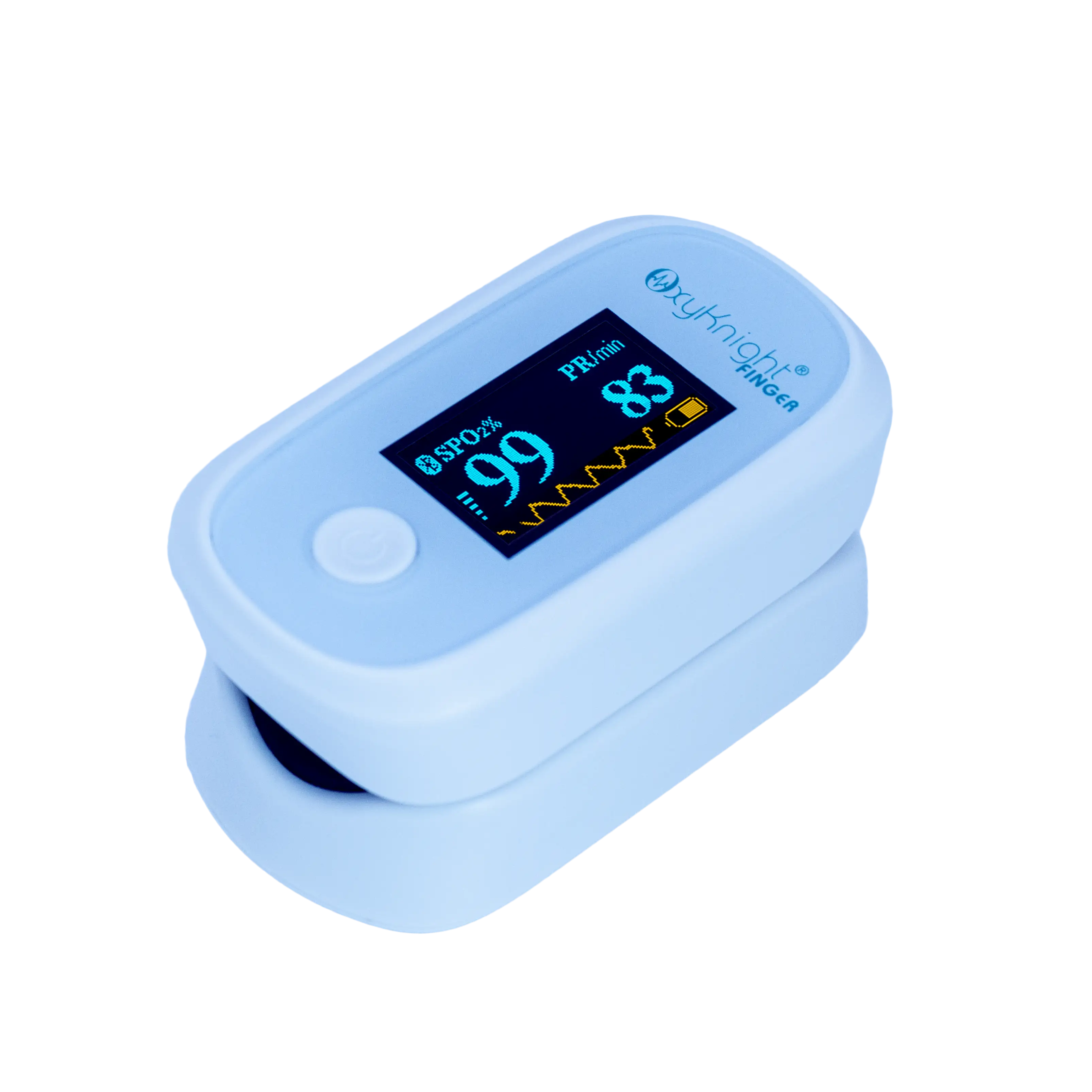
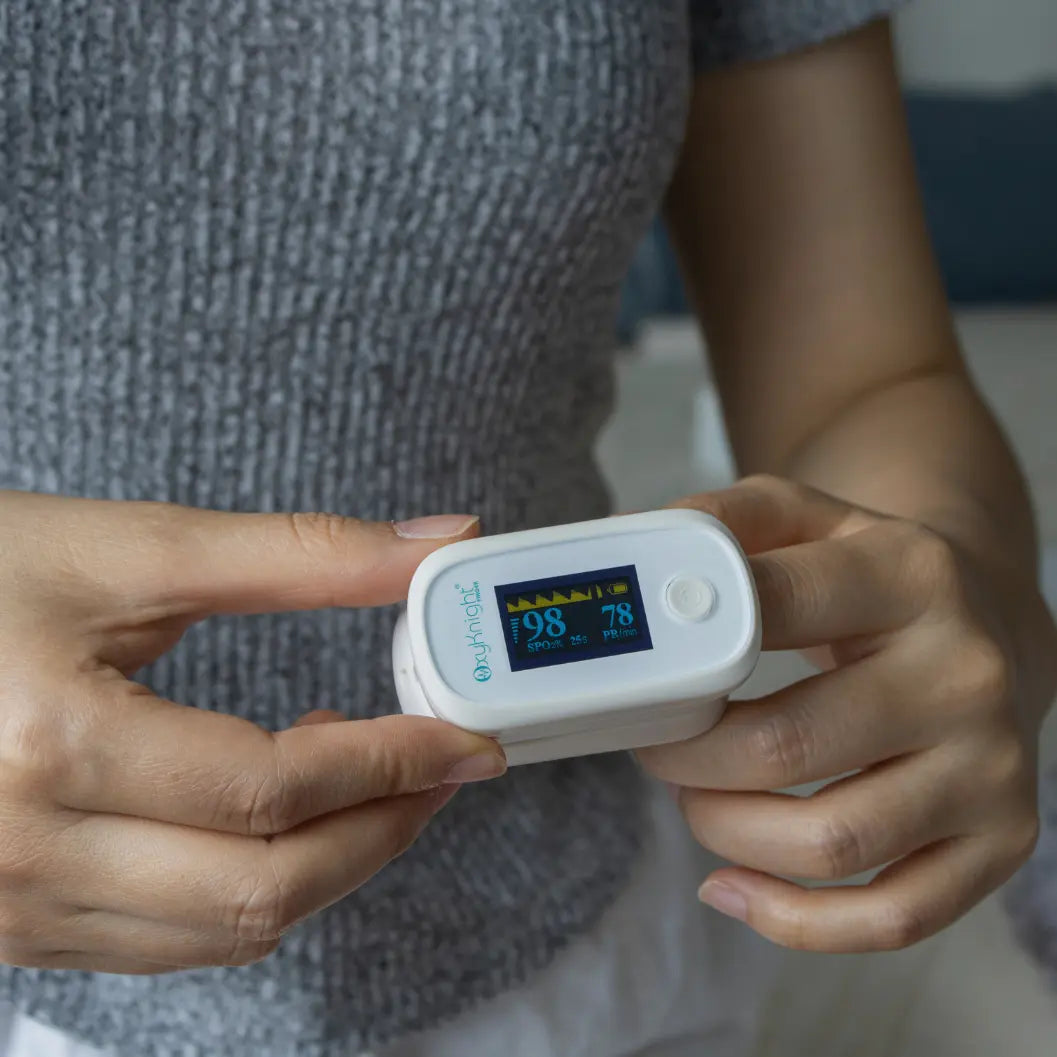
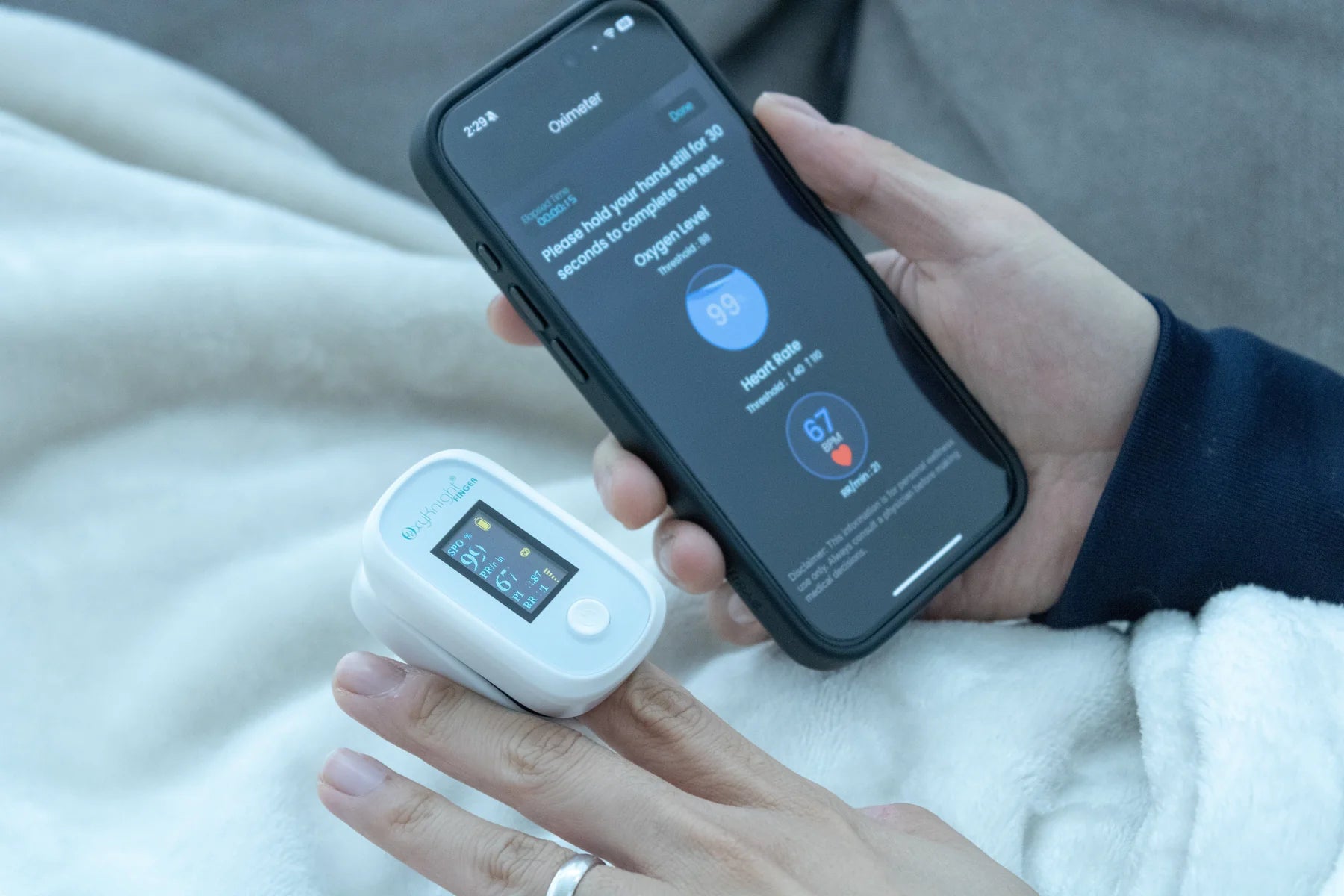
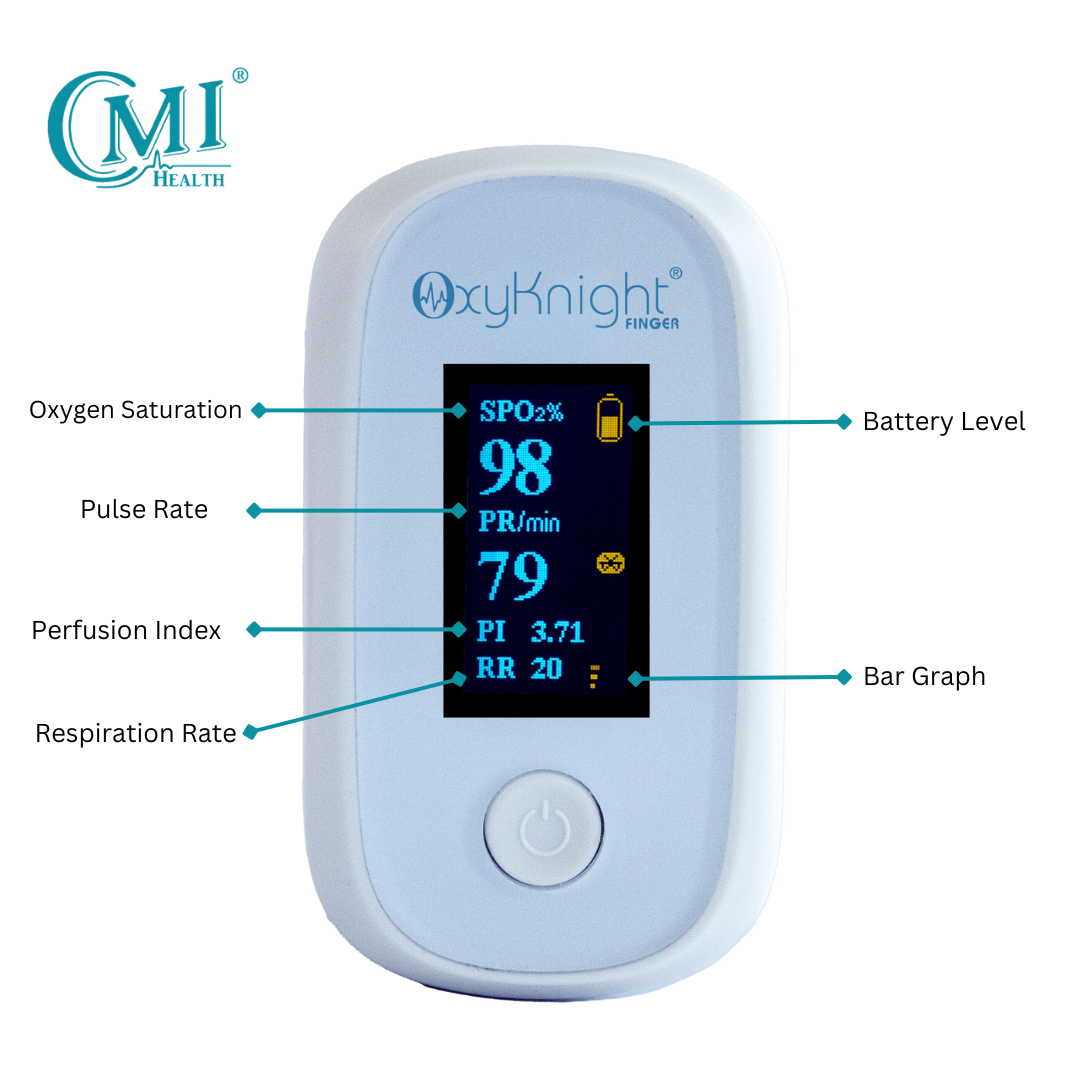
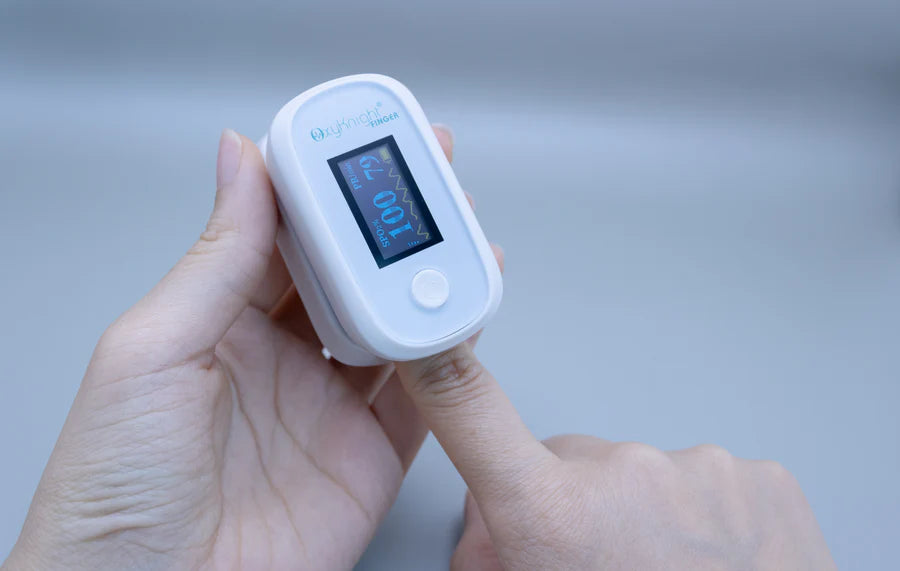
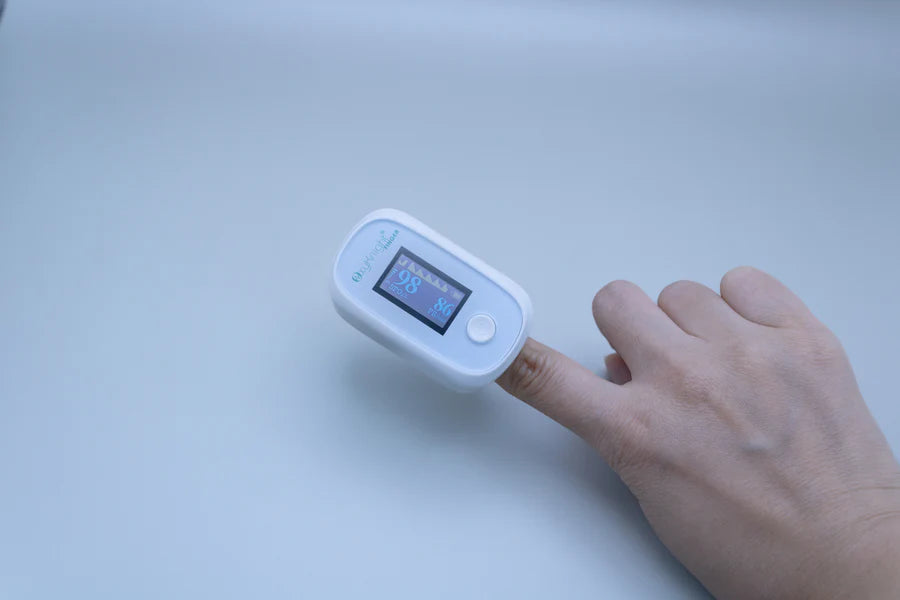
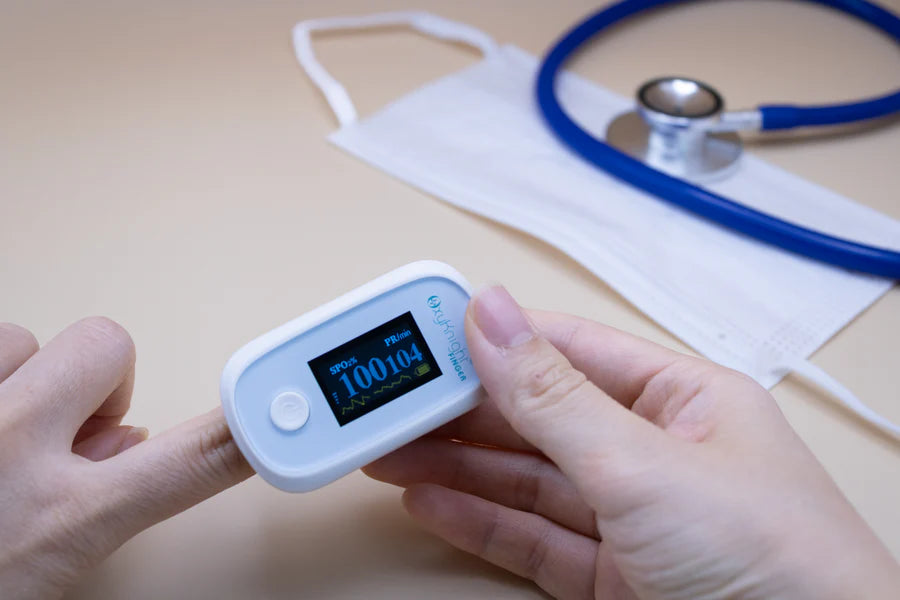
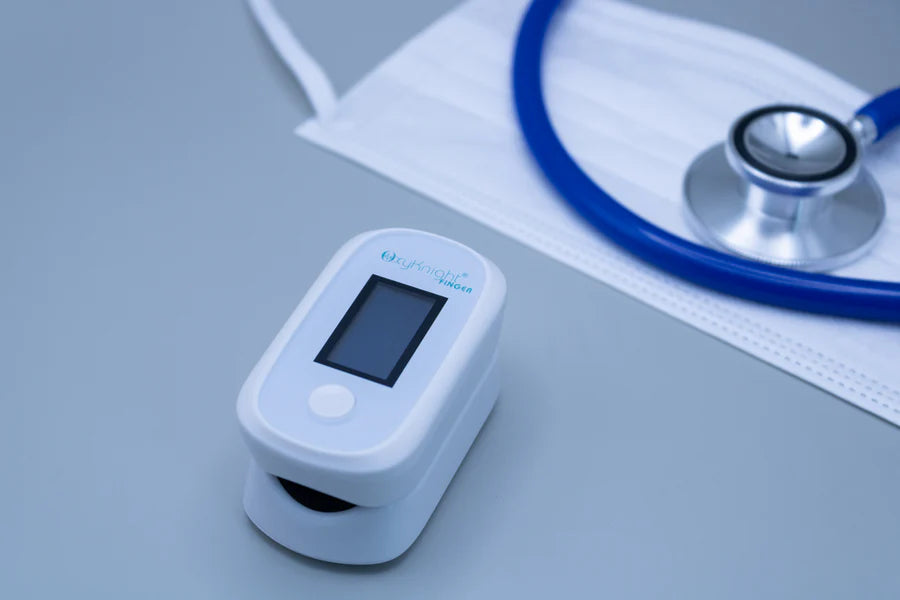
A pulse oximeter measures blood oxygen saturation (SpO₂) and pulse rate. When monitoring an infant, it's important to choose a pediatric pulse oximeter and sensor setup appropriate for smaller patients.
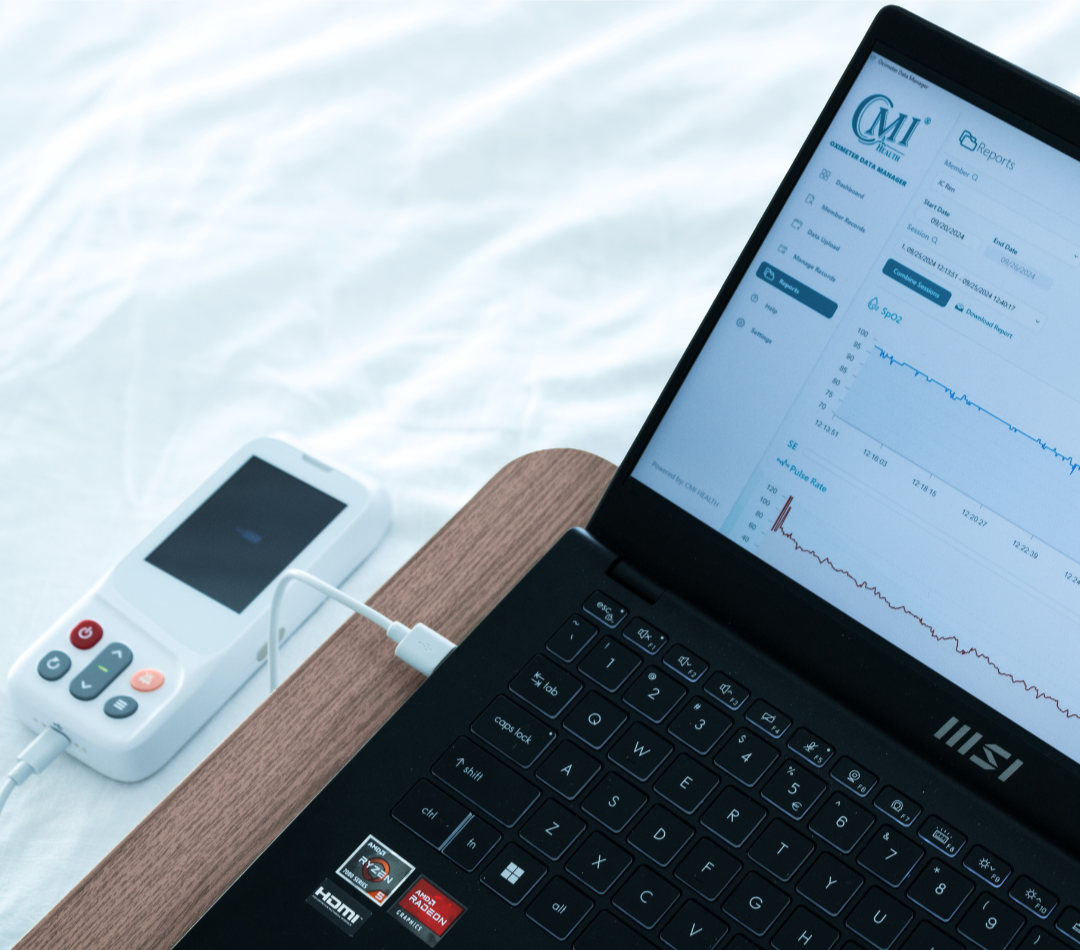
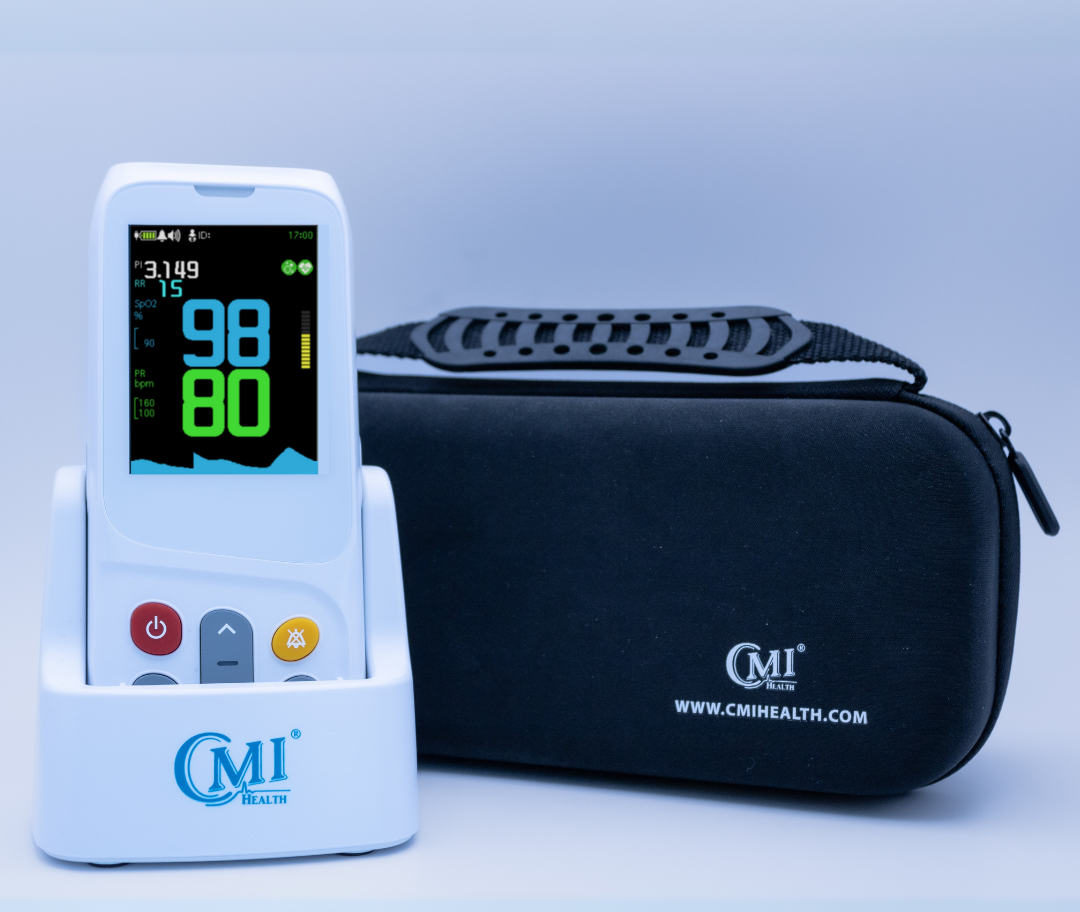
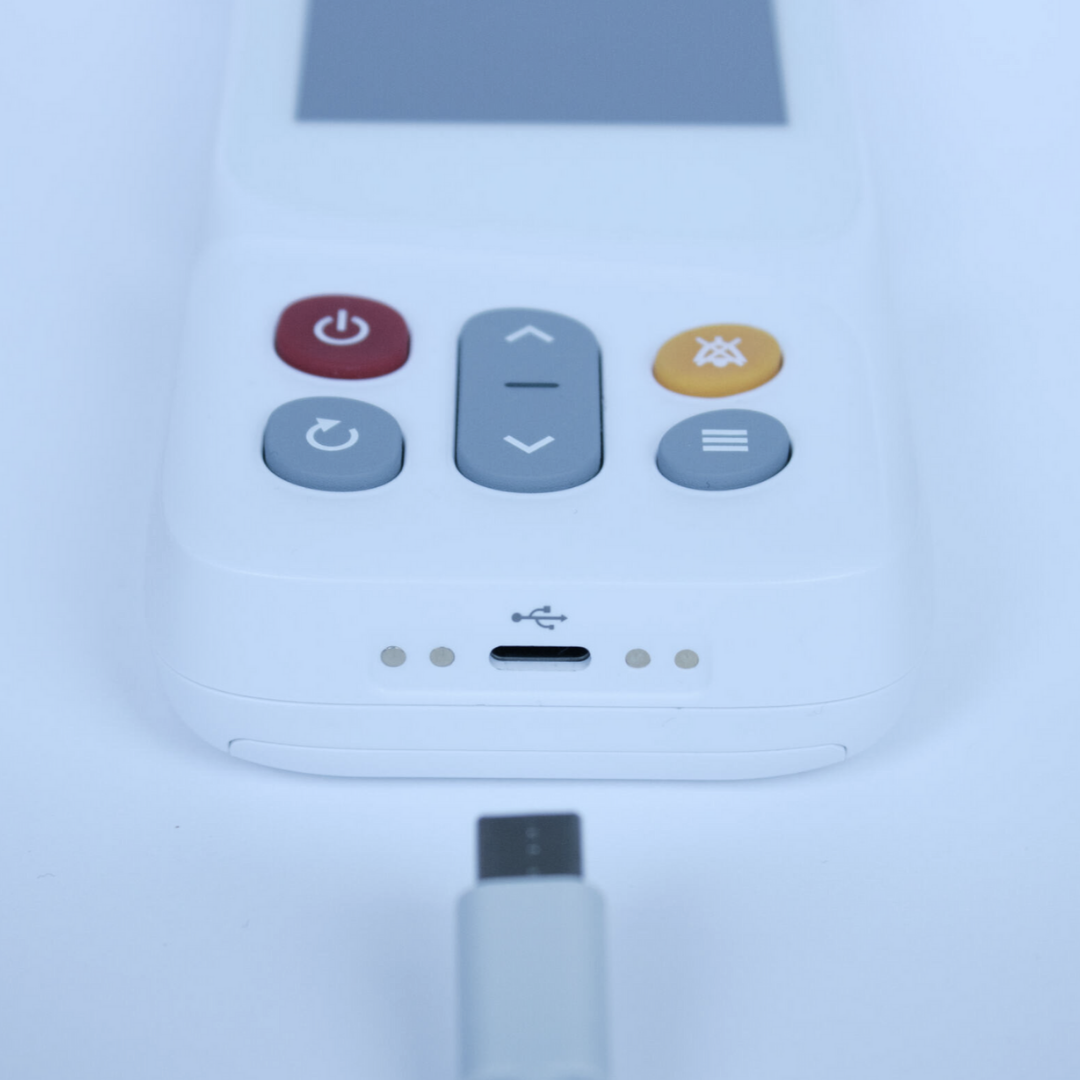
CMI Health's Infant Foot Wrap Sensor #72 pairs with the PC-66 Handheld Pulse Oximeter and is designed for infants and toddlers under 25 pounds and up to 18 months old. The foot-wrap sensor supports continuous SpO₂ and pulse-rate monitoring using a sensor designed for smaller patients.
Monitoring and safe sleep serve different purposes. A pulse oximeter does not replace recommended safe sleep practices. If your baby's healthcare provider has recommended monitoring, follow their instructions about when to monitor, what readings to watch, and when to seek medical care.
The Takeaway: Use Wake Windows as a Guide, Not a Rule
Baby wake windows can help you anticipate when your baby may be ready for their next nap or bedtime, but they don't need to dictate every minute of the day.
Use age-based ranges as a starting point, pay attention to your baby's individual sleepy cues, and continue following safe sleep recommendations for every nap and nighttime sleep.
In simple terms, wake windows can help you decide when to offer sleep, while safe sleep recommendations guide how and where that sleep should happen.
Frequently Asked Questions About Baby Wake Windows
What is a wake window for a baby?
A wake window is the period of time your baby is awake between periods of sleep. It begins when your baby wakes up and helps you estimate when they may be ready for their next nap or bedtime.
How long should my baby's wake window be?
Wake windows vary by age and by baby. Your baby's wake window will generally become longer as they grow. Newborns may stay awake for only about 30 minutes to an hour at a time, while babies approaching 12 months may stay awake for several hours. Age-based ranges are best treated as general guidelines rather than strict schedules.
Do wake windows include feeding?
Yes. A wake window begins when your baby wakes up, so feeding, diaper changes, play, and other activities that occur while your baby is awake are part of the wake window.
Should I follow wake windows or sleepy cues?
Use both. Wake windows provide a general timeframe for when your baby may become tired, while sleepy cues can help you recognize when your individual baby may actually be ready for sleep.
Do wake windows affect safe sleep recommendations?
No. Safe sleep recommendations remain the same regardless of your baby's wake window or nap schedule. Babies should be placed on their backs for sleep on a firm, flat, non-inclined sleep surface, with soft objects and loose bedding kept out of the sleep area.





Leave a comment