



Flu in Newborns: Symptoms, What to Expect, and When to Call the Doctor

Quick Answer: What Are the Flu Symptoms in Newborns?
According to the Centers for Disease Control and Prevention (CDC), flu symptoms can include fever, cough, a runny or stuffy nose, fatigue, and sometimes vomiting or diarrhea in children. In newborns and infants, parents may also notice changes such as unusual tiredness, fussiness, or feeding changes. Not every baby with influenza will develop a fever, and symptoms alone can't confirm that your baby has the flu.
Because very young babies have a higher risk of complications, contact your pediatrician if you think your newborn or infant may have the flu or if you're concerned about changes in their breathing, feeding, alertness, or overall condition.

Unlike an older child who can tell you they have a headache, chills, or body aches, a baby may show illness through changes in feeding, sleep, behavior, or breathing. That can make it harder to know what you're seeing and when to be concerned.
Influenza deserves particular attention in the first months of life. Infants younger than 6 months have the highest rates of flu-related hospitalization among children and are too young to receive a flu vaccine themselves. Here's what to watch for as your baby grows, which warning signs need medical attention, and what may be helpful to track at home.
What Does the Flu Look Like in a Newborn or Baby?
Influenza, or flu, is a contagious respiratory illness caused by influenza viruses. While an older child or adult may be able to describe a headache, chills, body aches, or fatigue, a baby can't tell you how they feel.
Instead, parents may notice changes in their baby's usual behavior and routines, such as feeding less than usual, sleeping more, becoming fussier, or developing respiratory symptoms like coughing or congestion.

Not every baby with influenza will have all of these symptoms, and some babies with flu may not develop a fever. These signs also overlap with other respiratory illnesses, so symptoms alone can't confirm influenza. If you're concerned about your baby's symptoms or overall condition, contact your pediatrician.
Flu Symptoms by Baby's Age
Although parents often search for terms such as "flu symptoms in newborns" or "flu symptoms in a 3-month-old," influenza doesn't necessarily produce a completely different set of symptoms at each month of age.
What does change is how cautious parents and health care providers need to be based on the baby's age.

The CDC considers children younger than 2 at increased risk for serious flu complications, with infants younger than 6 months at particularly high risk.
Beyond knowing what to watch for when your baby is sick, creating a comfortable nursery environment can also help you stay mindful of factors like room temperature and humidity as part of your baby's everyday care.
Flu vs. a Cold in Babies: Can You Tell the Difference?
Colds and influenza can share symptoms, including coughing and nasal congestion. In general, flu symptoms tend to begin more abruptly and are more commonly associated with fever, aches, fatigue, and coughing than symptoms of a common cold.
With babies, however, the distinction isn't always obvious. A baby can't describe muscle aches, headaches, or chills, and other respiratory illnesses can cause similar symptoms.
Rather than relying on a cold-versus-flu checklist, contact your pediatrician if you think your infant may have influenza.
What to Expect When Your Baby Has the Flu
There isn't one timeline that every baby with influenza will follow. Your pediatrician can provide guidance based on your baby's age, symptoms, medical history, and overall condition.
As your baby recovers, pay attention to whether their overall condition is improving or worsening. A fever or cough that improves but then returns or gets worse is one of the CDC's warning signs of flu complications in children.
Keeping Track When Your Baby Is Sick
When you're caring for a sick baby, it can be difficult to remember exactly when you took a temperature, how much your baby ate, or when you last changed a wet diaper.
A simple written record can help you see changes over time and give your pediatrician clearer information if you need to call.

When Should You Call the Pediatrician About Flu Symptoms?
The CDC recommends contacting a doctor right away if a child younger than 5 has flu or suspected flu symptoms because young children—especially those younger than 2—have an increased risk of serious complications.
If you think your newborn or infant may have the flu, contact your pediatrician for guidance. You don't need to wait for symptoms to become severe before calling, particularly if you notice changes in feeding, alertness, breathing, or your baby's overall condition.
Emergency Warning Signs of Flu in Babies
Some symptoms require immediate medical attention.
The CDC identifies emergency warning signs in children that include:
- fast breathing or trouble breathing
- bluish lips or face
- ribs pulling in with each breath
- dehydration
- difficulty waking or lack of interaction while awake
- seizures
- fever or cough that improves but then returns or worsens
- any fever in a baby younger than 12 weeks
This list isn't all-inclusive. Seek medical care for any symptom that is severe or concerning.

How Is Flu Treated in Babies?
Prescription antiviral medications can be used to treat influenza. Because children younger than 2 are at higher risk for complications, the CDC recommends prompt antiviral treatment for people at increased risk who have confirmed or suspected flu.
Antivirals generally work best when treatment begins early. Your baby's health care provider can determine whether treatment is appropriate and provide instructions based on your baby's age and individual needs.
Monitoring Your Baby While They're Sick
Monitoring a sick baby isn't about watching one number. Instead, pay attention to the whole picture, including your baby's:
- breathing
- feeding and hydration
- wet diapers
- temperature
- alertness and behavior
- symptoms and whether they're changing
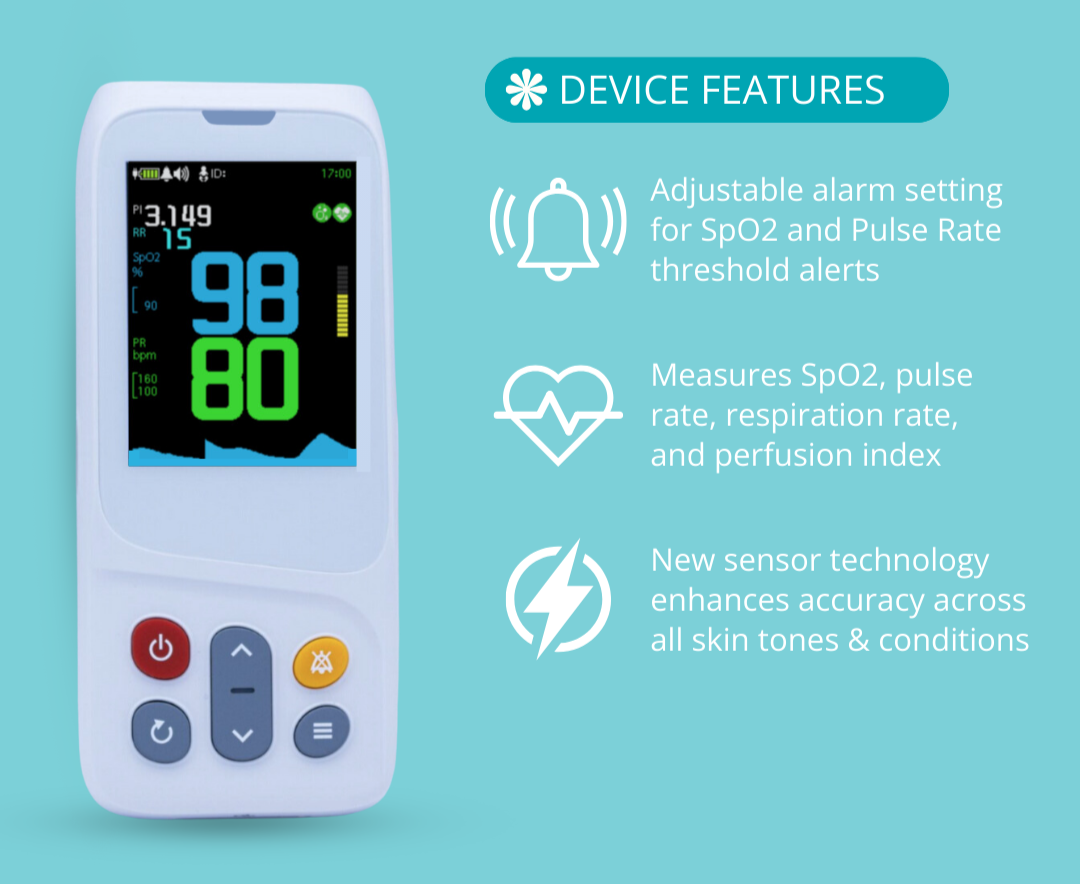
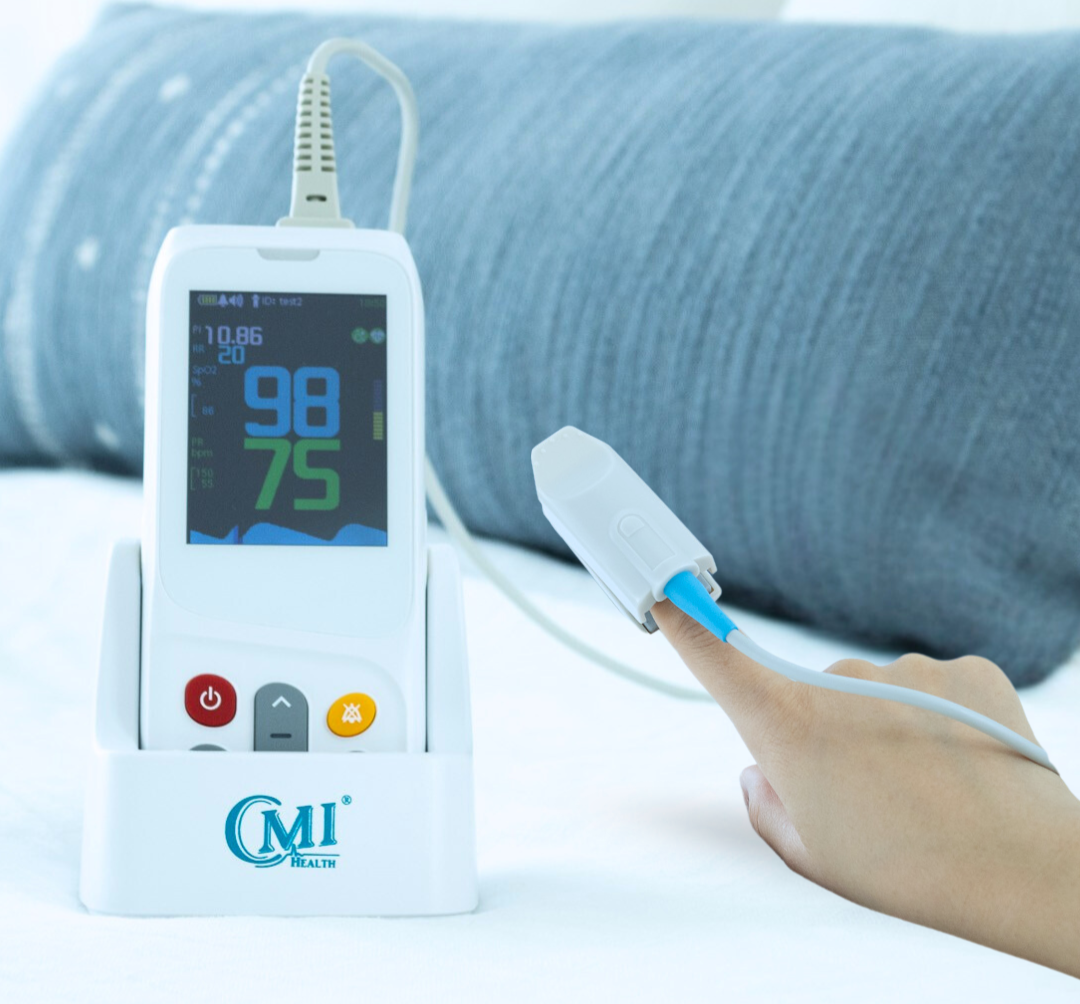
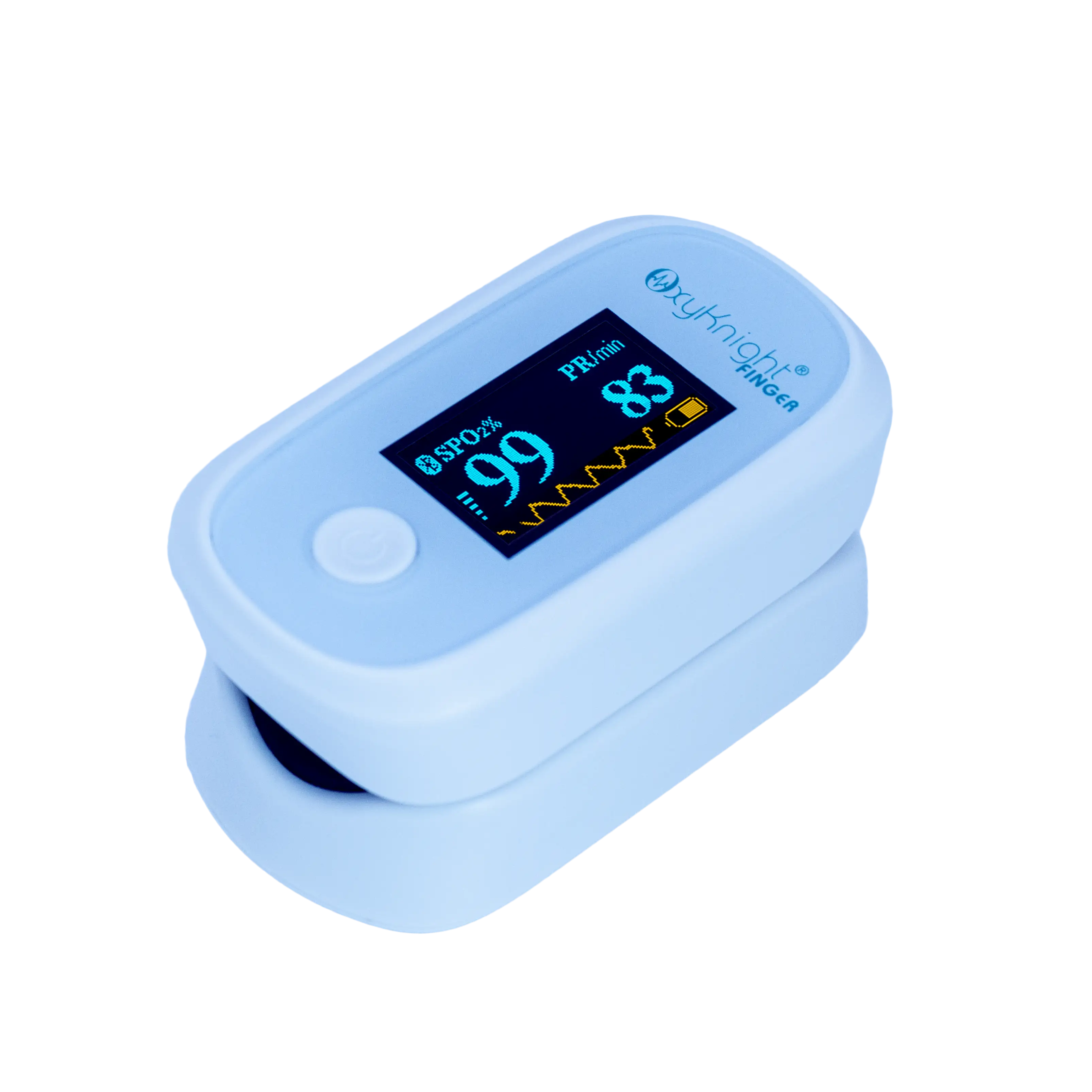
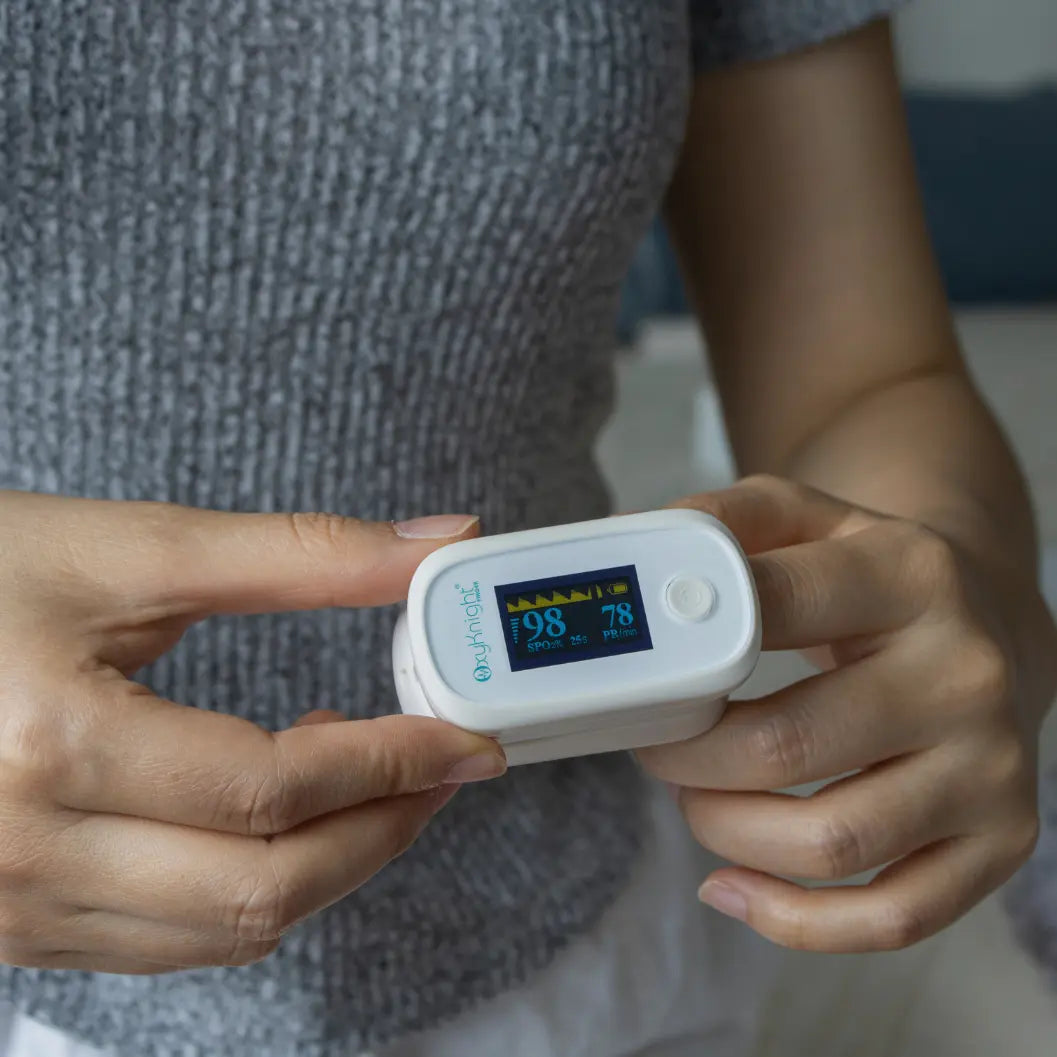
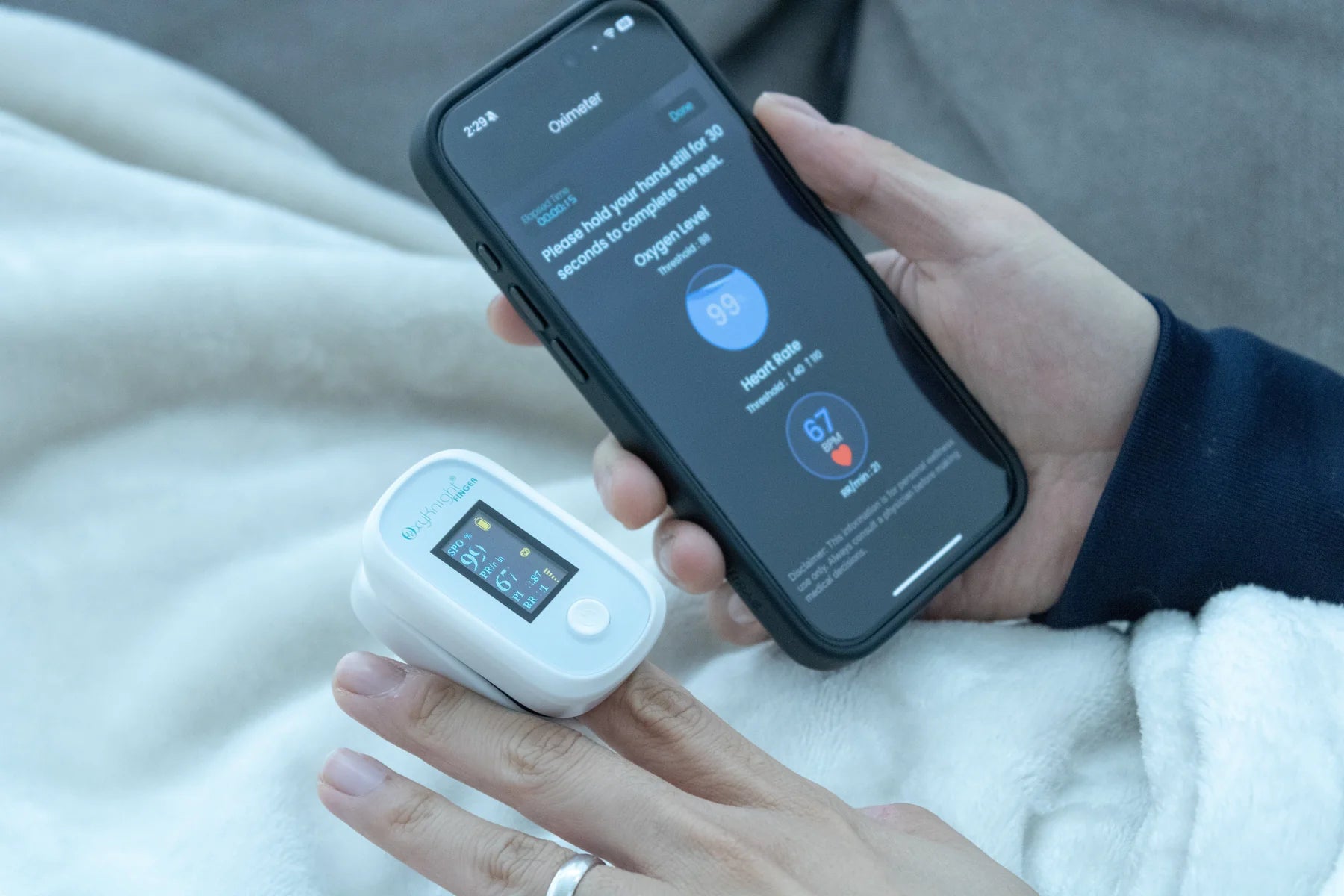
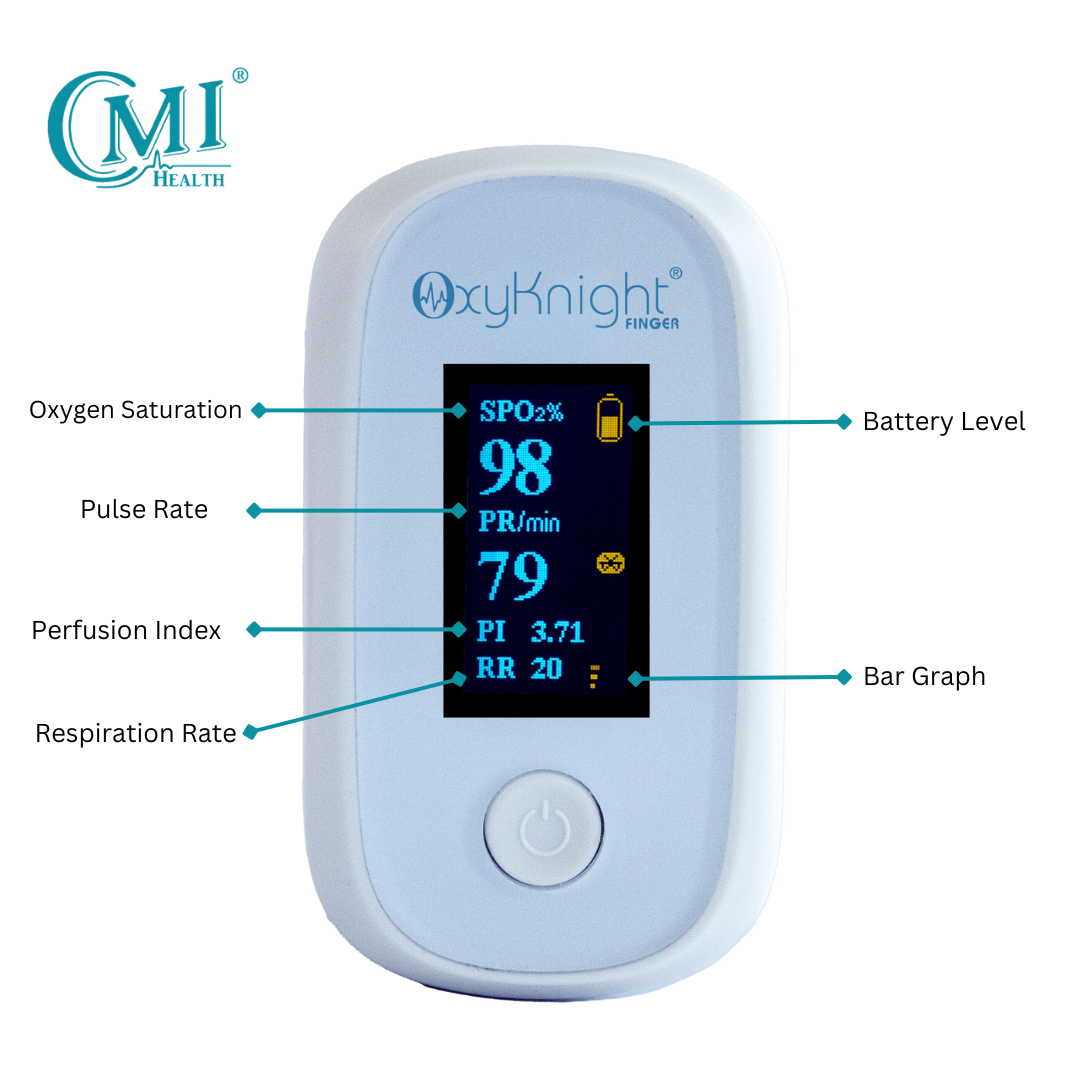
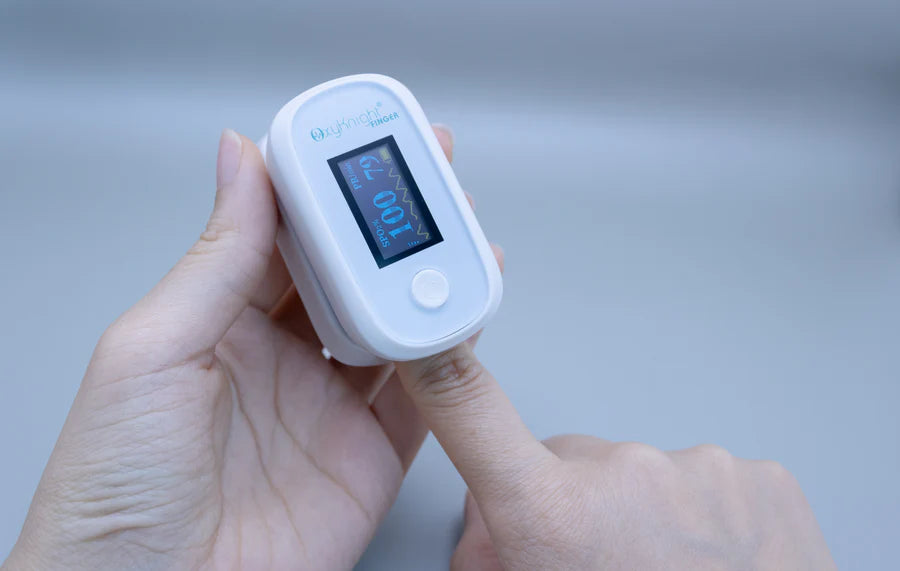
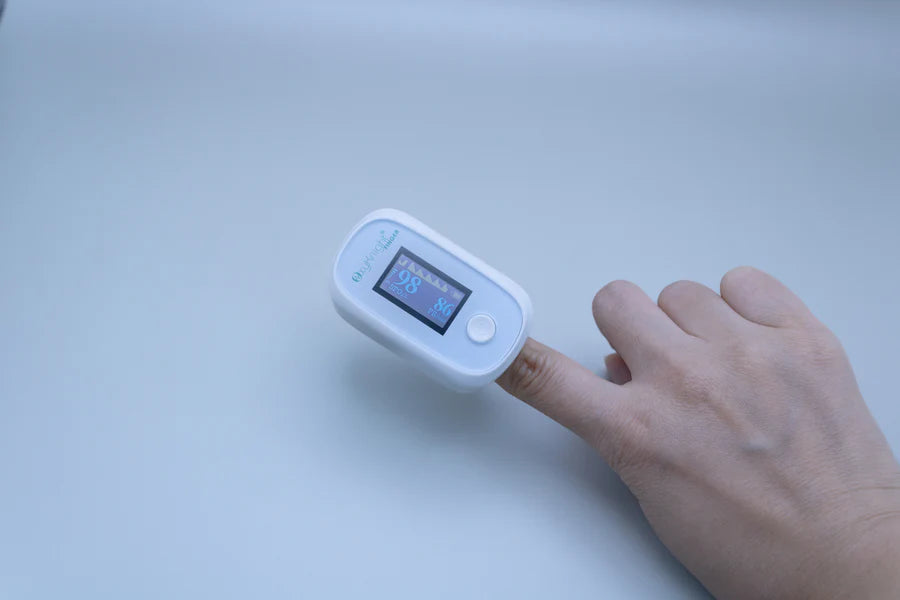
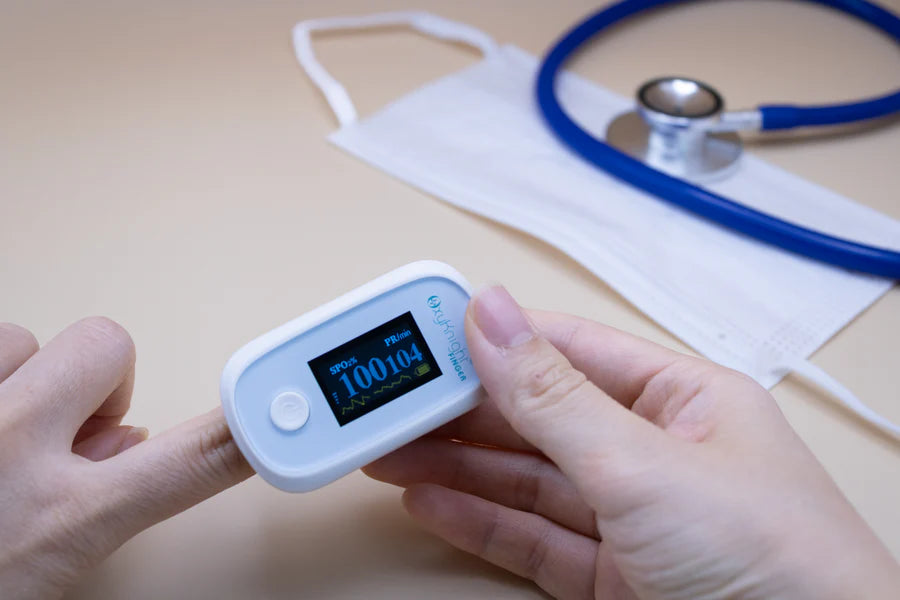
If your pediatrician has recommended checking your baby's oxygen saturation at home, pulse oximetry may provide another piece of information to track.
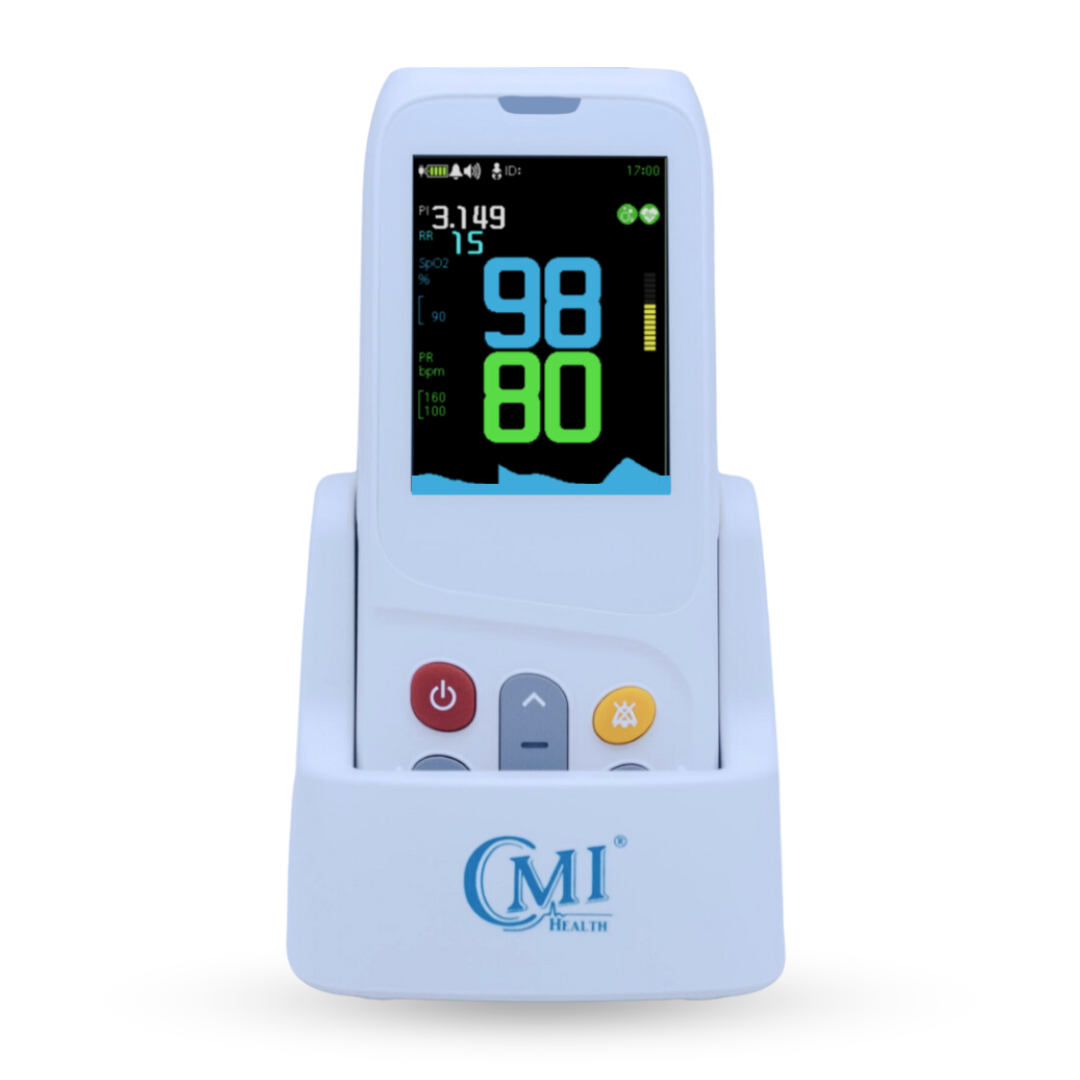
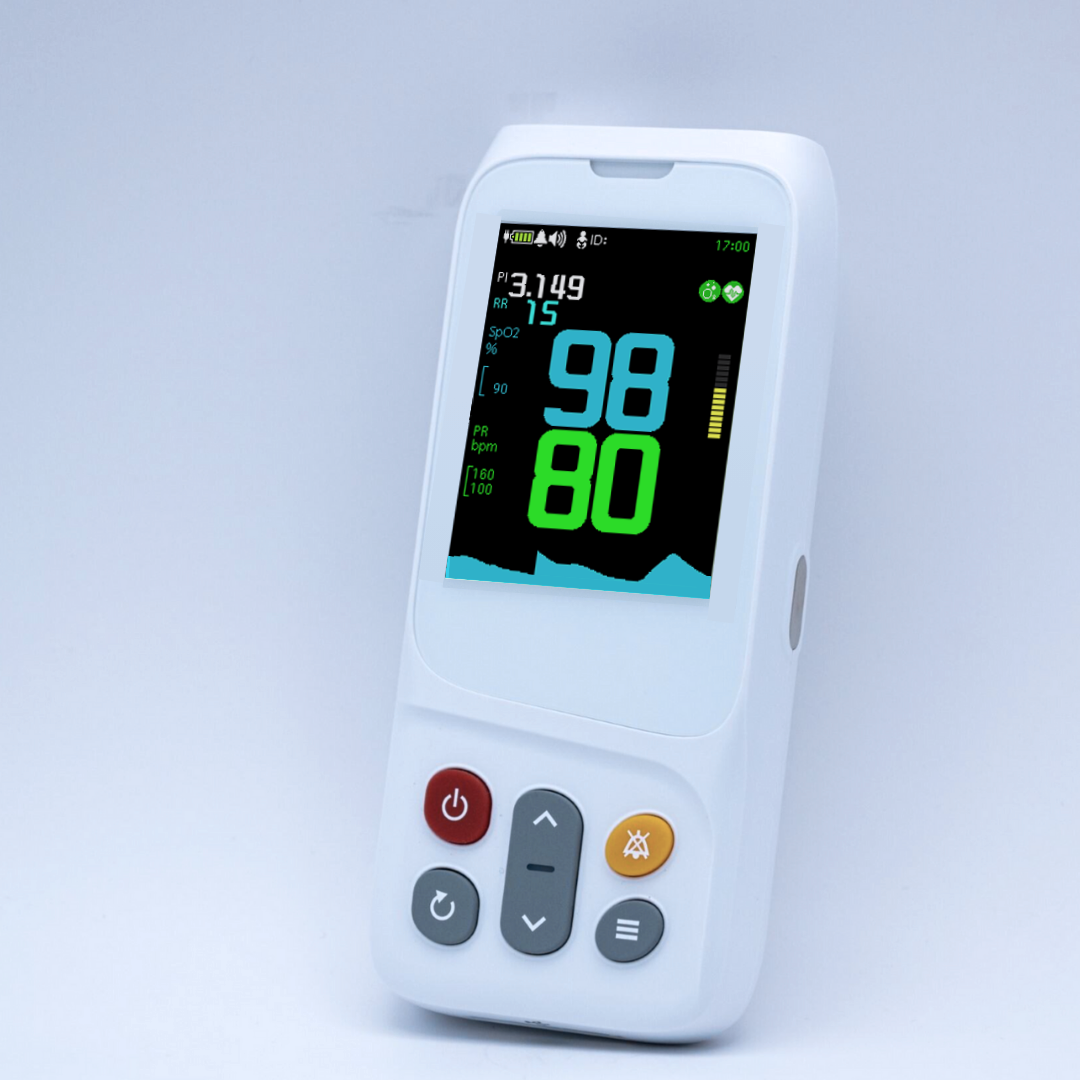
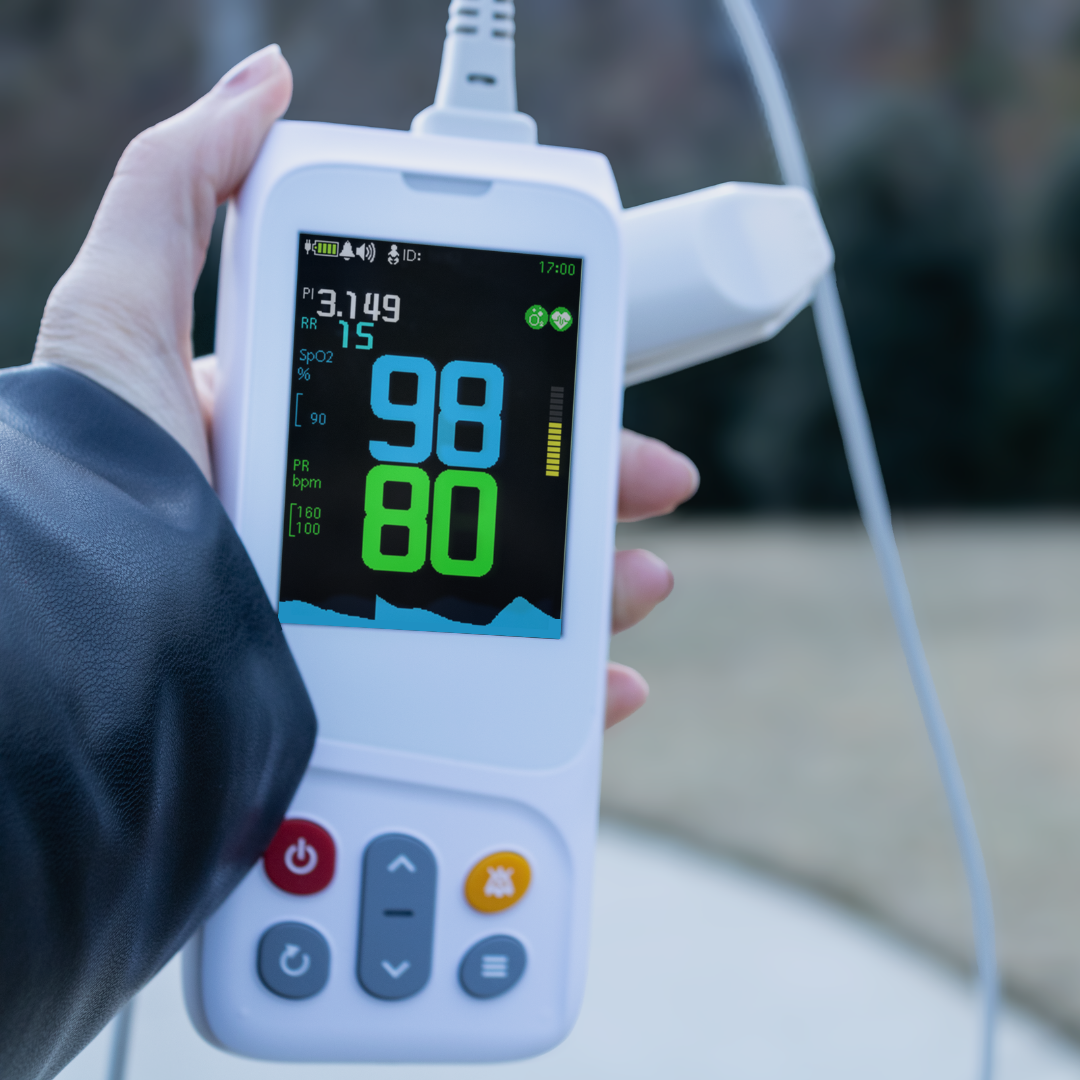
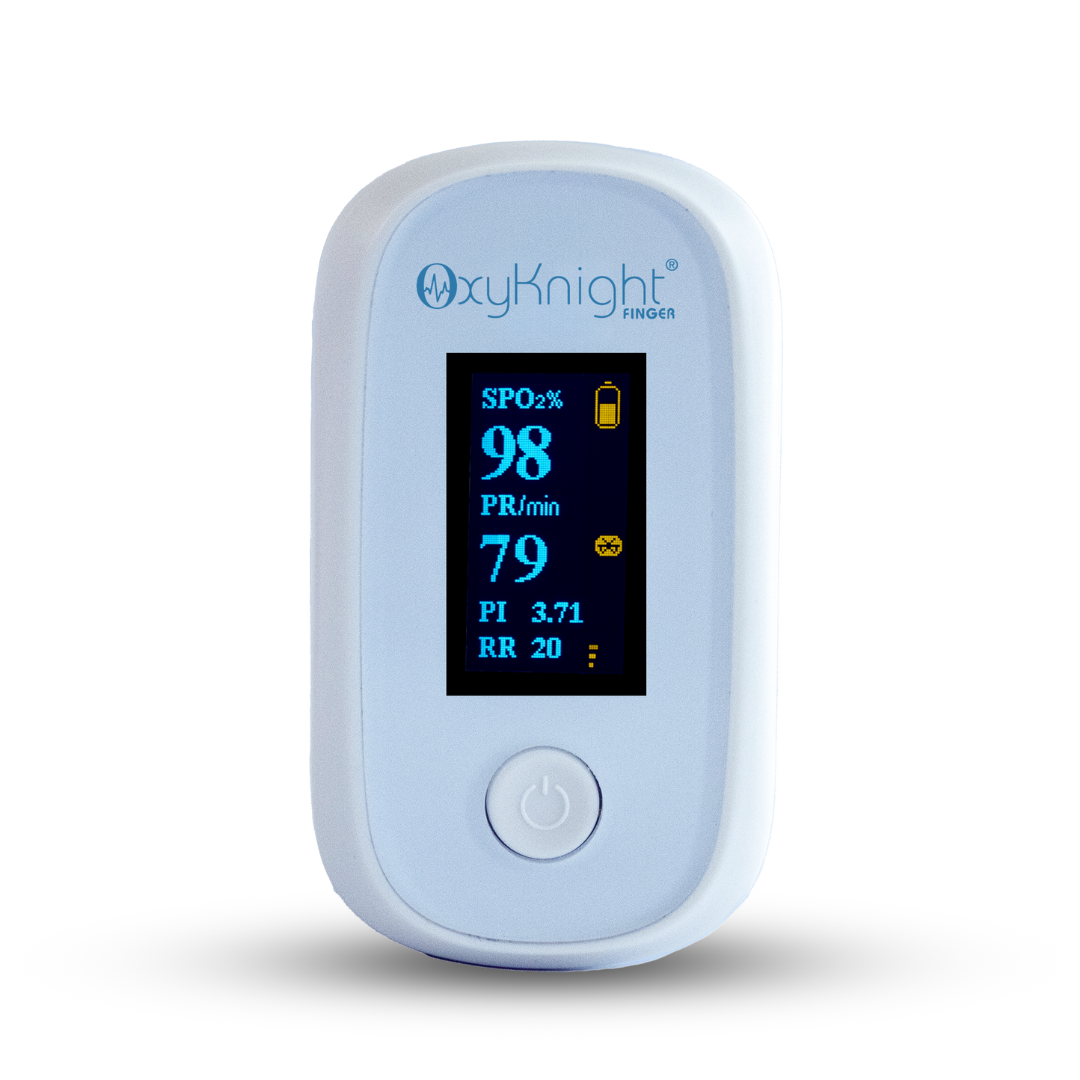
A pulse oximeter uses light to estimate blood oxygen saturation, usually displayed as SpO2. However, the FDA emphasizes that pulse oximeters have limitations and that readings should be considered alongside symptoms and other information, not used alone to make decisions about medical care.
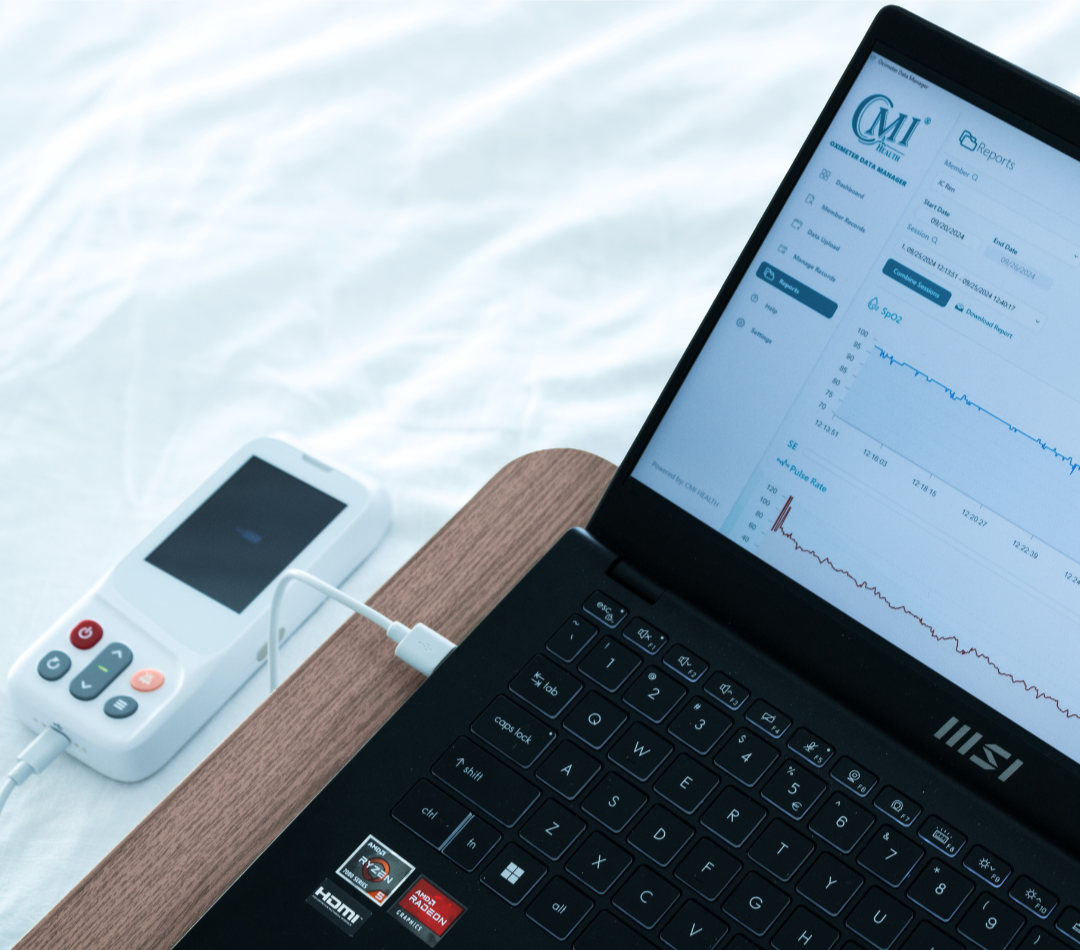
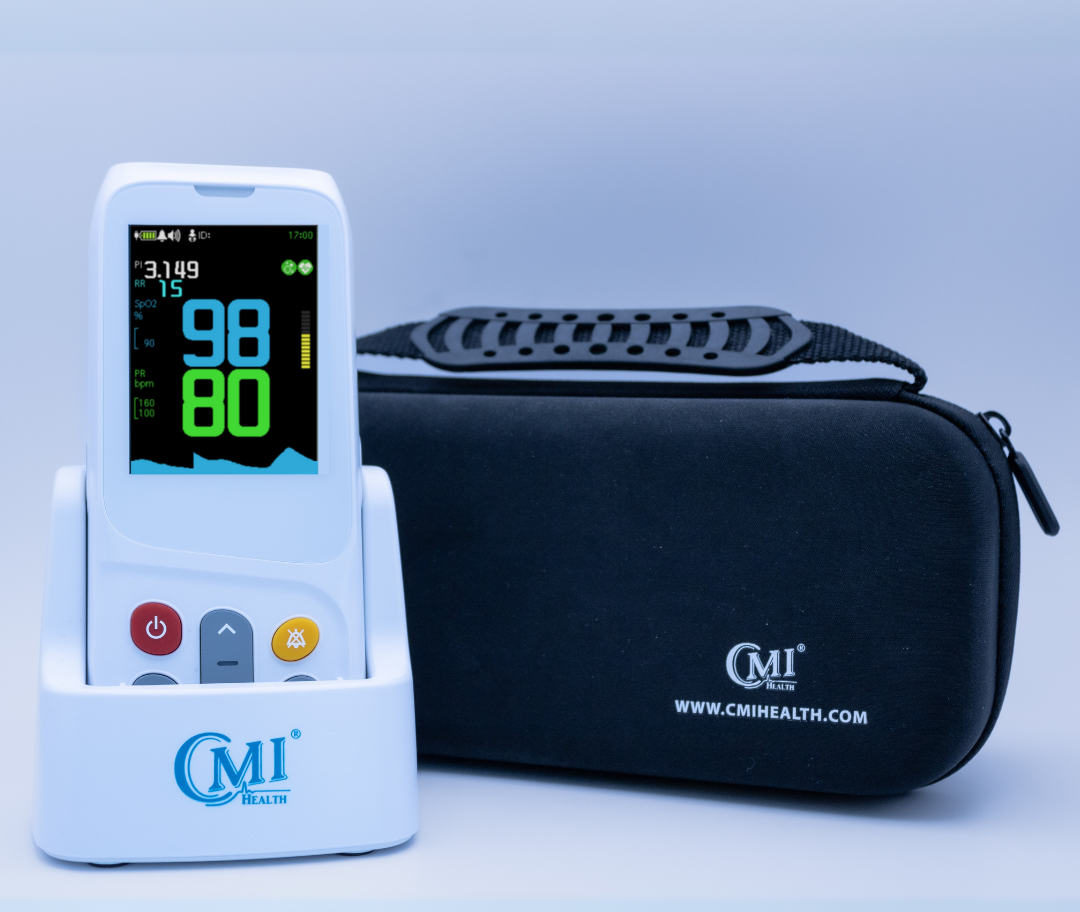
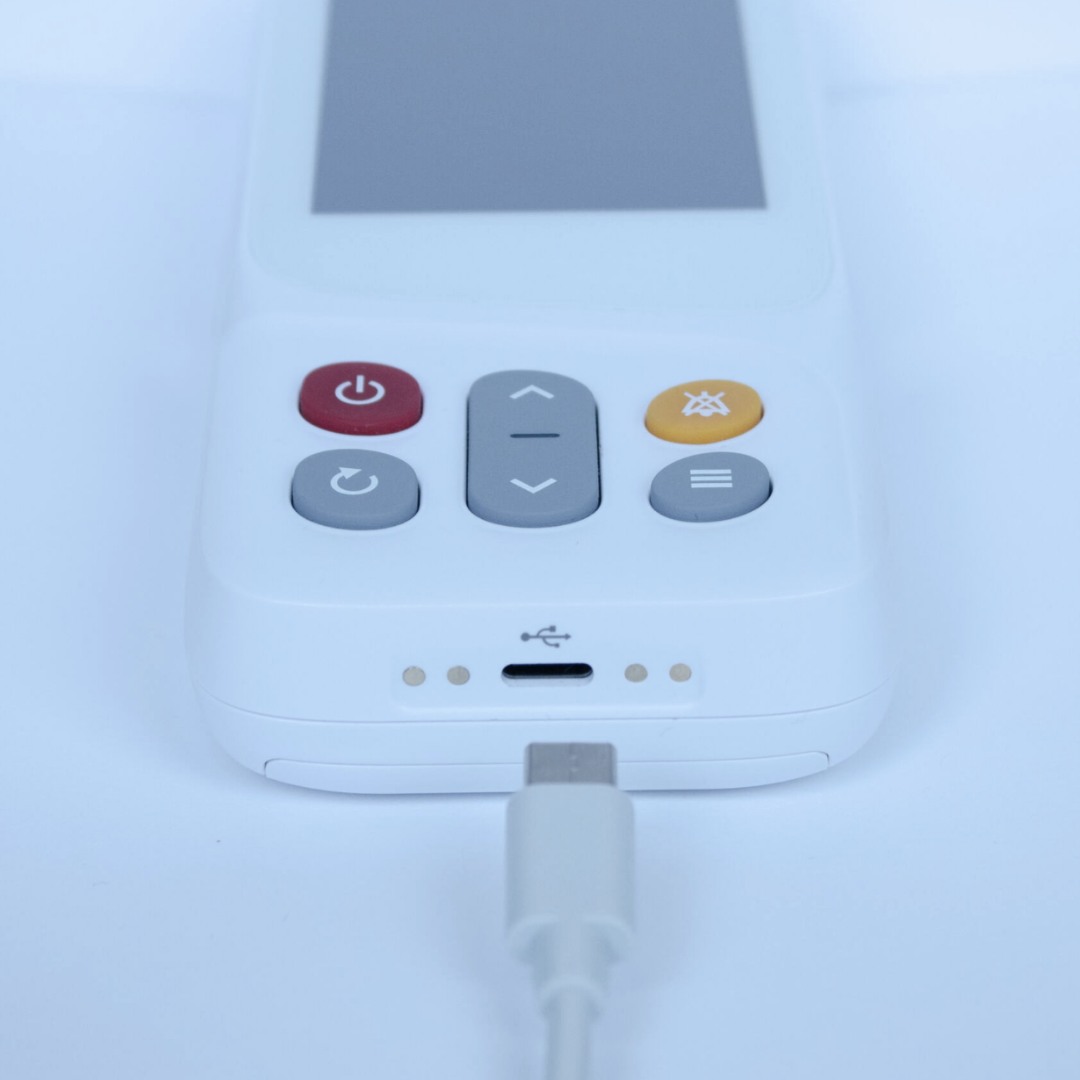
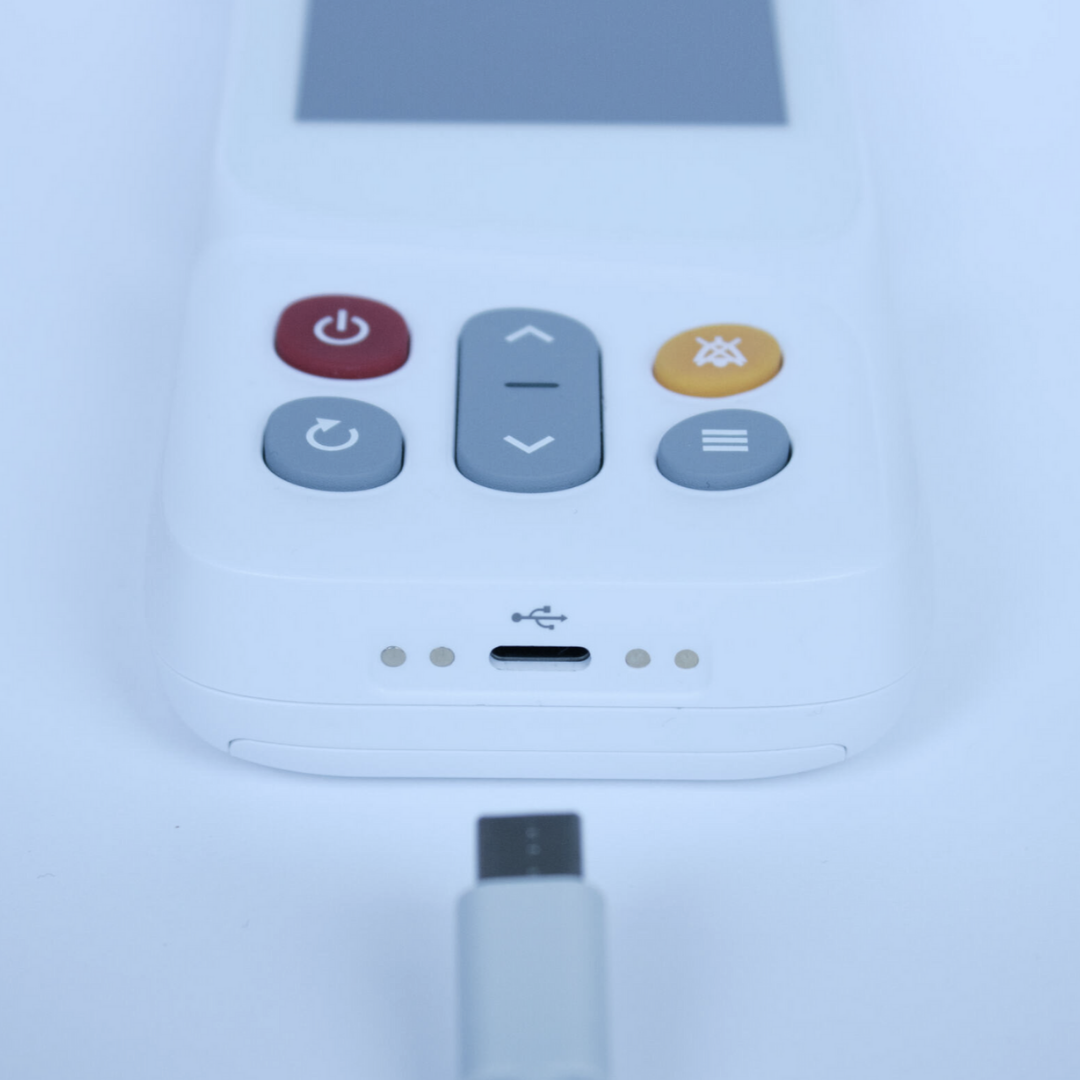
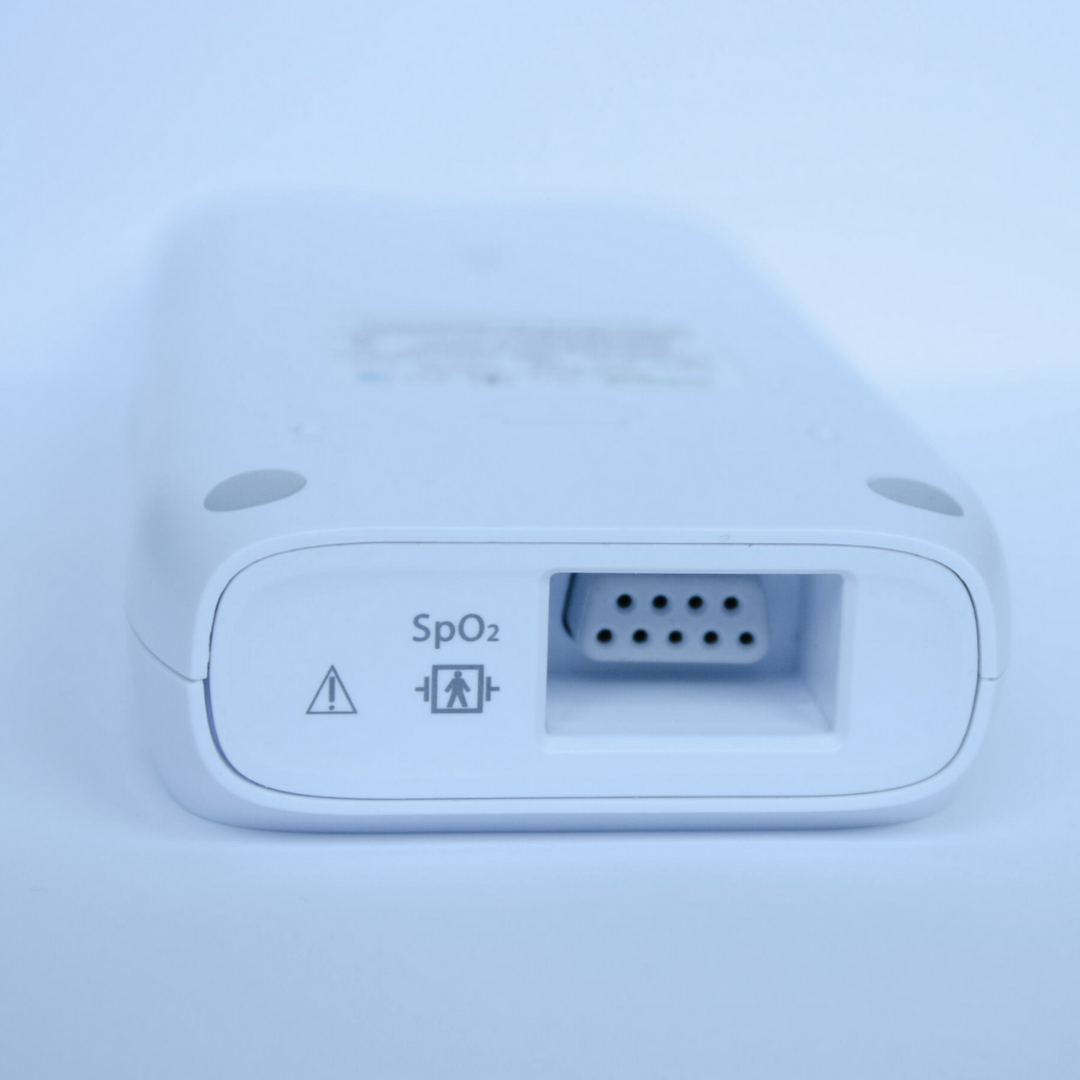
If home pulse oximetry has been recommended for your baby, CMI Health's Infant Foot Wrap Sensor for the PC-66 Handheld Pulse Oximeter is designed for infants and toddlers under 25 pounds and up to 18 months old and works with compatible PC-66 handheld pulse oximeters. You can also explore CMI Health's pulse oximeter collection.
Home oxygen readings are only one part of monitoring your baby's overall condition.
Can Babies Get a Flu Shot?
Babies can begin receiving seasonal influenza vaccination at 6 months old.
Babies younger than 6 months are too young for a flu vaccine, which is one reason vaccination among eligible parents, caregivers, and household members is important. The CDC recommends annual flu vaccination for everyone 6 months and older, with rare exceptions.
Frequently Asked Questions About Flu in Newborns and Babies
What are the first signs of flu in a newborn?
Possible signs can include fever, cough, a runny or stuffy nose, feeding changes, unusual tiredness, or fussiness. However, symptoms alone can't confirm influenza. If you think your newborn may have the flu, contact your pediatrician.
Can a newborn have the flu without a fever?
Yes. Although fever is a common flu symptom, not everyone with influenza develops one.
Pay attention to your baby's overall condition, including breathing, feeding, hydration, alertness, and changes from their normal behavior rather than using fever as the only indication of illness.
What temperature is concerning for a newborn?
If your baby is 3 months old or younger and has a rectal temperature of 100.4°F (38°C) or higher, the American Academy of Pediatrics recommends contacting your pediatrician immediately, even when there are no other symptoms.
What should I do if my 2- or 3-month-old has flu symptoms?
Contact your baby's pediatrician for guidance. Young infants have an increased risk of flu complications, and symptoms can overlap with other illnesses.
Seek immediate medical attention for emergency warning signs such as trouble breathing, bluish lips or face, ribs pulling in with each breath, dehydration, seizures, difficulty waking, or any fever in a baby younger than 12 weeks.






Leave a comment