



What Is a Baby Foot Monitor? (And How It Compares to a Pulse Oximeter)

Written by Dallas Akins
If you've been shopping for a way to track your baby's pulse rate and oxygen saturation, you've probably encountered baby foot monitors. These wearable devices use a sensor placed on an infant's foot, often in a soft sock or wrap-style design.
But products that look similar aren't necessarily designed the same way.
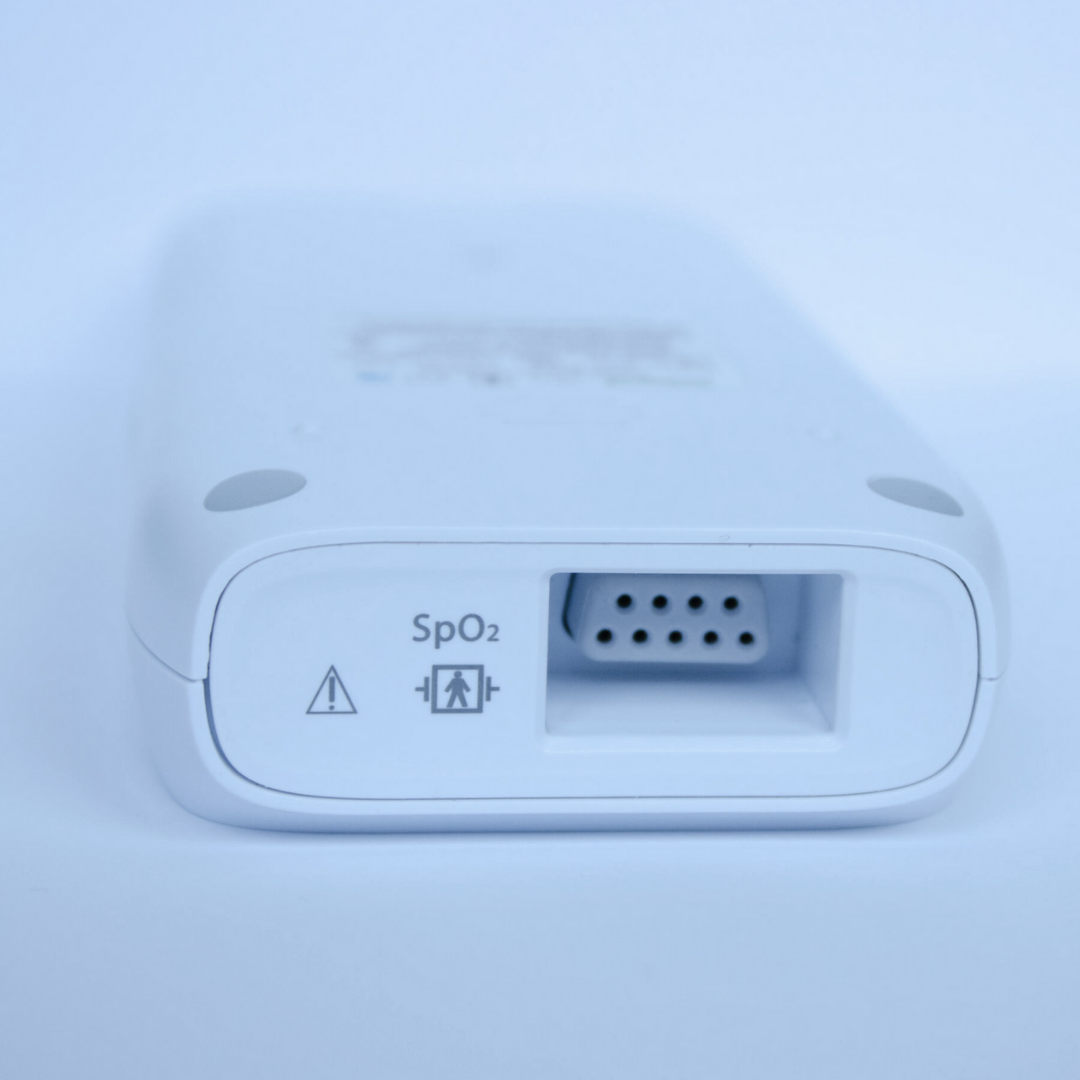
Some, such as the Owlet Dream Sock, combine a wearable foot sensor with an app-based smart monitoring system. Another option is a dedicated pulse oximeter paired with an infant-specific foot sensor, such as the CMI Health PC-66L with Infant Foot Wrap Sensor #72.
Both approaches can provide oxygen saturation and pulse information, but there are important differences in what they measure, how you view the information, and the monitoring features they provide.
Quick Answer: What Is a Baby Foot Monitor?
A baby foot monitor is a wearable device or sensor placed on an infant's foot to collect information such as oxygen saturation (SpO₂) and pulse rate. Some are smart wearable systems that connect to a smartphone and include sleep insights and notifications. Others use an infant foot-wrap sensor connected to a dedicated pulse oximeter that displays measurements directly.
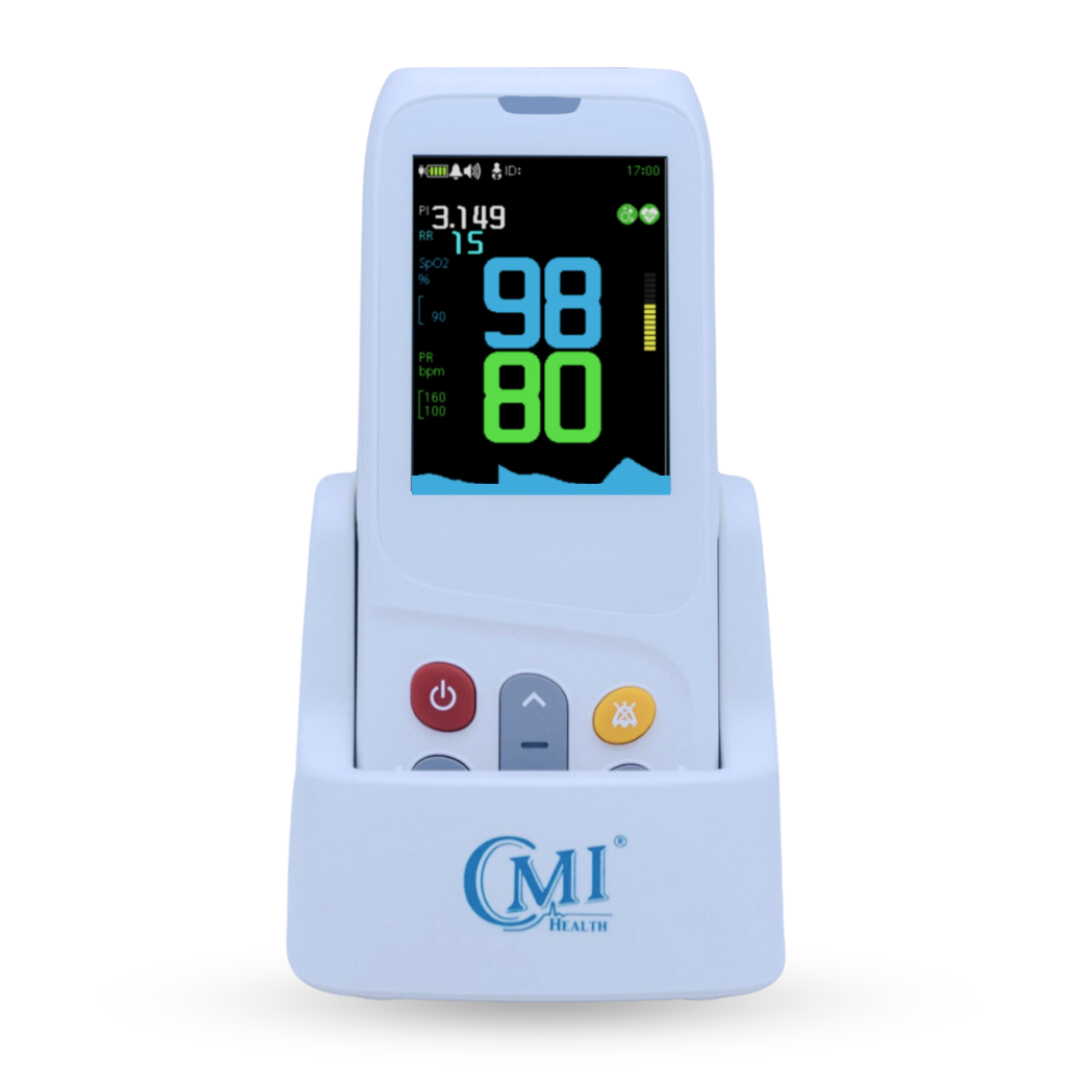
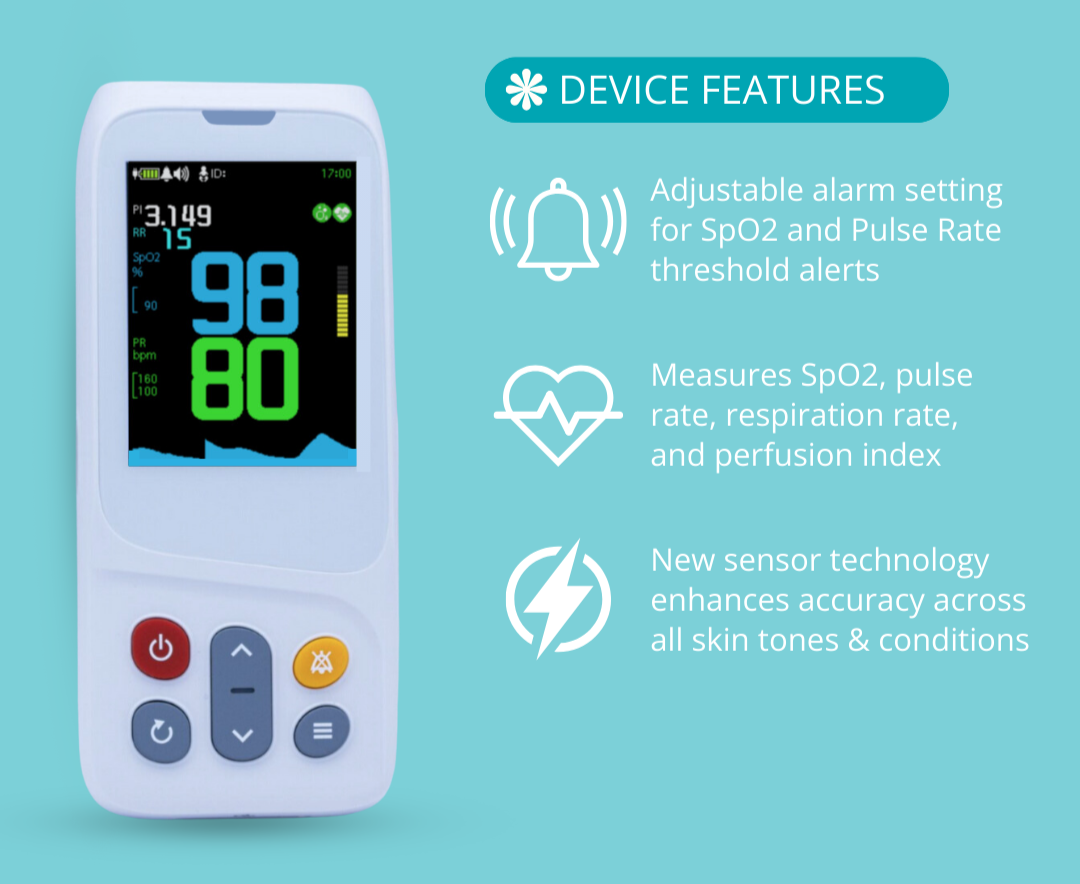
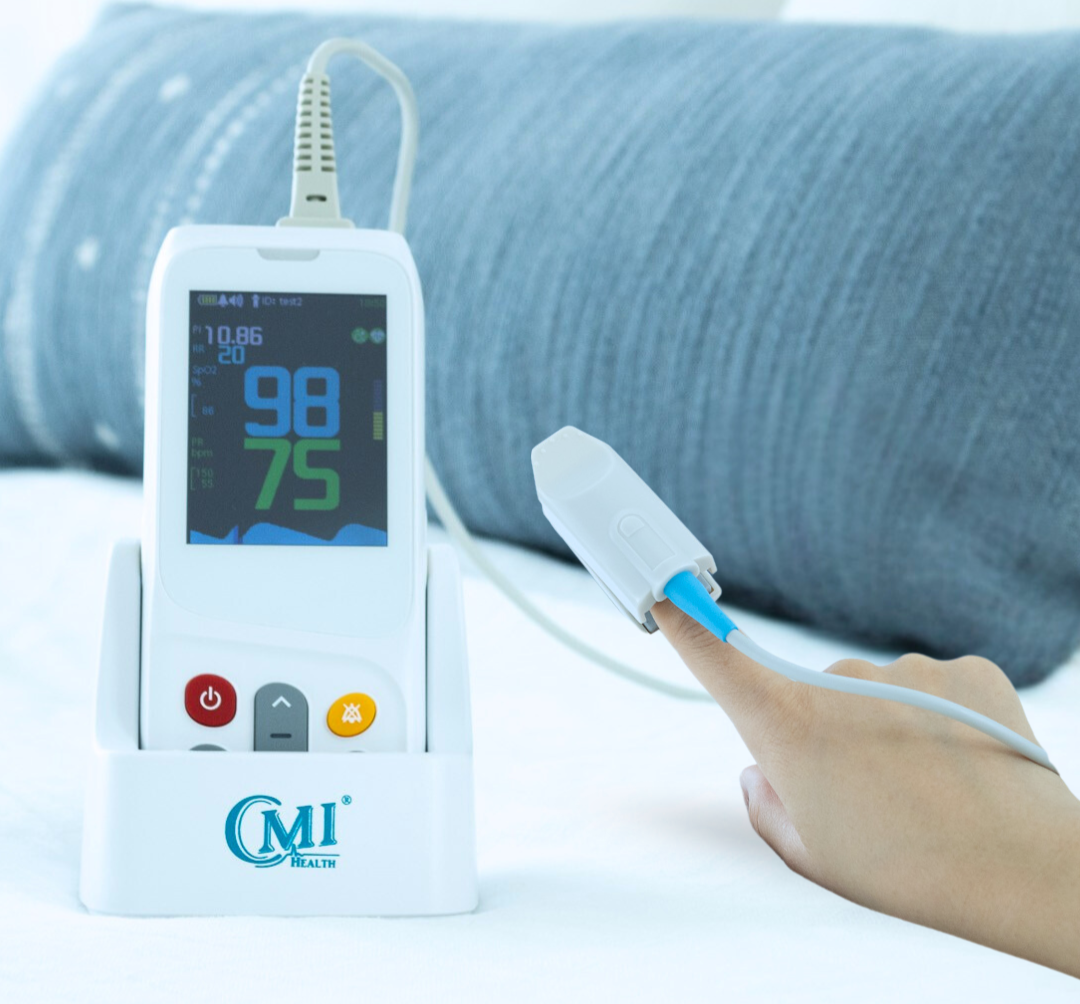
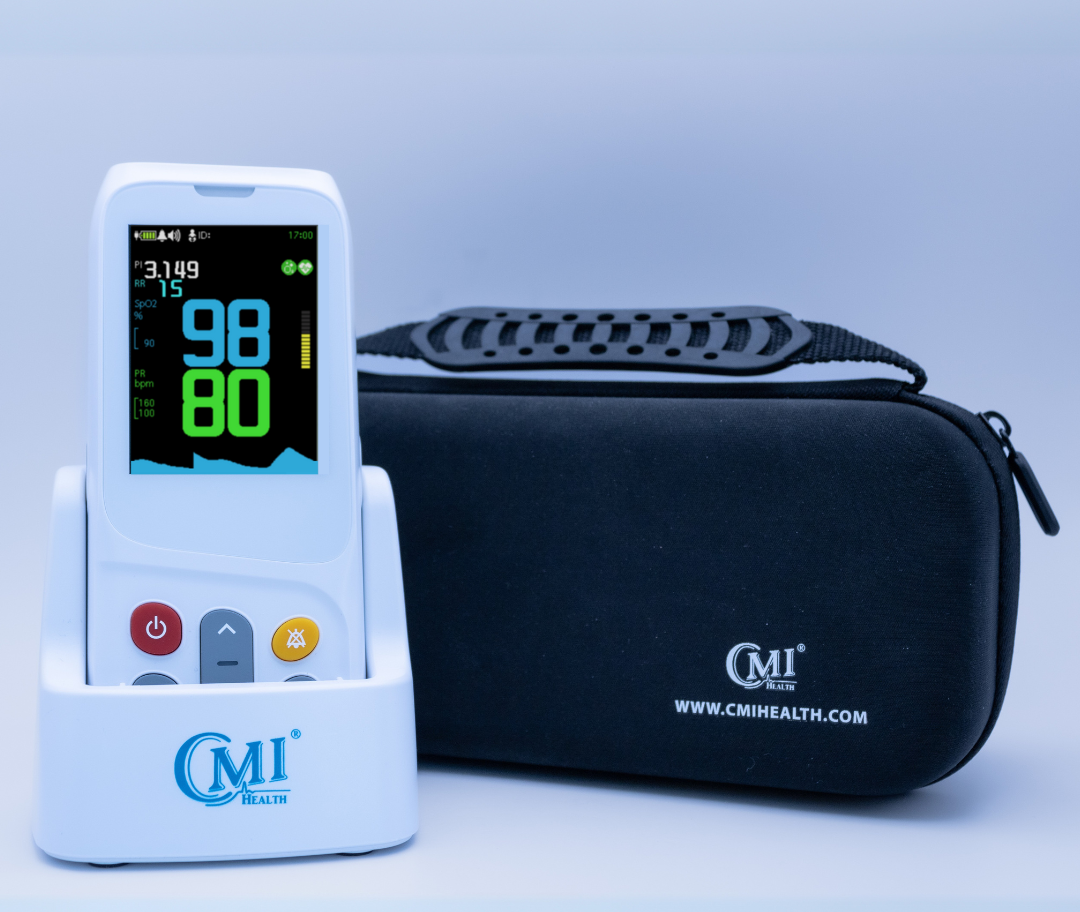
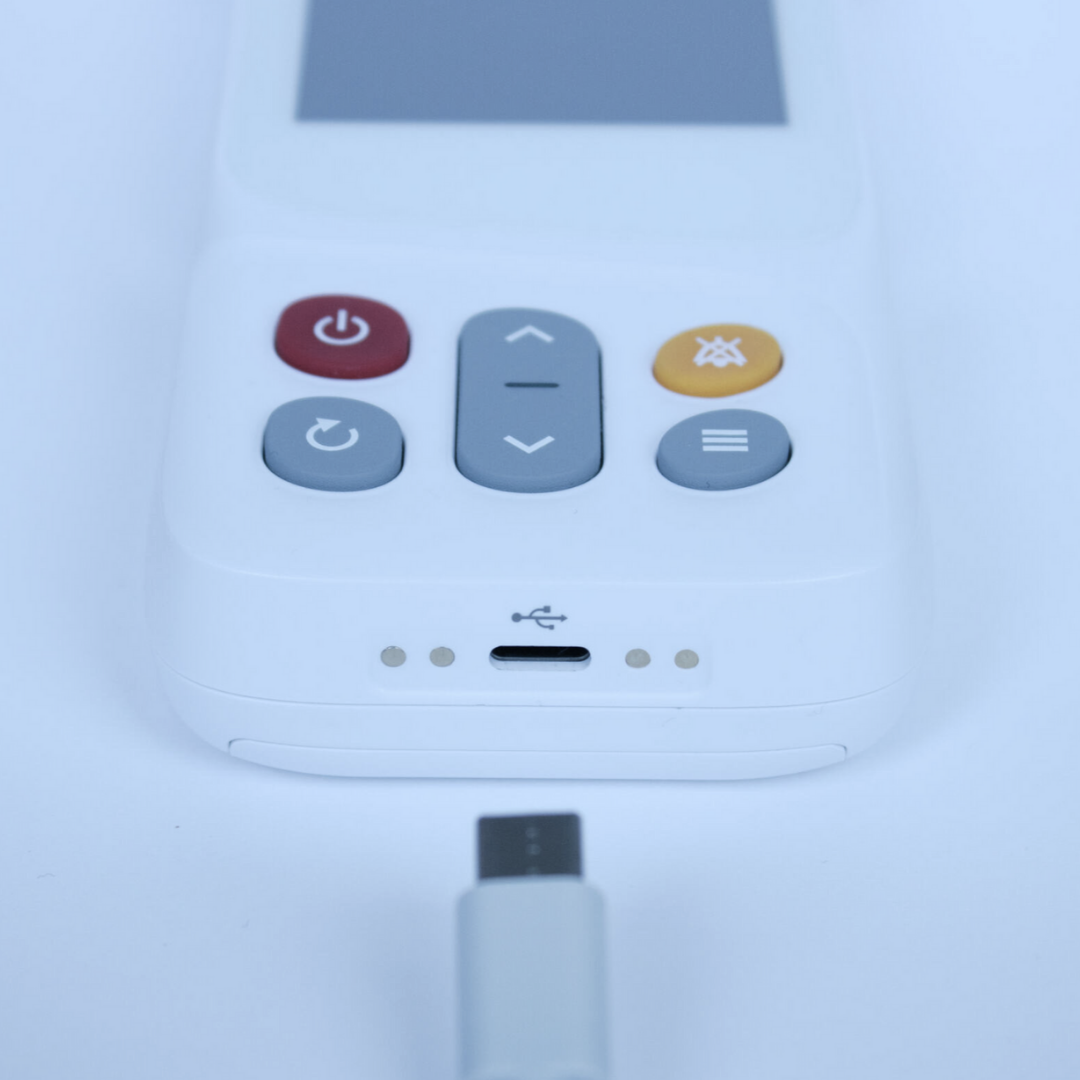
If you want a connected smart-monitoring experience, a wearable such as the Owlet Dream Sock may offer the features you're looking for. If you're primarily interested in pulse oximetry, the CMI Health PC-66L with Infant Foot Wrap Sensor #72 provides SpO₂, pulse rate, perfusion index, adjustable alarms, and onboard data storage without making a smartphone the primary display.

CMI Health PC-66L Pulse Oximeter with Infant Foot Wrap Sensor #72
Baby Foot Monitor vs. Infant Pulse Oximeter: What's the Difference?
"Baby foot monitor" generally describes how and where a device is worn, while "pulse oximeter" describes what a device measures. The categories can overlap.
A smart baby foot monitor may use pulse oximetry as part of a broader system with app connectivity, sleep insights, and notifications. Shoppers considering smart baby monitors and clinical-grade pulse oximetry options may also encounter dedicated infant pulse oximeters, where SpO₂ and pulse measurements are the primary focus.
CMI’s PC-66L takes this second approach, pairing a handheld pulse oximeter with the Infant Foot Wrap Sensor #72.
How Does a Baby Foot Monitor Measure Oxygen and Pulse?
Foot-worn devices that provide oxygen saturation readings generally use pulse oximetry.
Pulse oximetry uses light to estimate the percentage of hemoglobin in the blood carrying oxygen, reported as SpO₂. Changes in blood flow detected by the sensor can also be used to determine pulse rate.
The principle is similar to a fingertip pulse oximeter, but an infant requires an appropriately sized sensor. Instead of using an adult-style finger clip, a foot monitor for infants can wrap around the smaller foot.
Owlet Dream Sock vs. CMI Infant Pulse Oximeter
Owlet is one of the best-known products shoppers are likely to encounter when researching baby foot monitors. Its Dream Sock uses a foot-worn sensor and connected app to provide pulse rate and oxygen saturation information alongside sleep and movement insights.

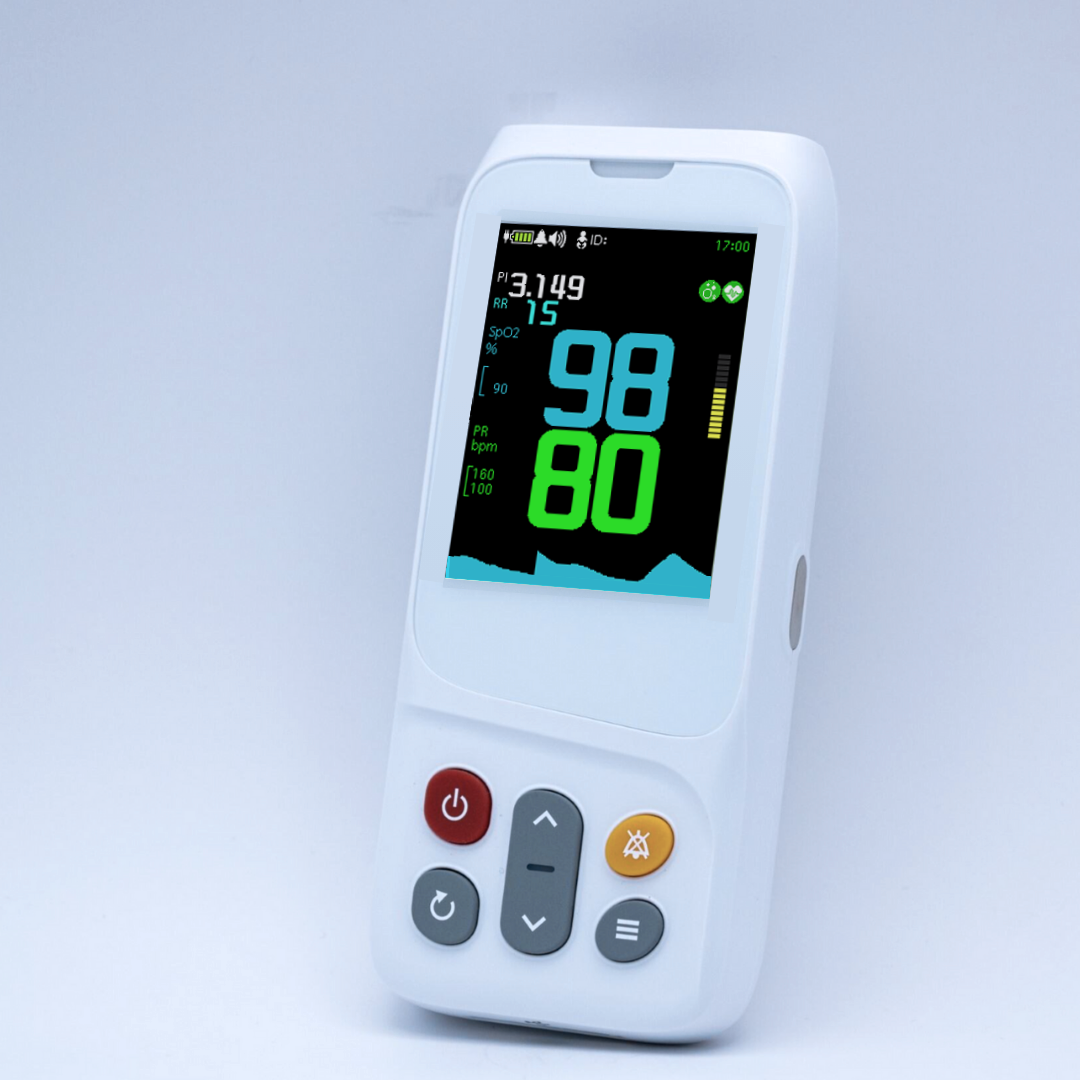
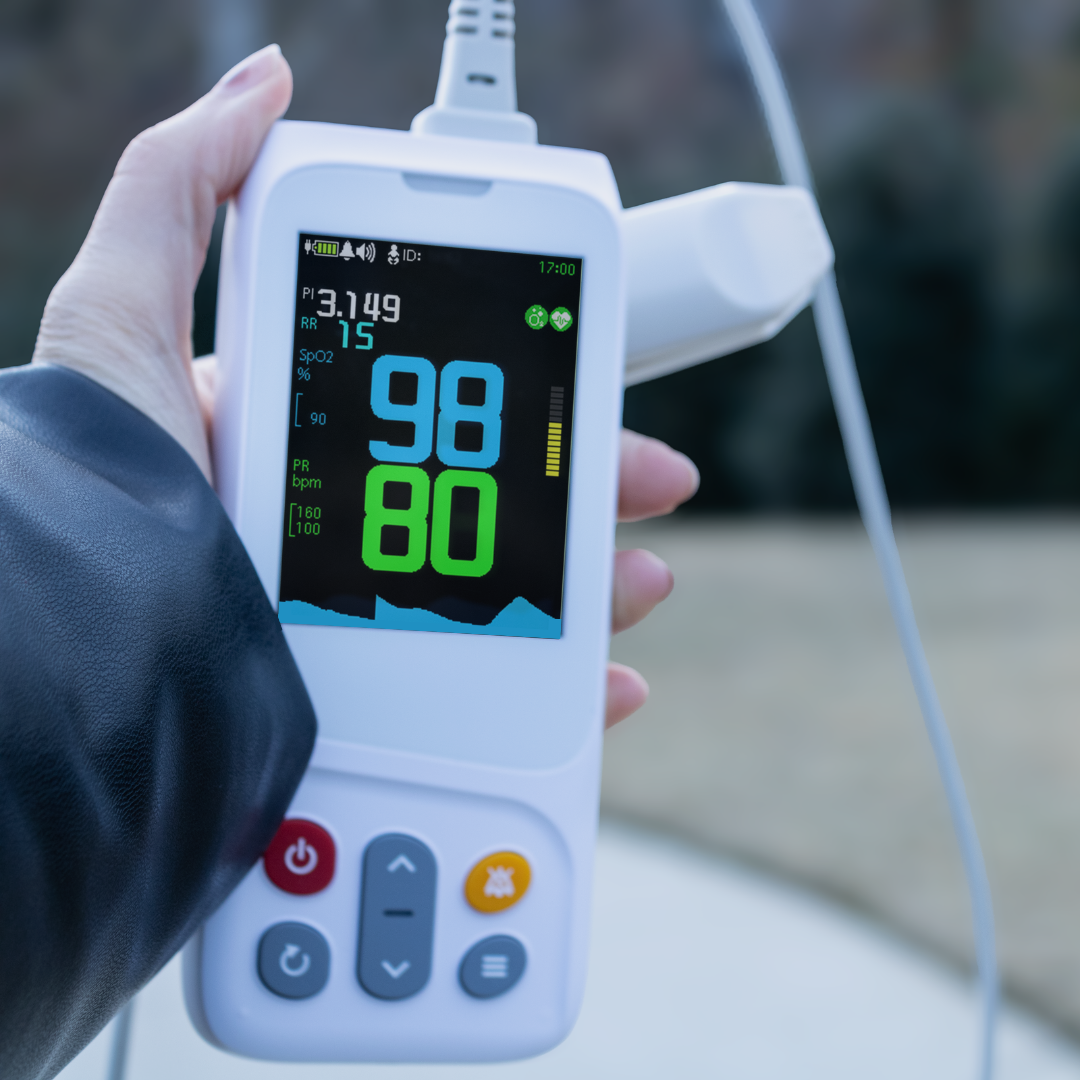
CMI takes a more pulse-oximetry-focused approach. The PC-66L Handheld Pulse Oximeter with Infant Foot Wrap Sensor #72 displays measurements directly on a dedicated device and includes features such as perfusion index, a plethysmogram, adjustable alarms, and onboard data storage.

Product features can change. Check each manufacturer's current specifications and instructions before purchasing or using a monitoring device.
What Should You Look for in a Baby Foot Monitor?
When comparing baby foot monitors, think about what information you want to track and how you want to use the device day to day.
Measurements: Start with the information you want the monitor to provide. Oxygen saturation and pulse rate are available with both the Owlet Dream Sock and CMI PC-66L. Beyond those basics, features differ. Owlet includes sleep and movement insights, while the PC-66L provides additional pulse oximetry information such as perfusion index and a plethysmogram.
How you view readings: Consider whether you prefer checking information on your phone or directly on a separate device. Owlet uses the Dream App as its primary interface, while the PC-66L displays readings on the pulse oximeter itself.
Alerts and settings: Look at how each device handles notifications or alarms. Owlet uses preset Health Notification ranges, while the PC-66L allows users to adjust pulse-rate and low-SpO₂ alarm limits. If monitoring has been recommended by a healthcare provider, follow their guidance on appropriate settings.
Sensor fit: An infant sensor should be appropriate for your child's size and used according to the manufacturer's placement instructions. CMI's Infant Foot Wrap Sensor #72 is designed for infants and toddlers under 25 pounds and up to 18 months old.
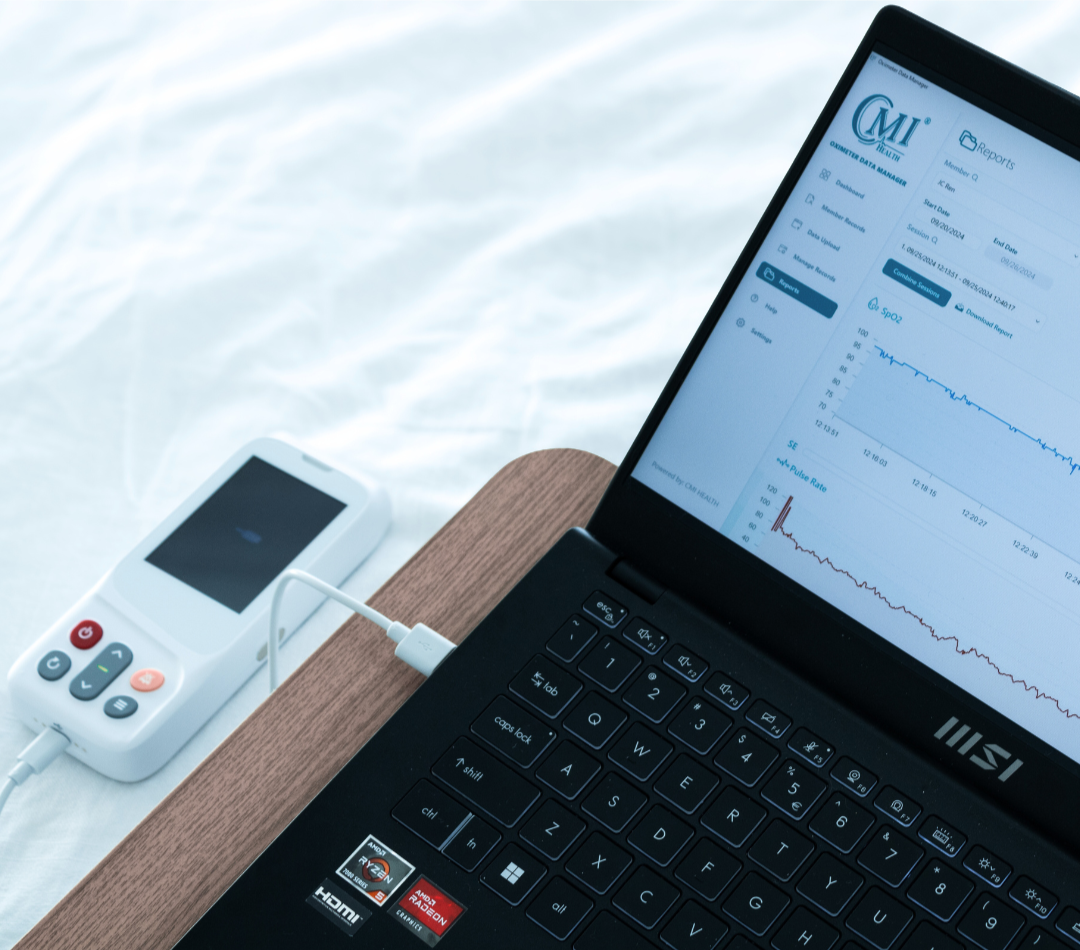
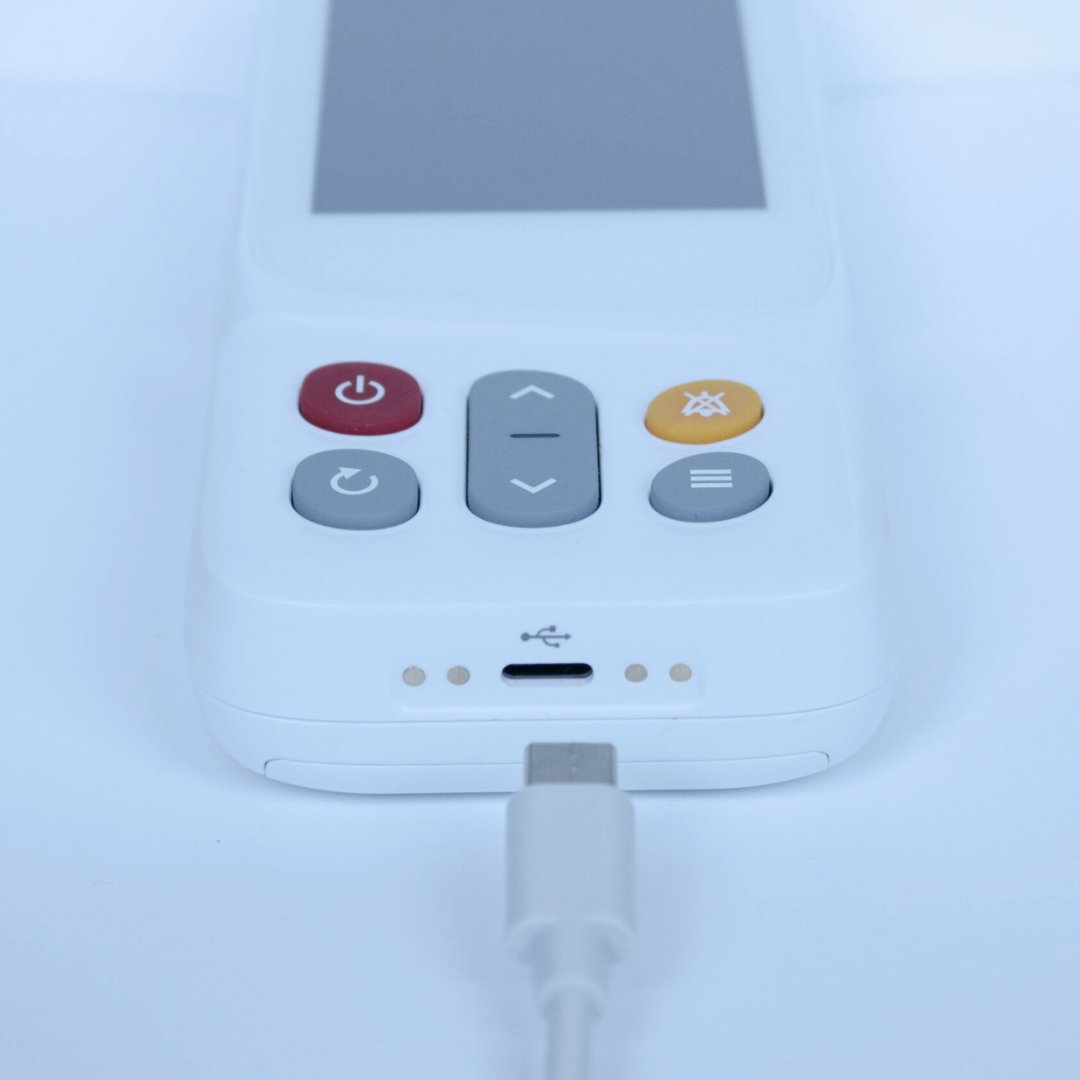
Data and history: Think about whether you want to review previous readings and where you want that information stored. Owlet provides history and trends through its app. The PC-66L can store up to 384 hours (16 days) of oximetry data onboard and supports transferring stored information to a computer.
Sensor options: It's also worth considering how long you expect to use the pulse oximeter. Compatible PC-66 models can be used with other CMI sensor options after a child outgrows the infant foot wrap.

A Note About Baby Foot Monitors and Safety
A wearable monitor can provide additional information, but it doesn't replace safe infant sleep practices, caregiver attention, or professional medical guidance.
Pulse oximetry readings can also be affected by factors such as sensor placement, movement, circulation at the measurement site, and improper fit, so always follow the manufacturer's instructions.
If a healthcare provider has recommended monitoring your baby's oxygen saturation or pulse rate, ask what readings and alarm settings they want you to watch. If you're concerned about your baby's breathing, responsiveness, or overall condition, seek appropriate medical assistance rather than relying solely on a monitor reading or notification.
Frequently Asked Questions About Baby Foot Monitors
Is a baby foot monitor the same as an infant pulse oximeter?
Not always. Some baby foot monitors incorporate pulse oximetry into a larger smart-monitoring system. A dedicated infant pulse oximeter uses a compatible infant sensor to measure SpO₂ and pulse rate, with pulse oximetry serving as the system's primary function.
Does the Owlet Dream Sock show oxygen levels?
Yes. Current U.S. Dream Sock functionality can provide live oxygen saturation and pulse-rate readings in the Dream App when applicable Health Notifications functionality is enabled. Owlet also combines these measurements with features such as sleep and movement information.
What's the difference between Owlet and a CMI infant pulse oximeter?
Both can provide oxygen saturation and pulse-rate information. Owlet combines its wearable sock with an app-based smart-monitoring experience. CMI's PC-66L is a dedicated handheld pulse oximeter that displays readings directly and includes perfusion index, a plethysmogram, adjustable alarms, and onboard data storage.
Does the CMI Infant Foot Wrap Sensor work by itself?
No. The Infant Foot Wrap Sensor #72 connects to a compatible CMI PC-66 pulse oximeter, which processes and displays the measurements collected through the sensor.
Can the CMI PC-66L be used without a smartphone?
Yes. The PC-66L has its own display for viewing pulse oximetry measurements, so a smartphone isn't required as the primary interface.
Where does an infant foot sensor go?
Placement depends on the product. CMI recommends positioning its Infant Foot Wrap Sensor #72 along the edge of the instep next to the little toe. Always follow the placement instructions for your particular sensor.
Finding the Right Foot Monitor for Your Baby
Baby foot monitors can differ considerably in their features and how you view the information they provide.
A smart wearable such as the Owlet Dream Sock combines pulse and oxygen information with app connectivity, sleep information, and movement insights. For parents primarily interested in pulse oximetry, CMI Health's PC-66L with Infant Foot Wrap Sensor #72 offers a dedicated alternative with SpO₂, pulse rate, perfusion index, adjustable alarms, onboard data storage, and a standalone display.
Consider which approach better matches the information you want to track, the features you want to use, and how you prefer to view your readings.


Leave a comment