



The Ideal Nursery: Room Temperature & Humidity for Your Newborn

Written by Dallas Akins
Quick Answer
The right room temperature for a newborn is generally 68°F to 72°F (20°C to 22°C). For humidity, 30% to 50% relative humidity is a useful general indoor range. These are guidelines, not strict medical thresholds, and factors like clothing, airflow, and seasonal changes can affect your baby's comfort.

Preparing a nursery comes with plenty of decisions, from choosing a crib to figuring out where everything should go. Once your newborn is home, you may start paying more attention to things like the temperature and humidity in the nursery.
What is the right room temperature for a newborn? How humid should the nursery be? And how can you tell whether the room is comfortable without constantly adjusting the thermostat?
Fortunately, you don't need to maintain one exact temperature or humidity level around the clock. Knowing the general ranges and what can cause the temperature and humidity to change can make it easier to keep your newborn's nursery comfortable.
What Is the Right Room Temperature for a Newborn?
A commonly recommended room temperature for a newborn is between 68°F and 72°F (20°C to 22°C).
The American Academy of Pediatrics (AAP), through its HealthyChildren.org resource, recommends avoiding overheating during infant sleep. Room temperature is only part of the picture, though. How your baby is dressed and the conditions immediately around the crib can also affect how warm they feel.
Sunlight coming through nursery windows, heating and cooling vents, sleepwear, and even where the crib sits in the room can affect comfort. A second-floor nursery, for example, may run warmer than a room downstairs even when the thermostat is set to the same temperature.
Instead of trying to maintain one exact number at all times, use the recommended range as a practical starting point and pay attention to the conditions in the nursery.
How to Avoid Overheating During Sleep
Start with how your baby is dressed. Babies generally need only one more layer of clothing than an adult would wear comfortably in the same environment. Indoor hats are also generally unnecessary once a newborn is home from the hospital unless a healthcare provider has advised otherwise.
You can also watch for signs that your baby may be getting too warm, such as sweating, a hot chest, or flushed skin. If you notice these signs, check the nursery temperature and consider whether your baby's clothing or sleepwear needs to be adjusted.

What Temperature Should a Baby's Room Be for Sleep?
For sleep, a general room temperature of 68°F to 72°F is a good guideline for your newborn.
There's no need to make the nursery especially warm just because a newborn is sleeping there. Instead, focus on keeping the room comfortable and avoiding overheating.
Safe sleep practices matter beyond temperature, too. AAP guidance recommends placing babies on their backs on a firm, flat sleep surface and keeping blankets, pillows, toys, bumper pads, and other soft objects out of the sleep space.
If the nursery feels cool, adjust your baby's sleepwear rather than adding loose blankets to the crib.
Follow any specific guidance your healthcare provider has given you about your baby’s sleep environment or room temperature.
What Is the Ideal Humidity for a Baby's Room?
Temperature is only part of creating a comfortable nursery. Humidity refers to the amount of moisture in the air, and indoor humidity can change considerably throughout the year.
The U.S. Environmental Protection Agency (EPA) recommends keeping indoor relative humidity between 30% and 50%. This isn't a newborn-specific range, but it's a helpful guideline for your baby's room.
Why Nursery Humidity Changes
The humidity in an infant's room can change even if you're not using a humidifier.
Several factors can affect indoor humidity, including:
-
Outdoor weather
-
Heating and air conditioning
-
Open windows
-
Your home's ventilation
-
Humidifiers or dehumidifiers
-
Moisture generated in other areas of the home
During colder months, heating can contribute to drier indoor air. In warmer, more humid weather, indoor moisture levels may rise instead.
A small digital hygrometer can help you measure the newborn room humidity rather than trying to determine it based on how the air feels.

Temperature vs. Humidity: What's the Difference?
Temperature and humidity tell you two different things about the nursery.

A room can be within a comfortable temperature range while still being unusually dry or humid. That's why many digital nursery monitors include both a thermometer and a hygrometer.
Checking both readings can give you a clearer picture of the nursery environment without having to guess based on how the room feels.
Should You Use a Humidifier in a Newborn's Room?
A humidifier may be helpful if the nursery air is dry, but check the room's humidity with a hygrometer first. If it's already within the general 30%–50% range, adding more moisture may not be necessary.
If you use a humidifier, the EPA recommends following proper cleaning and maintenance practices. For certain types of humidifiers, using water with a lower mineral content can also reduce the amount of minerals dispersed into the air.
Avoid raising the humidity too much. Excess moisture can contribute to mold growth, while condensation on windows or other surfaces may be a sign that the room is too humid.
What If the Nursery Is Too Humid?
If humidity is consistently above the desired indoor range, start by looking for possible sources of excess moisture.
Depending on the season and conditions in your home, you may want to:
-
Use air conditioning or a dehumidifier when appropriate
-
Improve ventilation
-
Run bathroom and kitchen exhaust fans when those rooms generate moisture
-
Check for leaks or persistent condensation
-
Avoid running a humidifier when additional moisture isn't needed
The EPA recommends keeping indoor relative humidity below 60% when possible and ideally between 30% and 50%.
How to Monitor Your Baby's Room Temperature and Humidity
You don't need a complicated setup to keep track of your baby's room temp and humidity. A digital thermometer and hygrometer can provide both measurements at a glance.
Where and when you measure can make a difference.
-
Place the monitor in the nursery itself. Conditions can vary from one room to another.
-
Keep it out of direct sunlight. Sunlight can warm the sensor and affect the reading.
-
Avoid placing it directly beside a heating or cooling vent. Direct airflow may not represent the conditions throughout the room.
-
Check the room at different times. Nursery conditions can change between bedtime, overnight, and morning.
-
Pay attention to seasonal changes. Your heating, cooling, and humidity needs may be different in summer and winter.
Creating a Comfortable Nursery Through the Seasons
The nursery environment isn't something you necessarily set once and forget. Temperature and humidity can change along with the weather, so it helps to check the room periodically throughout the year.
During Warmer Months
Sunlight, outdoor humidity, and higher temperatures can make some nurseries noticeably warmer, particularly upstairs or in rooms with large windows.
Window coverings can help limit direct afternoon sunlight. Your home's air conditioning and ventilation can also help maintain a more consistent indoor environment.
When positioning the crib, avoid placing it where your baby will be exposed to a direct blast of conditioned air.
During Colder Months
Heating systems can make indoor air warmer and may also contribute to drier conditions.
Rather than automatically turning up the heat or running a humidifier continuously, check the actual room temperature and humidity first. That gives you a better idea of whether an adjustment is needed.
During Seasonal Transitions
Spring and fall can bring larger swings in indoor conditions, especially when heating and cooling systems aren't running regularly.
The nursery may feel cool one night and noticeably warmer the next. A thermometer and hygrometer make these changes easier to spot.
Nursery Environment Checklist for New Parents
Keeping track of a few basic factors can make it easier to maintain a comfortable nursery.

Nursery Conditions Are Only One Part of the Picture
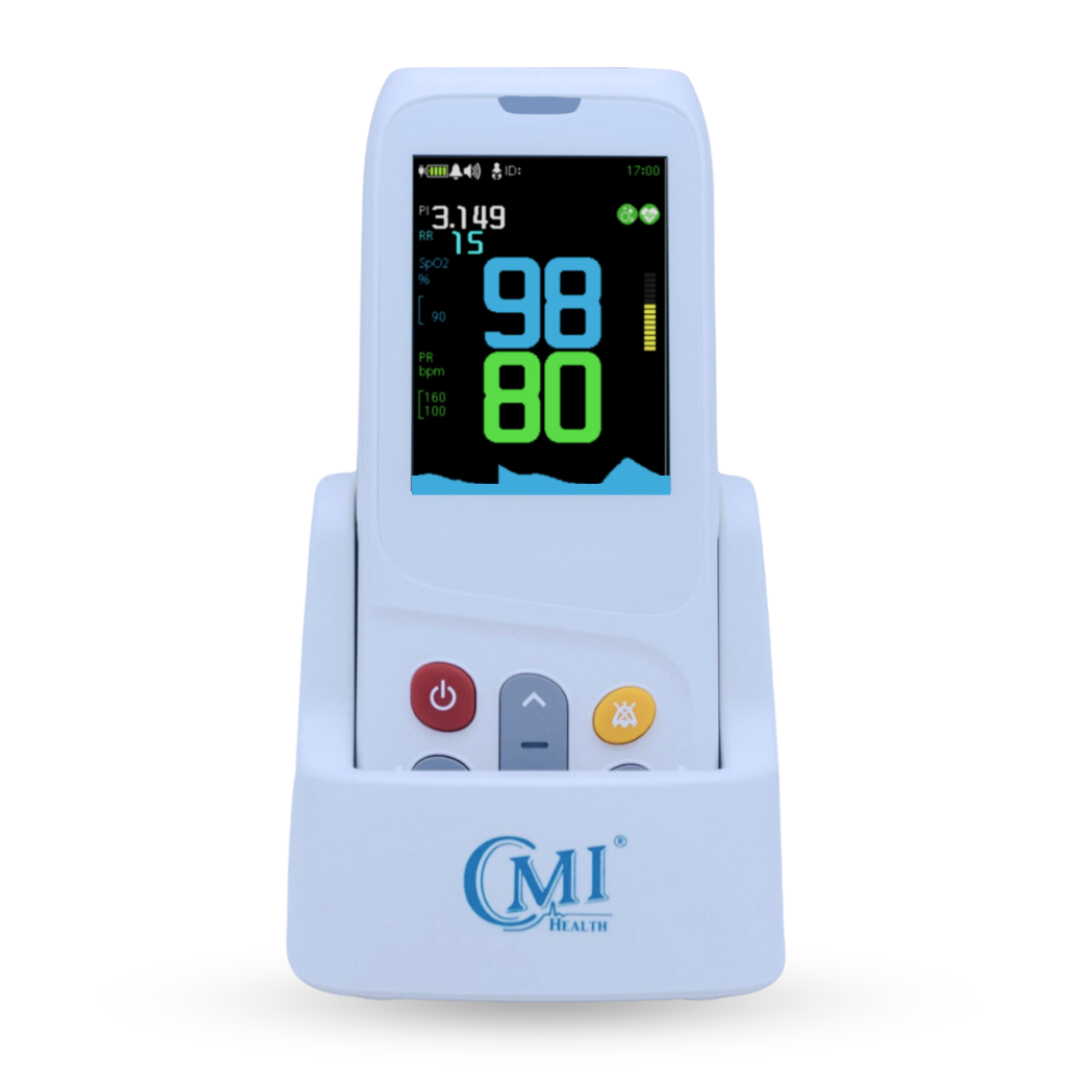
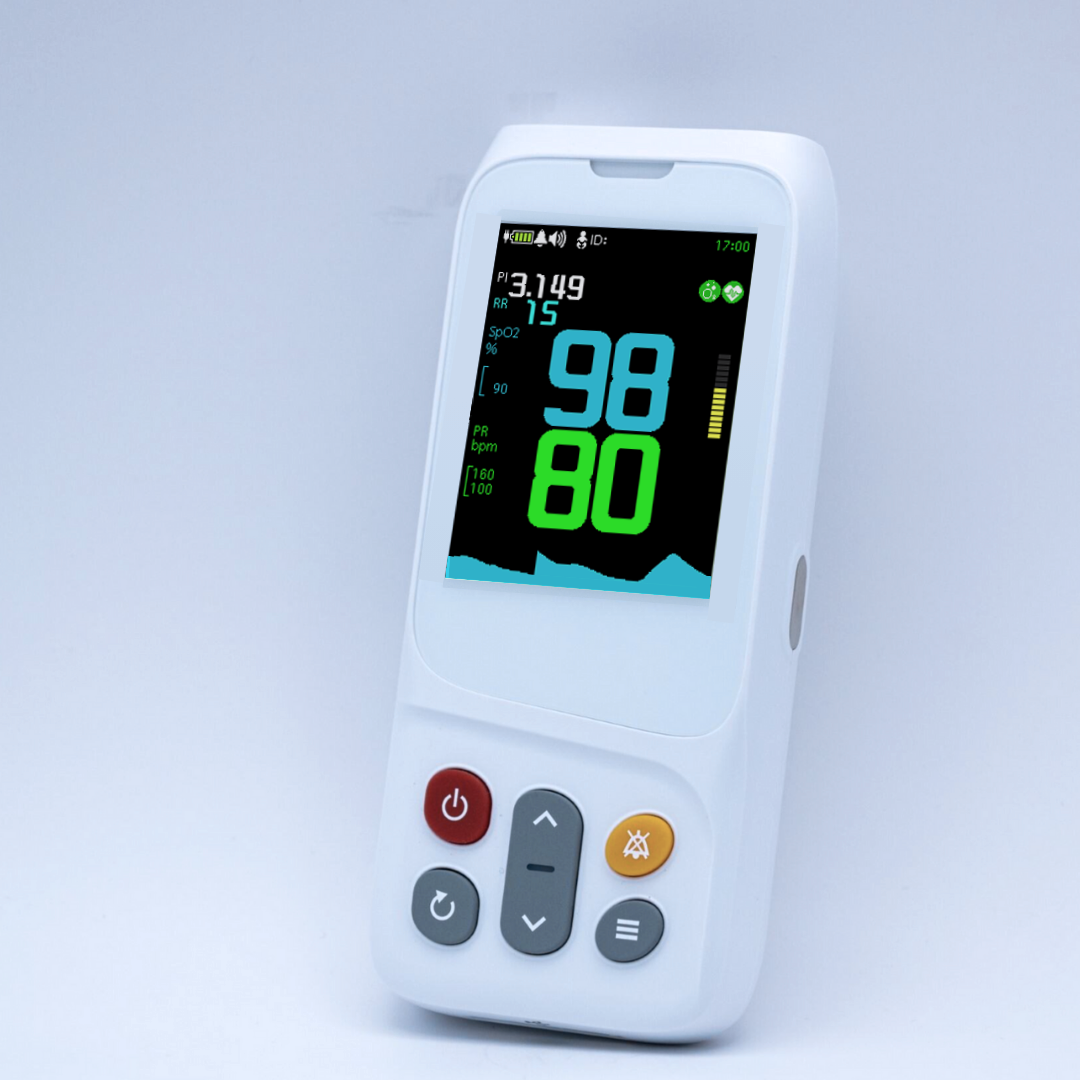
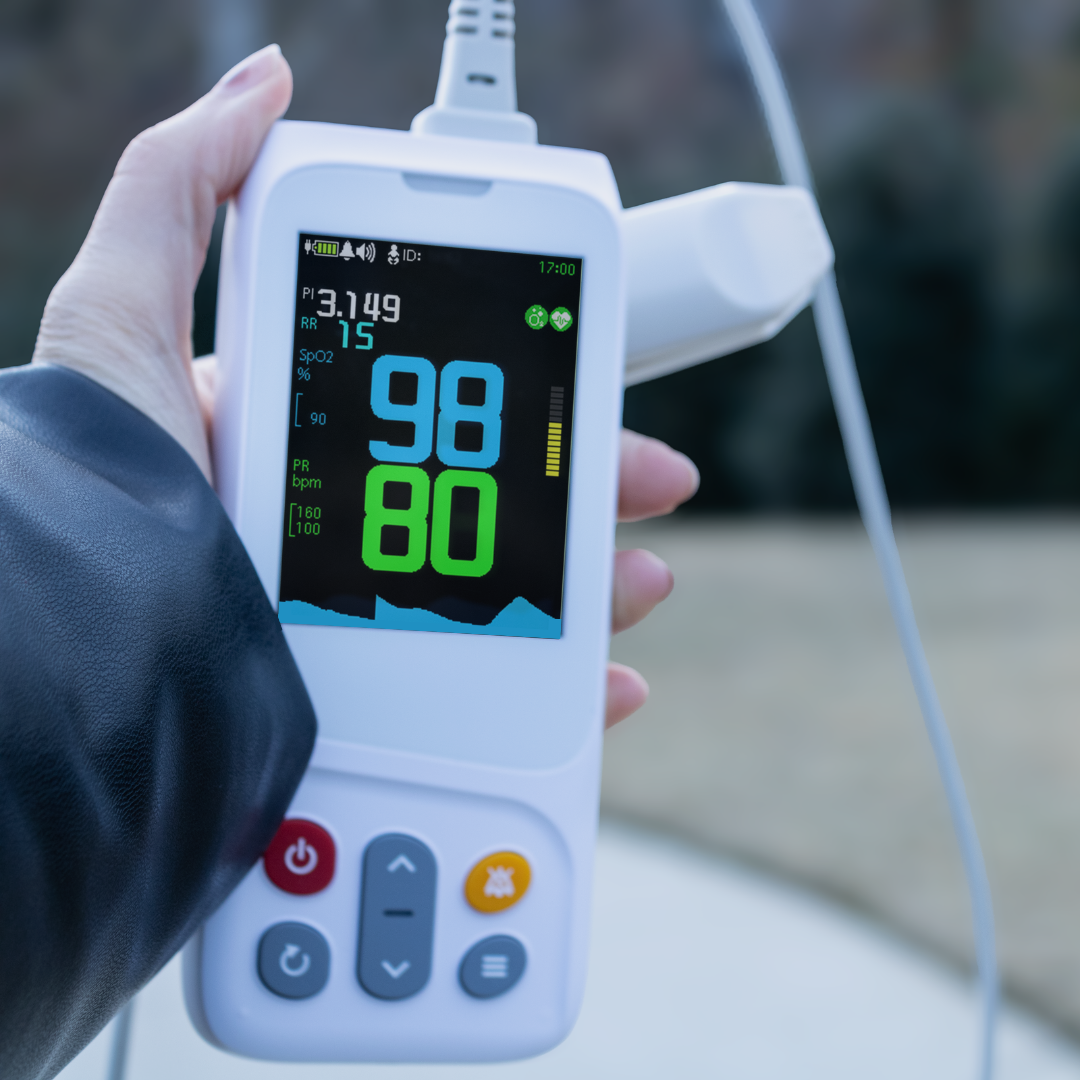
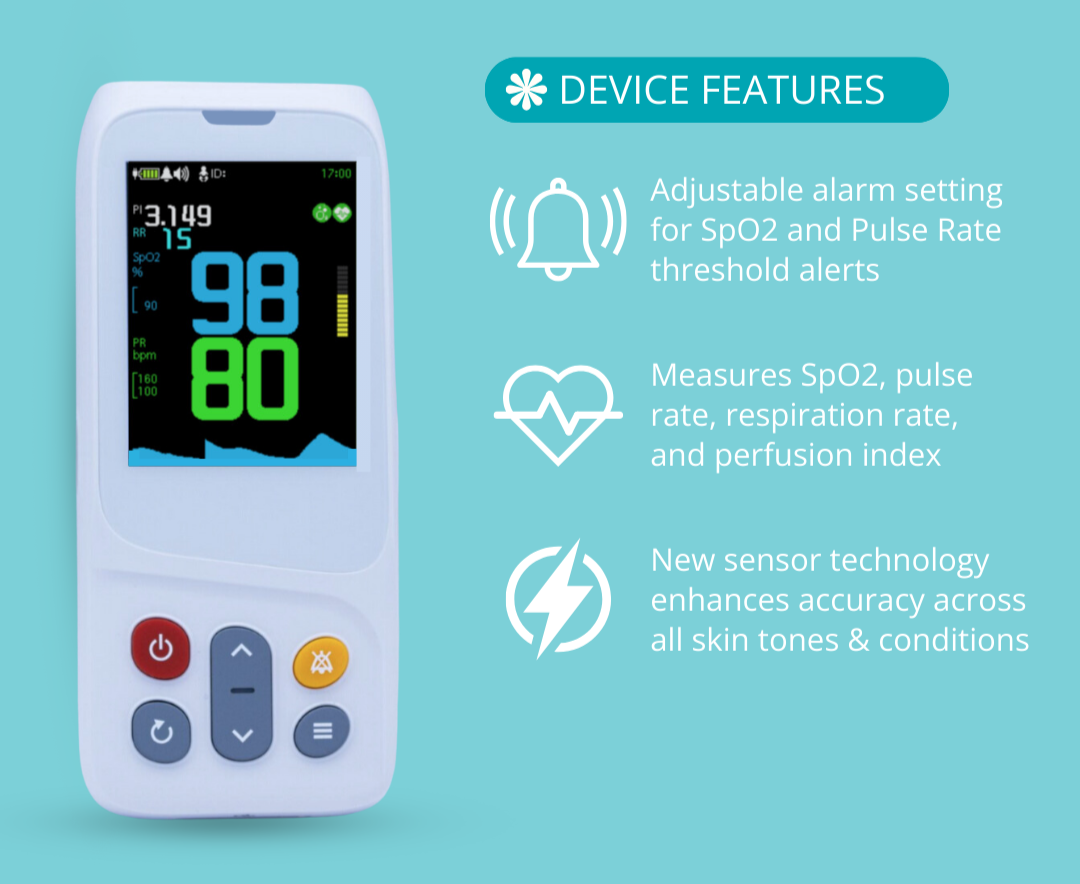
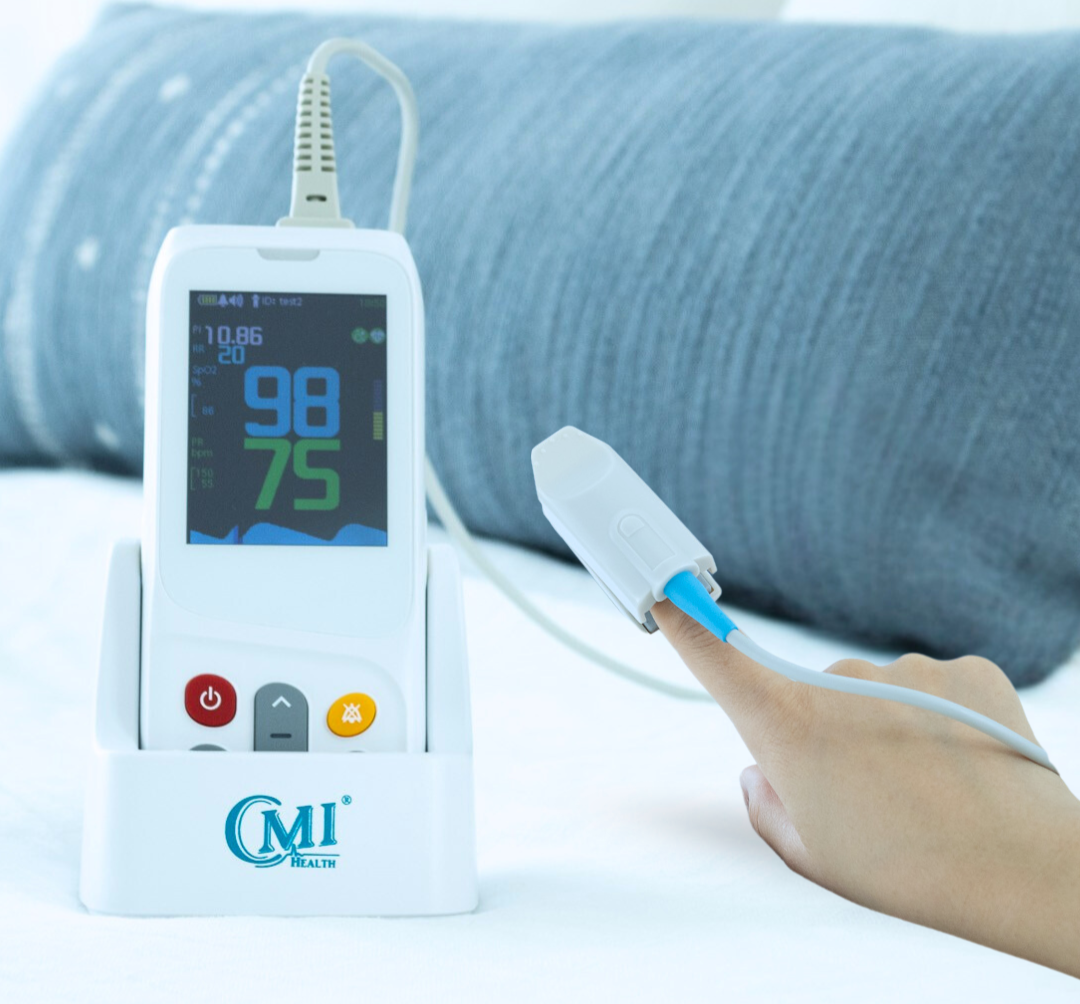
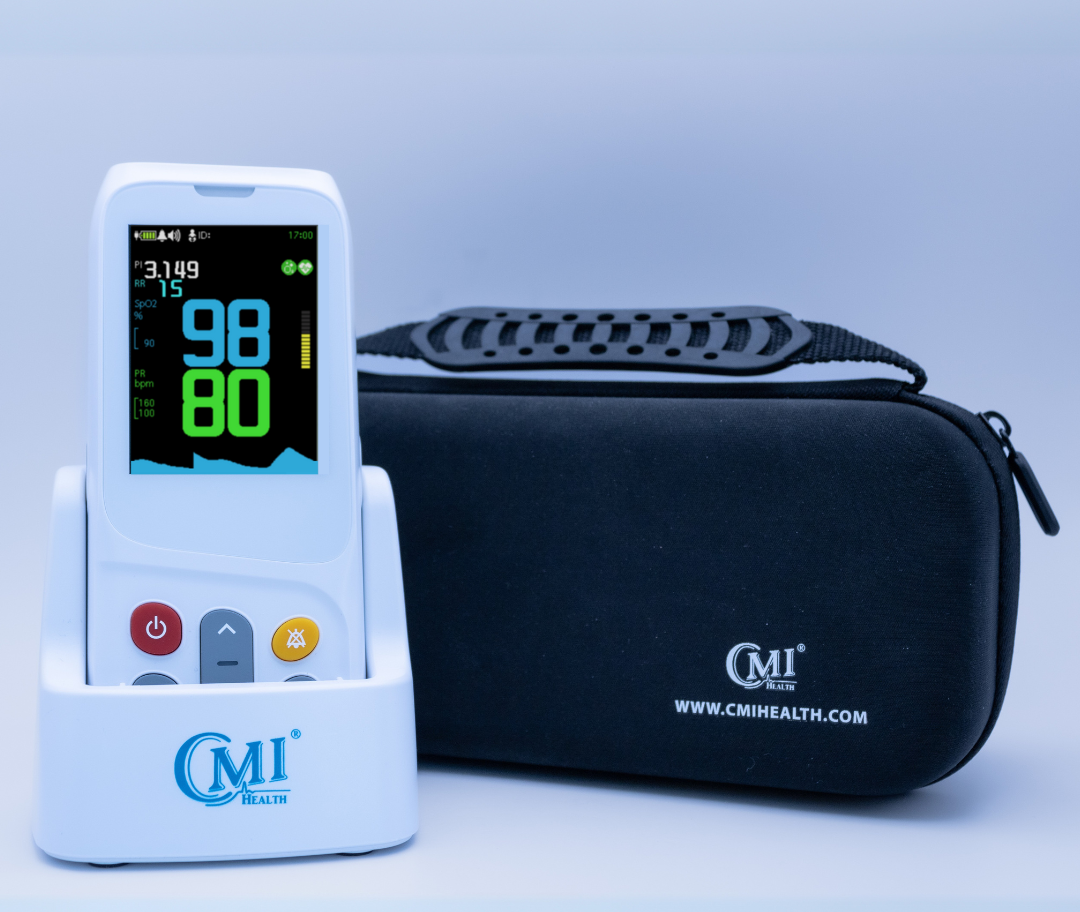
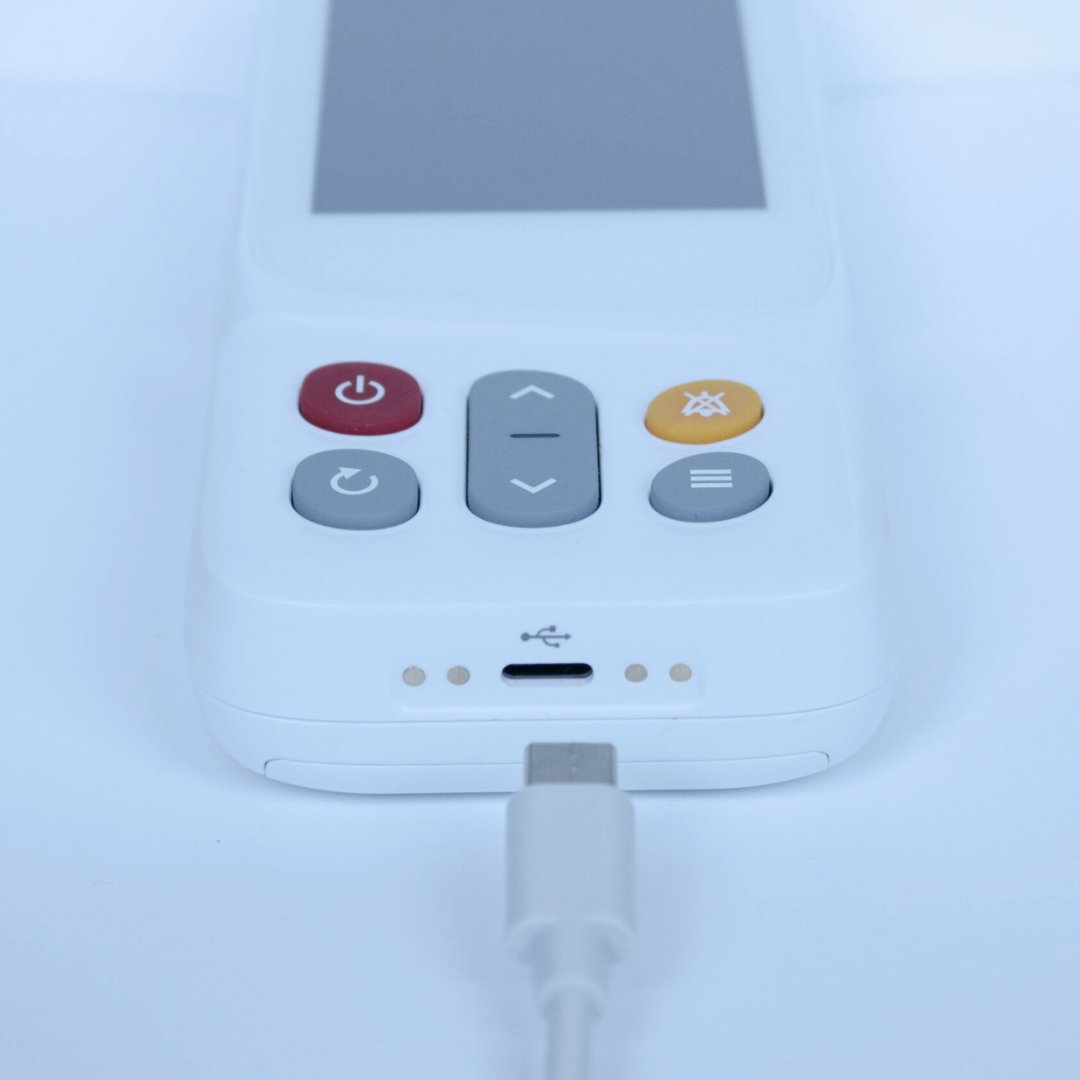
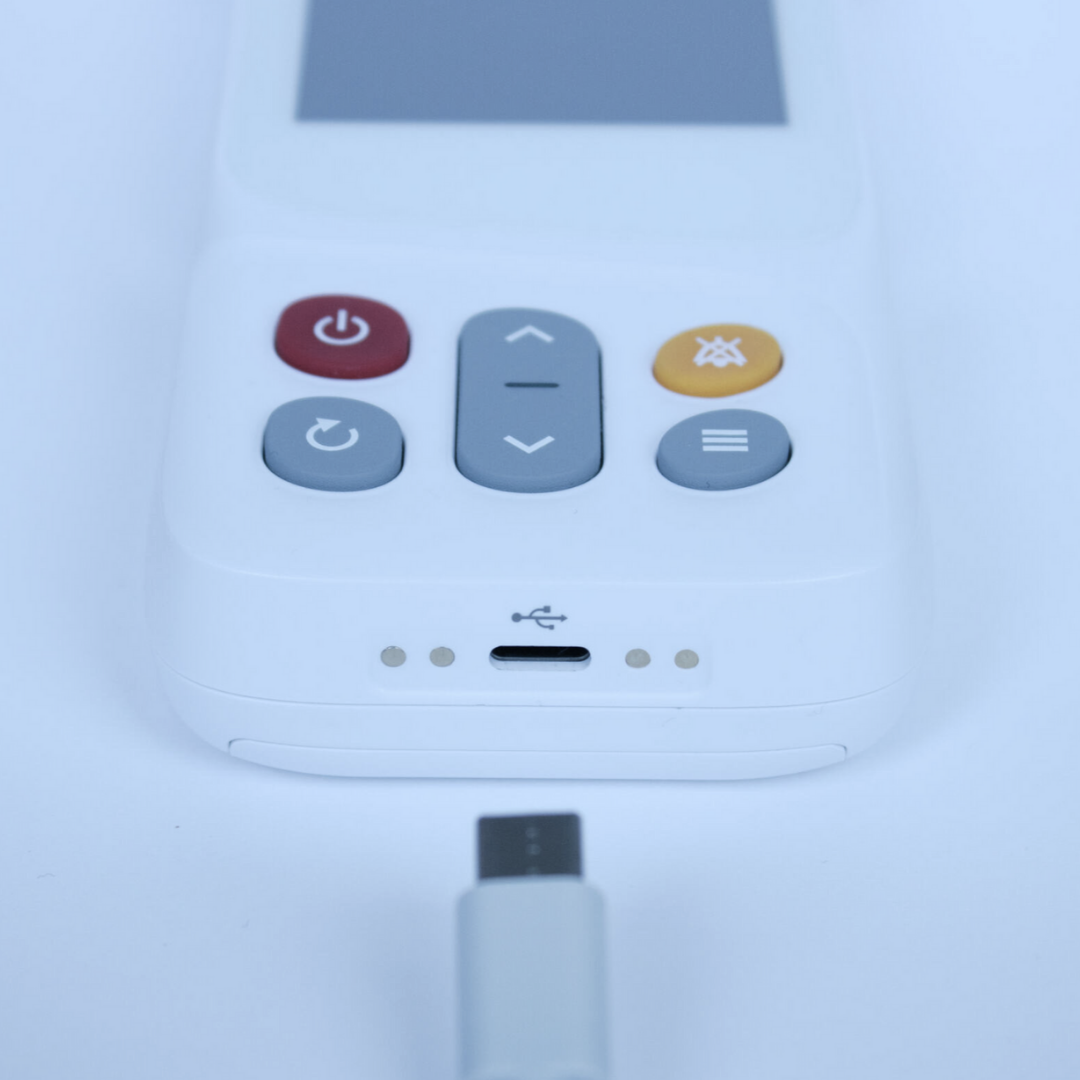
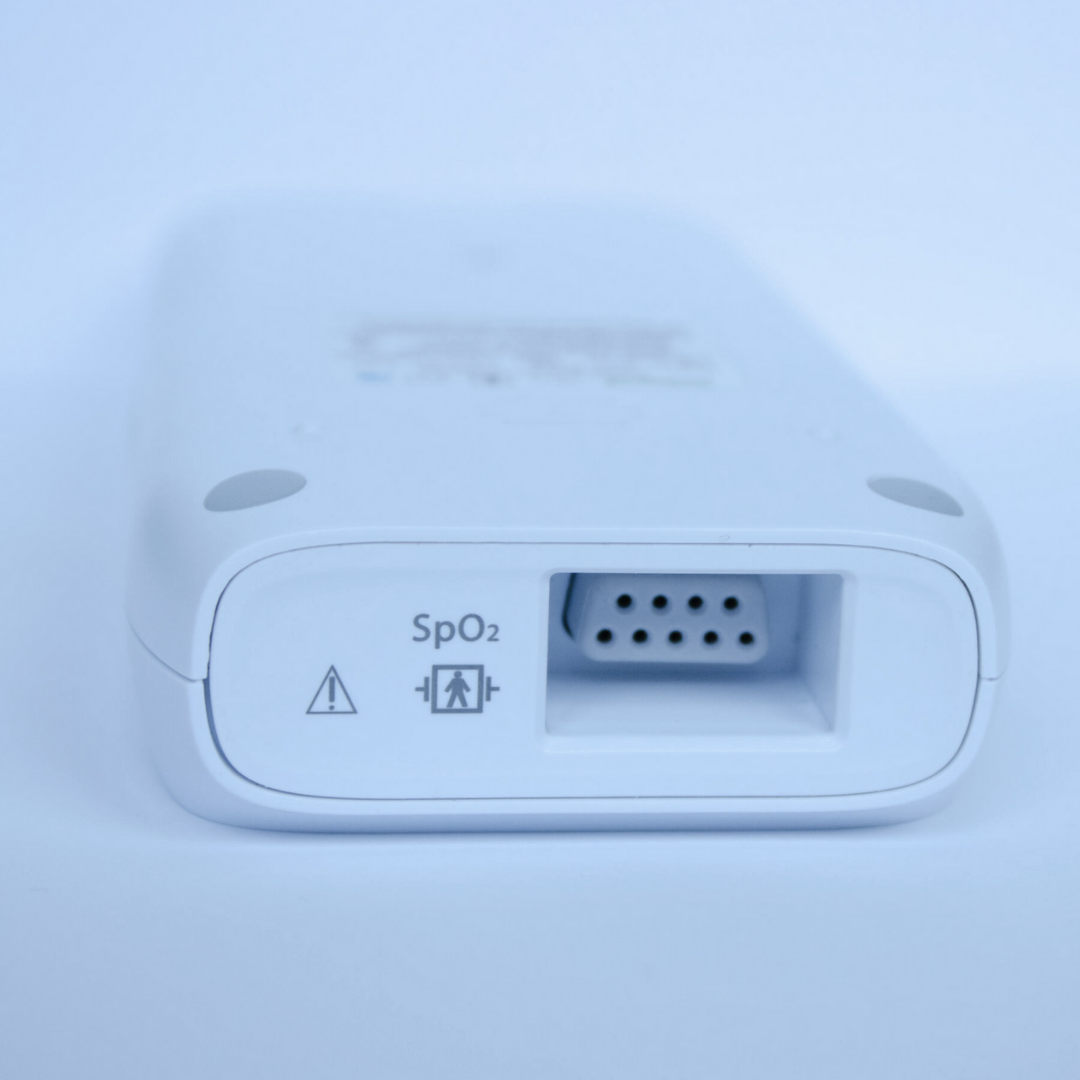
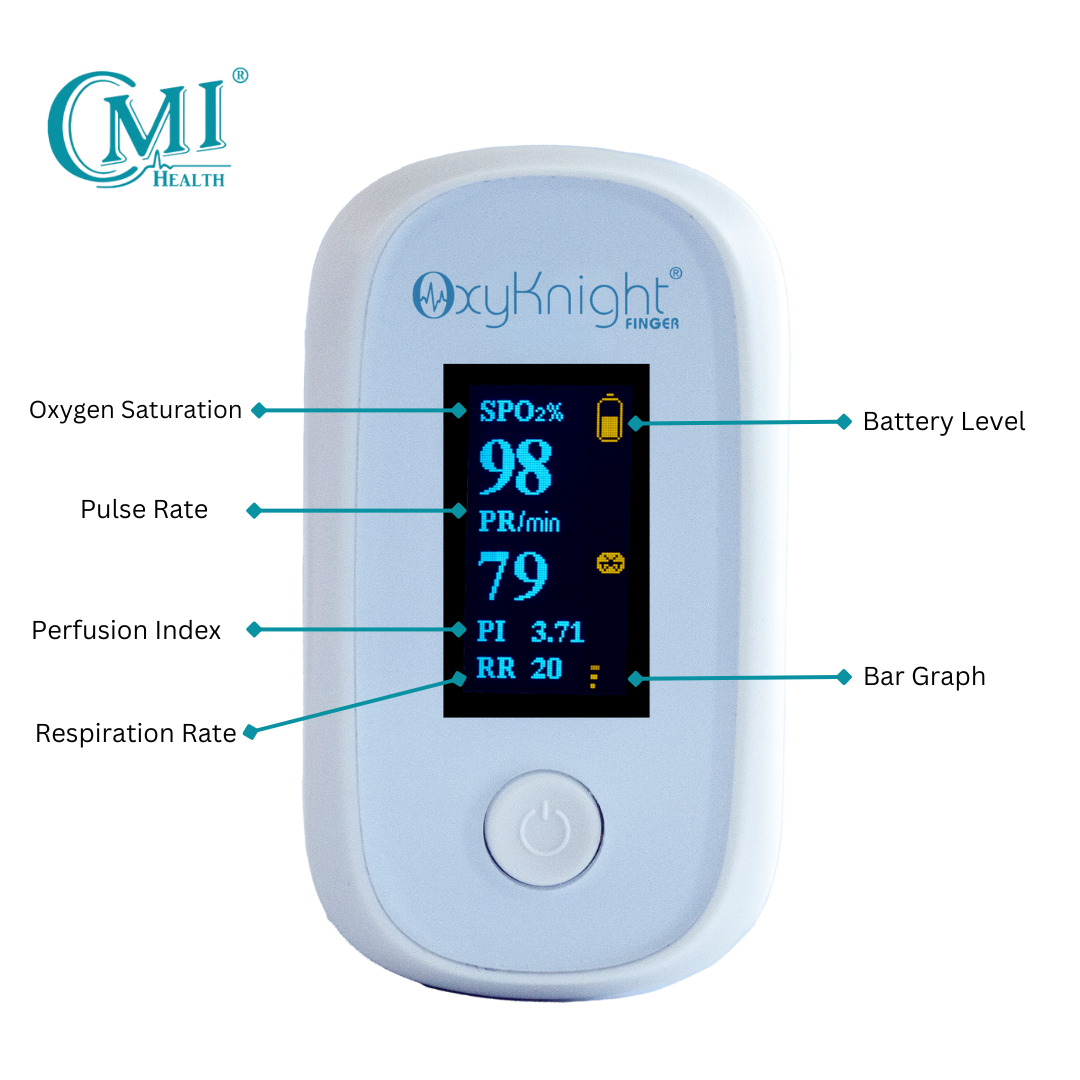
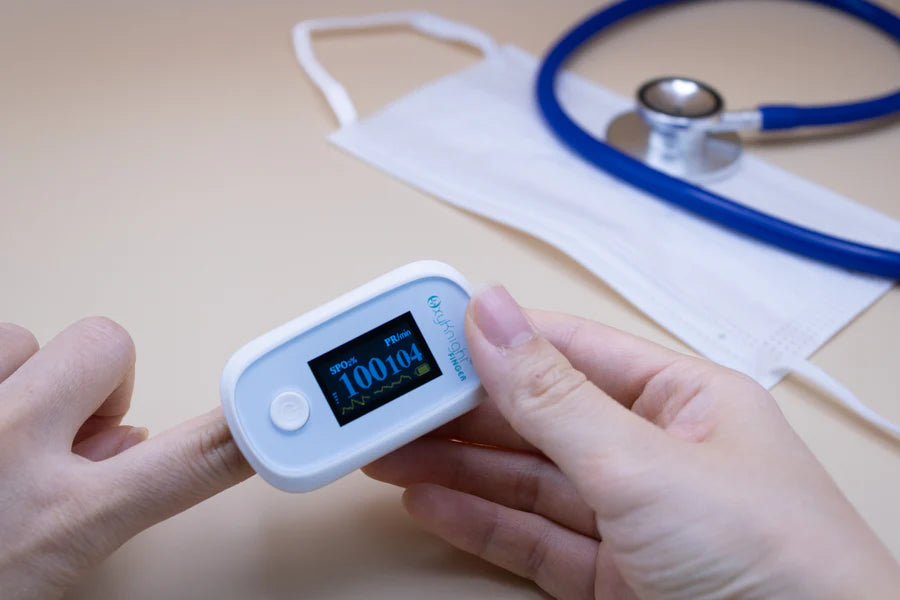
Room temperature and humidity can help you understand your baby's nursery environment. If your healthcare provider has also recommended tracking oxygen saturation or pulse rate at home, the CMI Health PC-66L Rechargeable Handheld Pulse Oximeter with Infant Sensor provides an infant-compatible option for measuring SpO2 and pulse rate.
Frequently Asked Questions About Newborn Room Temperature and Humidity
What is the right room temperature for a newborn?
A general room temperature for a newborn is 68°F to 72°F (20°C to 22°C). Clothing, airflow, sunlight, and other environmental factors can also affect how warm your baby feels.
What temp should a baby's room be at night?
The same general 68°F–72°F range provides a useful starting point at night. The goal is to keep the nursery comfortable while avoiding overheating.
What is the ideal humidity for a baby?
The EPA recommends maintaining 30%–50% relative humidity indoors. This is general indoor-air-quality guidance rather than a newborn-specific medical threshold.
How can I measure humidity in a baby's room?
A hygrometer measures relative humidity. Many digital nursery monitors combine a hygrometer and thermometer, allowing you to check the room temperature and humidity on the same display.
Is 60% humidity too high for a baby's room?
The EPA recommends keeping indoor relative humidity below 60% when possible and ideally between 30% and 50%. Persistent condensation or other signs of excess moisture may indicate that the humidity in the room needs attention.
Do I need a humidifier in my newborn's room?
Not necessarily. Check the room's relative humidity first. If the nursery is already within the general recommended indoor range, adding more moisture may not be necessary.
A Comfortable Nursery Starts With Knowing the Environment
You don't need to constantly adjust the thermostat in search of one perfect number. Instead, use established temperature and humidity guidance as a starting point and pay attention to the actual conditions in your baby's room.
Keeping the nursery around 68°F–72°F and indoor relative humidity around 30%–50% provides practical benchmarks. From there, consider clothing, airflow, seasonal conditions, and how the room changes throughout the day and night.
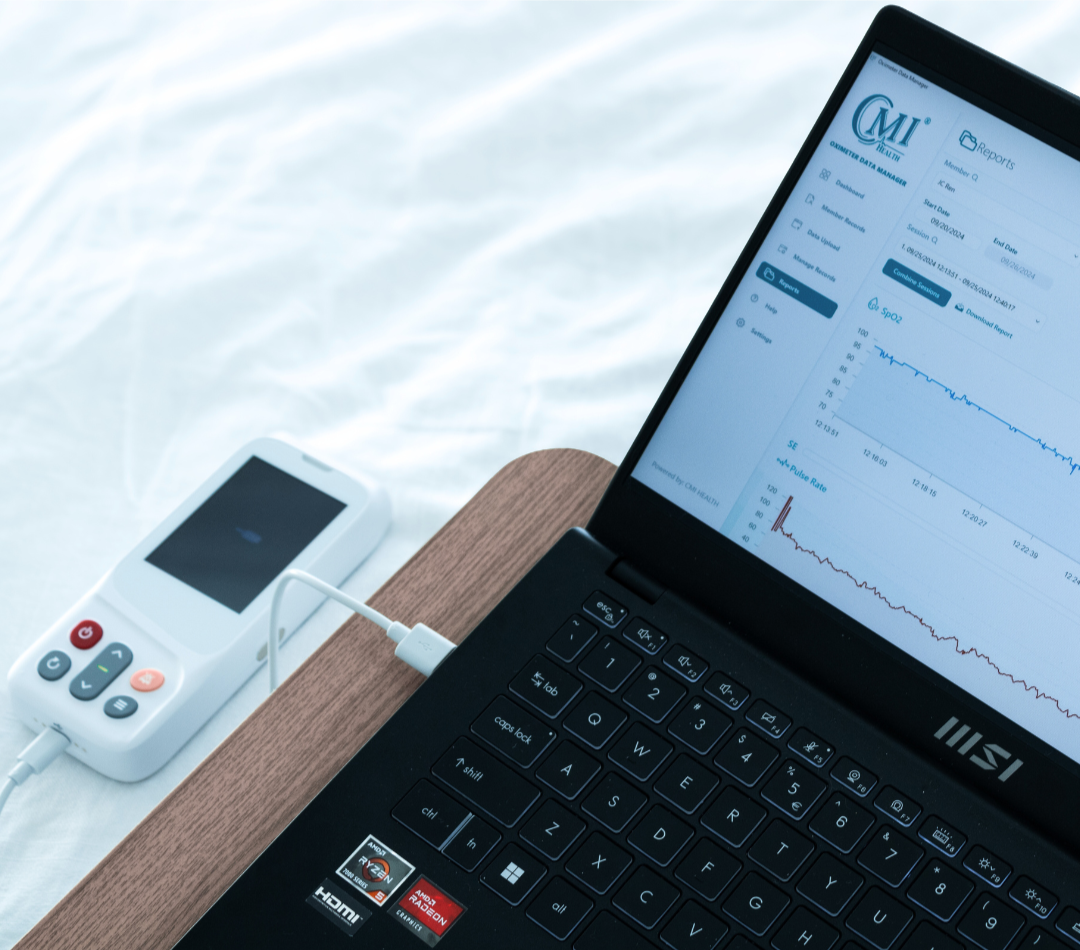
A thermometer and hygrometer can help you understand what's happening in the nursery. For families who need tools for tracking measurements such as SpO₂ or pulse rate at home, CMI Health also offers pulse oximeters and infant-compatible sensors.
If you have questions about the appropriate nursery environment for your newborn or concerns about your baby's health, talk with your pediatrician or another qualified healthcare professional.




Leave a comment