



What Is Pleth? Understanding the Pulse Oximeter Waveform

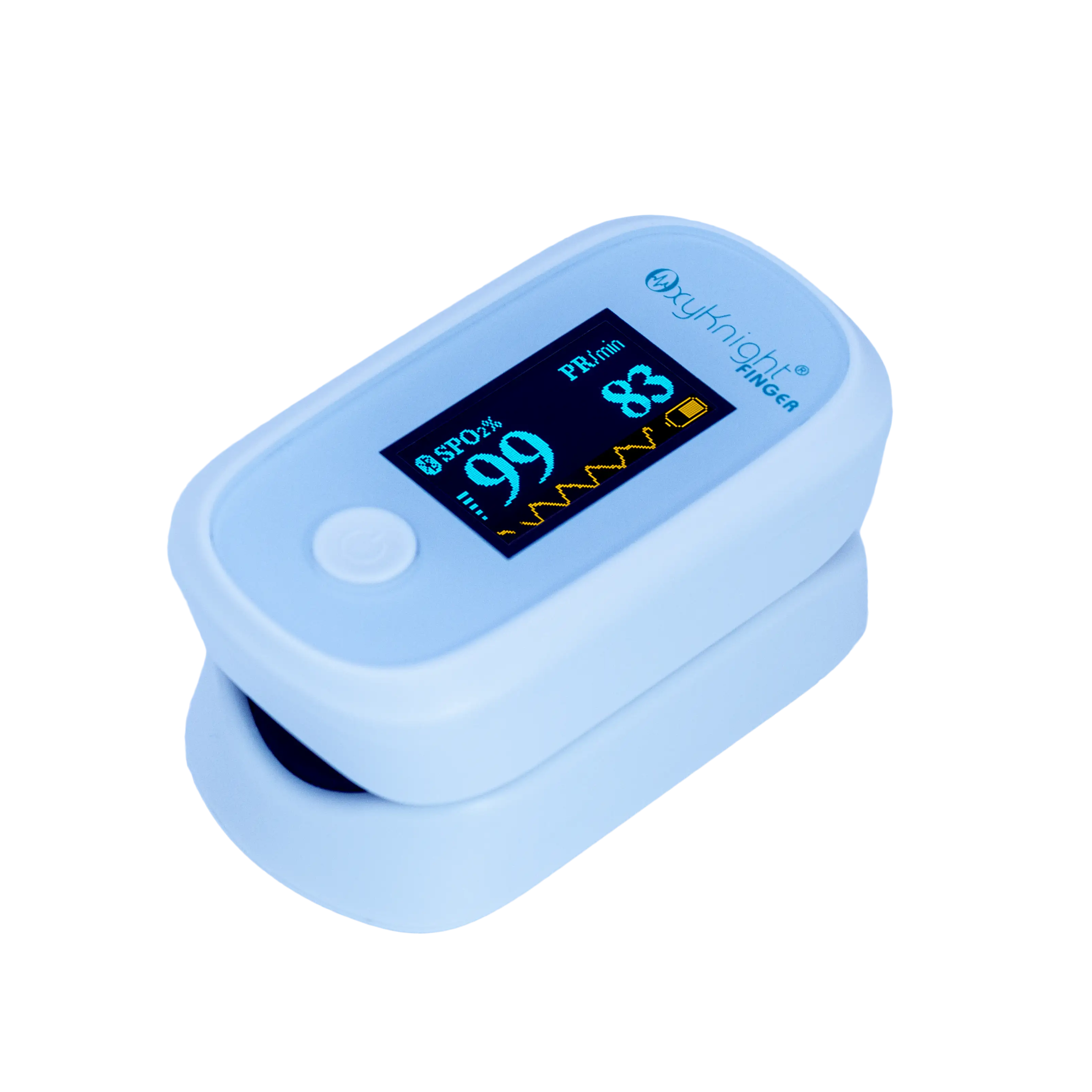
People often focus on the SpO₂ reading when using a pulse oximeter, but what about the wave moving across the screen? What does it mean, and why is it there?
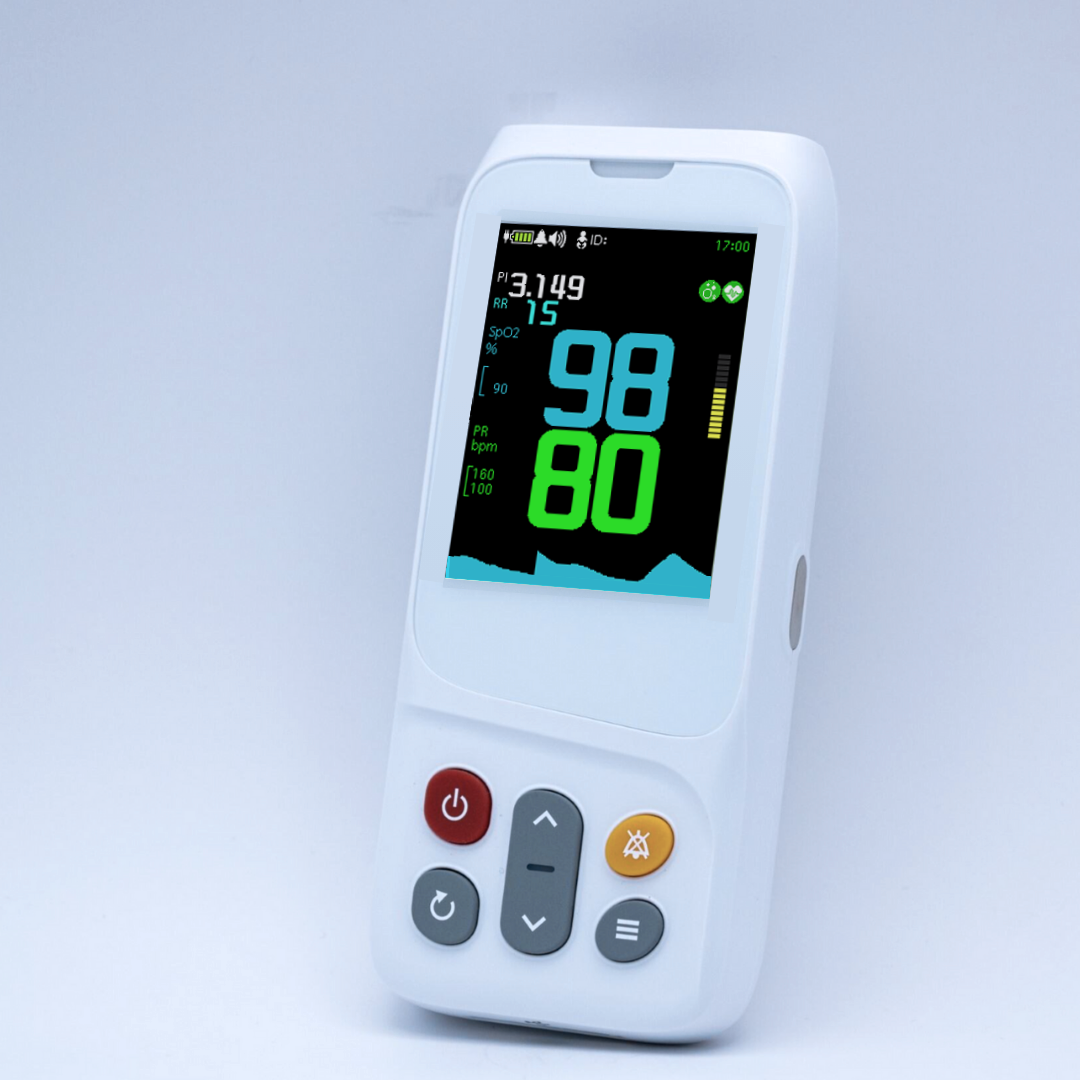
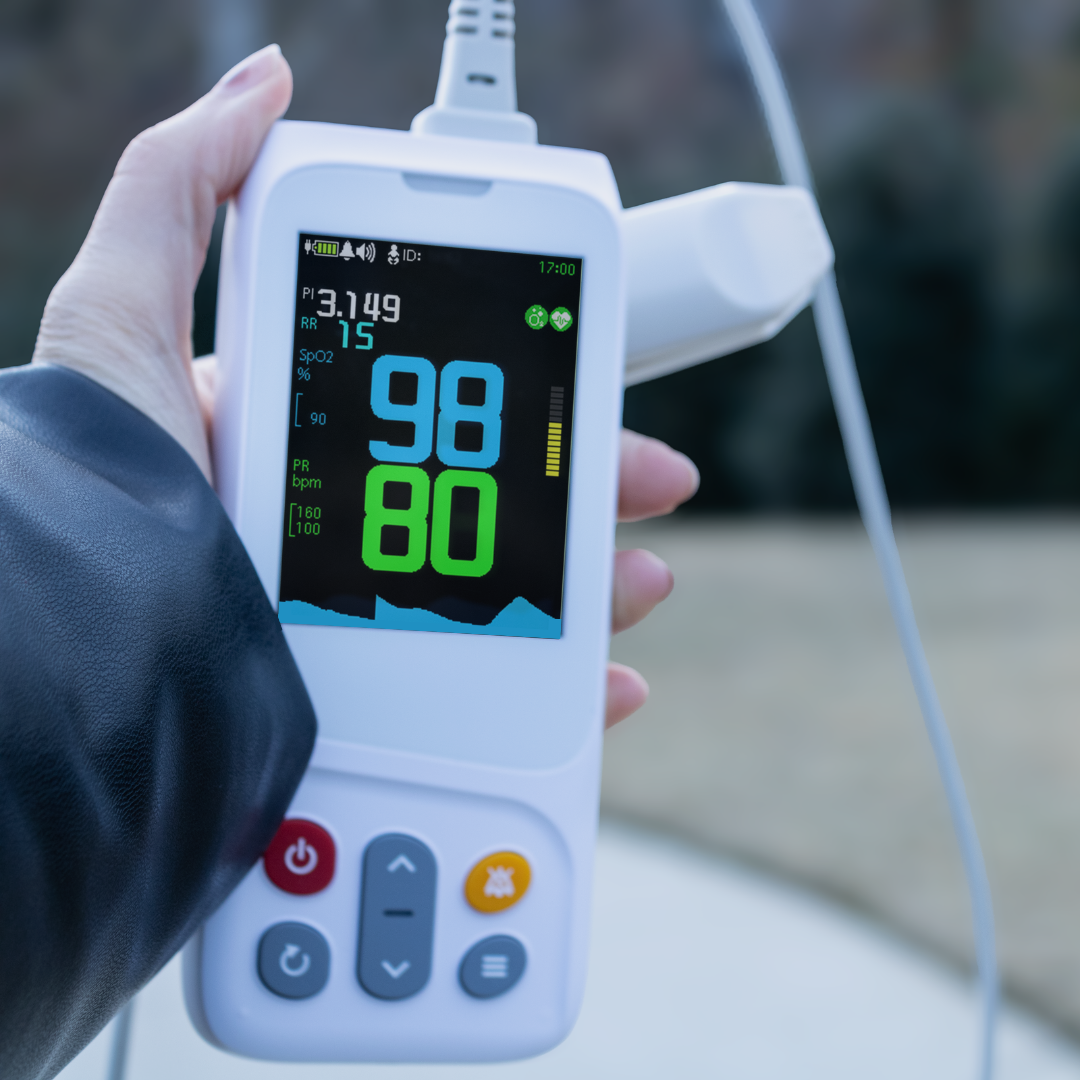
The pulsing wave, or waveform, is called the “pleth,” short for photoplethysmography.
In this guide, we’ll take a closer look at what the pleth waveform is, the different patterns users may see, and what can affect the reading.
What Is Pleth?
“Pleth” is short for photoplethysmography, sometimes abbreviated as PPG.
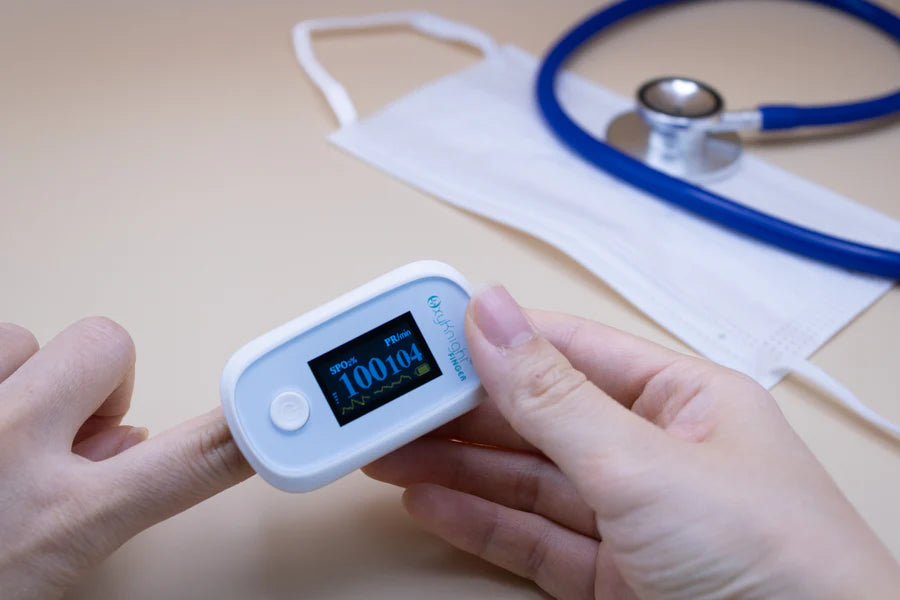
It’s the moving wave shown on many pulse oximeters. Each wave reflects blood flow changes during a reading.
In simple terms:
-
Each wave usually represents a heartbeat.
-
A steady waveform often means the pulse oximeter is getting a strong signal.
-
An unstable waveform may mean the reading is being interrupted by movement, poor circulation, or sensor positioning.
The pleth wave helps show how consistently the pulse oximeter is detecting blood flow during a reading.
How Does a Photoplethysmograph work?
A photoplethysmograph works by using light sensors inside the pulse oximeter.
The device shines light through the fingertip and tracks small changes caused by blood moving through the finger. Those changes create the pleth wave shown on the screen.
Unlike an ECG or heart monitor tracing, the pleth is not measuring the heart’s electrical activity. Instead, it shows changes in blood flow during the reading.
For home users, the pleth is best thought of as a visual sign that the pulse oximeter is getting a clear reading from the finger.
Why Pulse Oximeters Show a Pleth Waveform
Not every pulse oximeter displays a pleth waveform, but many home monitoring devices do.
The pleth wave can help users:
-
notice when movement affects the reading
-
confirm the sensor is picking up a pulse
-
understand why readings sometimes fluctuate
-
see whether the reading appears steady
Some users who monitor oxygen levels over longer periods, including overnight monitoring, may also prefer pulse oximeters that display pleth wave information.
What Does a Normal Pleth Waveform Look Like?

A normal pleth wave usually looks smooth and steady from beat to beat.
The waves are often:
-
evenly spaced
-
similar in height
-
rhythmic throughout the reading
Small changes are normal, especially if the hand moves or breathing changes during the reading.
Common Pleth Waveform Variations
The pleth wave can look different depending on how well the pulse oximeter is picking up blood flow.
Weak or Low Pleth Wave

A smaller pleth wave may happen when blood flow to the finger is reduced. This type of smaller wave is sometimes referred to as “low perfusion,” which simply means less blood flow is reaching the fingertip during the reading.
This can happen because of:
-
cold hands
-
poor circulation
-
loose sensor placement
-
low device battery
In many cases, warming the hands or repositioning the finger can improve the reading.
Noisy Pleth Wave

Sometimes the pleth wave may look jumpy, uneven, or shaky during a reading.
This commonly happens because of:
-
poor sensor contact
-
tremors
-
environmental interference
These interruptions can make the reading appear unstable or inconsistent.
Movement-Affected Pleth Wave

Other times, the wave may show large irregular swings, distorted shapes, or sudden drops.
This is often caused by:
-
talking
-
moving
-
fidgeting
Movement is one of the most common causes of inaccurate pulse oximeter readings at home.
Fading or Flattened Pleth Wave

If the pleth wave keeps fading in and out, the device may be having trouble getting a consistent reading.
Possible causes include:
-
improper finger placement
-
artificial nails
-
dark nail polish
-
low battery power
Sitting still and retaking the reading after a minute often helps improve consistency.

Why the Pleth Waveform Matters
The pleth wave can help show whether the pulse oximeter is getting a reliable reading from the finger.
When the wave looks smooth and steady, the oxygen reading is more likely to remain stable as well.
If the wave suddenly becomes weak or irregular, it may help to pause and retake the reading before focusing too heavily on the numbers alone.
This is one reason many users prefer pulse oximeters that display pleth wave information directly on the screen.
When Should You Recheck a Reading?
It may help to repeat a pulse oximeter reading if:
-
the pleth wave disappears suddenly
-
numbers fluctuate rapidly
-
hands are cold
-
movement occurred during the reading
-
the device struggles to detect a pulse
Waiting a minute and retesting in a calm, seated position often improves consistency.
If readings remain unexpectedly low or symptoms are concerning, users should contact a healthcare professional.
Final Thoughts
The pleth waveform may look technical at first, but it’s simply another way for the pulse oximeter to show how it’s detecting blood flow during a reading.
In many cases, changes in the pleth wave are related to movement, circulation, or finger placement rather than oxygen levels themselves.
By understanding what the pleth wave shows and what different patterns may look like, home users can feel more confident using a pulse oximeter and knowing when it may help to retake a reading.
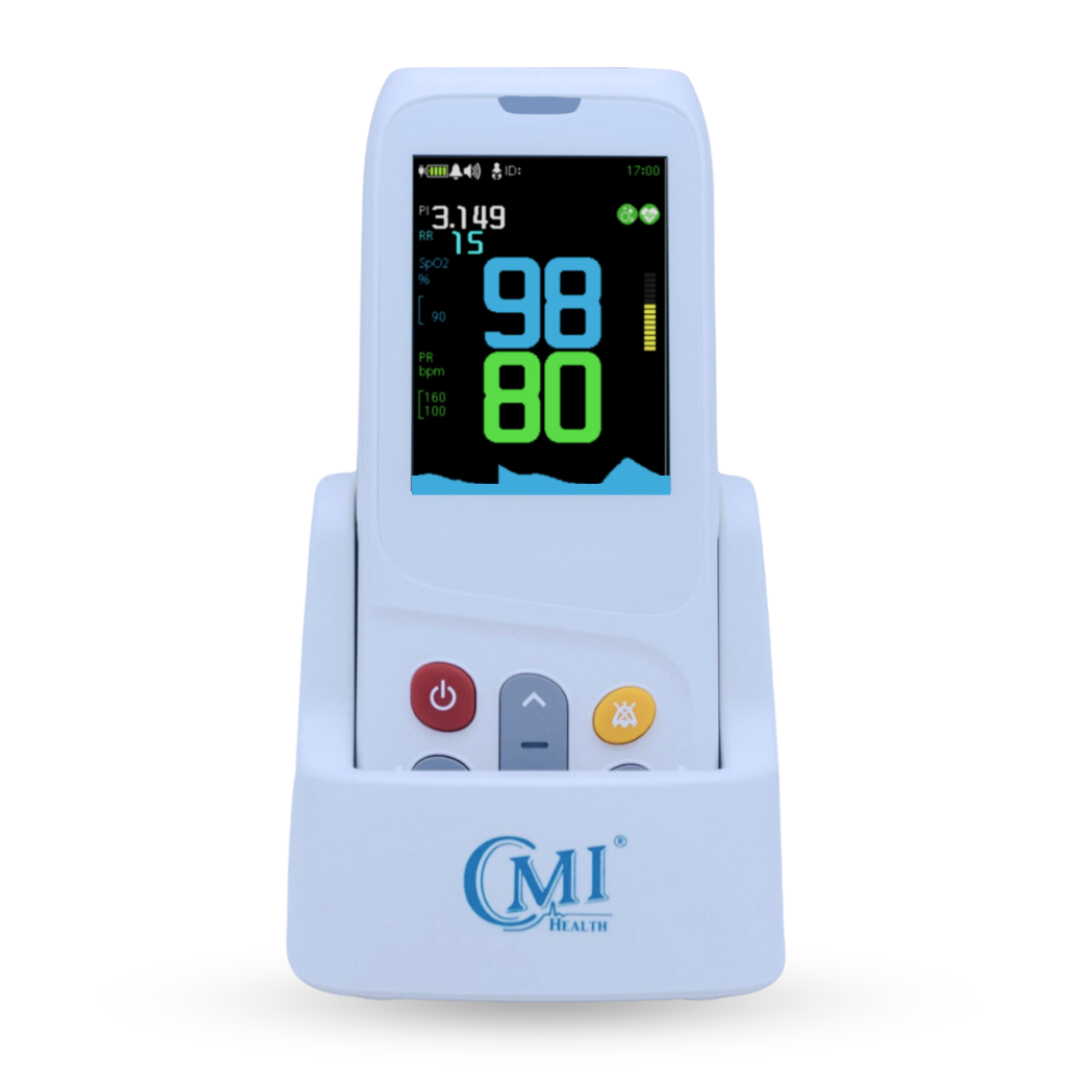
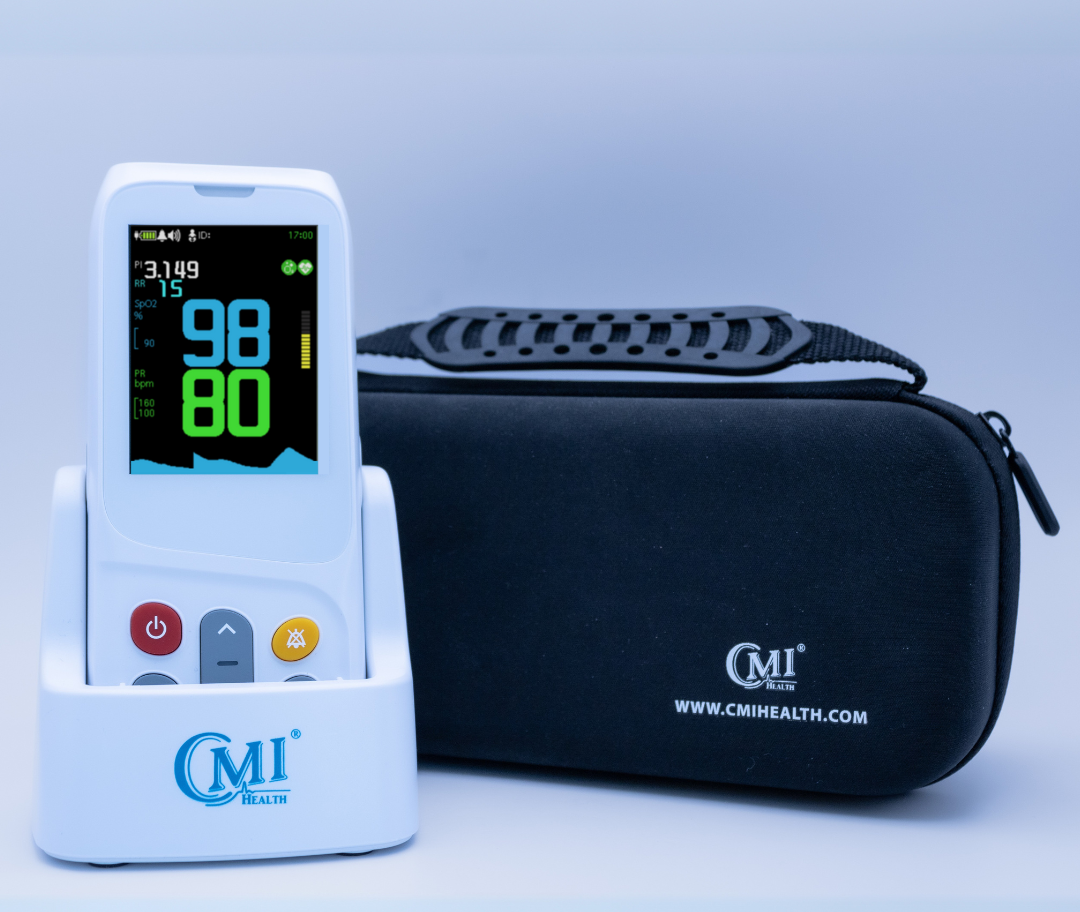
Looking for a pulse oximeter with easy-to-read waveform monitoring? Explore CMI Health pulse oximeters designed for clear, reliable home readings.




Leave a comment