



Which Finger You Should Use a Pulse Oximeter On | CMI Health

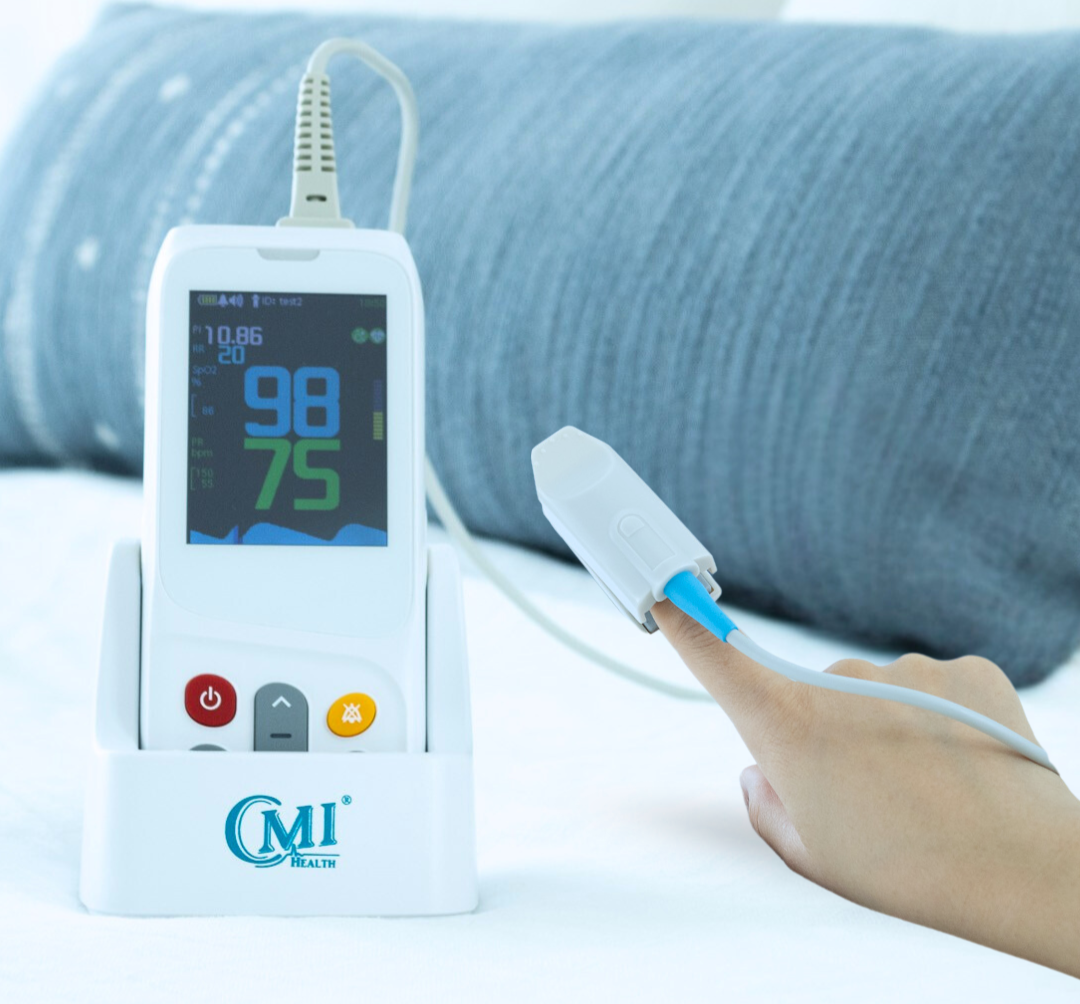
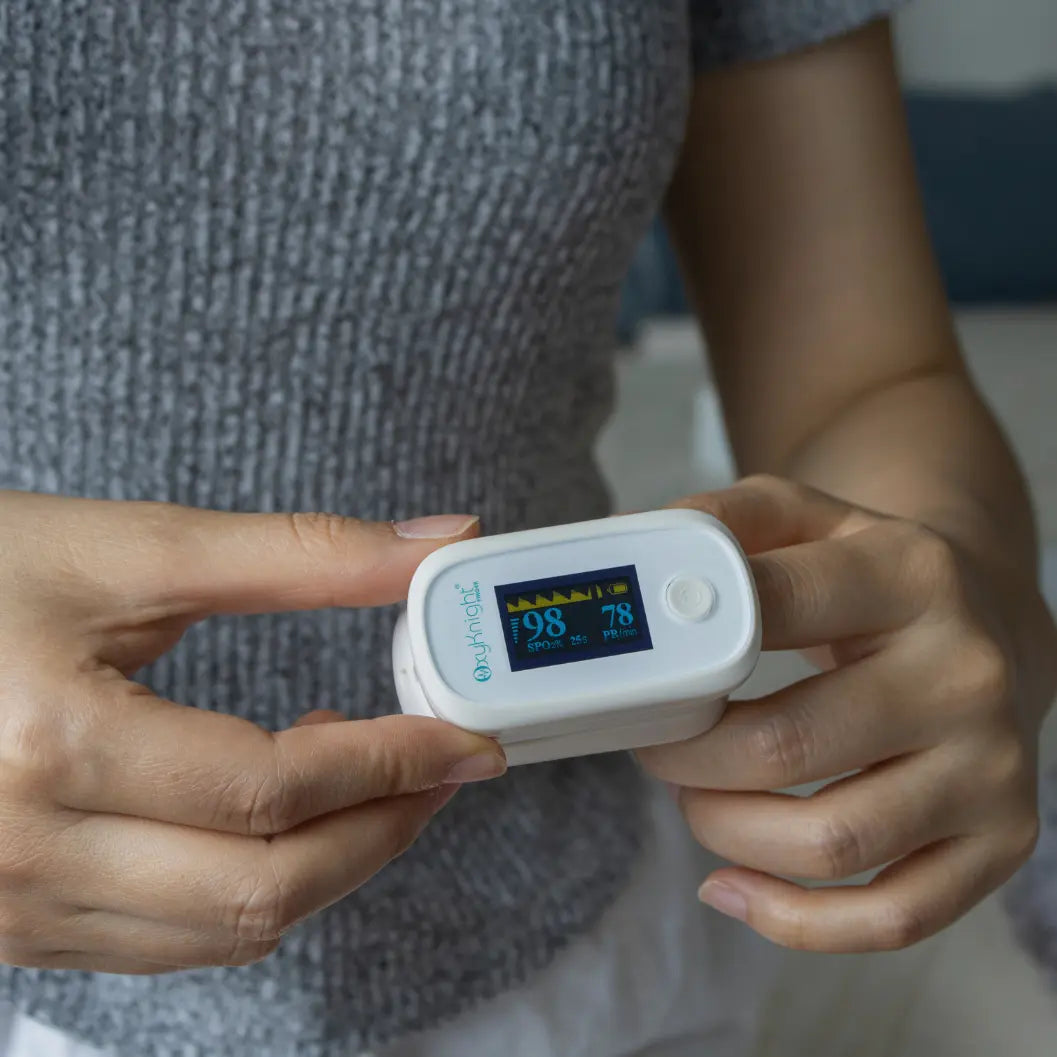
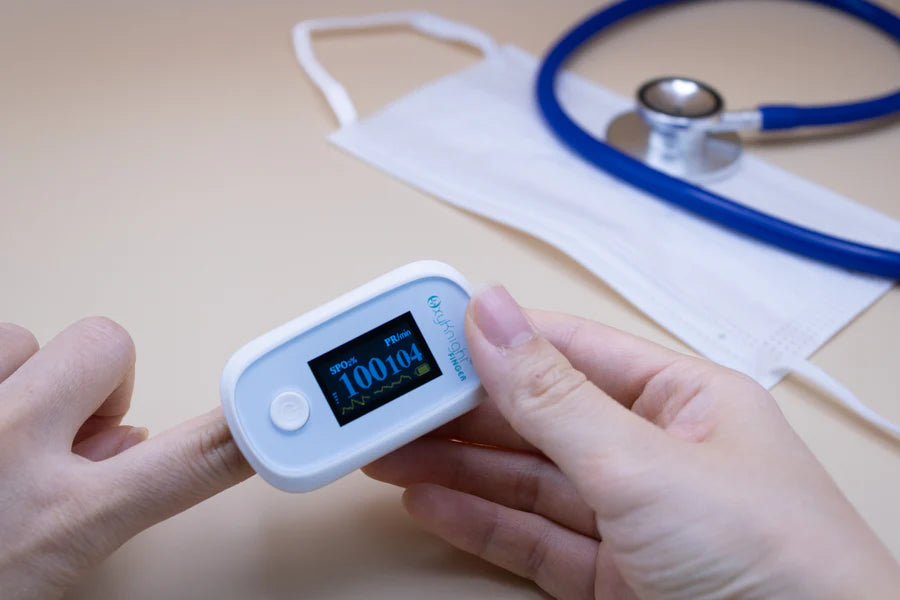
Finger probe pulse oximeter sensors are one of the most common variations of at-home pulse oximetry devices used across the country. Designed to make taking your oxygen saturation readings as quick and painless as possible, this method is the best at accommodating a fast-paced lifestyle. However, many who use these devices often find themselves wondering whether they’re placing their probe correctly—or even whether they’re getting accurate enough readings. Continue reading to learn which finger you should use a pulse oximeter on and why it makes a difference.
Why Take Oximeter Readings Using a Finger?
It’s common knowledge that oxygen readings can be taken on various parts of the body—such as the earlobe or even a toe. But few areas offer the convenience that the finger does. Always accessible and inconspicuous, the finger makes the perfect place to quickly attach a probe, get a reading, and move on with your day. After all, there’s no need to pull your hair back or take off your shoes for something that should only take a few minutes.
Optimal Probe Placement on the Finger
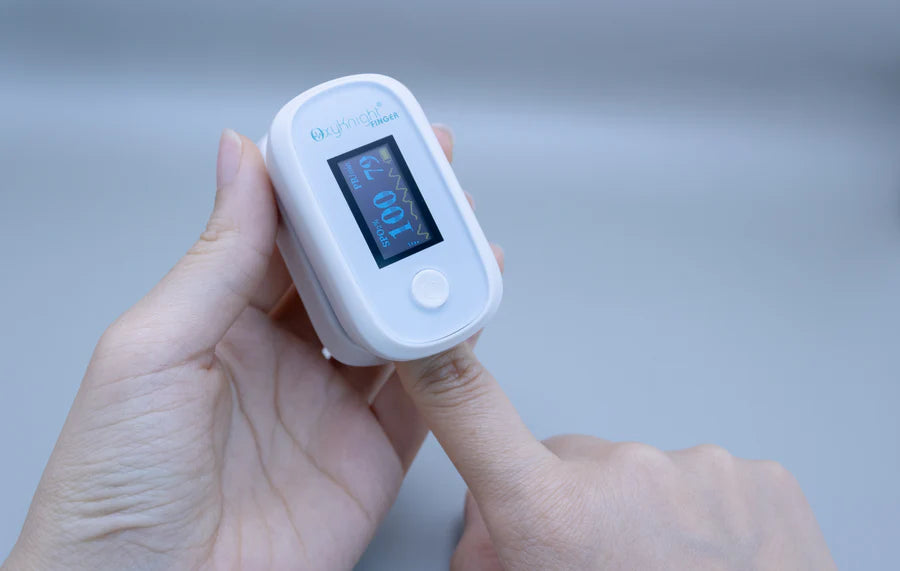
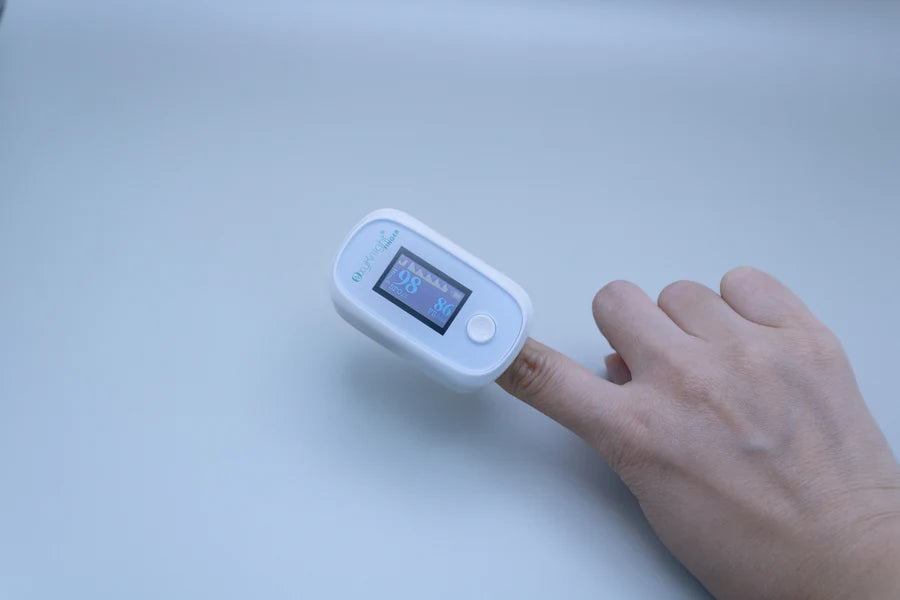
But when it comes down to which finger you should use a pulse oximeter on, the answer isn’t as cut and dried. Based on the results of one specific study, it was found that the highest SpO2 value was measured by the subjects’ right middle fingers. However, this variance was very slight when compared to the readings of all the other fingers. For this reason, it’s believed that you will obtain similar measurements regardless of which finger you place the probe on. It is still in good practice to reduce the margin for error by using a more uniform digit like the index or middle finger rather than the pinky or thumb.
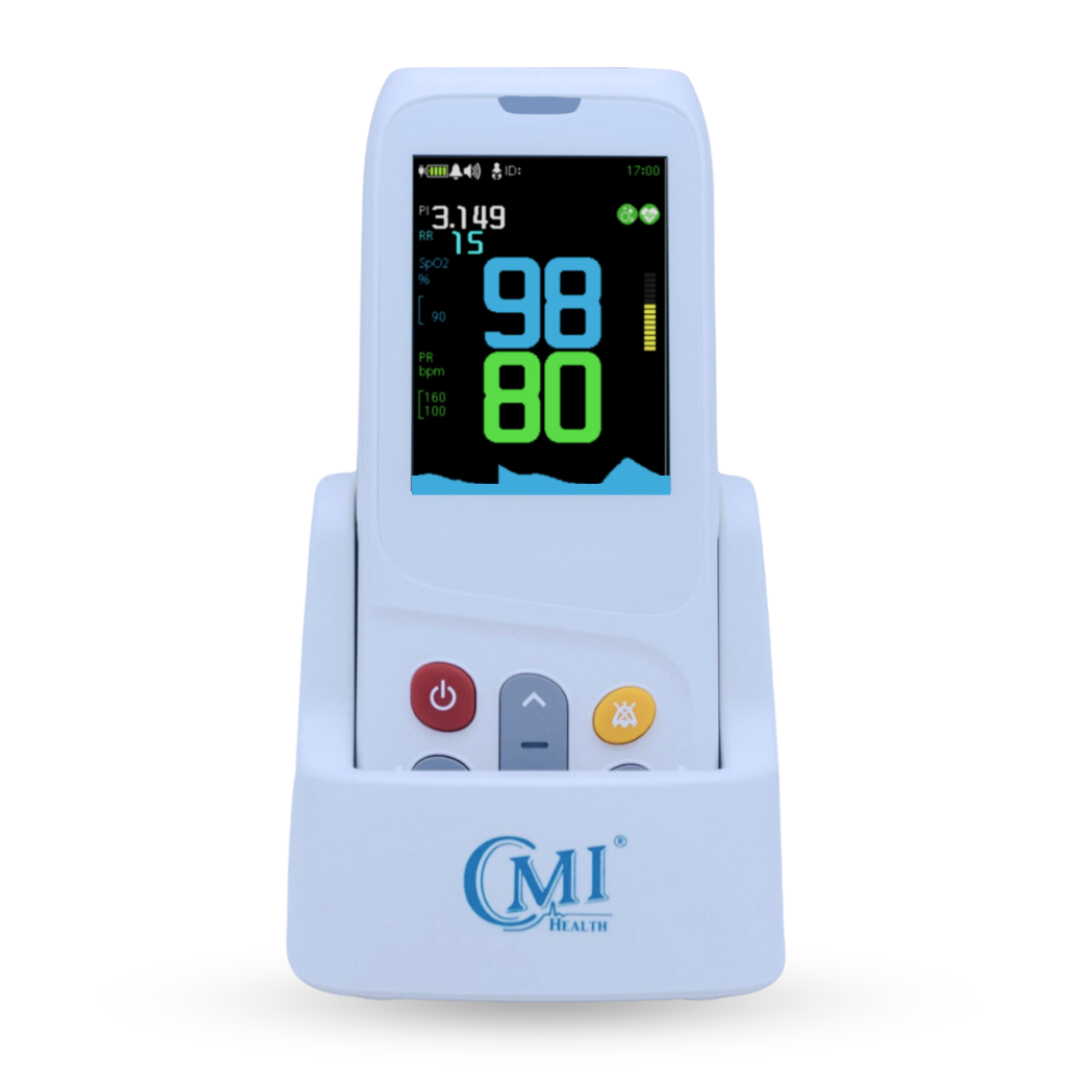
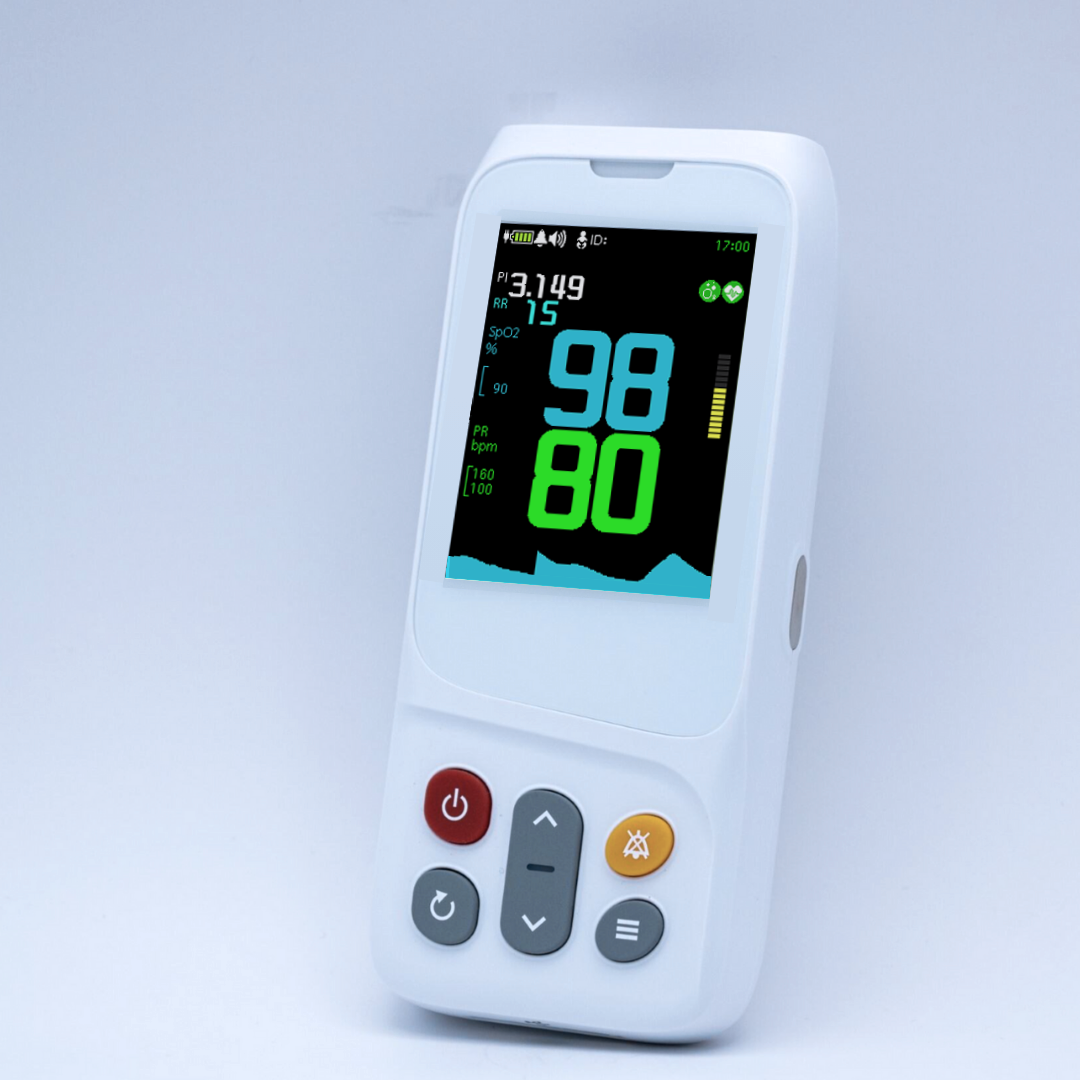
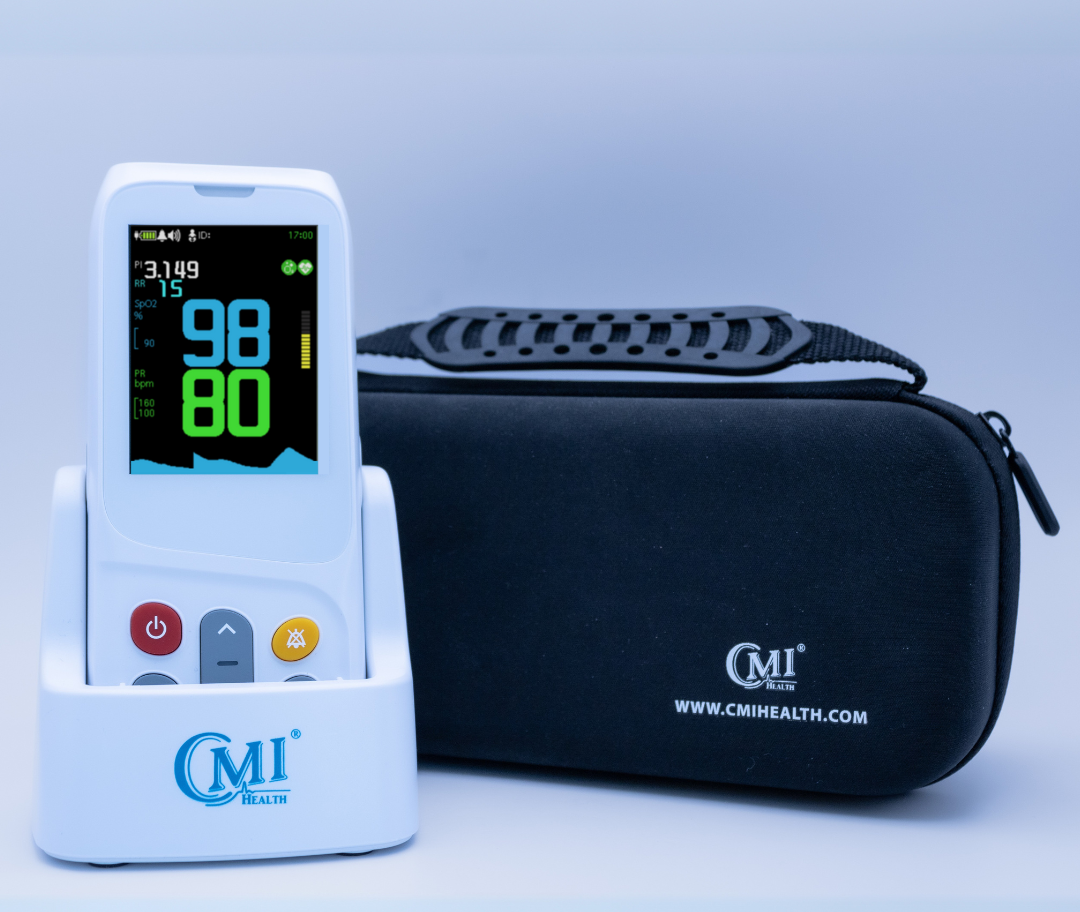
Once you've found the right finger, having an accurate oxygen saturation reader makes the biggest difference in getting reliable readings.
Factors That Can Affect Oximeter Finger Readings
It is important to mention as well that while the finger itself might not dictate a difference in SpO2 readings, the substances present on them can. Those wearing dark-colored nail polish or artificial nails are more likely to obtain inaccurate readings because the probe’s sensing lights can’t count cells properly through these surfaces. It’s also possible for an oximeter probe to misread if you fail to wash your hands before using it. A layer of grime or dust particles can hinder the light’s ability to reflect, so you should always wash your hands prior to using your device. Other factors that can affect pulse oximeter readings include quick body movement while taking your readings, outside lighting, and poor blood circulation.
For more information on how pulse oximeter sensors take their readings, reach out to CMI Health Inc. Along with our handheld pulse oximeter accessories, we also offer insight into the medical science behind these complex machines. We find that this not only makes it easier for our customers to use our products, but it makes them more confident as well.
Frequently Asked Questions
Why is the finger the best place to take a pulse oximeter reading?
The finger is always accessible and easy to use, which makes it ideal for quick readings. Unlike the earlobe or toe, there's no need to pull back hair or remove shoes. You can simply clip on the probe and get a reading in a few minutes.
Which finger should I use a pulse oximeter on?
Research has found that the right middle finger tends to produce the highest SpO₂ readings, but the difference compared to other fingers is very slight. In practice, you can expect similar results no matter which finger you use.
Does it matter if I use my index finger instead of my middle finger?
Not significantly. While the right middle finger showed marginally higher readings in one study, using the index or middle finger is still recommended because they're more uniform in shape than the thumb or pinky, which helps reduce the margin for error.
Can nail polish or artificial nails affect my pulse oximeter reading?
Yes. Dark-colored nail polish and artificial nails can interfere with accuracy because the probe's sensing lights aren't able to properly read through these surfaces.
Do dirty hands affect pulse oximeter accuracy?
Yes. A layer of grime or dust on your hands can block the probe's light from reflecting properly, which can lead to an inaccurate reading. Washing your hands before using your device is recommended.
What other factors can affect pulse oximeter readings?
Besides nail polish and unwashed hands, accuracy can be affected by quick body movement while taking the reading, outside lighting, and poor blood circulation.
Should I use my thumb or pinky finger for a more accurate reading?
It's better to avoid the thumb or pinky since they are less uniform in shape than the index or middle finger. Using a more standard-sized digit helps minimize the chance of an inaccurate reading.
Can I take a pulse oximeter reading somewhere other than my finger?
Yes, readings can also be taken from areas like the earlobe or toe. However, the finger remains the most convenient and commonly used option for quick, everyday readings.
Interested in purchasing your own Pulse Oximeter or Pulse Oximeter Accessories? View our collection of easy to use, consumer grade measurement devices here.




Leave a comment