


CCHD Screening for Newborns: What Parents Should Know

Learn why CCHD screening is performed, how pulse oximeters are used during the process, and what the results may mean for your newborn.
Written by Dallas Atkins, CMI Health
When your baby is born, several routine health screenings take place before you leave the hospital. While some screenings involve a blood sample or hearing test, another important assessment uses a pulse oximeter to measure your baby's oxygen levels.
Known as Critical Congenital Heart Disease (CCHD) screening, this quick and painless test helps healthcare providers identify certain serious heart defects that may not be obvious immediately after birth.
While the name may sound intimidating, CCHD screening is a simple and routine part of newborn care. The screening takes just a few minutes and helps healthcare providers identify babies who may benefit from additional evaluation before leaving the hospital.
Quick Answer
CCHD screening is a routine newborn test that uses pulse oximetry to help identify certain serious heart defects before symptoms appear. The screening is quick, painless, and typically performed when a baby is at least 24 hours old and before leaving the hospital.
What Is CCHD Screening?
Critical Congenital Heart Disease (CCHD) refers to a group of serious heart defects that are present at birth. These conditions affect the structure of the heart and can impact how blood flows through the body.

Most hospitals perform CCHD screening before a newborn is discharged.
Some babies with CCHD show symptoms shortly after birth, while others may appear healthy during their first day or two of life. Because certain heart defects can be difficult to detect through a physical examination alone, hospitals perform CCHD screening for newborns using pulse oximetry before discharge.
The goal is simple: identify babies who may need further evaluation before symptoms become severe.
Why Are Newborns Screened for CCHD?
Many critical heart defects can affect oxygen delivery throughout the body. In some cases, oxygen levels may be lower than expected even before visible symptoms develop.
CCHD screening helps healthcare providers:
-
Detect potential heart defects early
-
Identify babies who may need additional testing
-
Support timely medical evaluation and care
-
Reduce the risk of complications after hospital discharge
Because symptoms may not appear immediately, screening provides an extra layer of protection during a newborn's first days of life.
How Does a Pulse Oximeter Work?
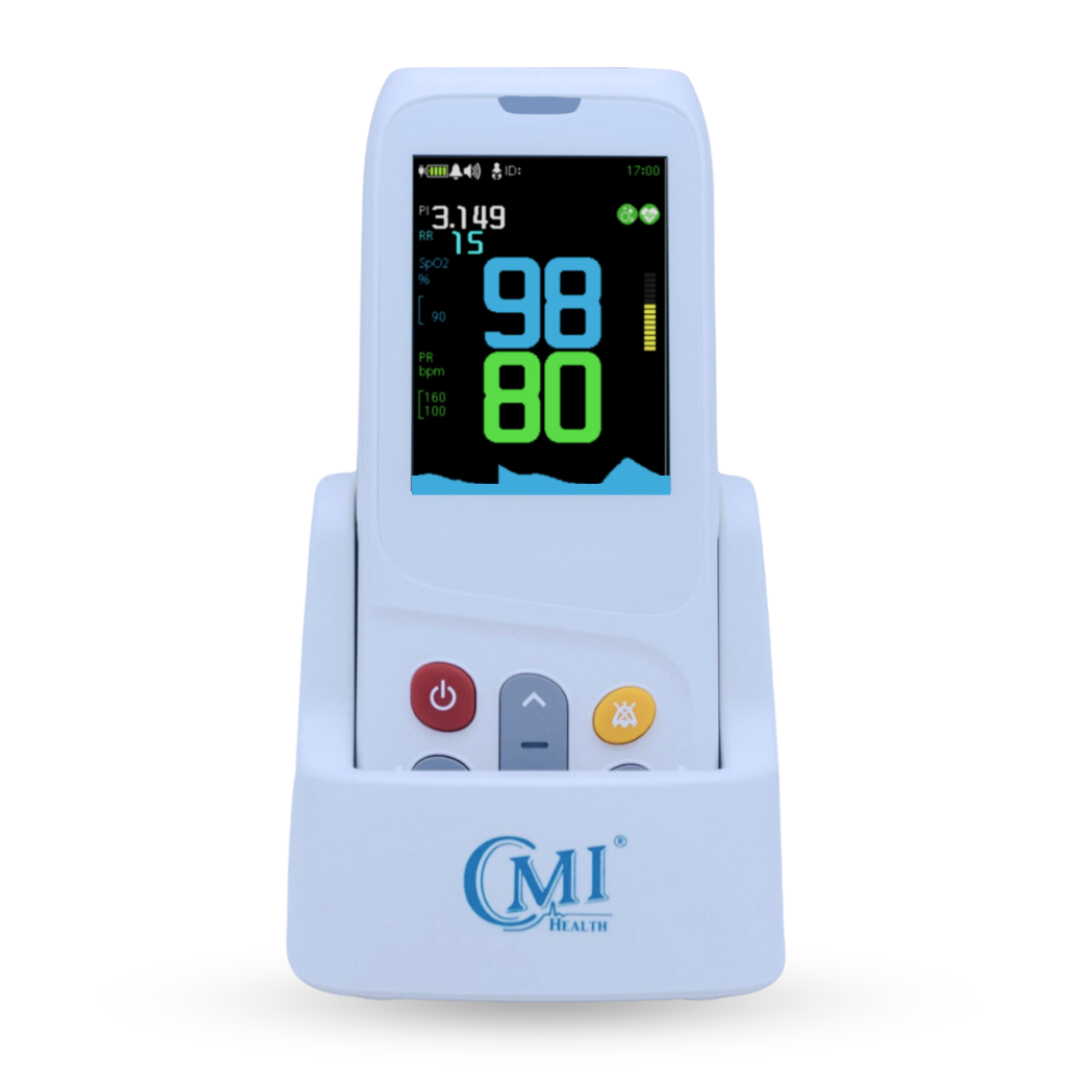
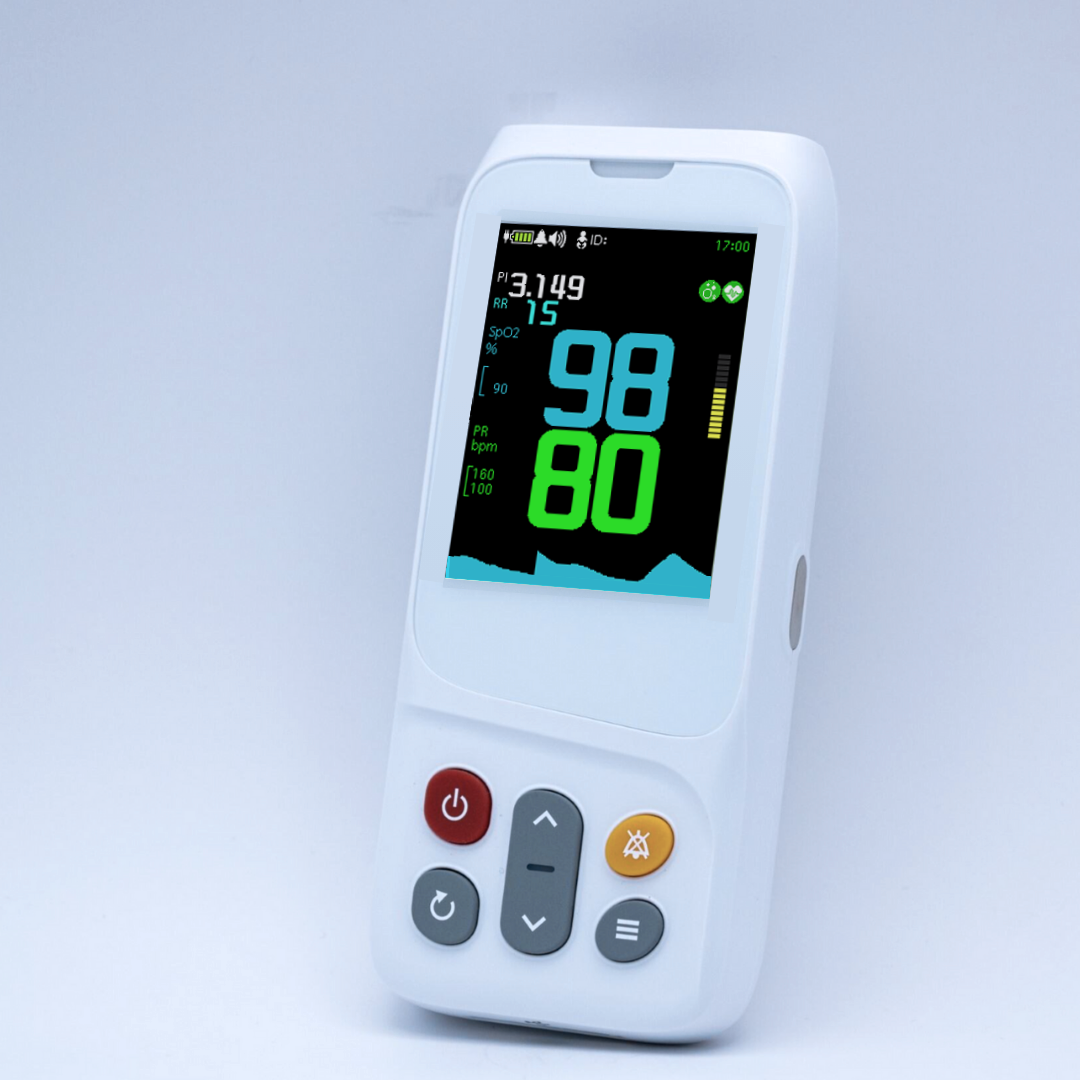
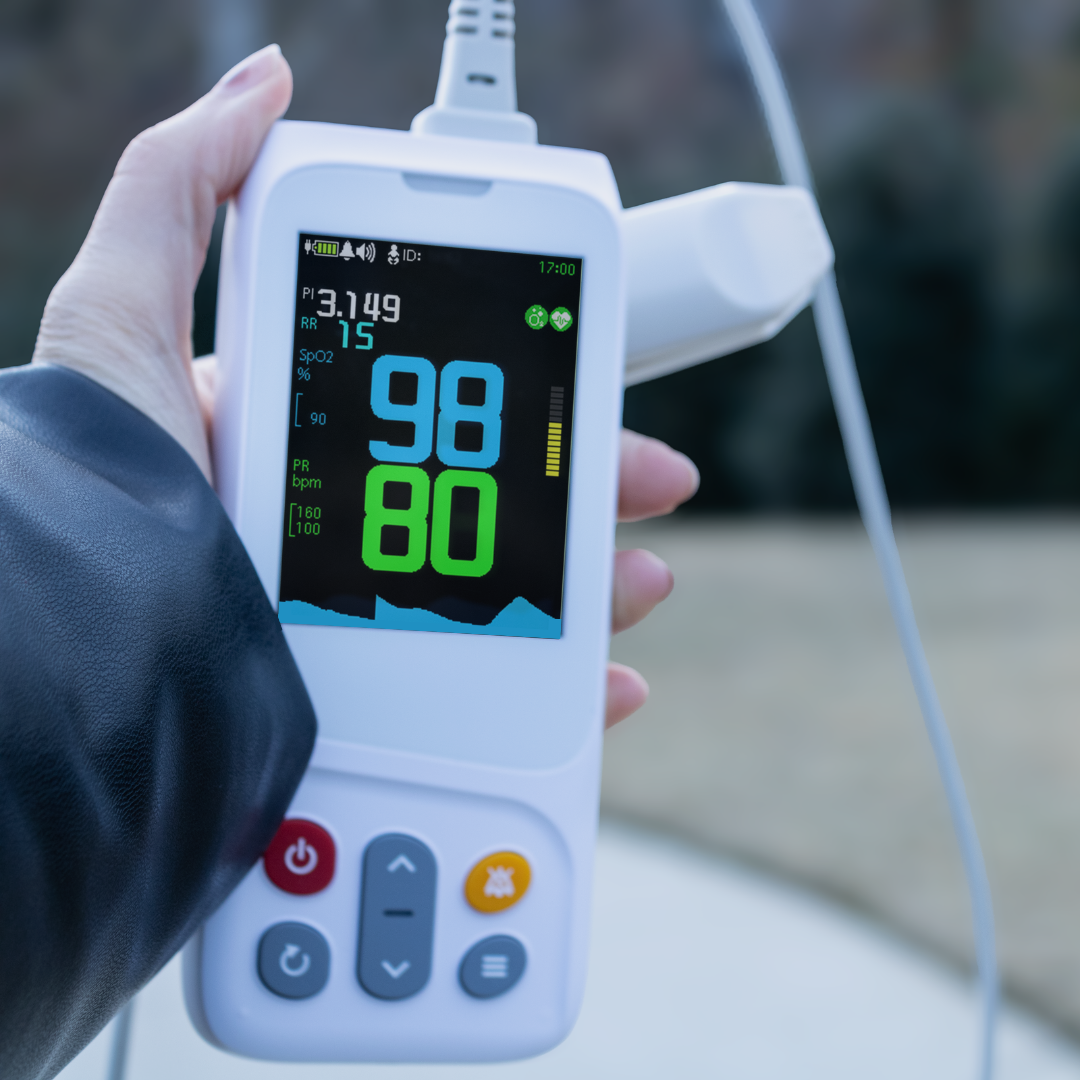
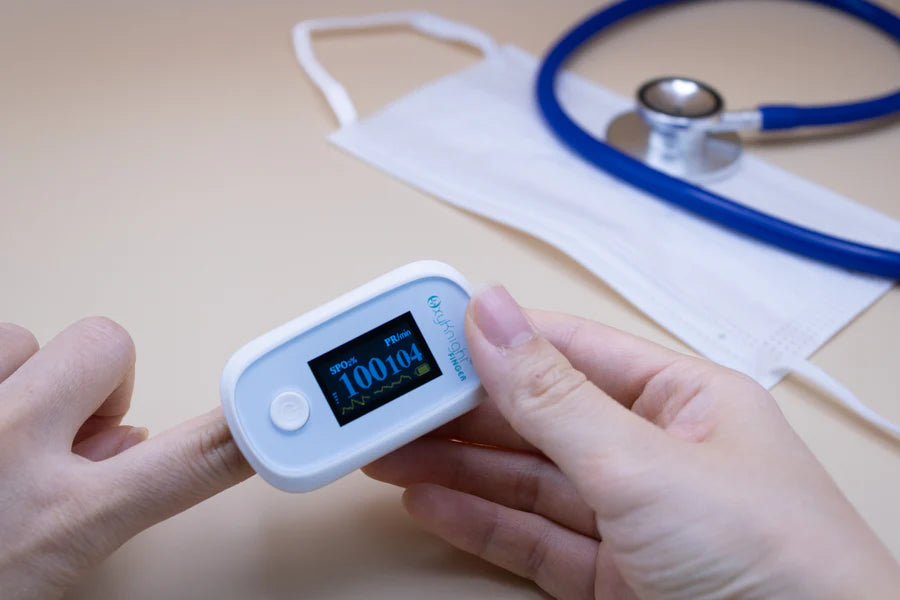
CCHD screening relies on a device called a pulse oximeter to measure how much oxygen is being carried in a baby's blood. Because some critical congenital heart defects can affect oxygen levels, pulse oximetry provides healthcare providers with important information during the screening process.
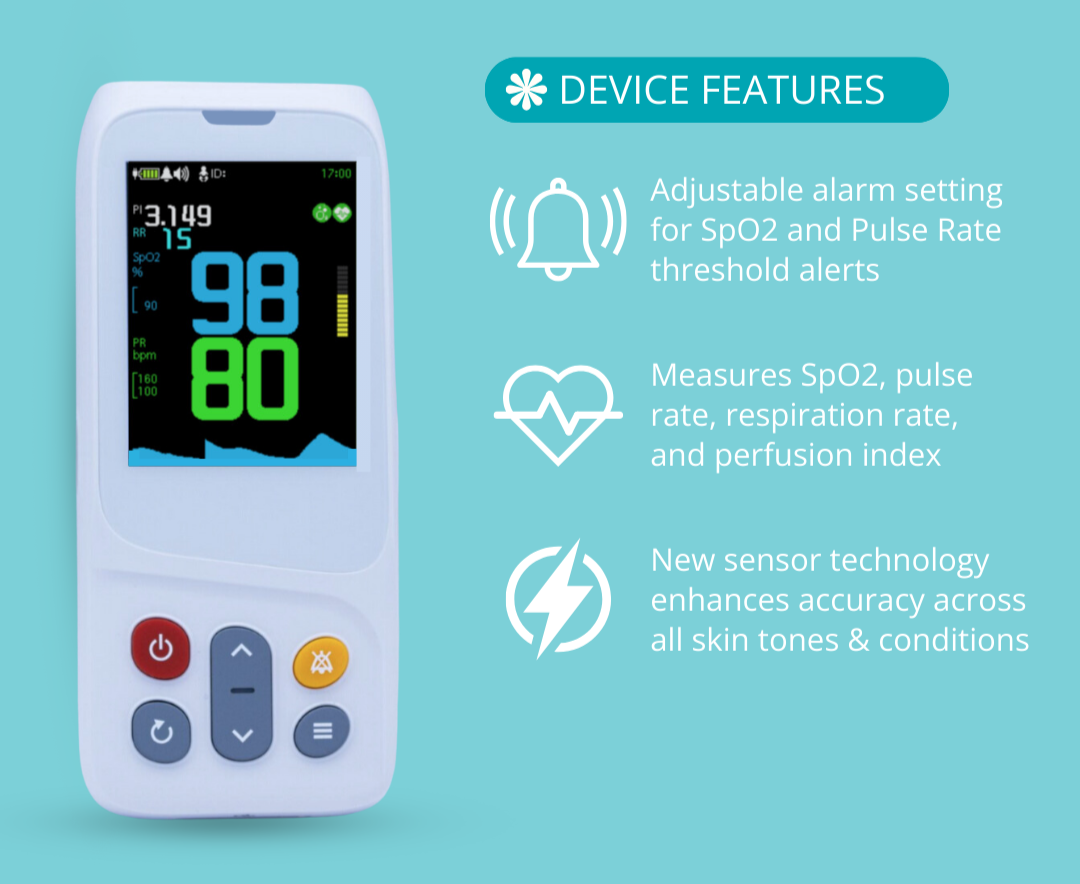
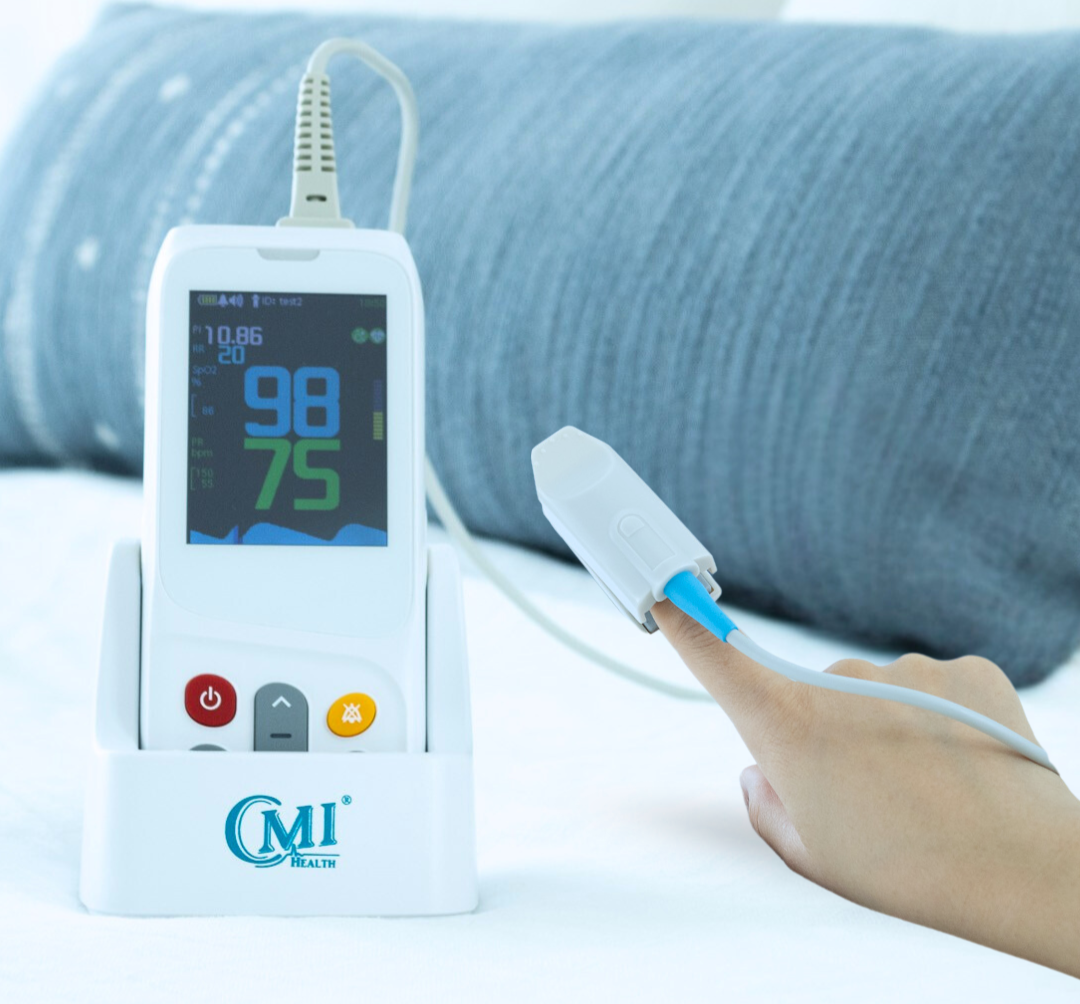
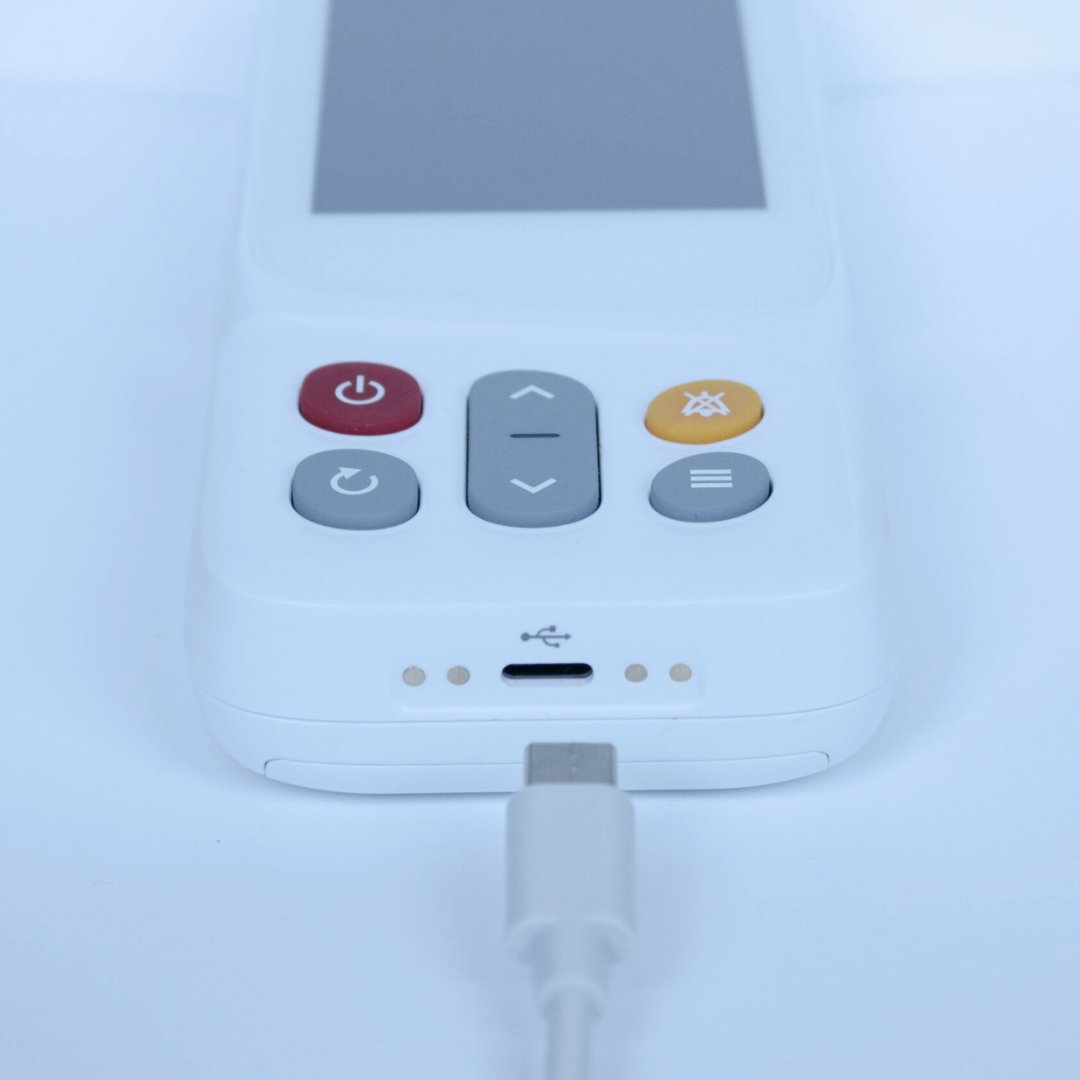
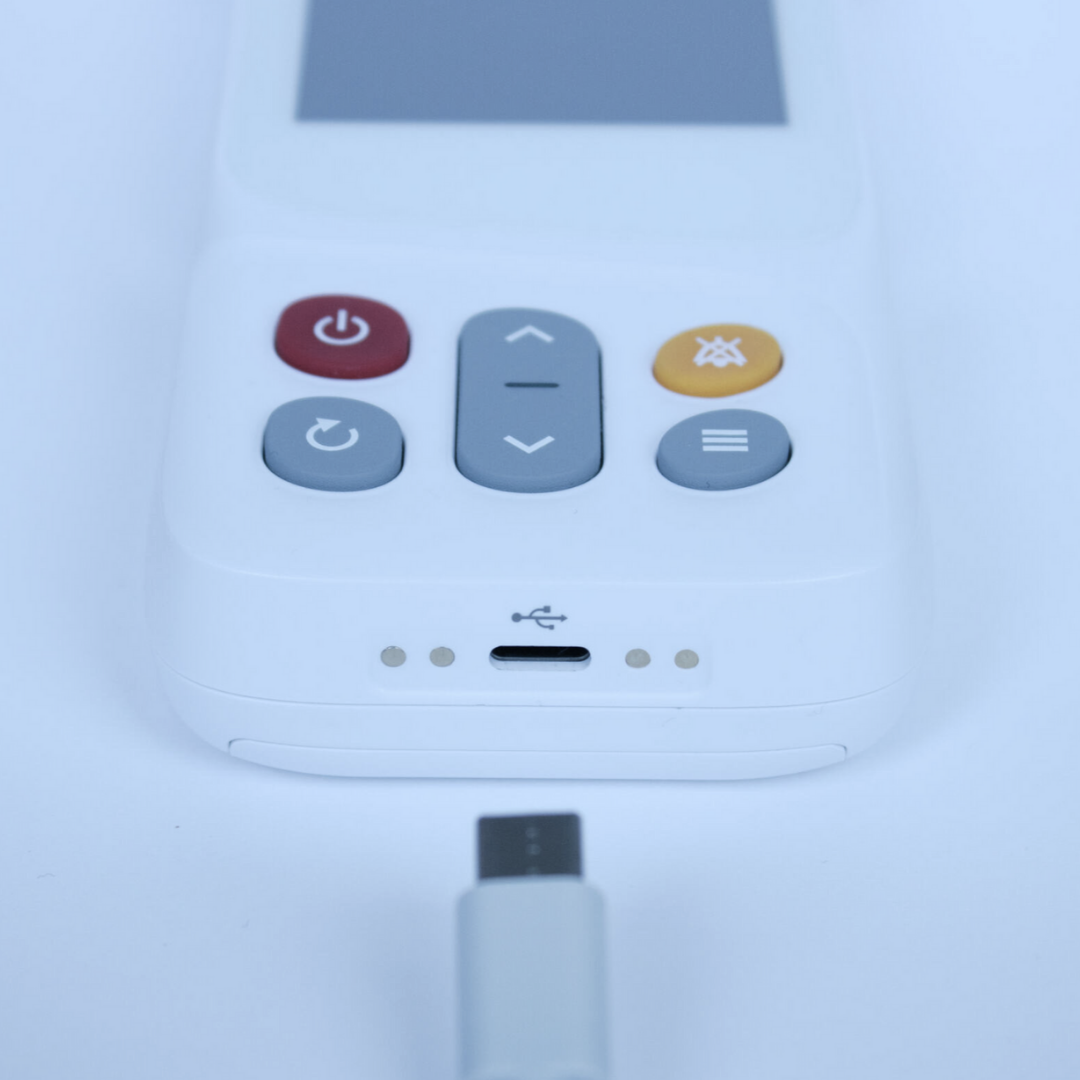
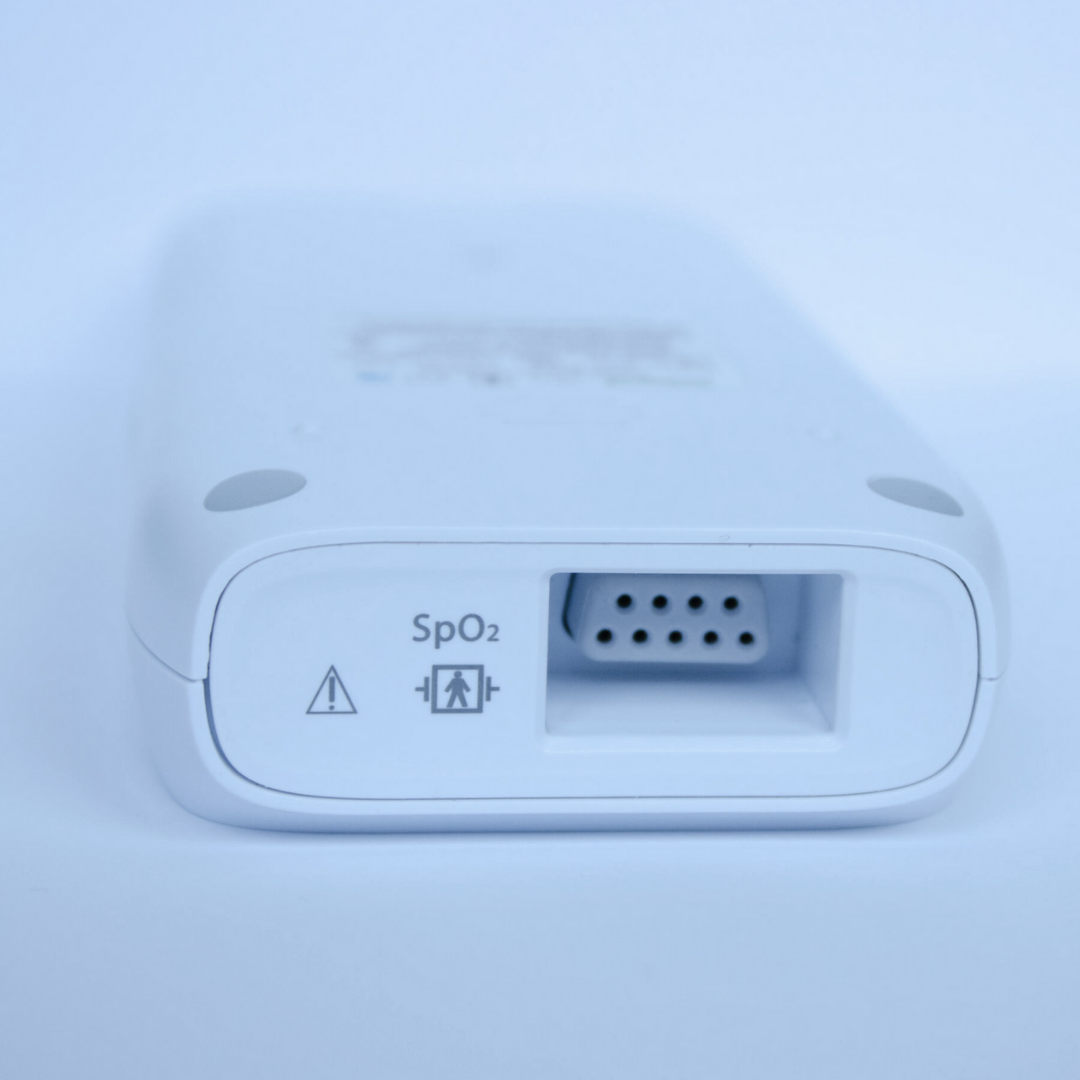
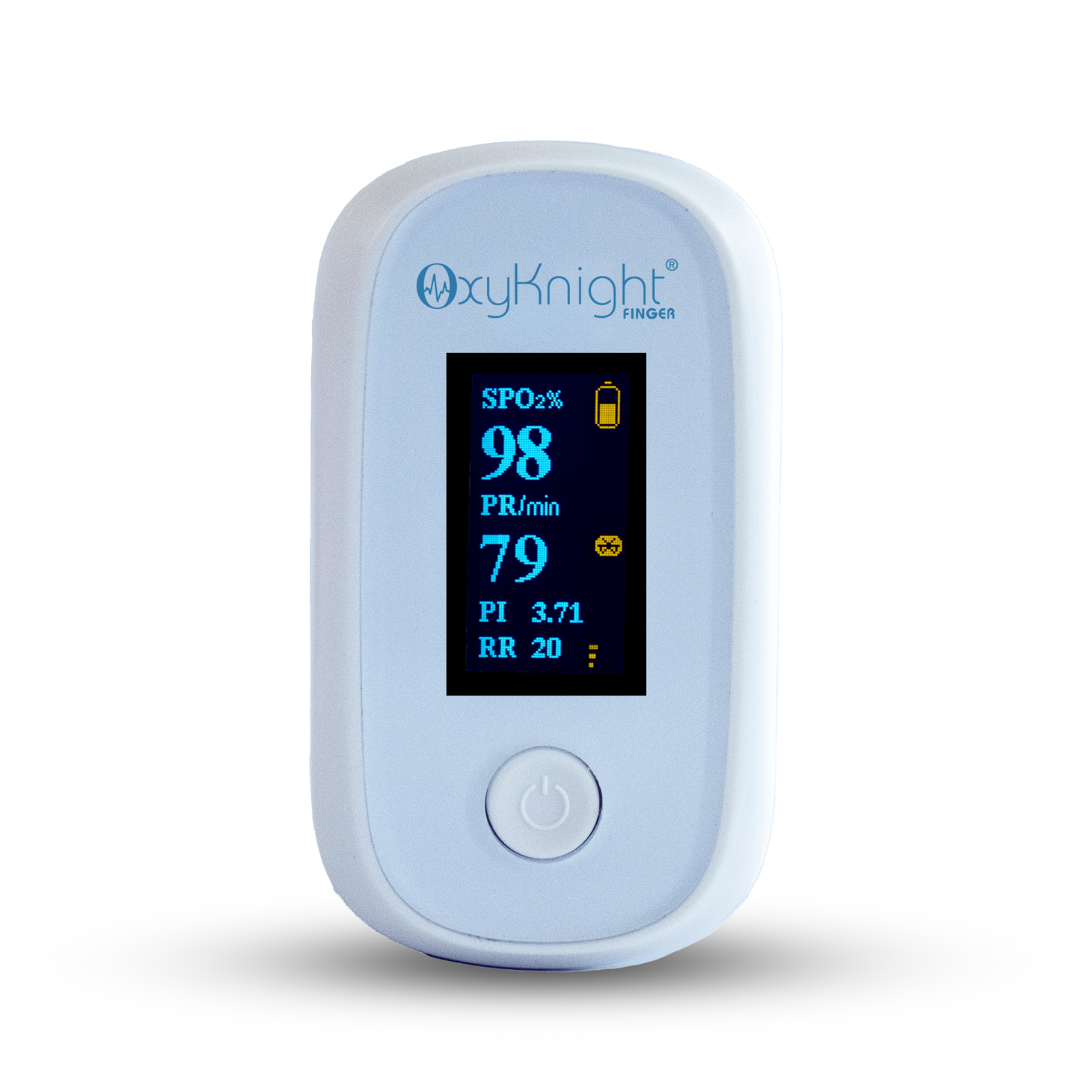
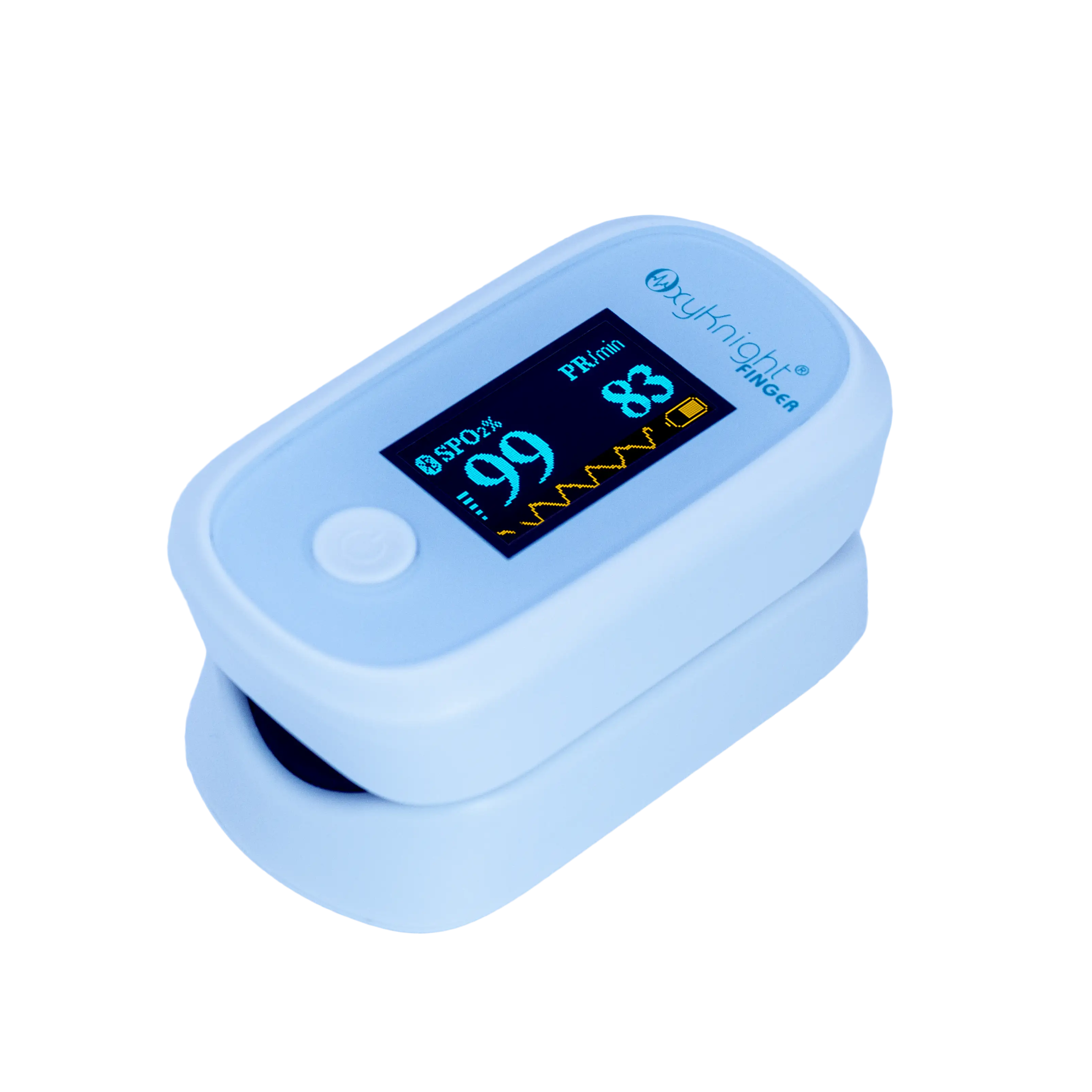
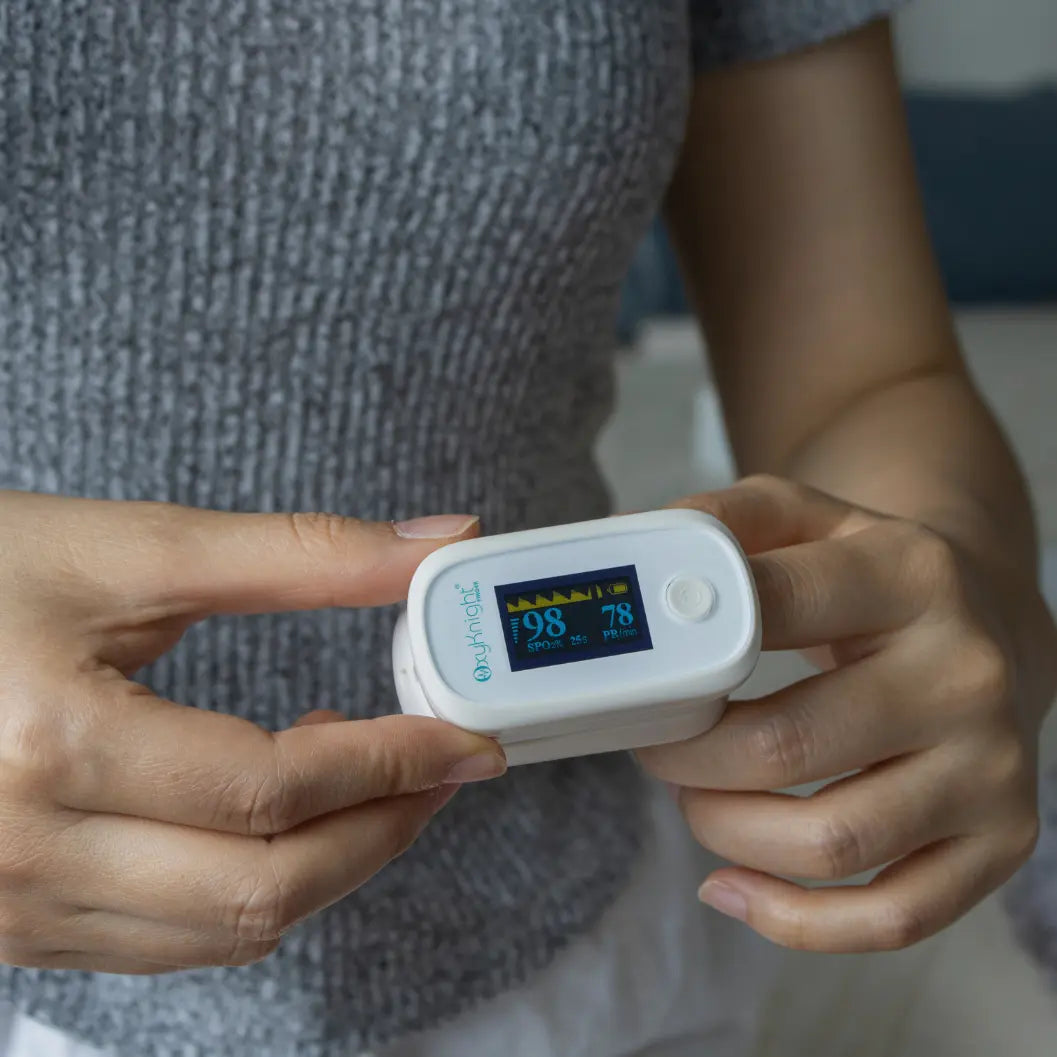
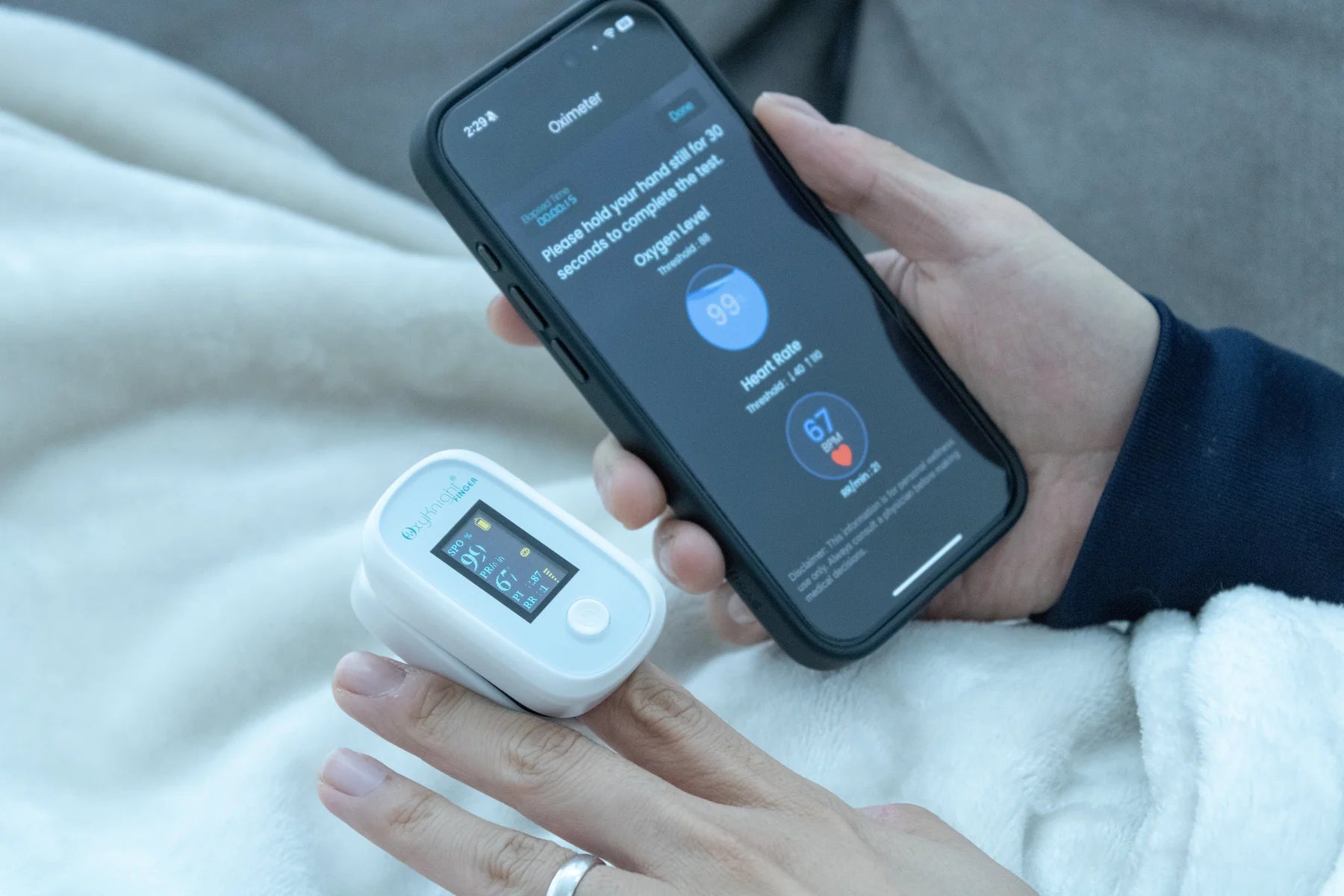
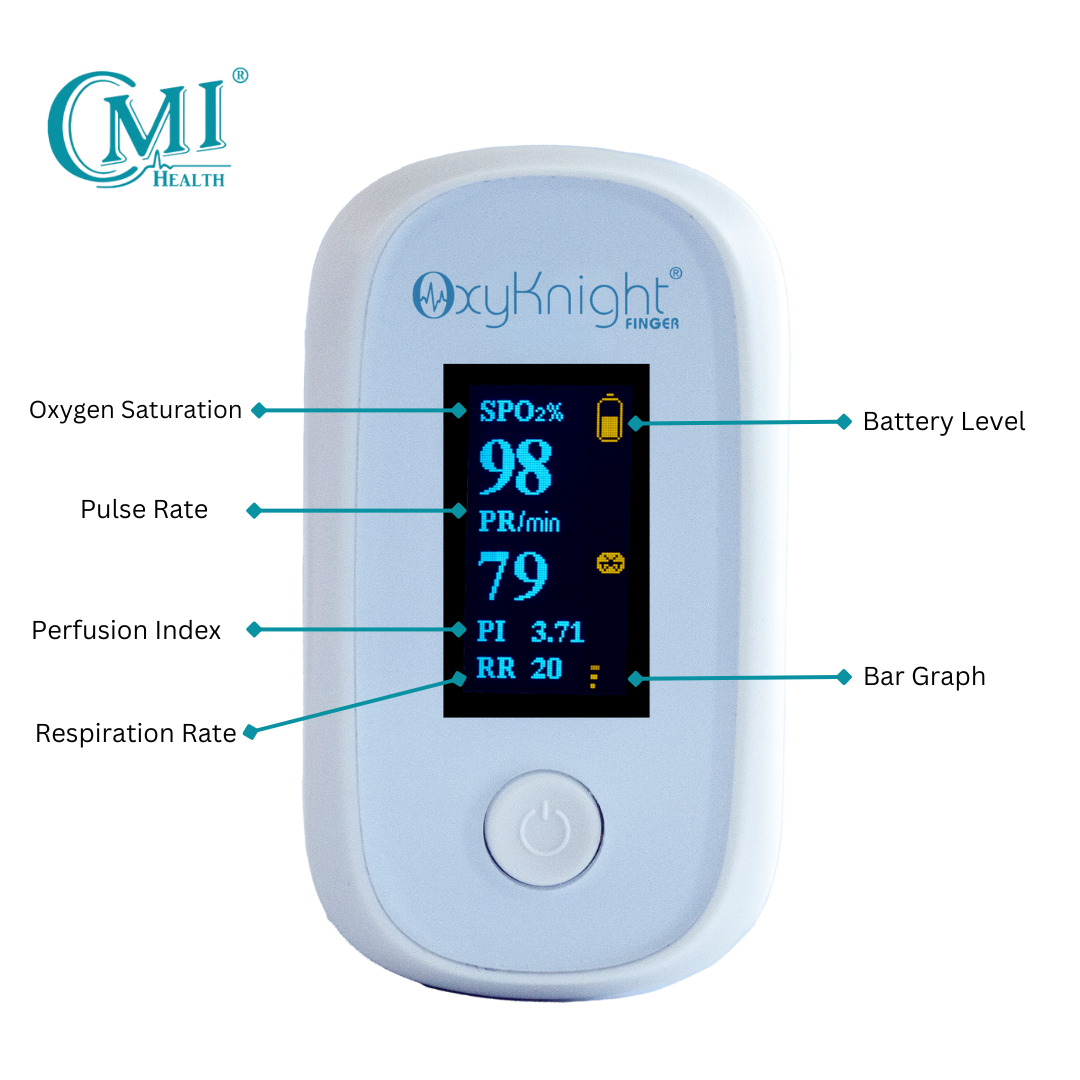
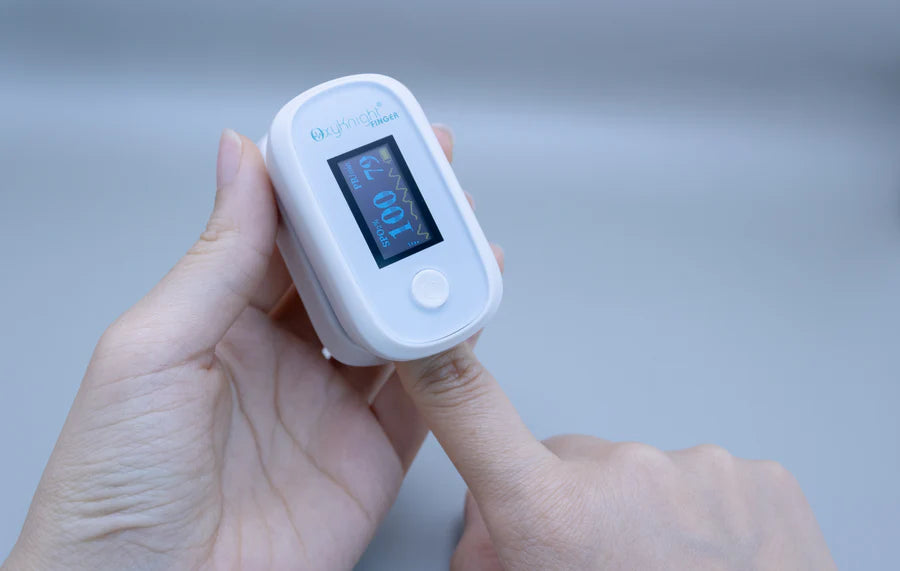
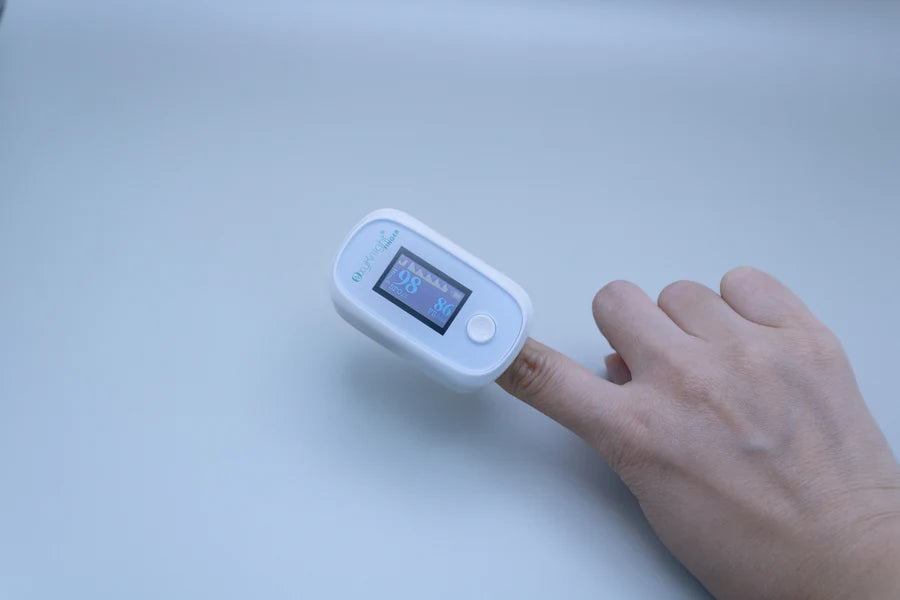
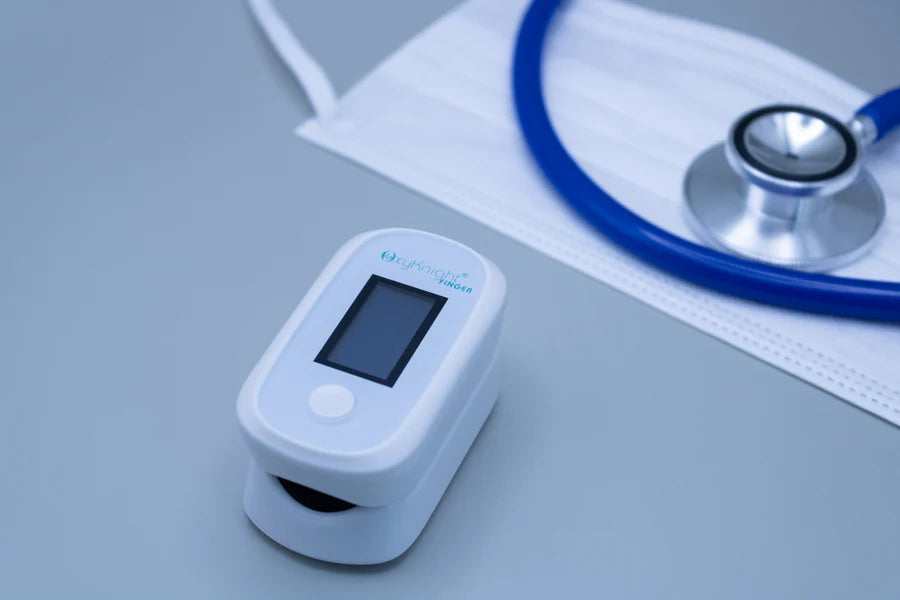
A pulse oximeter is a non-invasive device that uses light to estimate blood oxygen saturation (SpO₂). Devices like those offered by CMI Health use this same technology to provide oxygen measurements in clinical and home-monitoring settings.
The screening is:
-
Quick
-
Painless
-
Needle-free
-
Safe for newborns
If you'd like to learn more about the technology behind these devices, read our guide on How Pulse Oximeters Work.
Pulse oximeters are commonly used in hospitals, but some families may also encounter oxygen monitoring as part of their child's ongoing care. Learn more about infant oxygen monitoring and when it may be used.
What Happens During CCHD Screening?
The screening process typically takes place when your baby is at least 24 hours old and usually takes only a few minutes to complete.

Step 1: Sensor Placement
A healthcare provider places pulse oximeter sensors on:
-
The right hand
-
One foot
Step 2: Oxygen Measurements
The device records oxygen saturation levels from both locations.
Step 3: Results Review
The healthcare team compares the readings and determines whether the results fall within the expected range.
Step 4: Follow-Up if Needed
If additional evaluation is recommended, your baby's healthcare team will explain the next steps.
Why Do They Test Both the Hand and Foot?
Oxygen levels and blood flow patterns can vary slightly depending on where blood is traveling in the body.
By comparing measurements from the hand and foot, healthcare providers can gather additional information that helps improve screening accuracy.
This comparison is one reason pulse oximetry has become an important part of newborn CCHD screening programs.
What Do CCHD Screening Results Mean?
Most babies pass their screening without any concerns.
However, there are several possible outcomes.

Does a Failed CCHD Screening Mean My Baby Has a Heart Defect?
No.
A screening result that requires additional evaluation does not automatically mean your baby has a congenital heart defect.

There are several reasons a newborn may need additional testing, including:
-
Transitional changes after birth
-
Breathing-related concerns
-
Other temporary health concerns
-
Technical factors affecting the reading
If further evaluation is recommended, healthcare providers may perform additional assessments to determine the cause.
Can CCHD Screening Miss a Heart Defect?
While CCHD screening has improved the early detection of many serious heart defects, no screening test is perfect.
Healthcare providers use multiple approaches to evaluate newborn health, including:
-
Prenatal ultrasounds
-
Physical examinations
-
Newborn pulse oximetry screening
-
Follow-up medical assessments when needed
Together, these evaluations help healthcare providers identify more congenital heart conditions than any single screening method alone.
Frequently Asked Questions About CCHD Screening
Is CCHD screening painful?
No. The screening uses external sensors placed on the skin and does not involve needles or blood draws.
How long does CCHD screening take?
Most screenings take only a few minutes to complete.
What happens if my baby needs additional testing?
Your healthcare team will explain the results and discuss any recommended follow-up evaluations.
Can a baby pass CCHD screening and still have a heart defect?
Yes. While CCHD screening improves the detection of many serious heart defects, no screening test is perfect. Healthcare providers use CCHD screening alongside physical examinations and prenatal testing to help identify potential concerns.
Why is CCHD screening performed after 24 hours?
Waiting until a baby is at least 24 hours old helps improve screening accuracy. During the first day of life, a newborn's circulation and oxygen levels are still adapting after birth.
Final Thoughts
CCHD screening is a quick, painless part of newborn care that helps healthcare providers identify potential concerns before a baby leaves the hospital. While most babies pass without any issues, the screening provides an added layer of reassurance during those important first days of life.
As your family's healthcare needs evolve, there may be times when you need equipment to monitor oxygen levels at home, whether for a baby, an older child, or another family member. If you're interested in learning more, explore CMI Health's selection of infant pulse oximeters and pediatric monitoring devices.


Leave a comment