



What Is Silent Hypoxia? Understanding the Condition Behind Low Oxygen Levels

Why low oxygen levels can occur without obvious symptoms
Written by Dallas Atkins, CMI Health
Quick Answer
Silent hypoxia, also known as happy hypoxia, occurs when blood oxygen levels are lower than normal despite few or no obvious symptoms. Because oxygen levels can decrease without significant breathlessness, pulse oximeters can help identify changes that might otherwise go unnoticed.
When oxygen levels in the blood drop, most people expect to experience noticeable symptoms such as shortness of breath, rapid breathing, or chest discomfort. However, that isn't always the case.
Silent hypoxia, sometimes called happy hypoxia, occurs when blood oxygen levels are lower than normal despite few or no obvious symptoms. While the condition gained widespread attention during the COVID-19 pandemic, it can also occur with other respiratory illnesses and health condition.
What Is Silent Hypoxia?
Silent hypoxia occurs when oxygen saturation levels are lower than expected, but the individual does not experience the degree of breathlessness typically associated with low oxygen levels.
When oxygen levels decrease, the body often responds with symptoms such as shortness of breath, fatigue, or confusion. In cases of silent hypoxia, however, these warning signs may be absent, delayed, or milder than expected.
As a result, someone may feel relatively normal even while their oxygen saturation is declining.

Because silent hypoxia may develop without obvious warning signs, pulse oximeters can play an important role in identifying low oxygen levels that might otherwise go unnoticed.
Why Is It Called Happy Hypoxia?
The term "happy hypoxia" gained widespread attention during the COVID-19 pandemic.
The word "happy" does not mean a person feels unusually well. Instead, it refers to the surprising observation that some individuals appeared comfortable despite having lower-than-expected oxygen levels.
Today, both "silent hypoxia" and "happy hypoxia" are commonly used to describe situations where oxygen levels and symptoms do not seem to match.
Why Can Low Oxygen Levels Go Unnoticed?
Researchers continue to study why silent hypoxia occurs, but several factors may contribute.
In some cases, oxygen levels decrease gradually, giving the body time to adapt. Certain illnesses may also affect how the body senses and responds to low oxygen levels.
Additionally, people may attribute mild symptoms such as fatigue, weakness, or headaches to illness, stress, or lack of sleep rather than recognizing them as signs of reduced oxygen saturation.
This can make silent hypoxia more difficult to recognize based on symptoms alone.
Who Is Most at Risk for Silent Hypoxia?
Although silent hypoxia gained attention during the COVID-19 pandemic, it can occur in a variety of conditions that affect oxygen exchange or delivery throughout the body.
Examples include:
-
Pneumonia
-
Chronic lung diseases
-
Respiratory infections
-
Certain heart and circulatory conditions
-
Anemia
-
Recovery from illnesses that affect breathing
Individuals recovering from respiratory illness or managing chronic health conditions may need closer observation during periods of illness or recovery.
Signs and Symptoms of Silent Hypoxia
The defining characteristic of silent hypoxia is the absence of obvious breathing difficulty despite low oxygen levels.
However, some individuals may still experience symptoms such as:
-
Fatigue
-
Dizziness
-
Headaches
-
Confusion
-
Difficulty concentrating
-
Increased heart rate
-
Bluish lips or fingertips in more severe situations
Symptoms can vary from person to person and may not accurately reflect how low oxygen levels have become.
This is one reason why oxygen monitoring can be valuable for individuals managing respiratory conditions at home.
Myth vs. Fact: Understanding Silent Hypoxia
Because silent hypoxia often develops without the symptoms many people expect, several misconceptions surround the condition. Understanding the facts can help explain why monitoring oxygen levels may sometimes be important, even when a person feels relatively well.

How Is Silent Hypoxia Detected?
Silent hypoxia is typically identified through oxygen saturation monitoring.
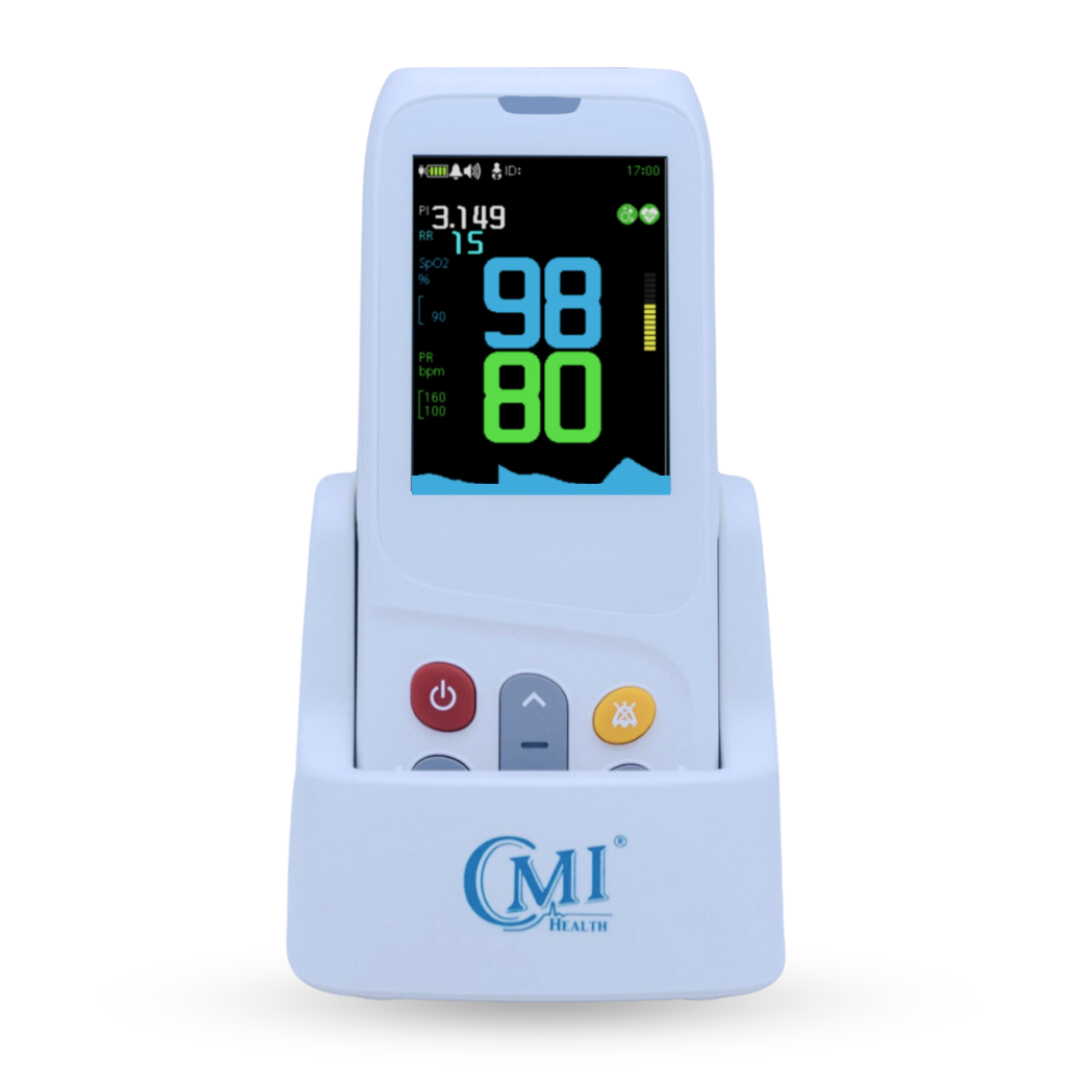
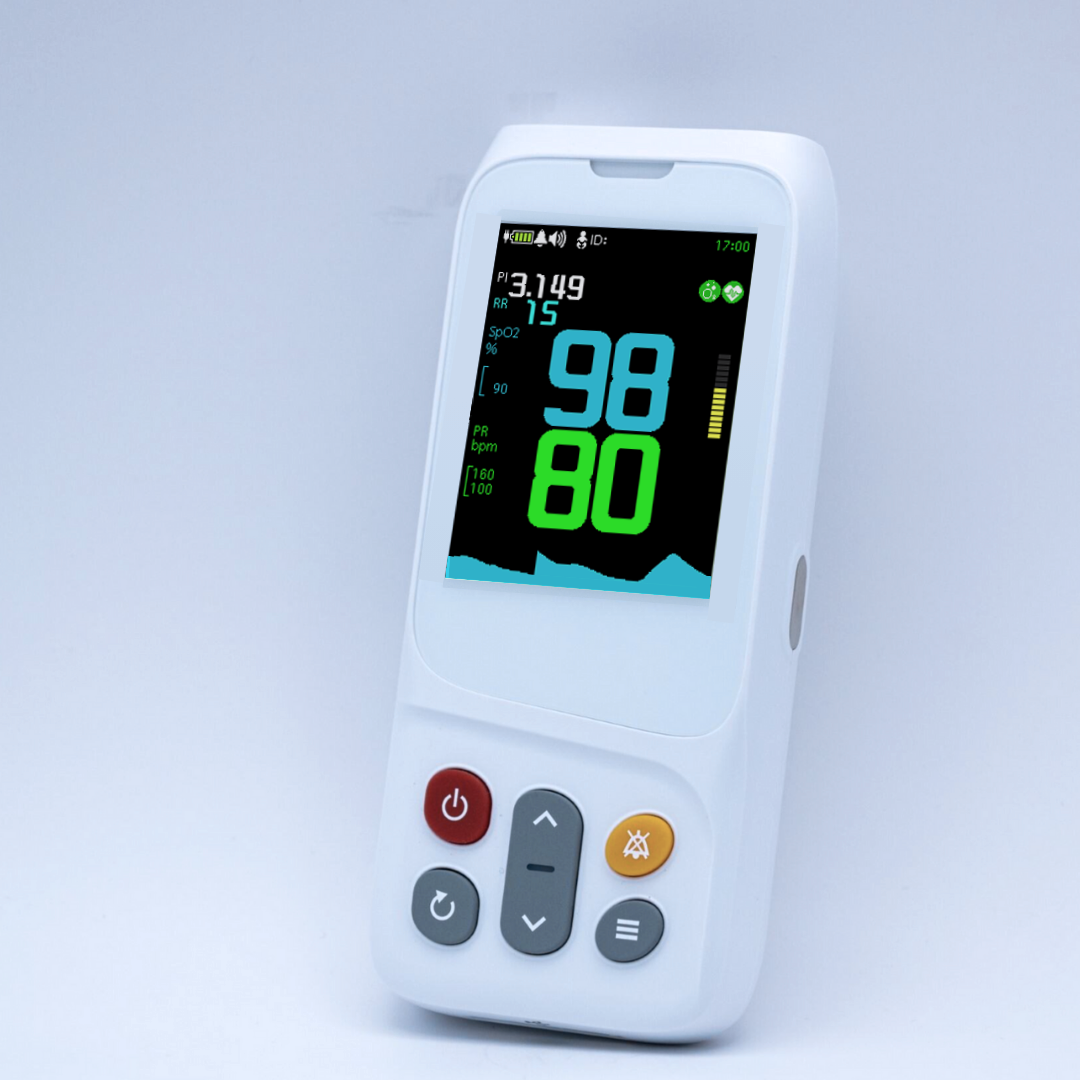
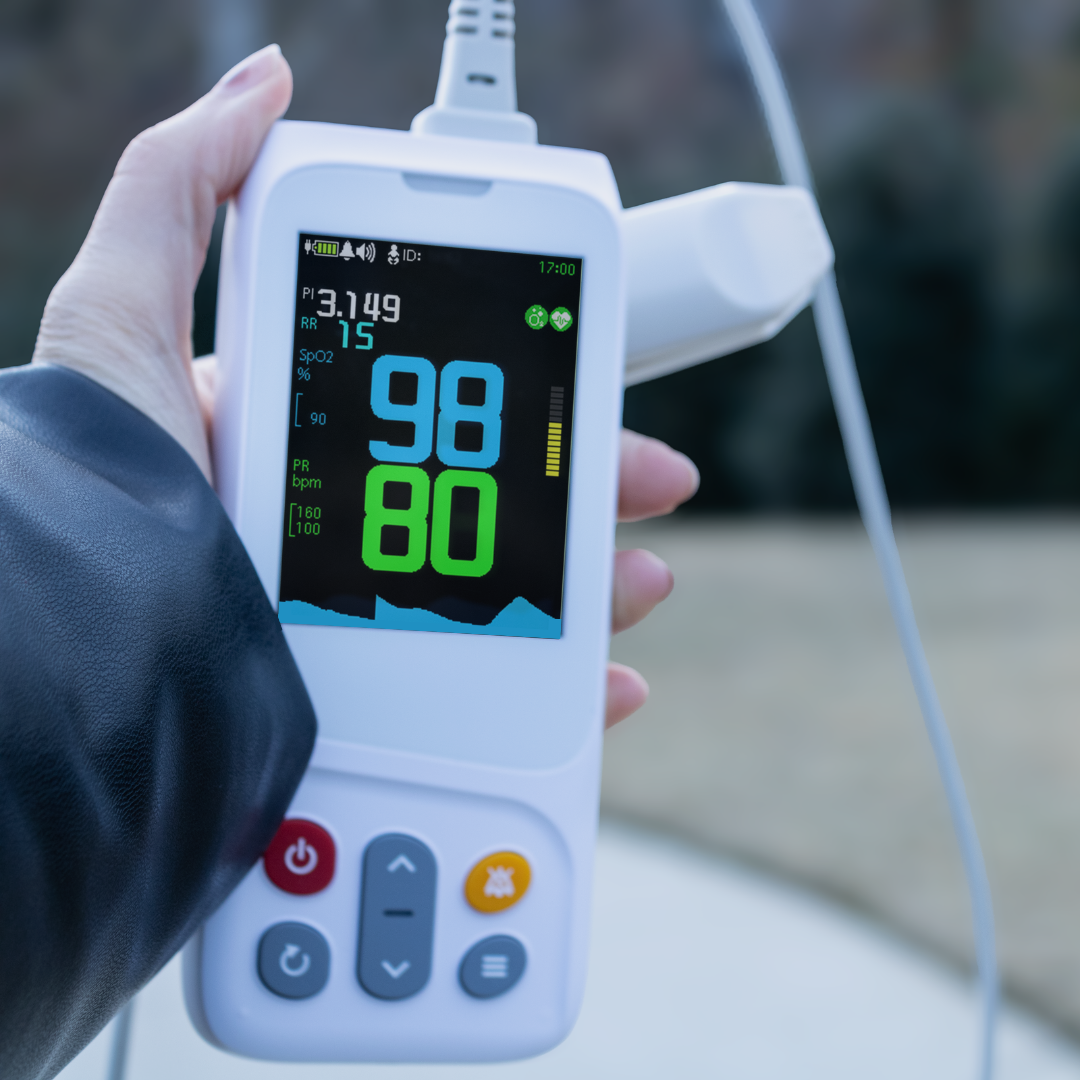
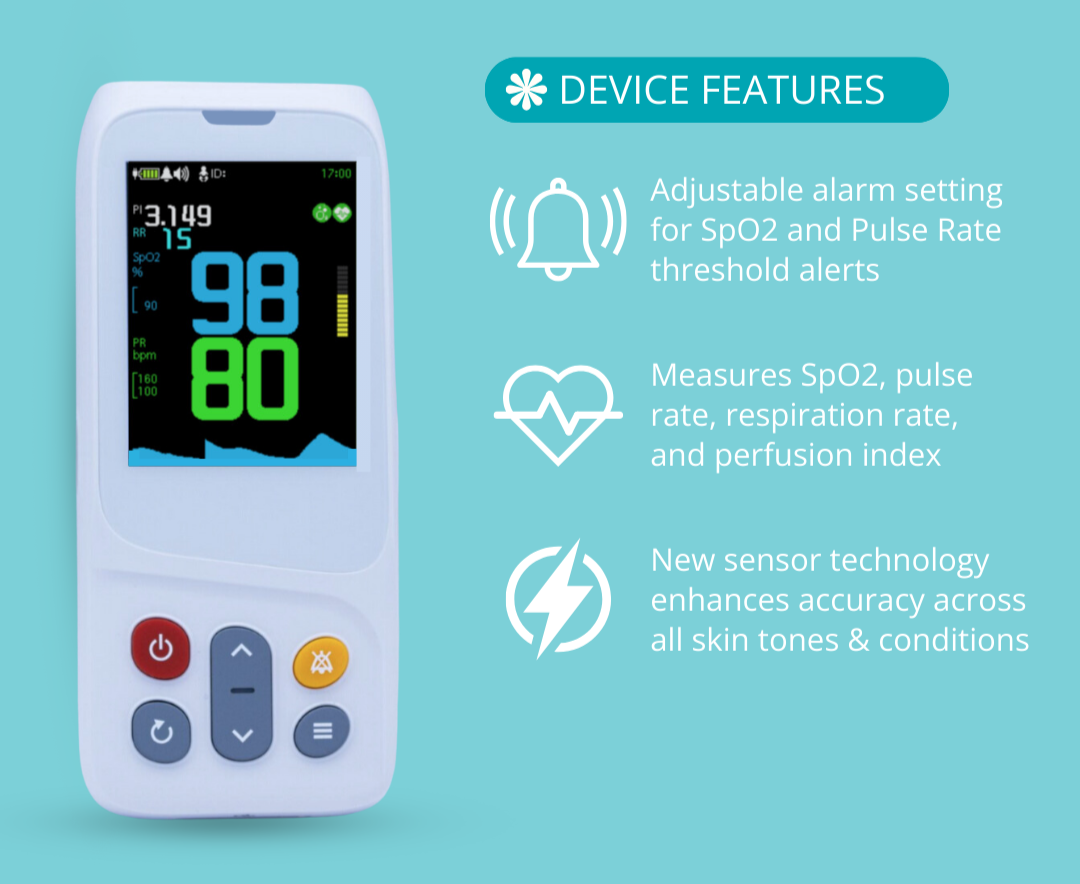
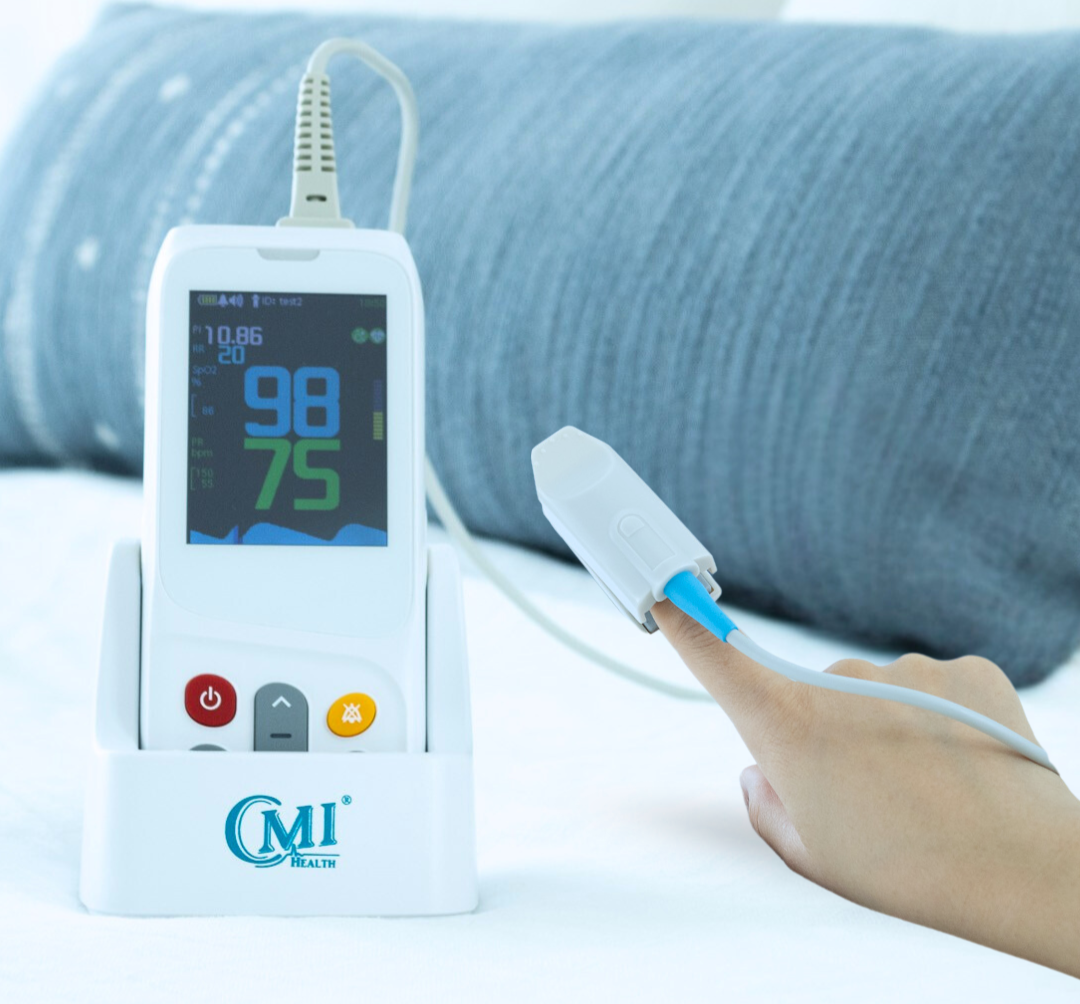
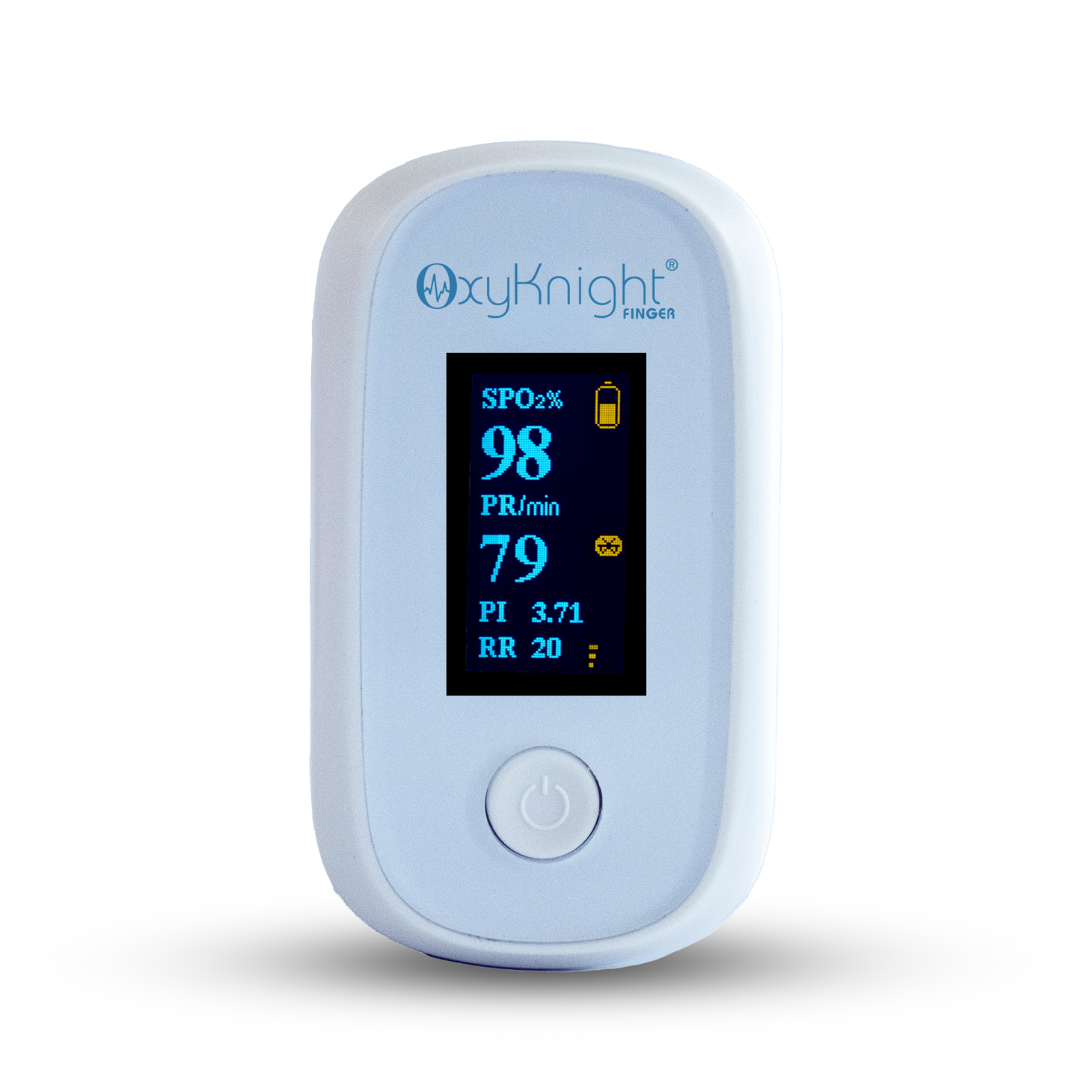
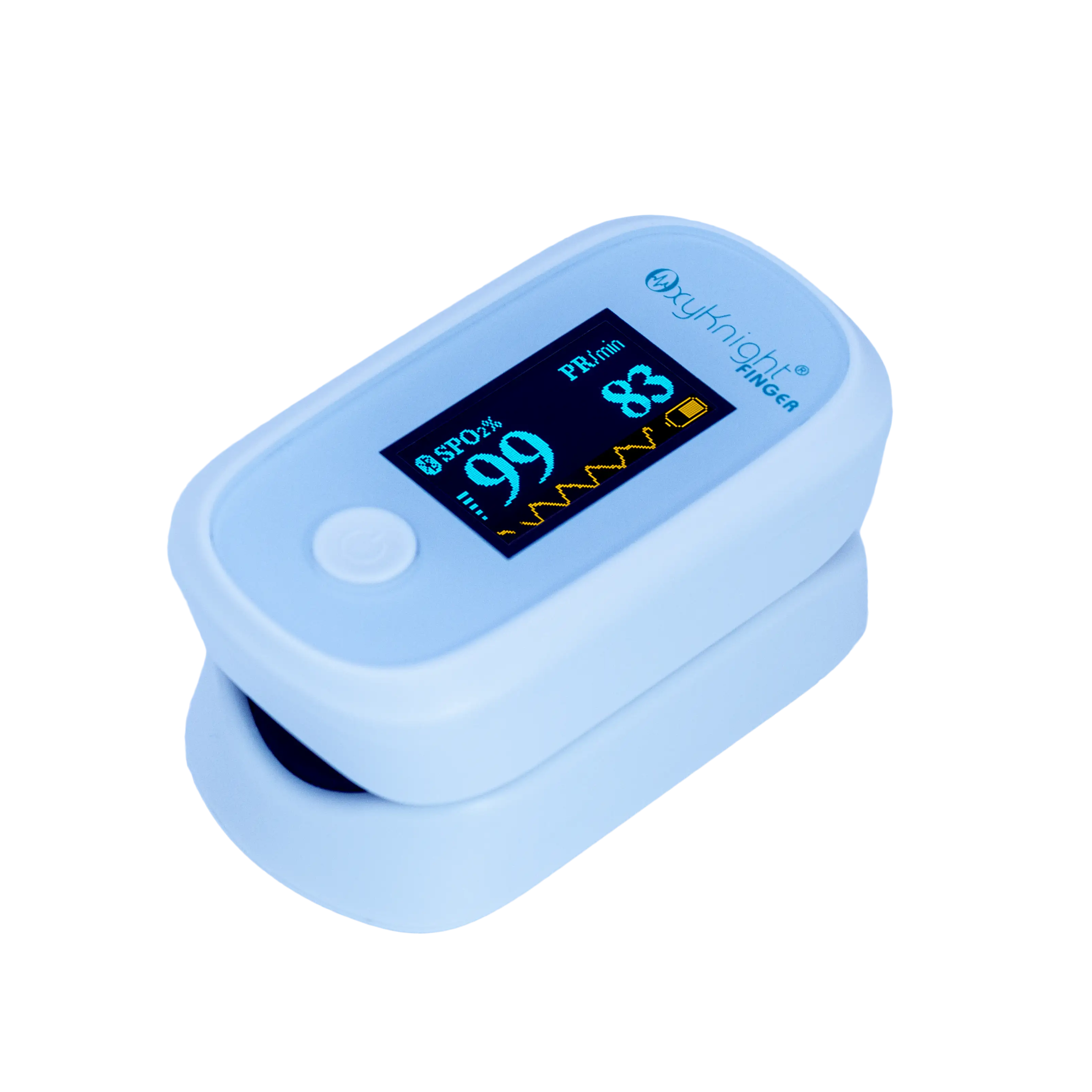
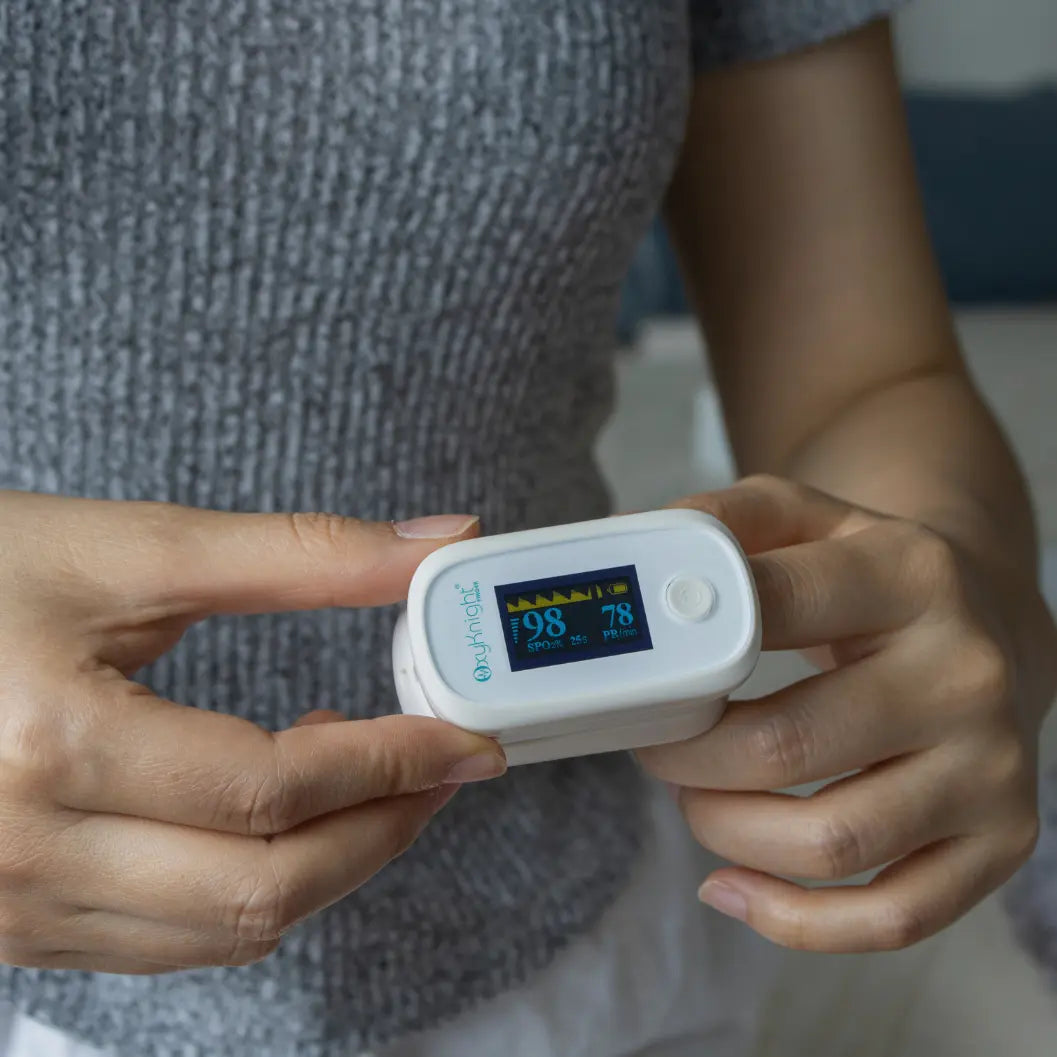
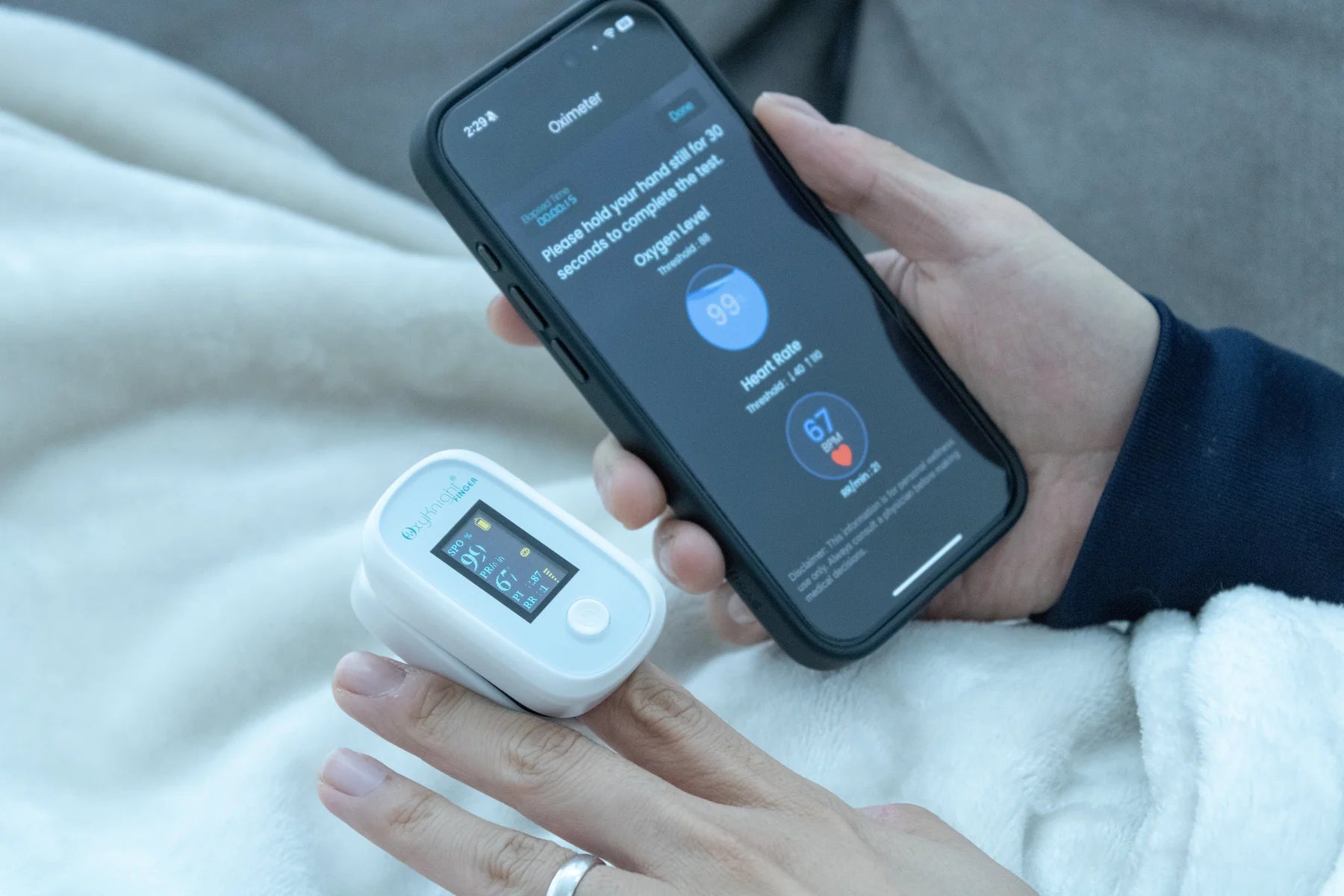
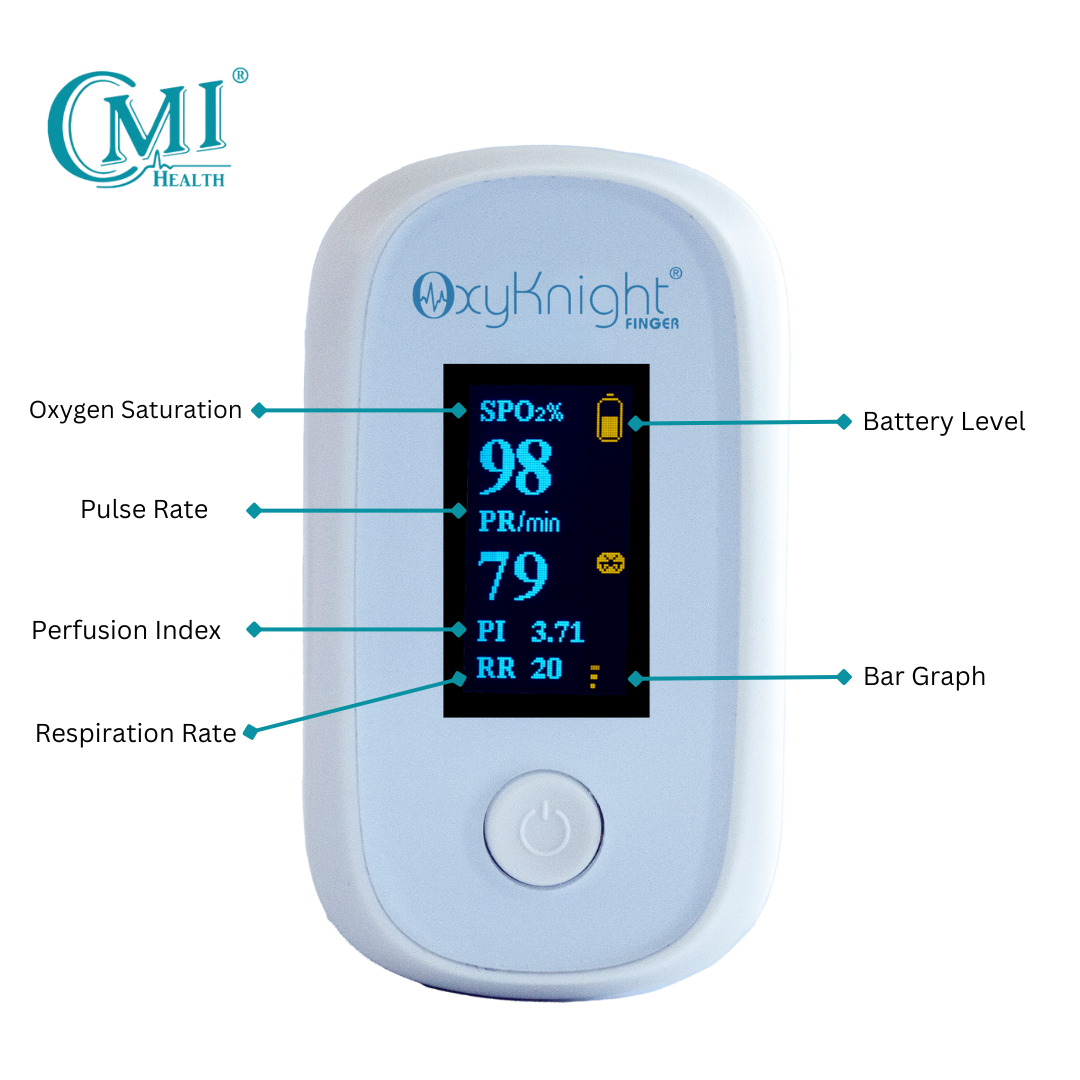
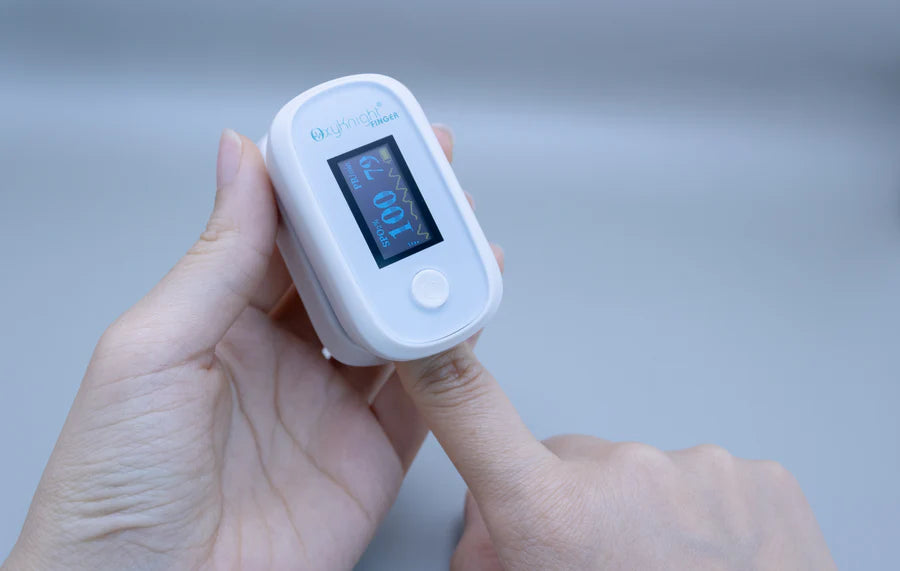
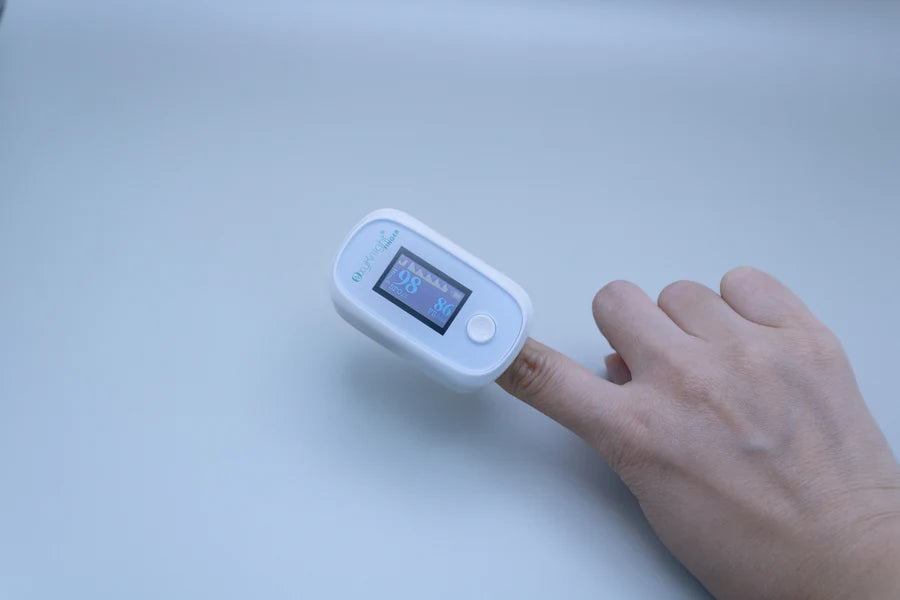
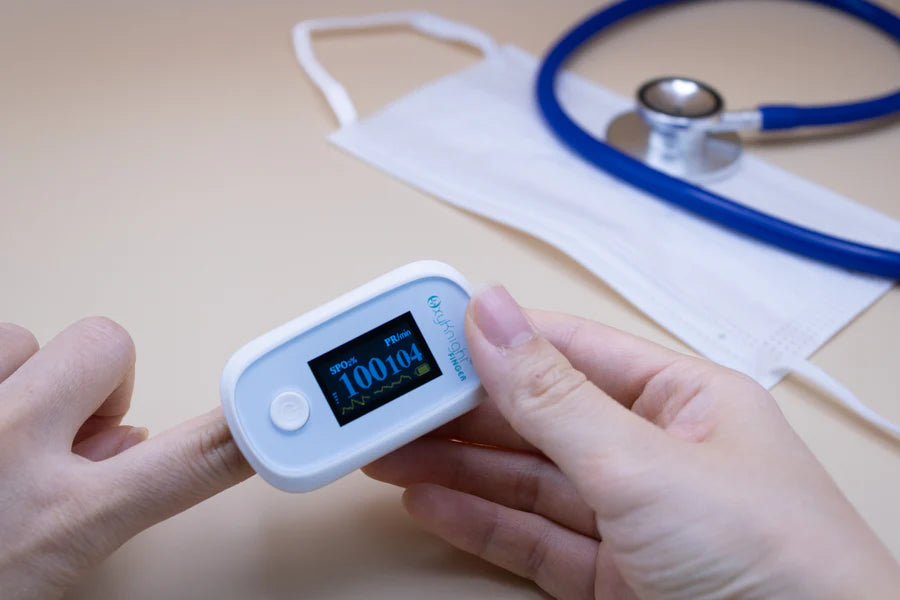
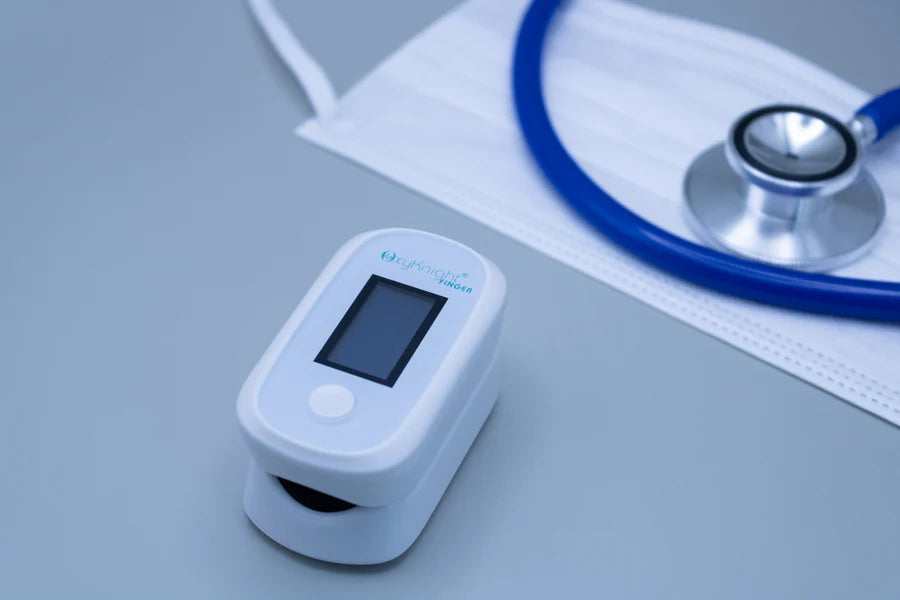
A pulse oximeter is a small, noninvasive device that measures the percentage of oxygen being carried by red blood cells. Devices such as CMI Health's pulse oximeters provide oxygen saturation readings within seconds and can be used at home or in clinical settings.
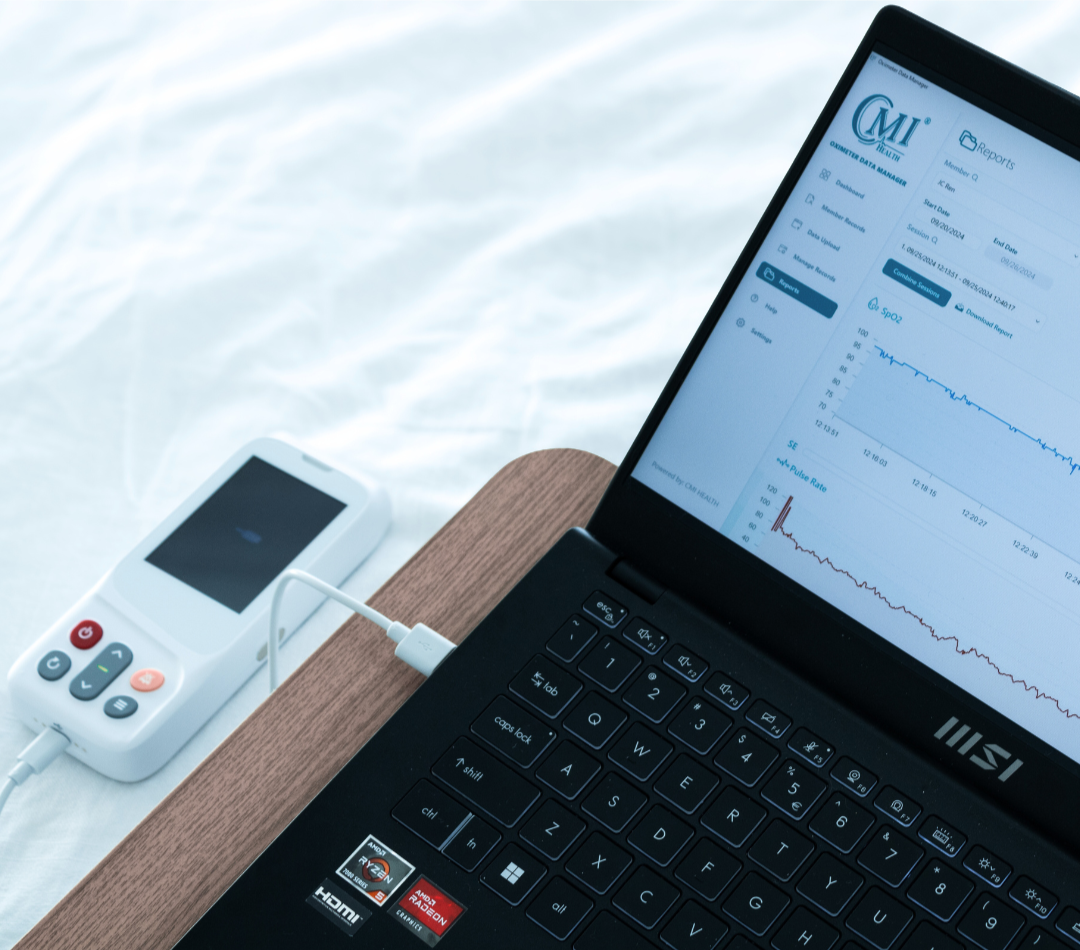
For people recovering from respiratory illness or monitoring a chronic condition, regular oxygen checks may provide valuable information that symptoms alone cannot reveal. If you're new to pulse oximetry, our Pulse Oximeter Readings Chart PDF can help you track oxygen saturation measurements over time.
Home oxygen monitoring may also be useful in situations where oxygen levels can fluctuate during sleep or daily activities. Learn more in our guide to Monitoring Sleep Apnea.
What Should You Do If Your Oxygen Levels Are Low?
If a pulse oximeter reading is lower than expected, it is important to remain calm and verify the reading.
You may wish to:
-
Ensure the device is positioned correctly
-
Warm cold fingers before testing
-
Repeat the measurement after several minutes
-
Follow any monitoring instructions provided by your healthcare provider
If oxygen levels remain low or symptoms worsen, contact a healthcare professional for guidance.
If oxygen saturation falls to a level that requires urgent medical attention or if severe symptoms develop, seek emergency care immediately.

Frequently Asked Questions About Silent Hypoxia
Can you have low oxygen levels without feeling short of breath?
Yes. Silent hypoxia occurs when oxygen levels are lower than normal despite few or no obvious symptoms, including breathlessness. This can make the condition difficult to recognize without monitoring.
Is happy hypoxia the same as silent hypoxia?
Generally, yes. The terms are often used interchangeably to describe situations where oxygen levels are lower than expected but symptoms may be mild or absent.
Can a pulse oximeter detect silent hypoxia?
A pulse oximeter cannot determine the cause of low oxygen levels, but it can help identify when oxygen saturation may be lower than expected. This makes pulse oximetry a useful tool for monitoring oxygen levels at home.
Final Thoughts
Silent hypoxia, also known as happy hypoxia, can make low oxygen levels difficult to recognize because symptoms may be mild or absent.
When oxygen levels and symptoms do not match, pulse oximetry can provide valuable information that might otherwise go unnoticed.
Understanding silent hypoxia may help you recognize when additional monitoring or medical evaluation is needed. If you're interested in learning more about home oxygen monitoring, explore CMI Health's pulse oximeters and educational resources for additional guidance.





Leave a comment