



Choosing an Oxygen Saturation Monitor: A Complete Buyer's Guide

Written by Dallas Atkins
Quick Answer
An oxygen saturation monitor, also known as a pulse oximeter, is a device that measures your blood oxygen saturation (SpO₂) and pulse rate. If you're comparing different models, the best choice depends on who will use it, how often you'll check readings, and the features that matter most to you. For many households, a fingertip pulse oximeter offers a convenient solution, while handheld and pediatric-compatible options provide additional flexibility.

As you compare oxygen saturation monitors online, you'll find fingertip, handheld, wearable, and pediatric-compatible options. Although they all perform the same basic function, each type is designed for different users and situations.
This buyer's guide explains the different types of oxygen saturation monitors, the features worth considering, and how to choose the right device for your home.
Looking for an oxygen saturation monitor? Explore CMI Health's Pulse Oximeter Collection to find fingertip, handheld, wearable, and pediatric-compatible options designed for home use.
What Is an Oxygen Saturation Monitor?
An oxygen saturation monitor is a non-invasive device that measures the percentage of oxygen carried in your blood, commonly displayed as SpO₂. Most devices also display your pulse rate during the same reading.
You may also hear these devices called:
-
Pulse oximeters
-
Oxygen readers
-
Finger oxygen monitors
-
Oxygen meters
-
Oxygen level testers
Although the names differ, they're generally referring to the same type of device.
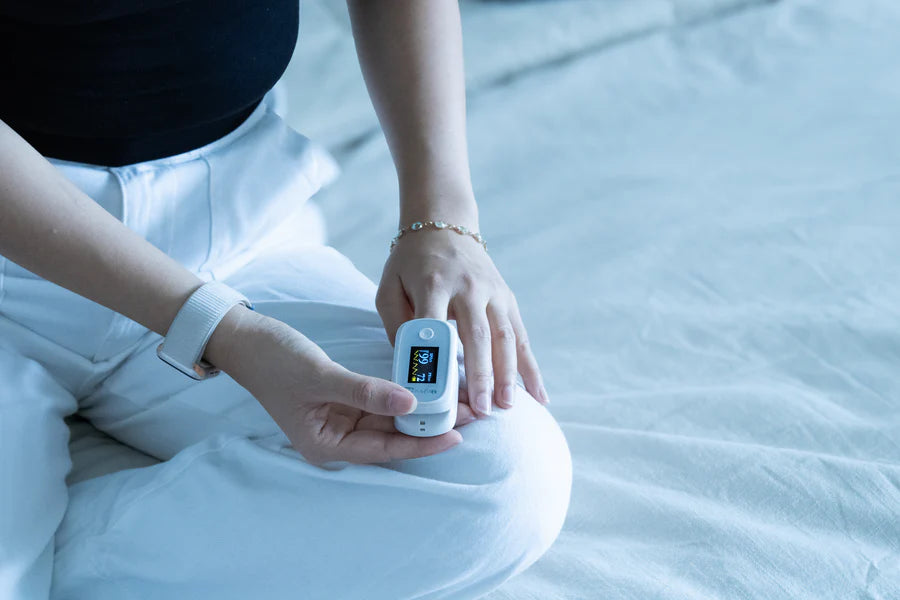
Today's home pulse oximeters make it easy to check readings in just a few seconds with a simple finger clip or sensor.
Oxygen Saturation Monitor Types at a Glance
The table below provides a quick comparison of the four main types of oxygen saturation monitors to help you identify which category best fits your needs.
CMI Health offers several types of oxygen saturation monitors and compatible accessories for home use. The examples below illustrate the main device categories you'll find in the collection.
Types of Oxygen Saturation Monitors
Fingertip Oxygen Monitors

CMI Health offers several types of oxygen saturation monitors and compatible accessories for home use. The examples below illustrate the main device categories you'll find in the collection.
Types of Oxygen Saturation Monitors
Fingertip Oxygen Monitors

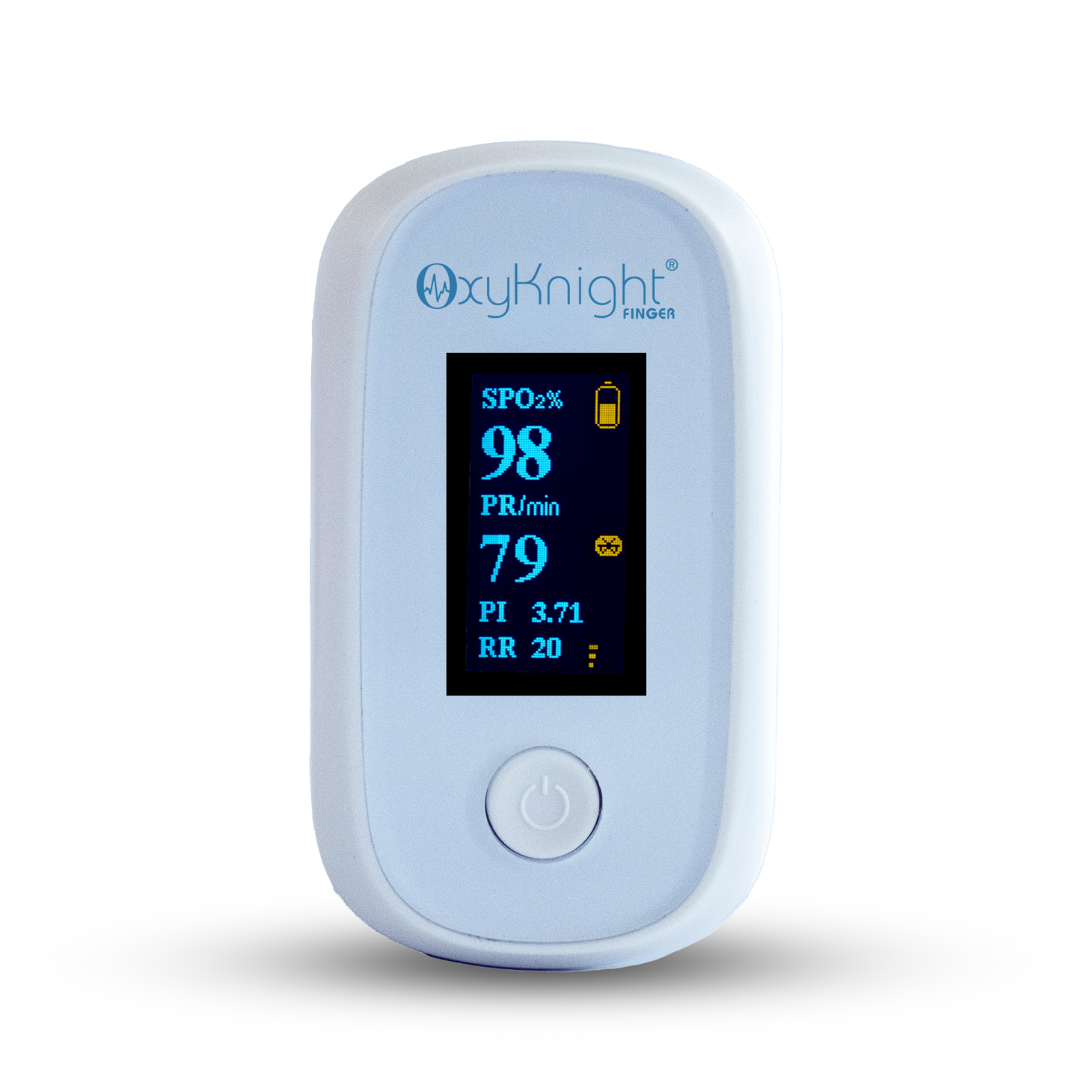
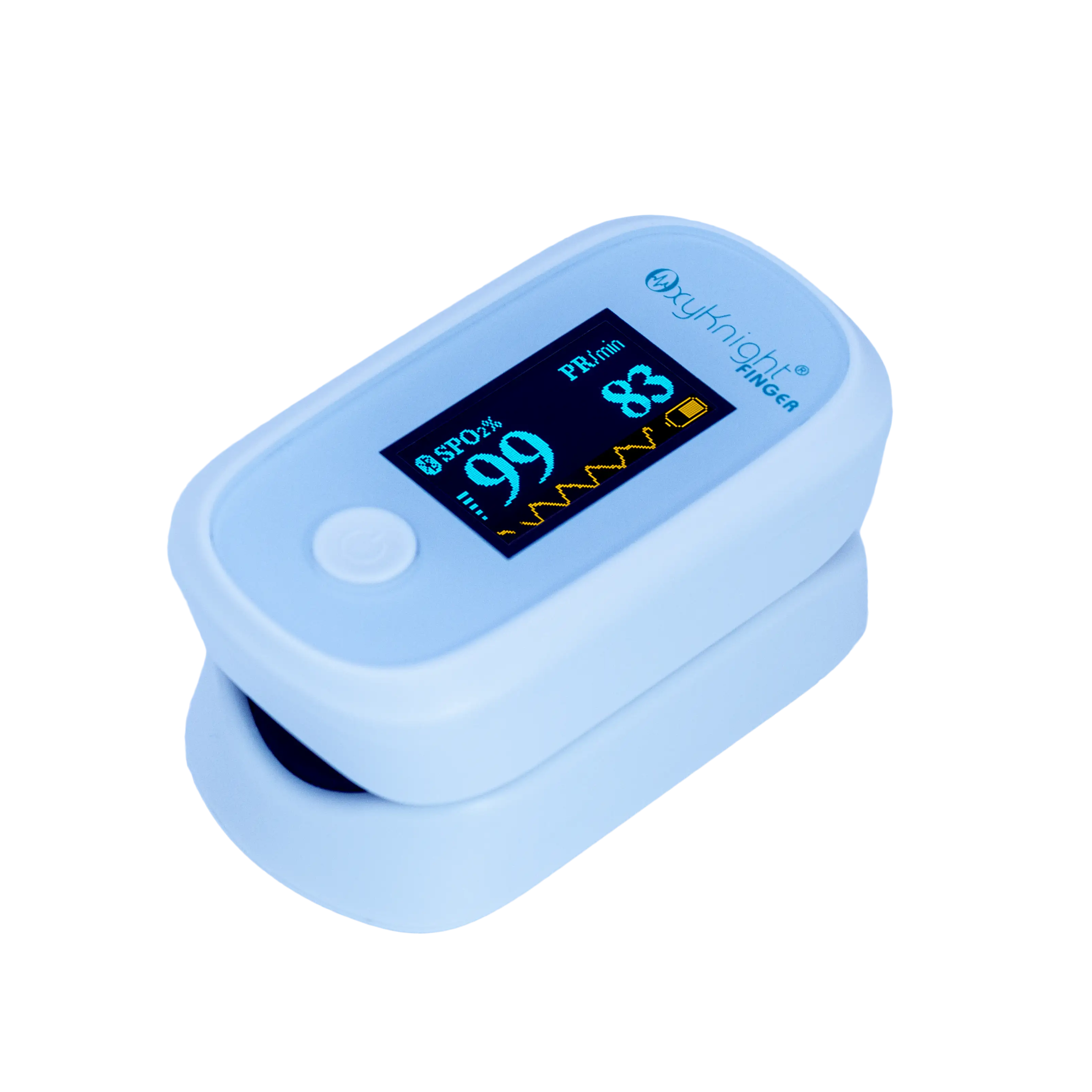
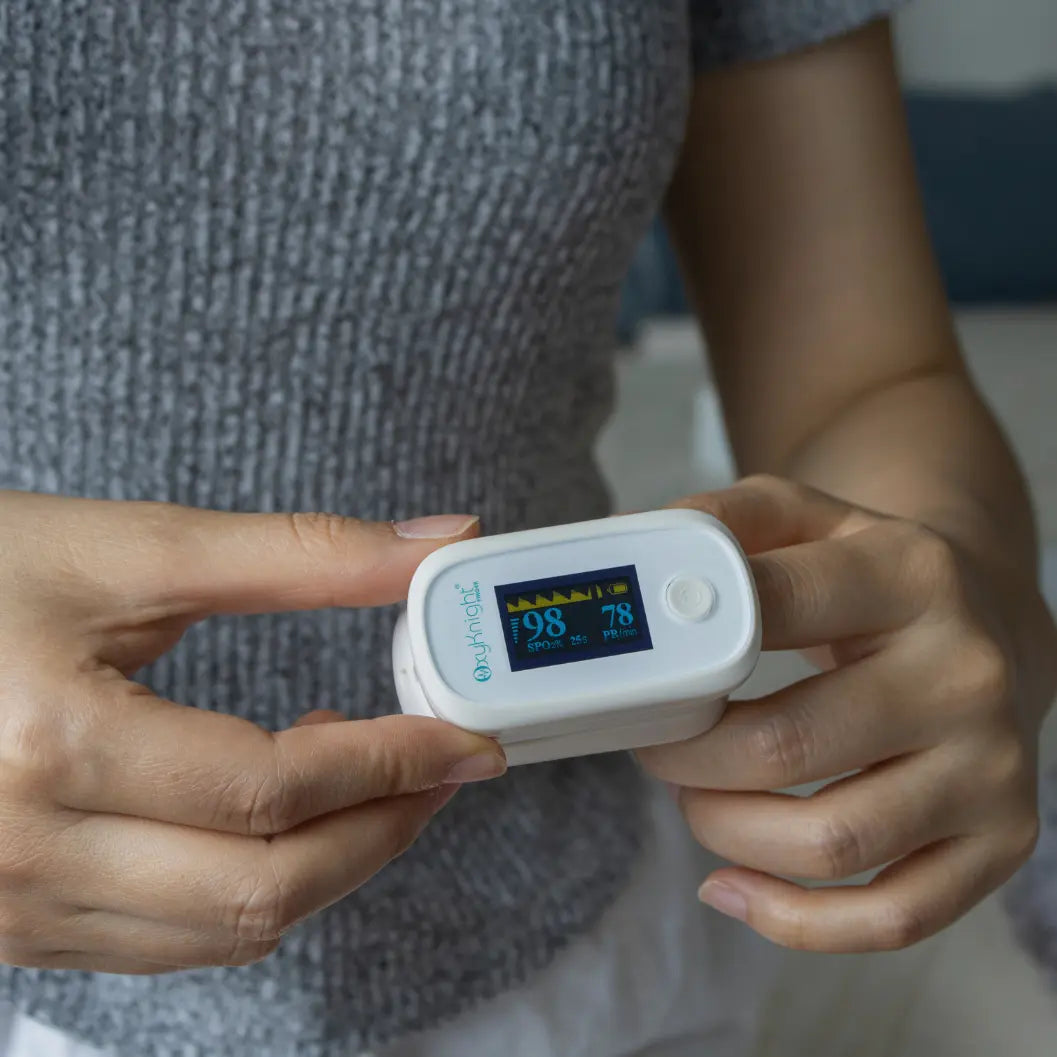
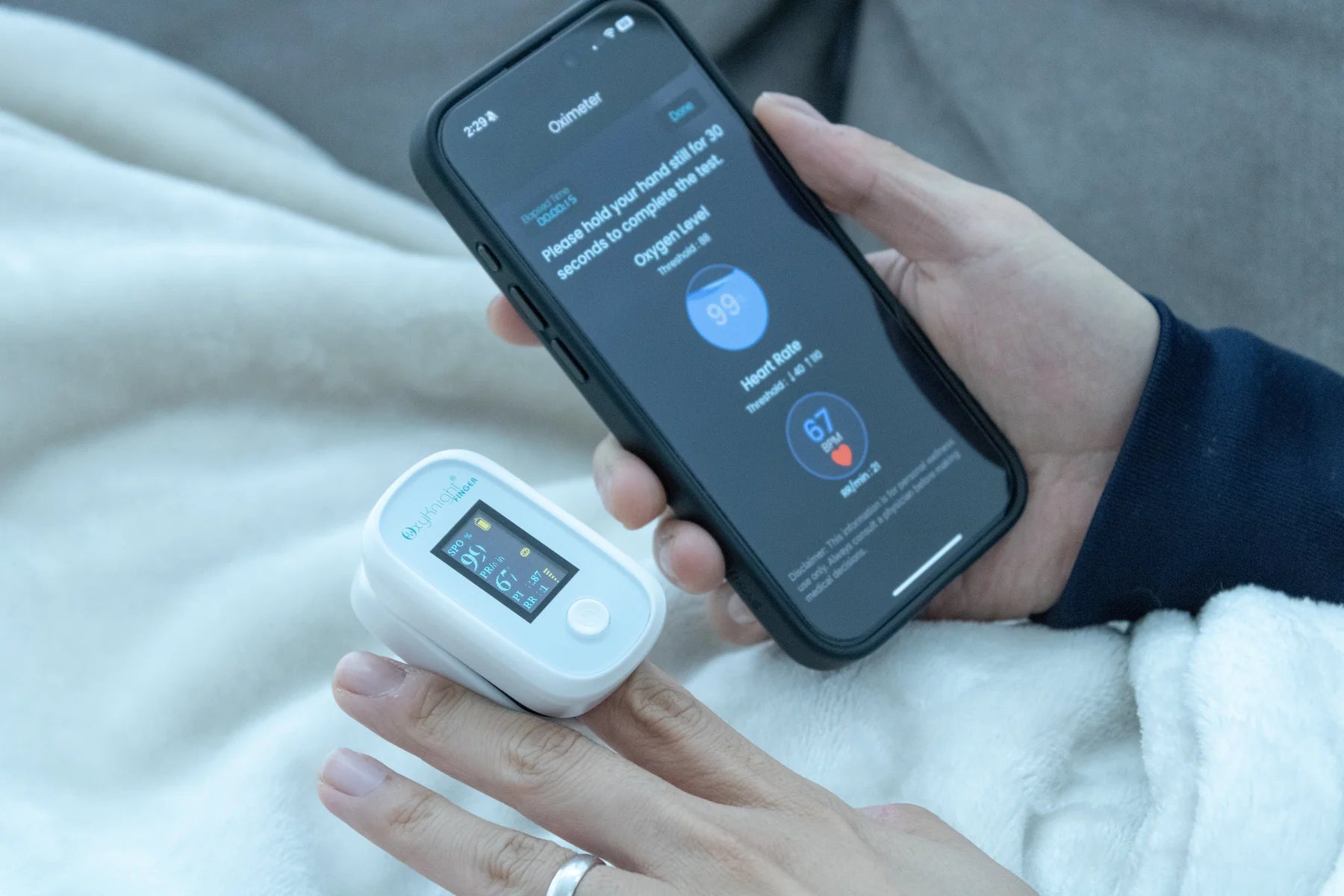
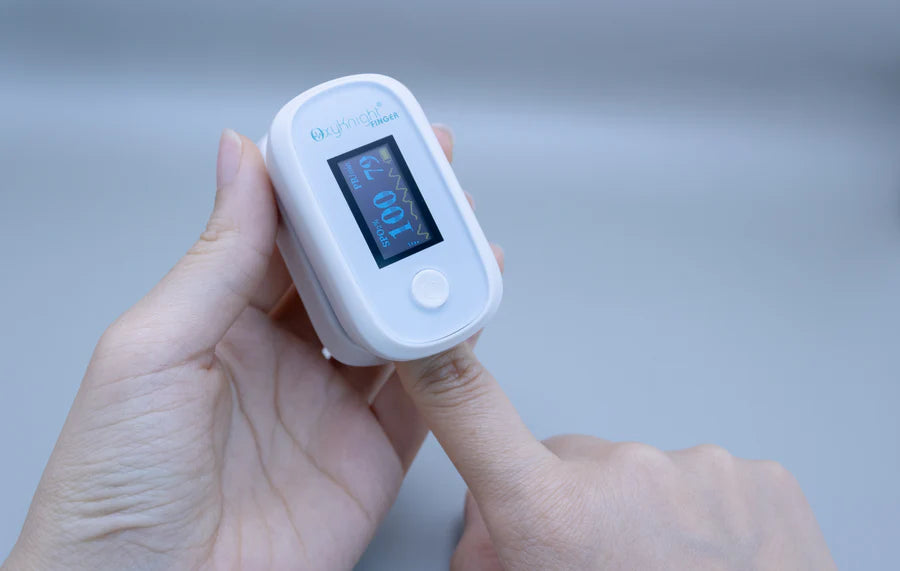
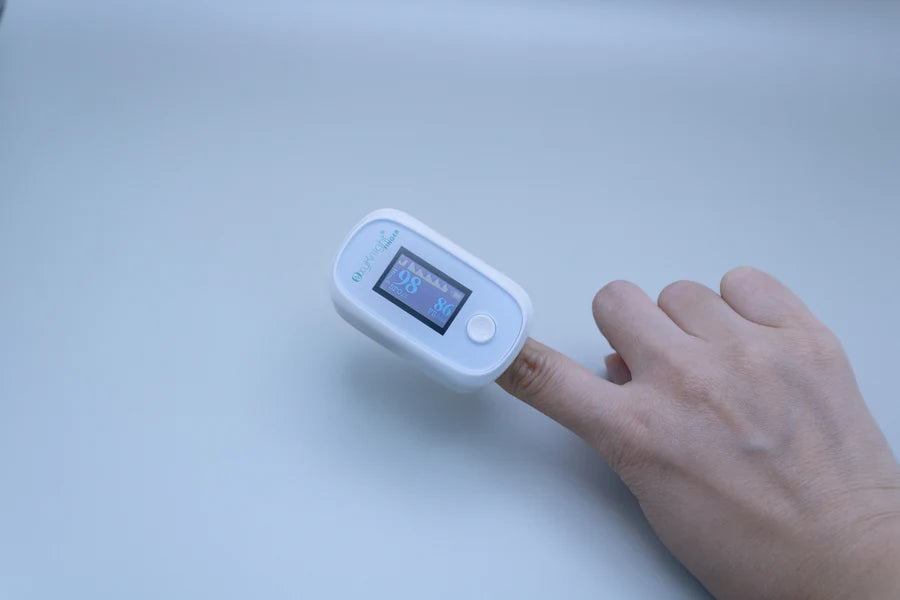
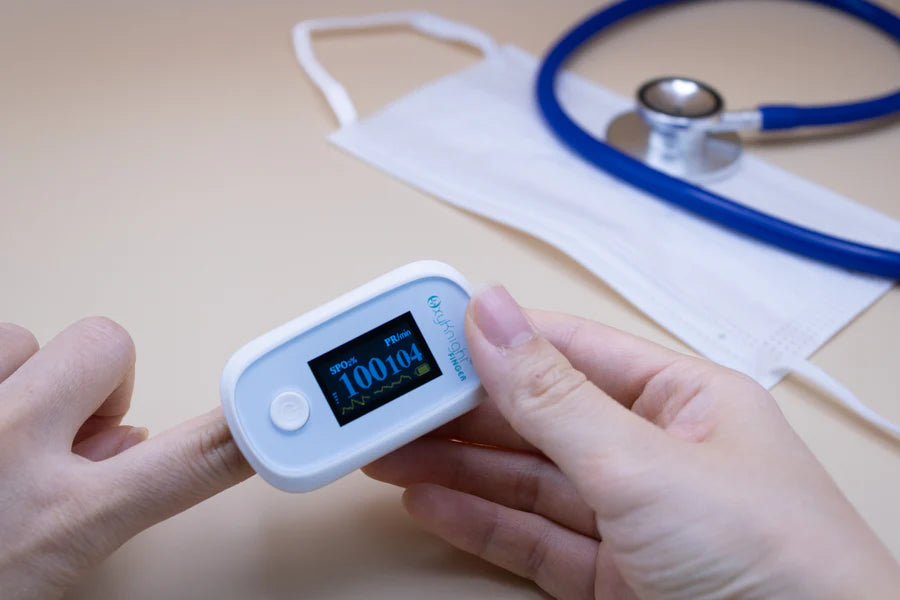
A finger oxygen monitor is the style most people recognize. Simply place your finger inside the device, wait a few seconds, and your oxygen saturation and pulse rate appear on the display.
They're popular because they're:
-
Easy to use
-
Compact and lightweight
-
Portable enough for travel
-
Ideal for occasional readings at home
-
Ready in seconds
For many families, a fingertip pulse oximeter provides an excellent balance of convenience, portability, and value.
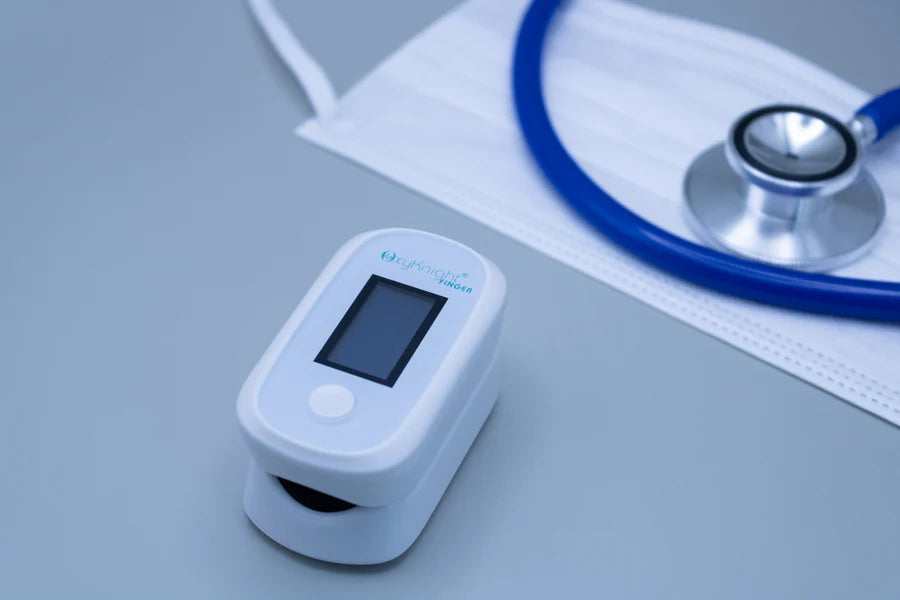
The CMI Health OxyKnight® Fingertip Pulse Oximeter is designed to deliver fast, easy-to-read results for everyday home use.
Handheld Oxygen Monitors

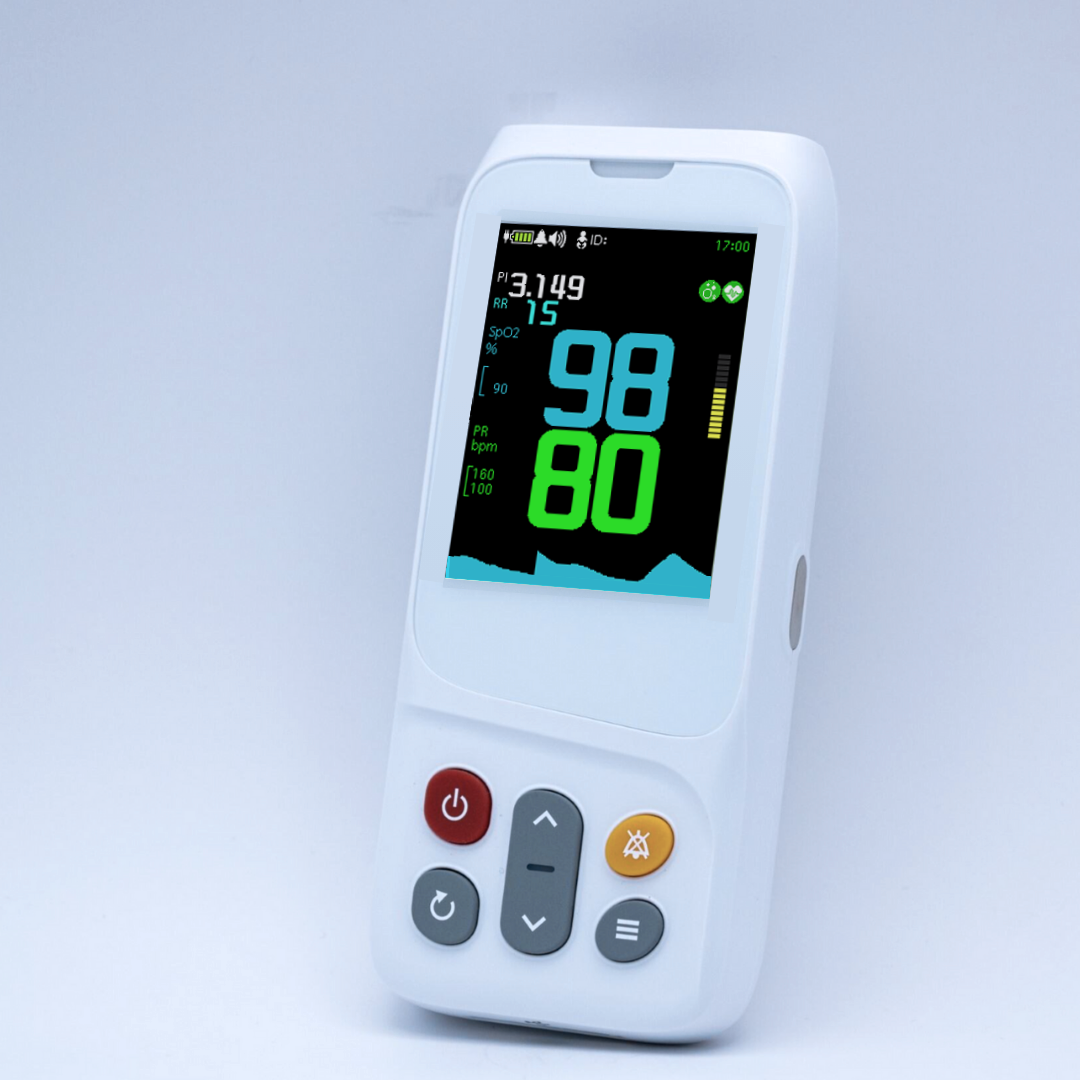
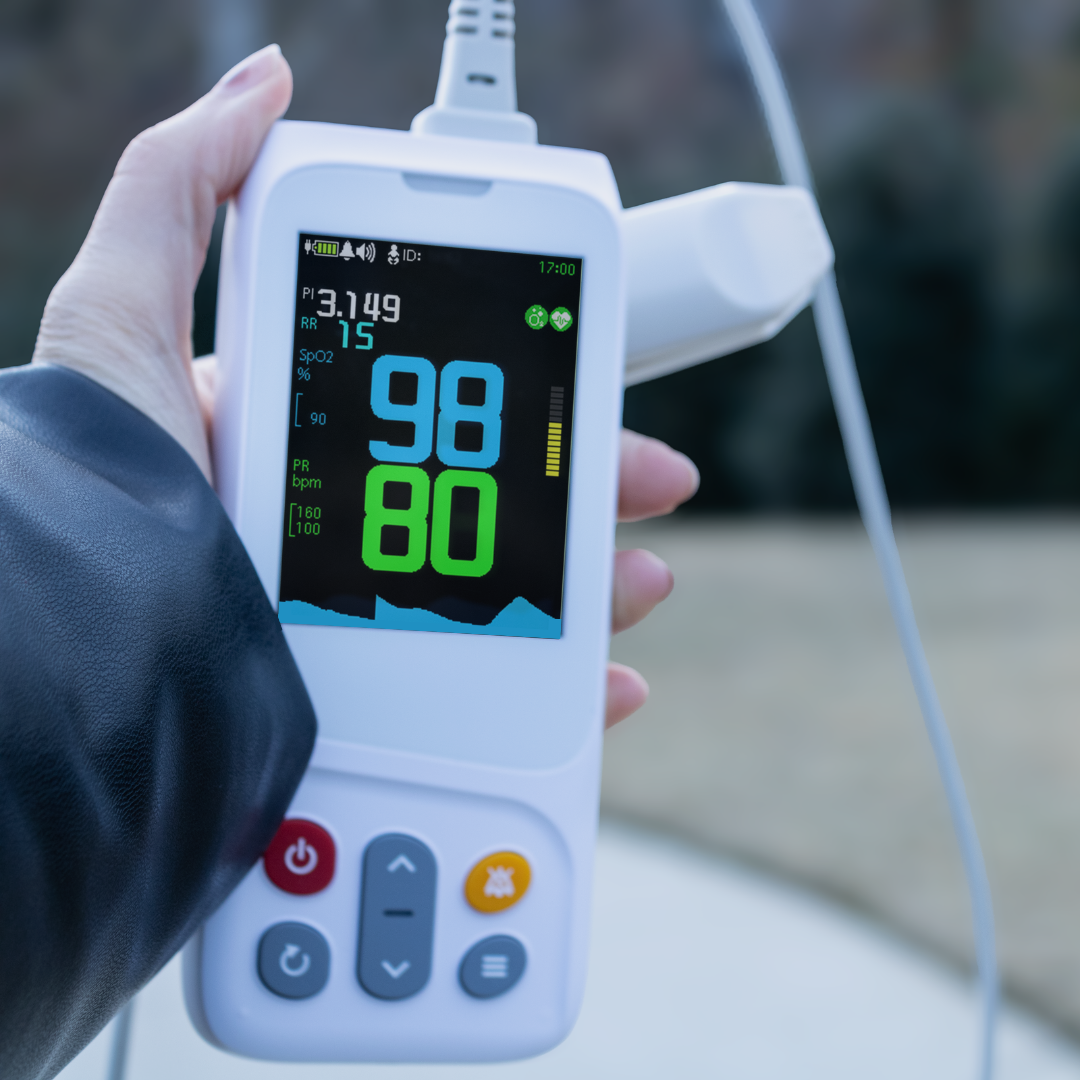
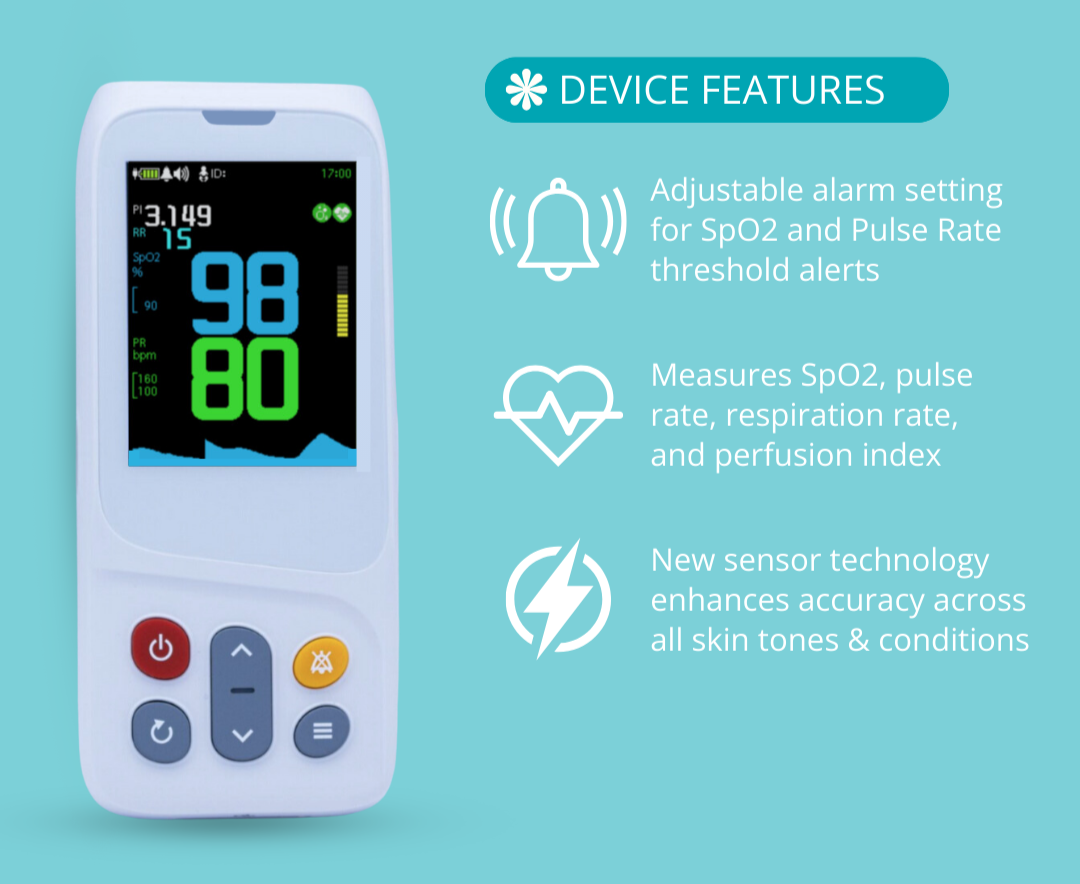
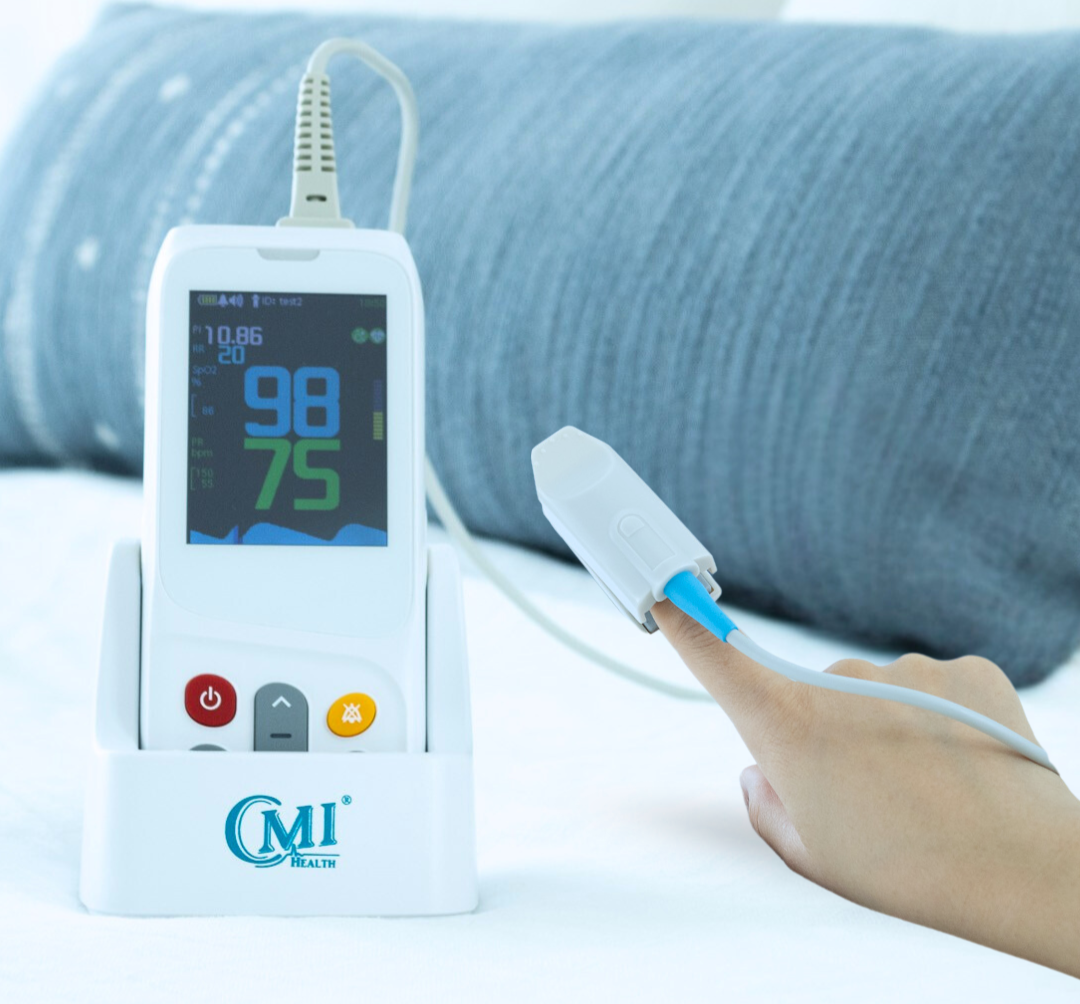
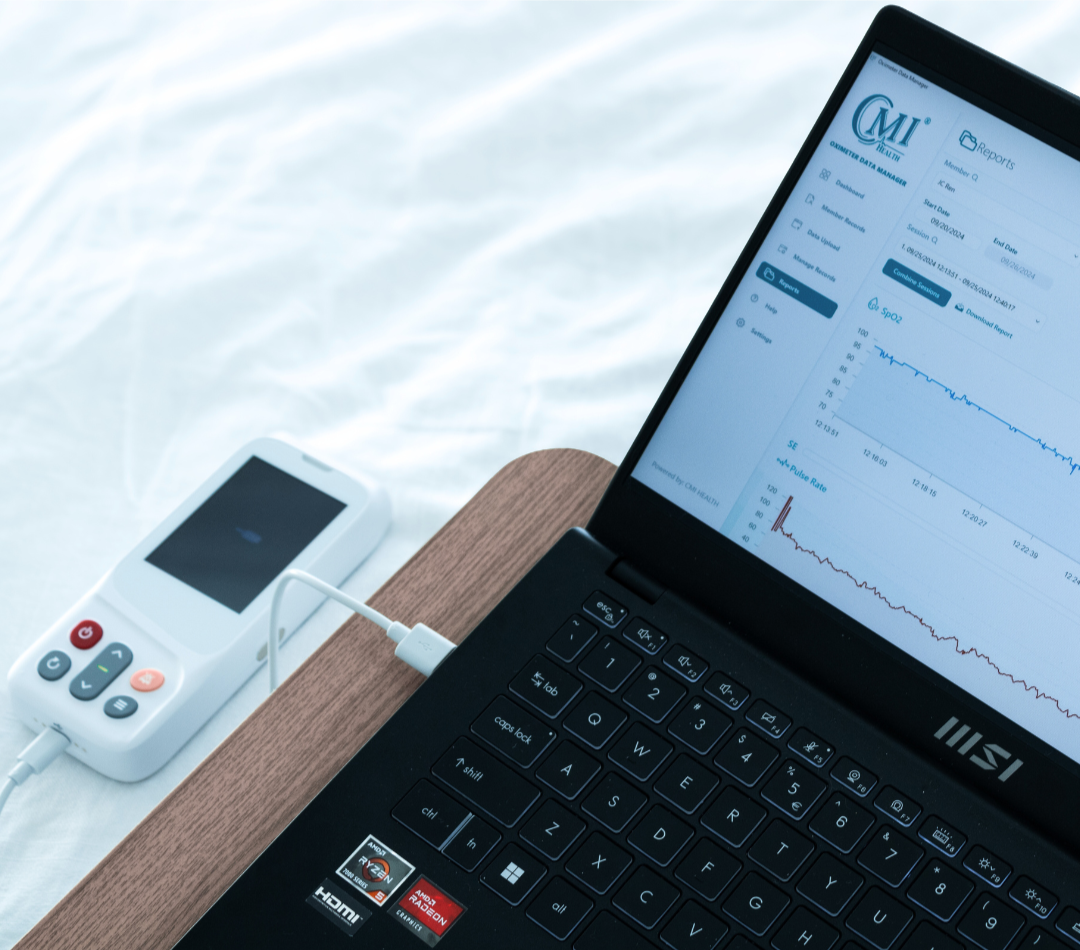
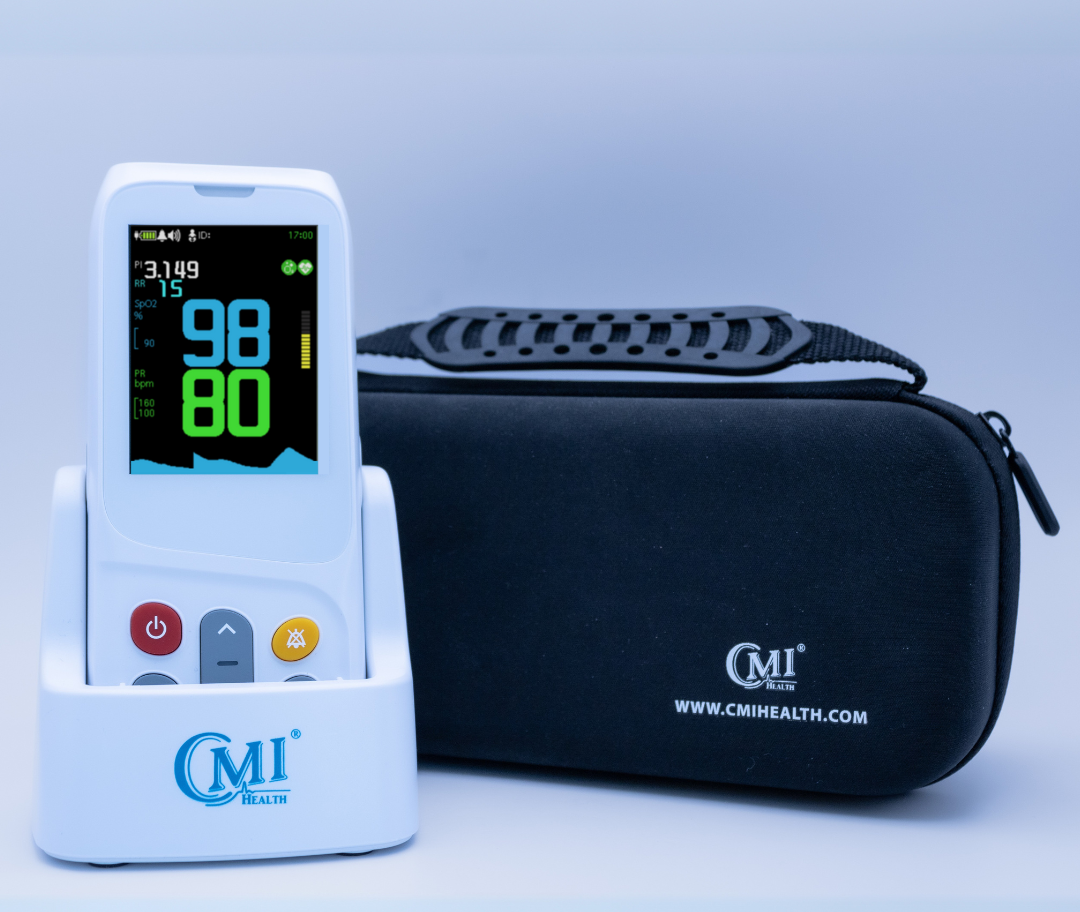
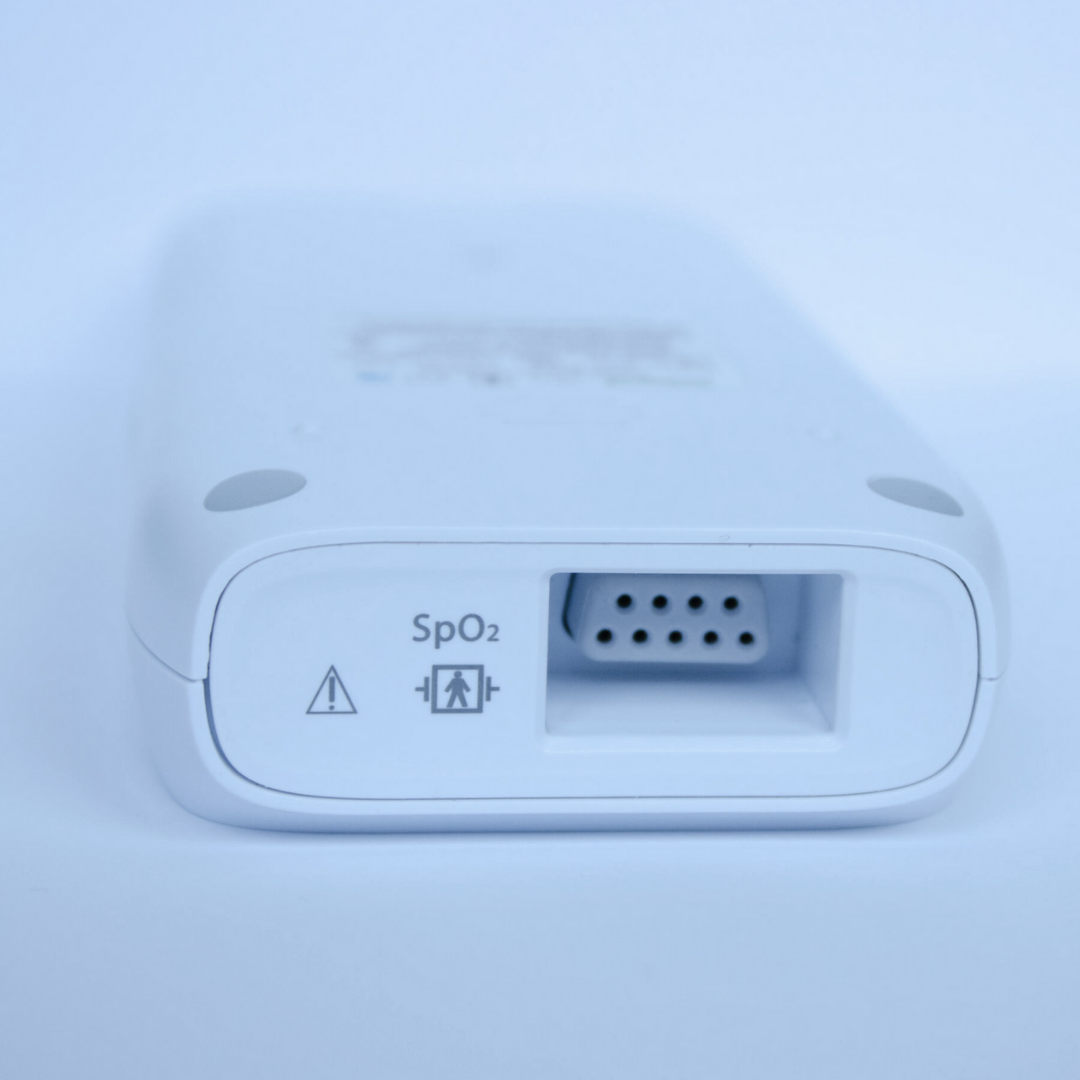
A handheld oxygen saturation monitor uses a separate sensor connected to a display unit rather than combining everything into a fingertip device.
This style may be a good choice if you:
-
Want a larger display
-
Need additional sensor options
-
Plan to use the device with multiple family members
-
Prefer greater flexibility than an all-in-one fingertip model
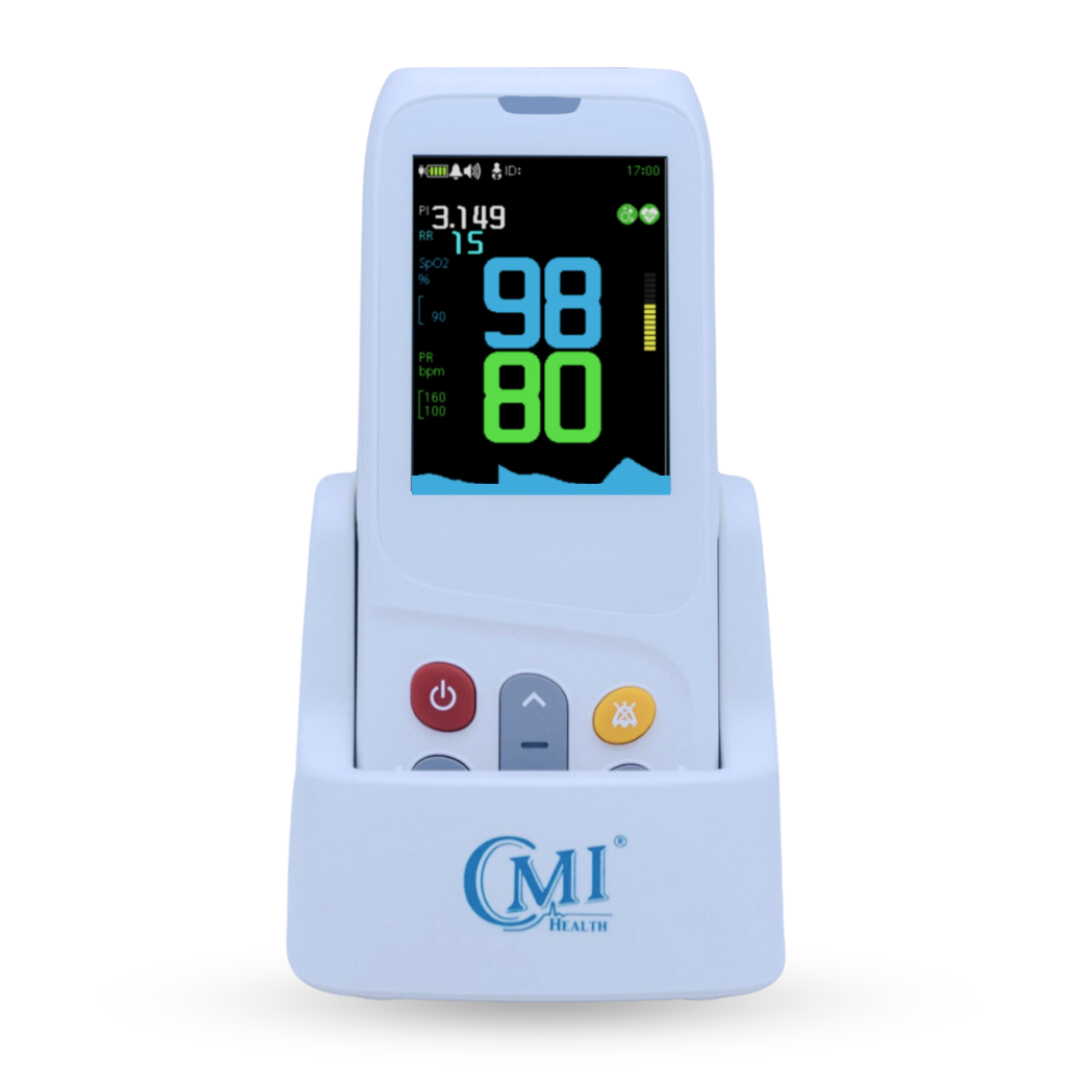
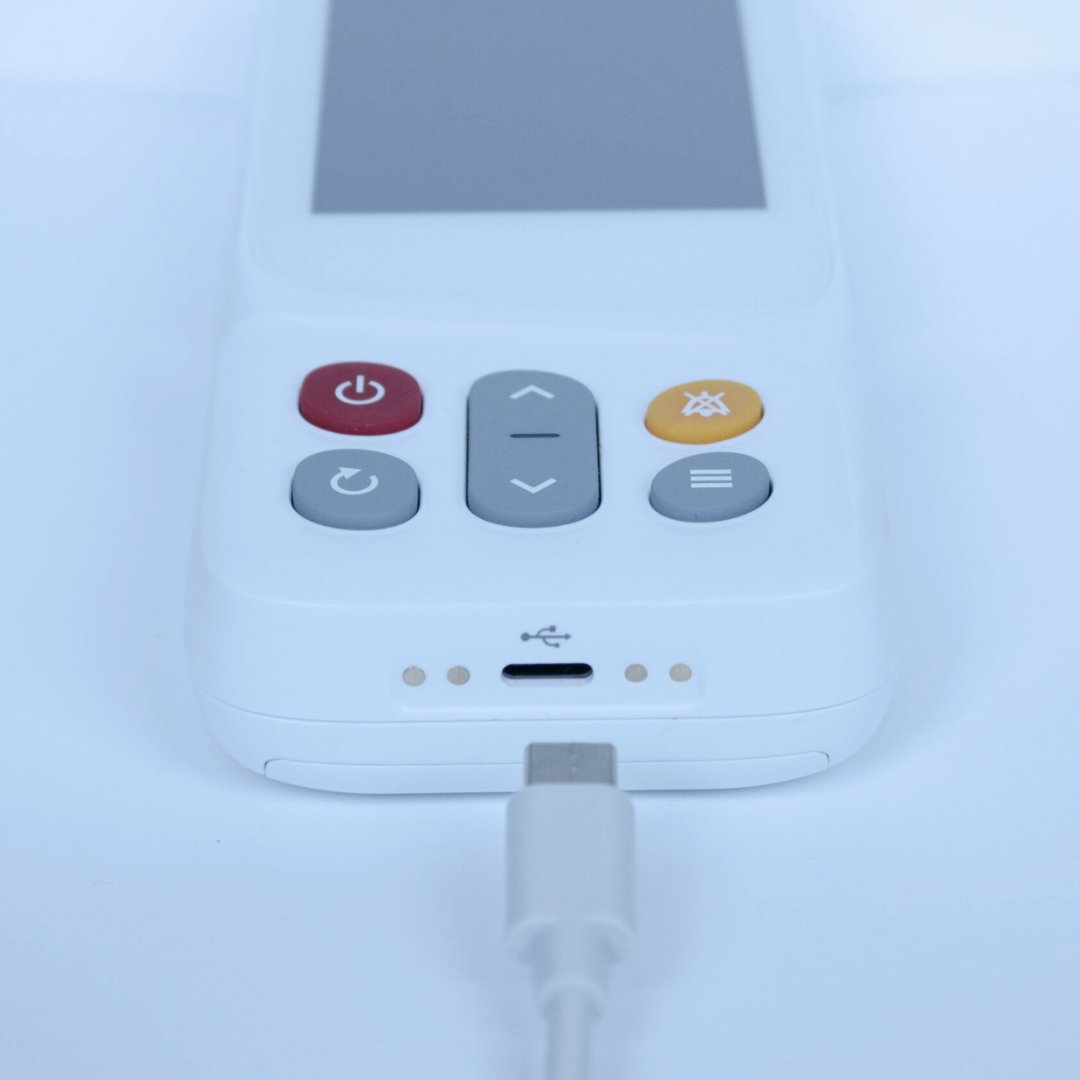
The CMI Health CH-100 Handheld Pulse Oximeter offers compatibility with multiple sensor options, making it a versatile choice for home use.
Wearable Oxygen Monitors
Some users prefer a wearable oxygen saturation monitor that records readings over longer periods instead of taking occasional spot checks.
These devices can be useful for people who want to:
-
Review oxygen trends over time
-
Record readings during daily activities
-
Capture readings over longer periods to review with their healthcare provider
The CMI Health OxyKnight® Watch offers a comfortable wearable design that makes it easy to record and review readings over time.

Infant and Pediatric Oxygen Monitors

Young children require sensors designed specifically for smaller fingers or feet. Standard adult fingertip devices may not provide an appropriate fit.
For families who plan to use the device with both adults and children, a handheld model with interchangeable sensors can provide greater flexibility as needs change.
The CMI Health PC-66 Infant Sensor works with compatible handheld oxygen saturation monitors and offers a solution designed specifically for infants.
What Features Should You Look For?
Although many oxygen meters look similar, a few important features can make everyday use much easier.
Easy-to-Read Display
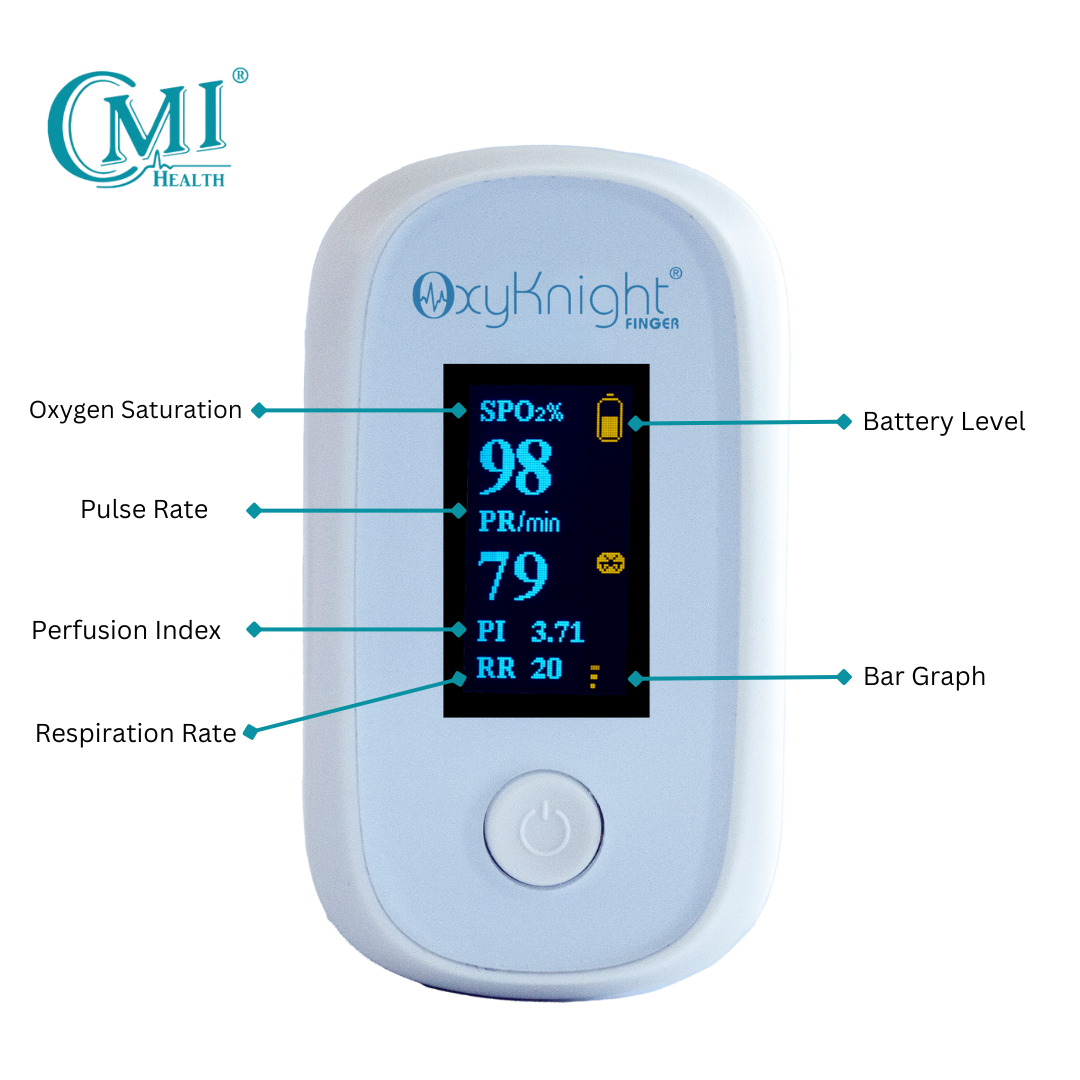
Choose a device with a bright display that clearly shows:
-
Oxygen saturation (SpO₂)
-
Pulse rate
-
Battery status
-
Signal quality indicators
A clear screen makes checking readings faster and easier in different lighting conditions.
Ease of Use
Many buyers simply want a device that's straightforward to operate.
Features that improve usability include:
-
One-button operation
-
Comfortable finger clip
-
Automatic shutoff
-
Fast readings
-
Simple display
Accuracy
Accuracy is one of the biggest considerations when comparing oxygen saturation monitors.
Instead of focusing only on advertising claims, look for devices that offer:
-
Quality sensors
-
Consistent performance
-
Clear instructions
-
Reliable construction
-
Support from an established manufacturer
For the most consistent readings, keep your hand still and ensure your finger is fully inserted into the sensor.
Using the correct sensor size and following the manufacturer's instructions can also help you obtain more consistent readings.
Battery Life
If you'll use your oxygen meter regularly or take it while traveling, battery life becomes more important.
Some devices use replaceable batteries, while others include rechargeable options.
Choose the style that best fits your routine.
Size and Portability
If you'll carry your device between home, work, or travel, consider its size and weight.
Fingertip pulse oximeters fit easily into a pocket or bag, while handheld models provide additional flexibility through interchangeable sensors.
Which Oxygen Saturation Monitor Is Right for You?
The best oxygen reader depends on how you plan to use it.

Why Buy From CMI Health?
CMI Health offers a range of pulse oximeter solutions designed for everyday home use, making it easier to find a device that fits your needs and preferences.
Whether you're looking for:
-
A compact fingertip oxygen saturation monitor
-
A handheld oxygen meter with additional flexibility
-
A wearable option for reviewing readings over time with a companion app
-
A pediatric-compatible sensor
-
Accessories that support long-term use
CMI Health provides options that make it easier to find the right device for your needs.
Explore the full Pulse Oximeter Collection to compare fingertip, handheld, wearable, and pediatric-compatible devices.
Continue Learning
If you're new to pulse oximeters, these CMI Health articles answer common questions and help you better understand your device:
-
How Does a Pulse Oximeter Work? Learn how pulse oximeters use light technology to measure oxygen saturation and pulse rate.
-
What Are the Two Readings on a Pulse Oximeter? Understand what the SpO₂ and pulse rate numbers on your device mean and why they matter.
Together, these resources explain how pulse oximeters work and help you better understand the information displayed with each reading.
Frequently Asked Questions
Common questions about oxygen saturation monitors and pulse oximeters
Is an oxygen saturation monitor the same as a pulse oximeter?
Yes. The terms oxygen saturation monitor, pulse oximeter, oxygen meter, and oxygen reader are often used interchangeably to describe a device that measures blood oxygen saturation (SpO₂) and pulse rate.
What is the difference between a finger oxygen monitor and a handheld oxygen monitor?
A fingertip oxygen saturation monitor combines the sensor and display into one compact device, making it ideal for quick readings. A handheld model uses a separate sensor connected to a display unit, offering greater flexibility and compatibility with different sensor types.
What should I look for when buying an oxygen saturation monitor?
Consider the type of device, display quality, ease of use, portability, battery life, and whether you need features such as interchangeable sensors or pediatric compatibility. The right choice depends on how you plan to use the device.



Leave a comment