



What Is Spirometry? What to Expect From a Spirometry Test

Written by Dallas Akins
Quick Answer: What Is Spirometry?
Spirometry is a pulmonary function test that measures how much air you can breathe out and how quickly you can breathe it out. During the test, you take a deep breath and blow forcefully into a mouthpiece connected to a device called a spirometer. The measurements give your healthcare provider information about how well your lungs are functioning.
Spirometry is the test; a spirometer is the device used to perform it.
When your provider recommends a spirometry test, understanding what happens during the test can help you know what to expect and why the measurements matter.
This guide explains how a spirometry test is performed, how to prepare, what happens afterward, and how at-home spirometry may be used for personal lung-function tracking.

What Does a Spirometry Test Measure?
A spirometry test focuses on the movement of air out of your lungs. The spirometer records information as you inhale deeply and then exhale as quickly and forcefully as instructed.
Three terms commonly associated with spirometry are FVC, FEV1, and the FEV1/FVC ratio.

FVC measures the total amount of air you can forcefully breathe out after a deep breath, while FEV1 measures how much you can forcefully breathe out during the first second. The FEV1/FVC ratio compares these two measurements.
These measurements are only part of the information used to evaluate spirometry results. Factors such as age, height, and other individual characteristics may also be considered
Rather than trying to interpret the numbers on your own, discuss your specific measurements with your provider in the context of your overall health.
Want to learn more about these measurements? See our guide, FEV1, FVC & FEV1/FVC Ratio: How to Read Your Spirometry Results, for a closer look at the numbers commonly included in spirometry results.
Why Is Spirometry Done?
A healthcare provider may recommend spirometry when they want more information about how well your lungs are working.
For example, spirometry may be used when someone has ongoing breathing symptoms, such as coughing, wheezing, or shortness of breath. It may also be repeated over time when a provider wants to compare changes in lung function or evaluate how someone is responding to a treatment plan.
Spirometry may also be performed before certain surgeries or as part of some occupational lung-function evaluations.
The test provides information that a healthcare provider can consider alongside symptoms, health history, physical examination, and other testing when appropriate.
How Is Spirometry Done?
According to the National Heart, Lung, and Blood Institute, spirometry involves taking a fast, deep breath and then immediately blowing air out forcefully while the device measures your airflow.
The breathing maneuver is usually repeated several times to help produce consistent measurements. In some cases, spirometry may also be performed again after using an inhaled medication.
Spirometry Test: What to Expect at a Glance
If you're preparing for your first spirometry test, knowing what happens before, during, and after the procedure can make the process feel more familiar.

How to Prepare for a Spirometry Test
Follow any specific preparation instructions from your provider or testing facility, as they may differ from the general guidance below.
You may be advised to:
-
Wear loose, comfortable clothing that doesn't make it difficult to take a deep breath.
-
Avoid eating a large meal shortly before the test.
-
Avoid smoking before testing according to the instructions you're given.
-
Avoid vigorous exercise shortly before your appointment.
-
Follow your provider's instructions regarding inhalers and other medications.
Don’t stop taking a prescribed medication on your own before spirometry. If you’re unsure what to take before the test, ask your provider or testing facility.
How Long Does a Spirometry Test Take?
Mayo Clinic notes that a spirometry test generally takes about 15 to 30 minutes, although the exact length can depend on the testing process and whether additional measurements are needed.
If the test is repeated after an inhaled medication, your appointment may take longer because you'll generally need to wait before performing the second set of measurements.
What Does a Spirometry Test Feel Like?
A spirometry test isn’t typically painful, but the breathing maneuver can require some effort. Taking deep breaths and exhaling hard and fast may temporarily make you feel lightheaded, dizzy, tired, or short of breath. Some people may also cough during or after the test.
Tell the person administering your test if you feel uncomfortable or need a break.
Spirometry may not be appropriate in certain circumstances because forceful exhalation temporarily increases pressure in parts of the body. Make sure the person performing your test knows about recent surgeries, cardiovascular events, or other relevant health concerns before you begin.
What Happens After a Spirometry Test?
Most people can return to their normal activities after spirometry unless their provider gives them different instructions.
The spirometry measurements will then be reviewed in context. Your provider may consider your results alongside your symptoms, health history, previous measurements, and other information.
If you see terms such as FEV1, FVC, or FEV1/FVC on your results, don't assume that one number by itself provides a diagnosis. Spirometry results require appropriate interpretation.
Can You Take a Spirometry Test at Home?
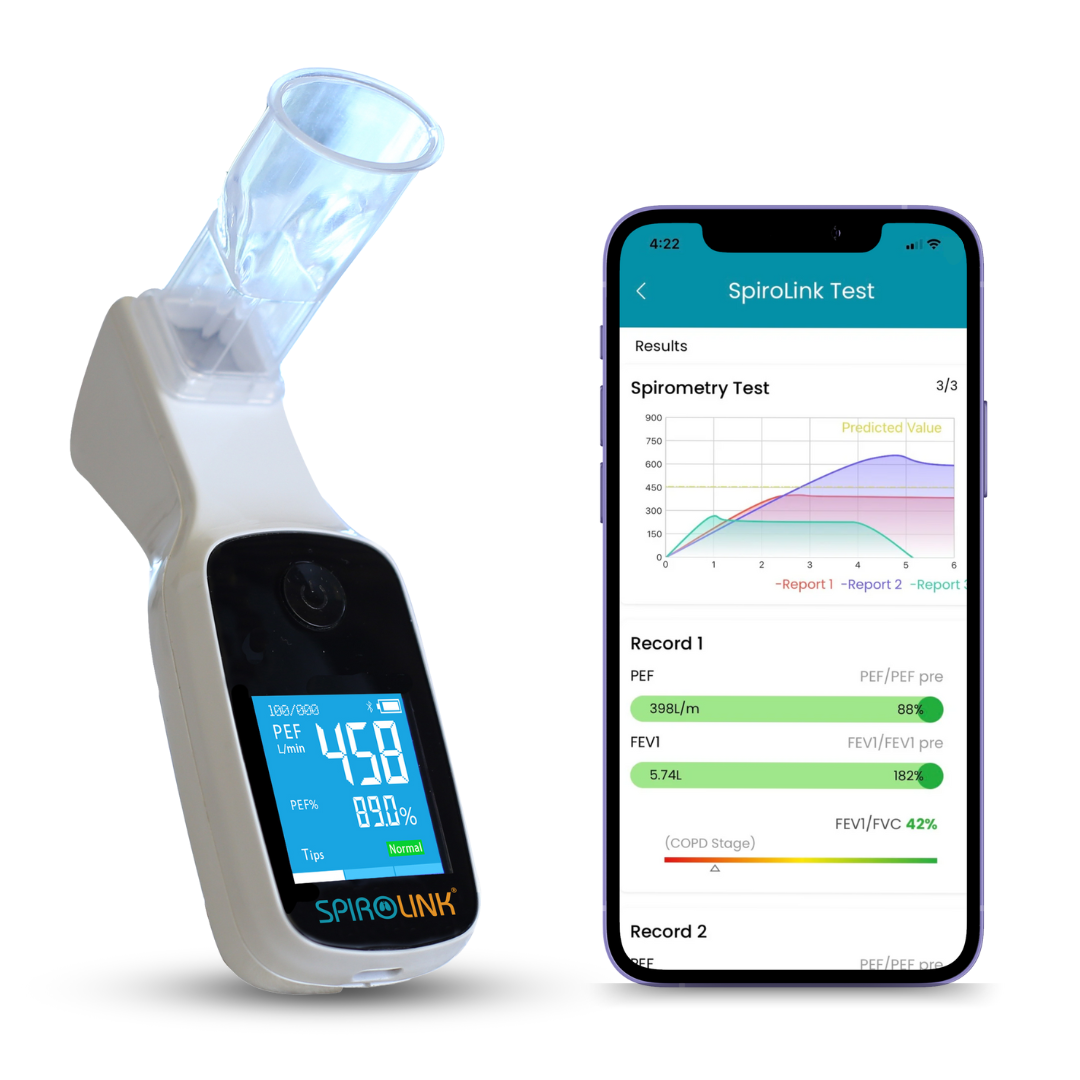
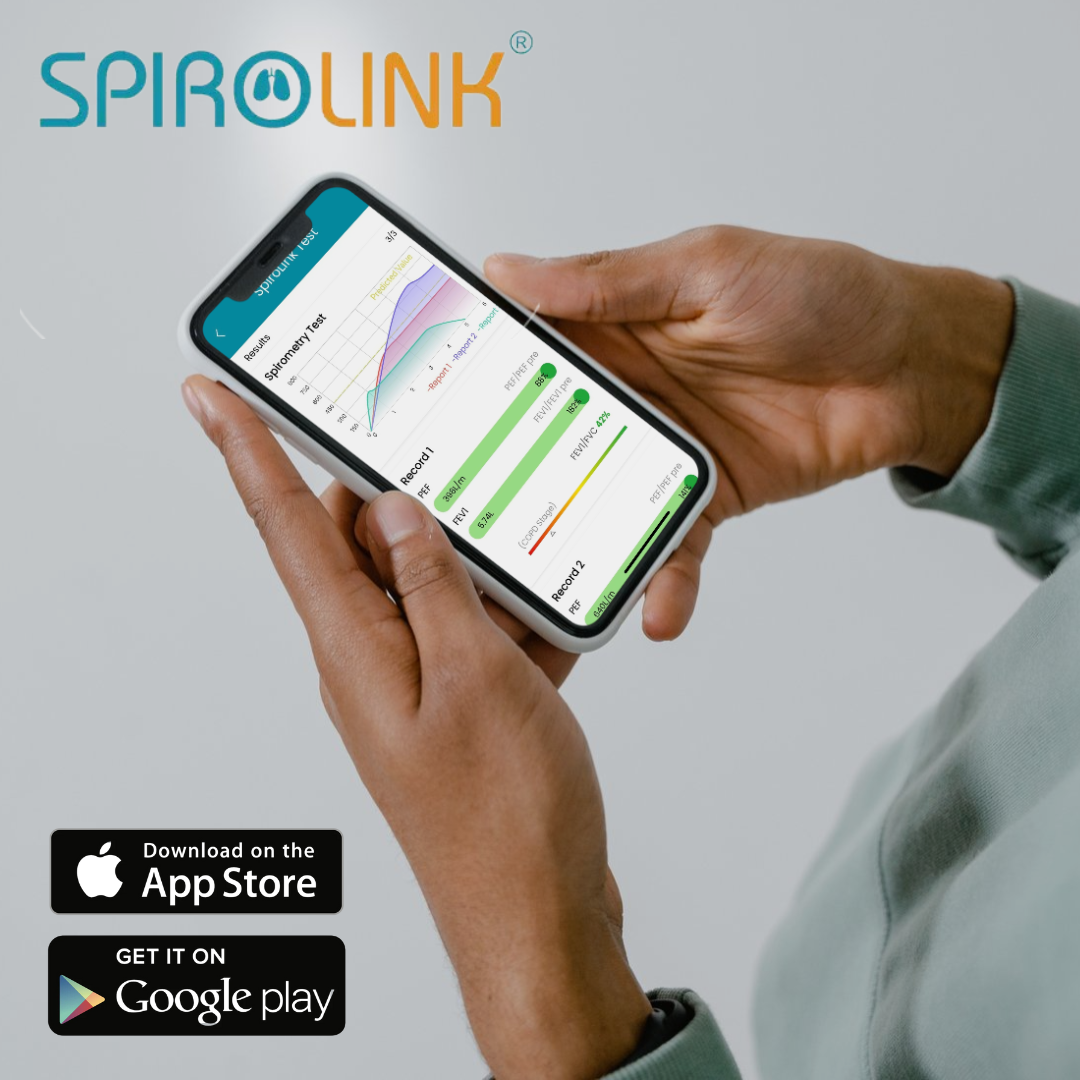
Digital spirometers make it possible to collect certain lung-function measurements at home. At-home readings may be useful when a provider has recommended tracking measurements over time. A digital spirometer can make it easier to record and share that information.
At-home spirometry isn't a substitute for professional evaluation or a way to independently diagnose a respiratory condition. Technique matters, so follow the device instructions and your provider's recommendations for taking and interpreting readings.
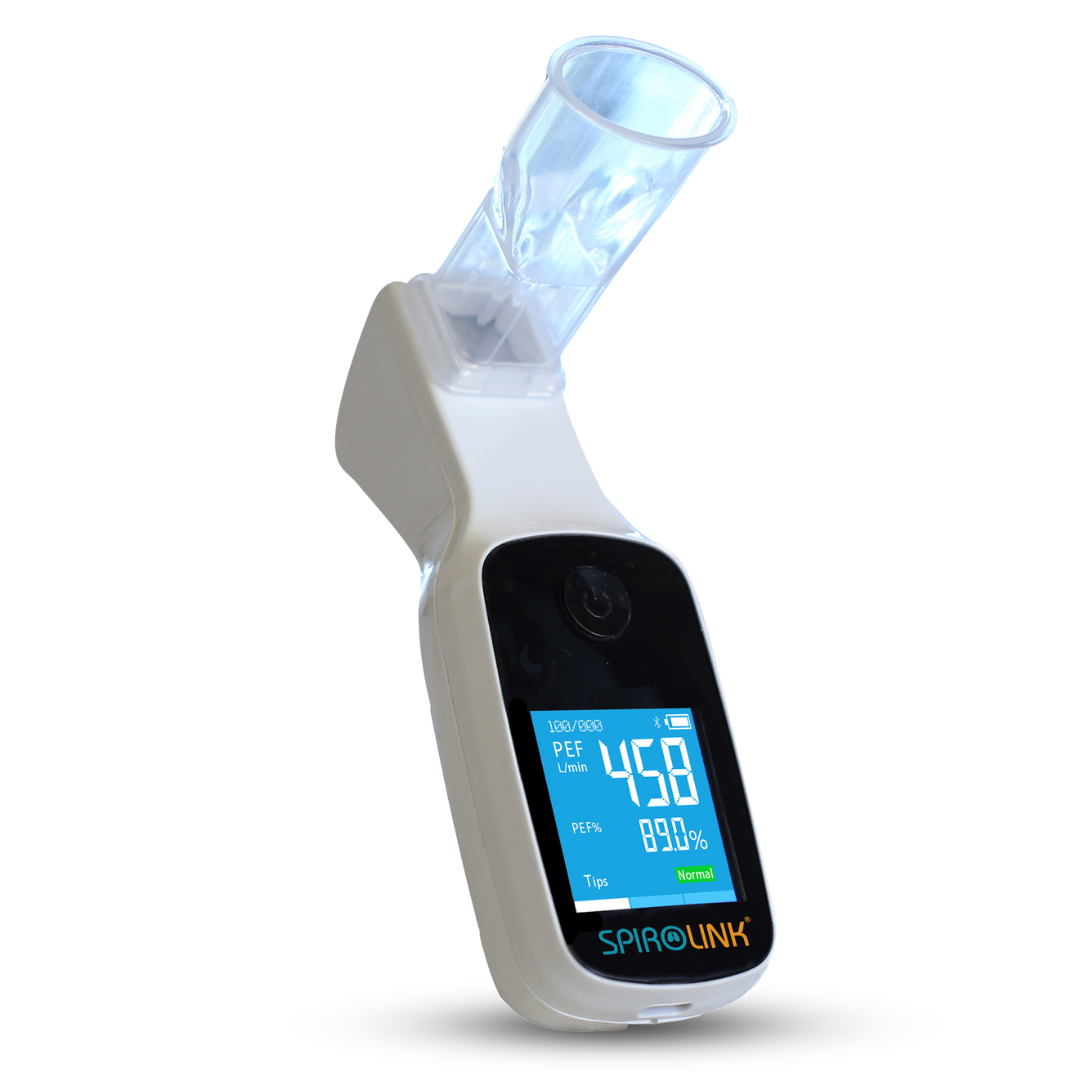
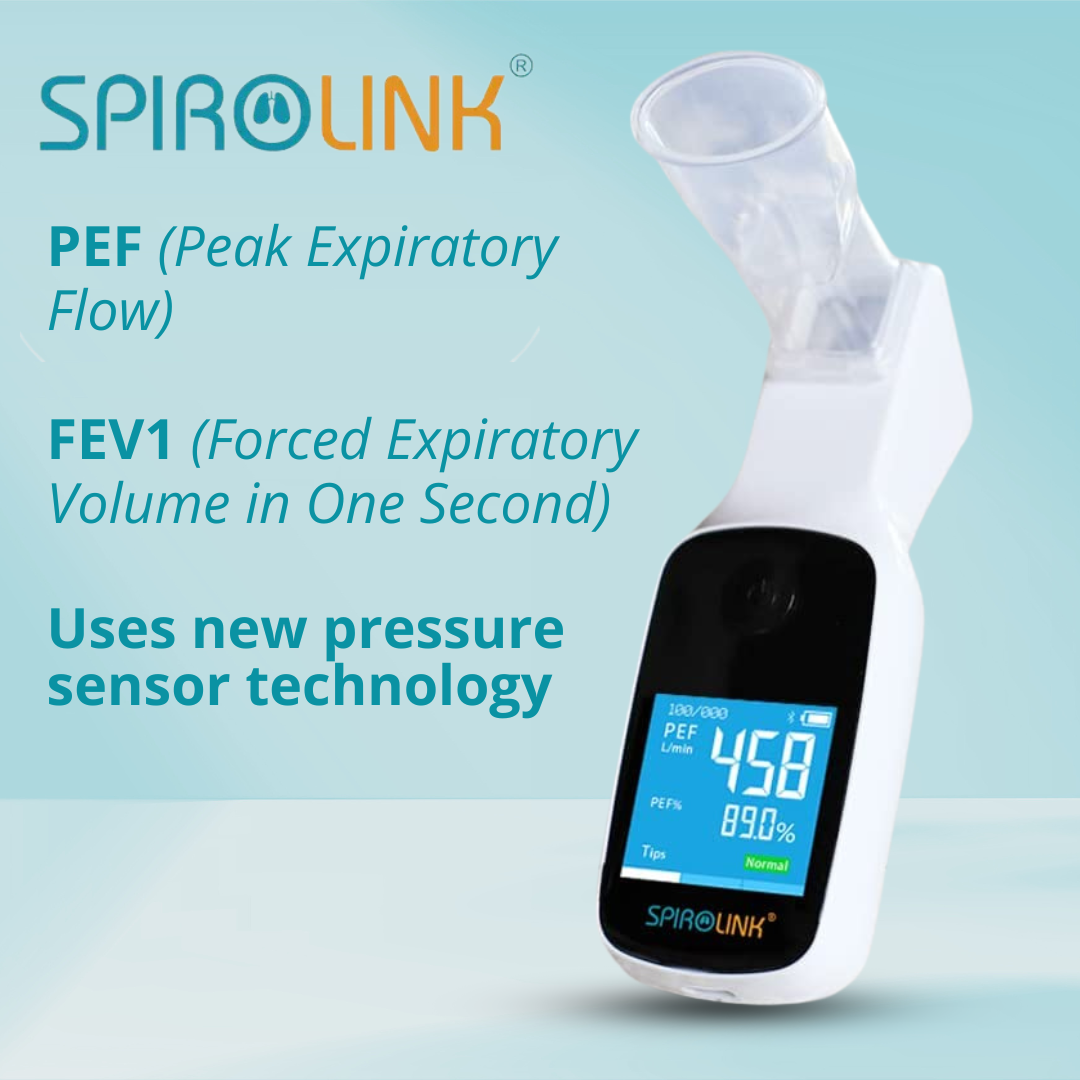
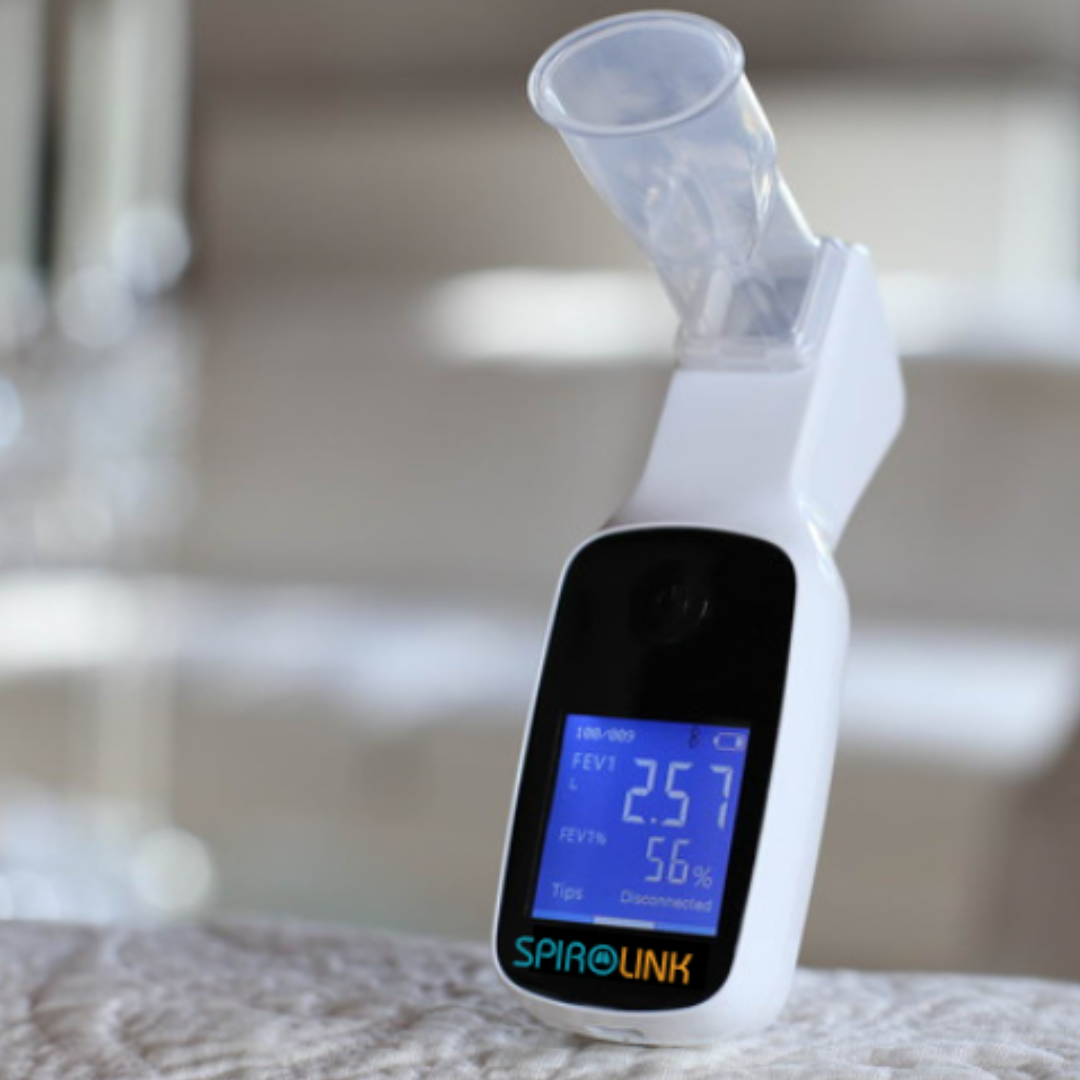
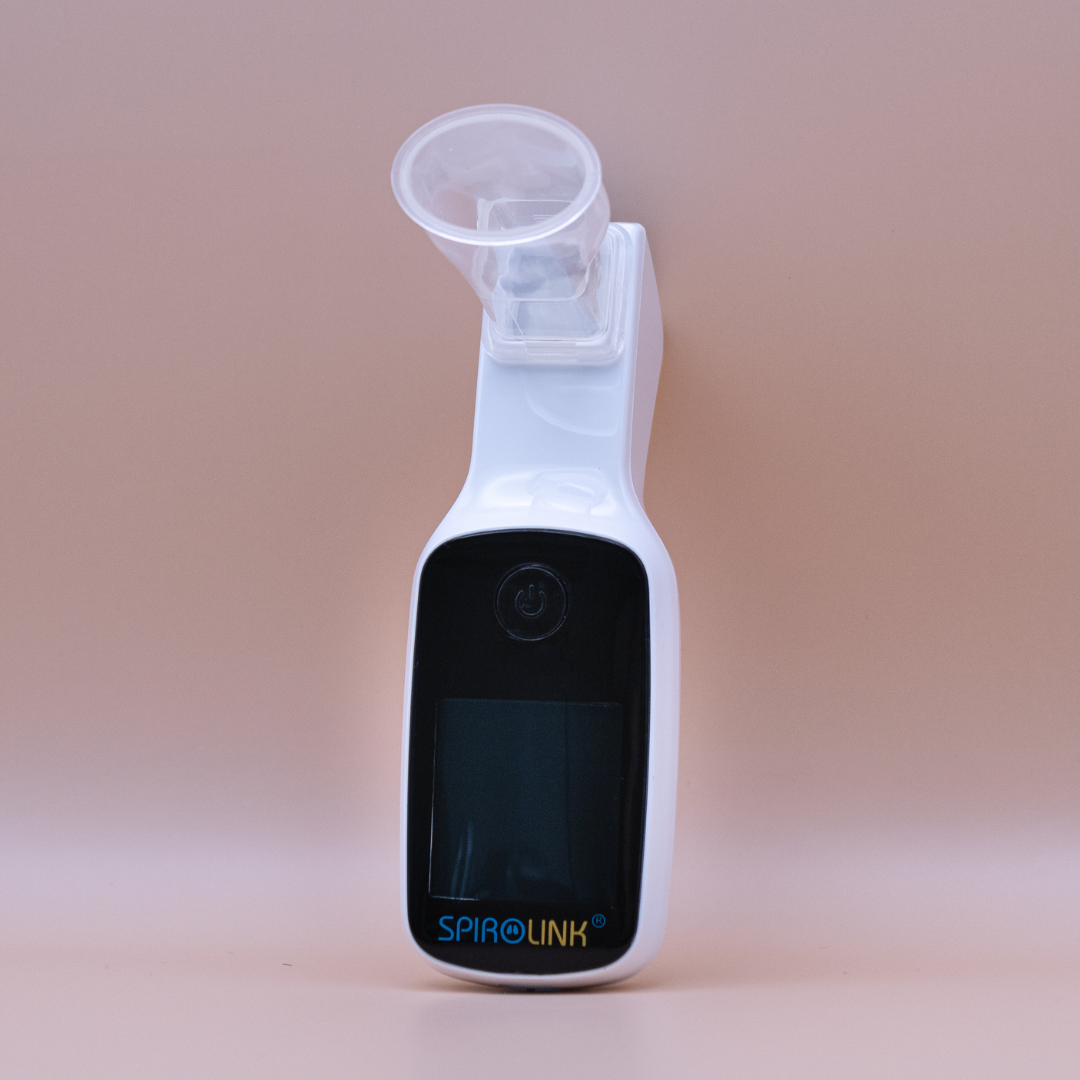
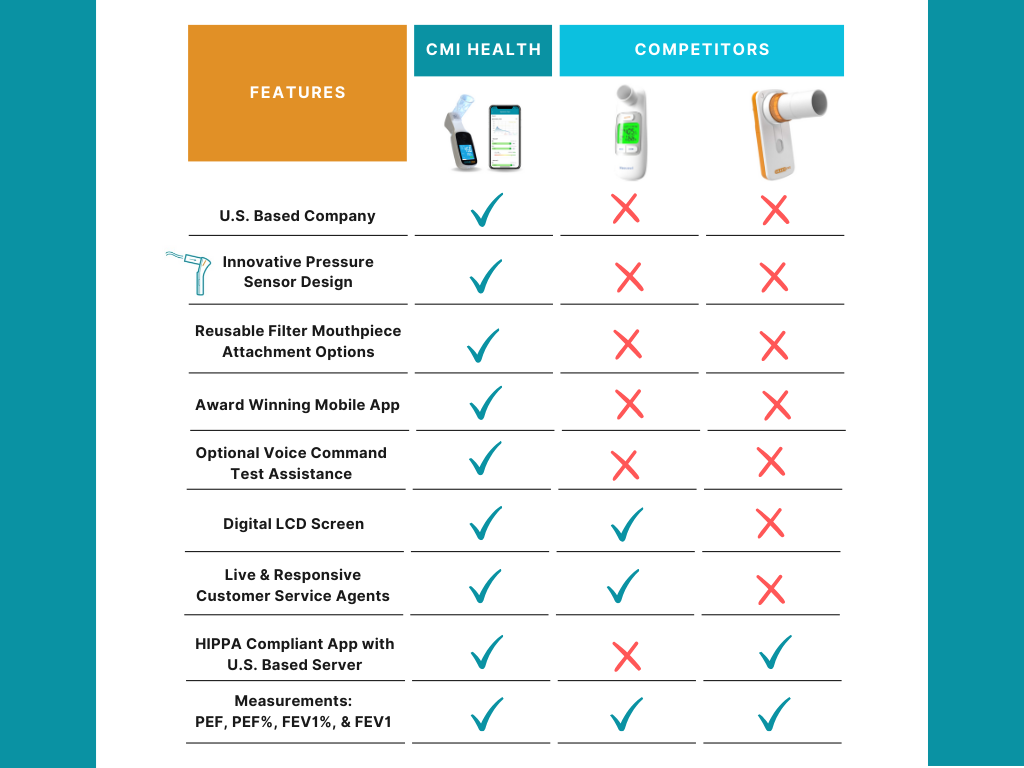
CMI Health offers options for personal lung-function tracking, including the SpiroLink Smart Spirometer. You can also track your lung function at home with a digital spirometer by exploring the CMI Health Spirometer Collection.
Spirometry vs. Spirometer: What's the Difference?
The words spirometry and spirometer are closely related, but they don't mean the same thing.
Spirometry is the test or process used to measure aspects of lung function.
A spirometer is the device used to collect those measurements.

An easy way to remember:
Spirometry = Test | Spirometer = Tool
If you're looking for information about choosing a device rather than understanding the test itself, visit the CMI Health Spirometer Collection.
Frequently Asked Questions
Is a spirometry test difficult?
The process is straightforward, but the breathing maneuver requires effort. You'll be asked to inhale deeply and exhale forcefully, usually several times. Following the instructions you're given can help produce consistent measurements.
How long does a spirometry test take?
A standard spirometry test commonly takes around 15 to 30 minutes, although the appointment may take longer if additional testing is performed or measurements are repeated after an inhaled medication.
Can spirometry be done at home?
Certain digital spirometers can be used at home to collect lung-function readings. At-home readings can be useful when your provider has recommended tracking this information, but they shouldn't be used to diagnose a respiratory condition on your own. Follow the device instructions and your provider's recommendations for taking and interpreting readings.



Leave a comment