



What Is a Normal Pulse Rate? Resting Heart Rate by Age

Written by Dallas Akins
Quick Answer: What Is a Normal Pulse?
For most adults, a normal resting pulse is between 60 and 100 beats per minute (bpm). Children generally have higher resting heart rates, with typical ranges changing as they grow. Physically active adults may also have a resting pulse below 60 bpm.

There’s more to a pulse reading than whether it lands inside a particular range. Age matters, but so do things like recent activity, stress, caffeine, medications, and even the temperature.
Knowing what’s typical gives you a useful starting point for understanding your number—and recognizing when a change may be worth discussing with your healthcare provider.
What Is a Normal Resting Pulse?
Your heart rate is the number of times your heart beats in one minute, measured in beats per minute (bpm). Your pulse is the pressure wave you can feel in an artery with each heartbeat. In everyday use, “pulse rate” and “heart rate” are often used interchangeably.
Your heart rate naturally changes throughout the day. It increases when you're active and generally slows when you're resting.
A resting heart rate is your heart rate when you're calm and at rest. For most adults, a normal resting pulse falls between 60 and 100 bpm.
For a more consistent resting reading, consider checking your pulse when you're relaxed and before physical activity or caffeine. The American Heart Association suggests that the morning, after a good night's sleep and before getting out of bed or having coffee, can be a good time to check.
Normal Resting Heart Rate by Age
Normal resting heart rate ranges vary by age, especially in children. Babies and young children generally have faster resting heart rates, with typical rates decreasing as they get older.
Use this normal resting heart rate by age chart as a general reference:

These are general reference ranges. Published ranges may vary somewhat by source, age grouping, and individual circumstances.
What Can Affect Your Resting Pulse?
Age isn't the only factor that can influence your resting pulse. Activity, fitness level, stress, caffeine, medications, temperature, and other everyday factors can also affect the number you see.

Because your pulse responds to so many factors, an individual reading doesn't always tell the whole story. Consider what you were doing before the reading, how you were feeling, and whether the number is typical for you.
How to Check Your Resting Pulse
You don't necessarily need a device to check your pulse. You can find it manually at your wrist.
For a resting measurement, sit or lie quietly first. Then:
1. Place the tips of your index and middle fingers on the inside of your opposite wrist, near the base of your thumb.
2. Press lightly until you feel your pulse.
3. Count the number of beats for 60 seconds.
4. The number you count is your pulse rate in beats per minute (bpm).
Can You Check Your Pulse With a Pulse Oximeter?
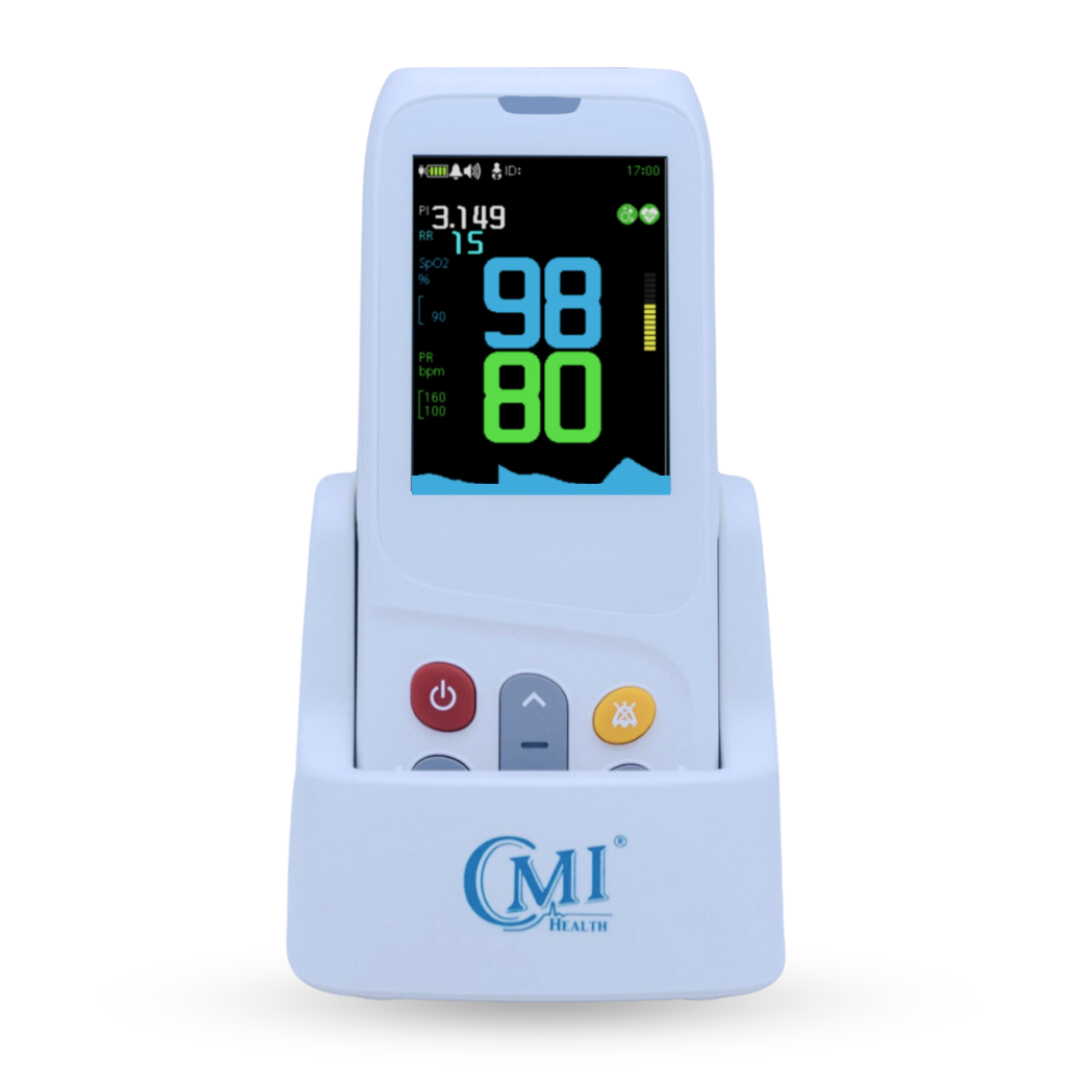
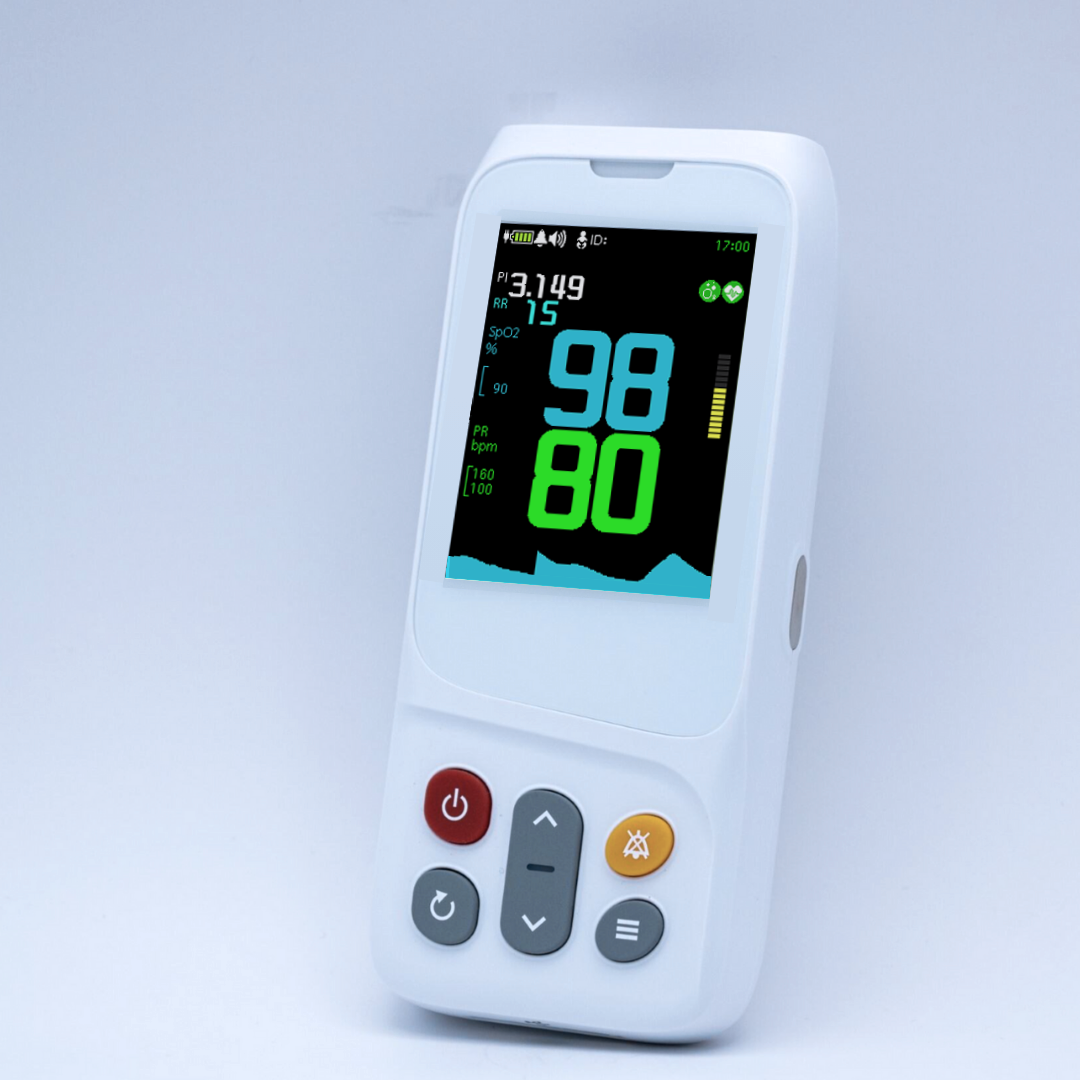
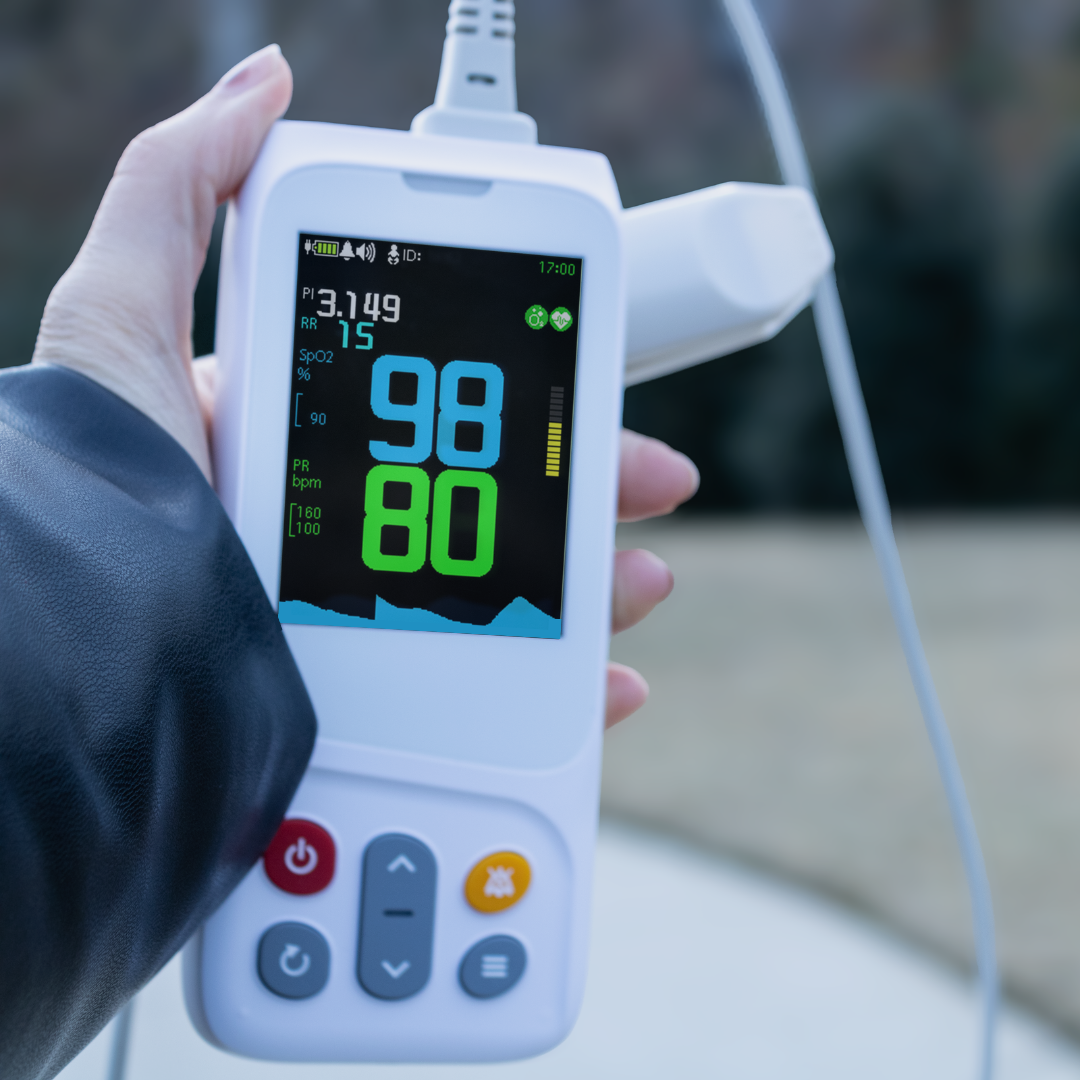
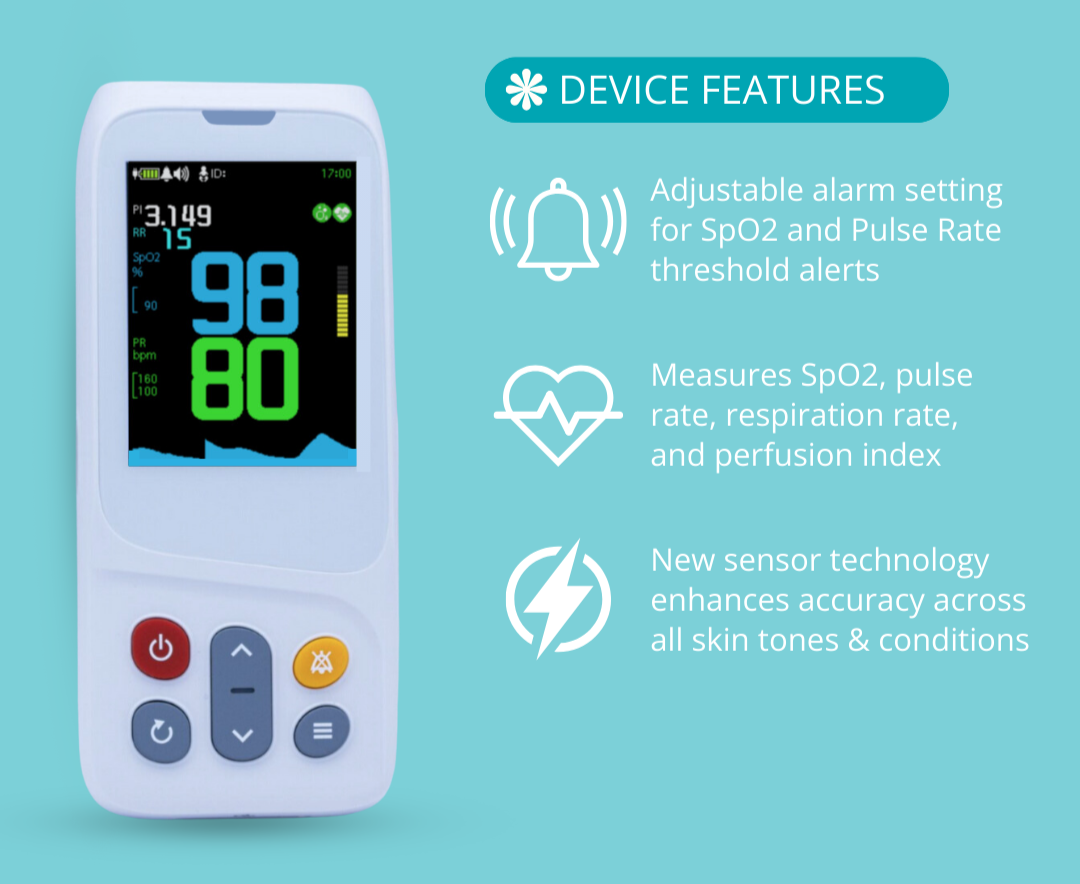
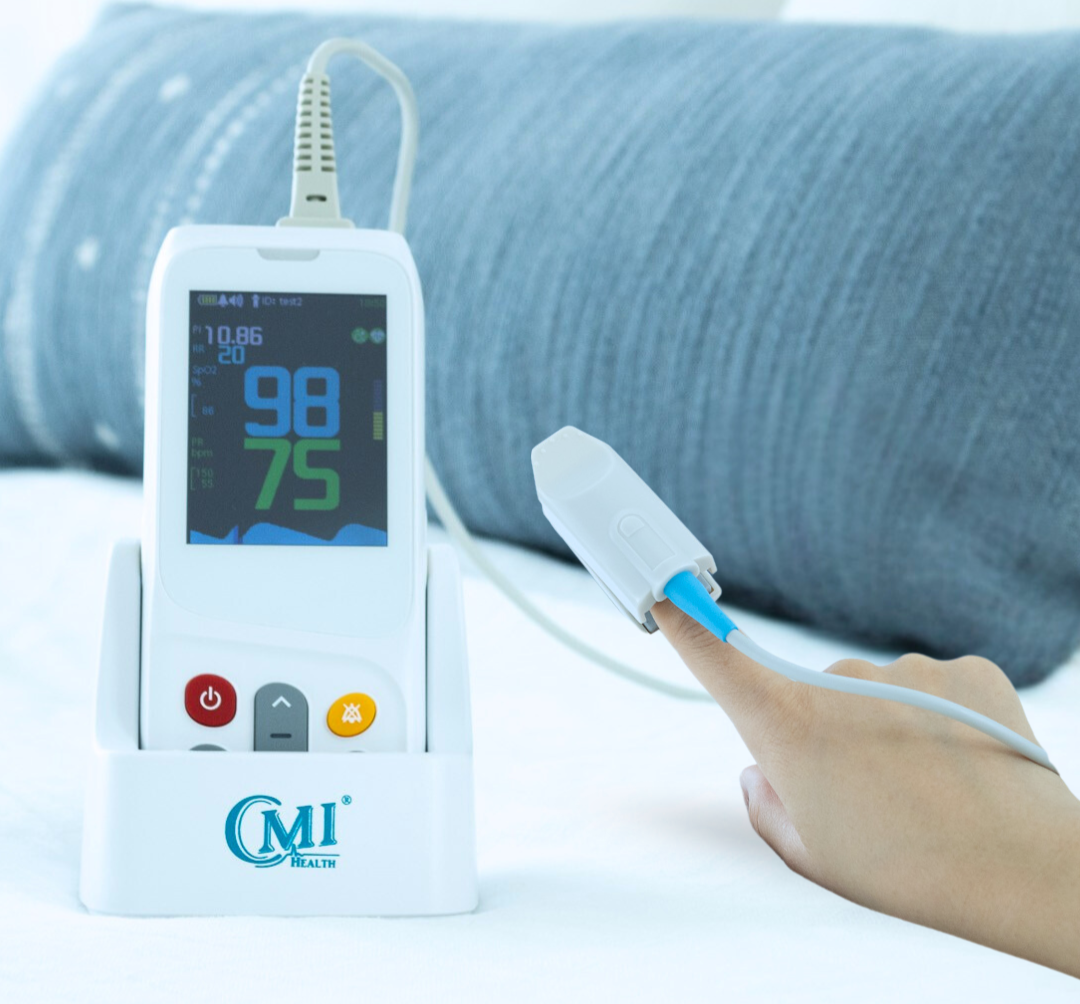
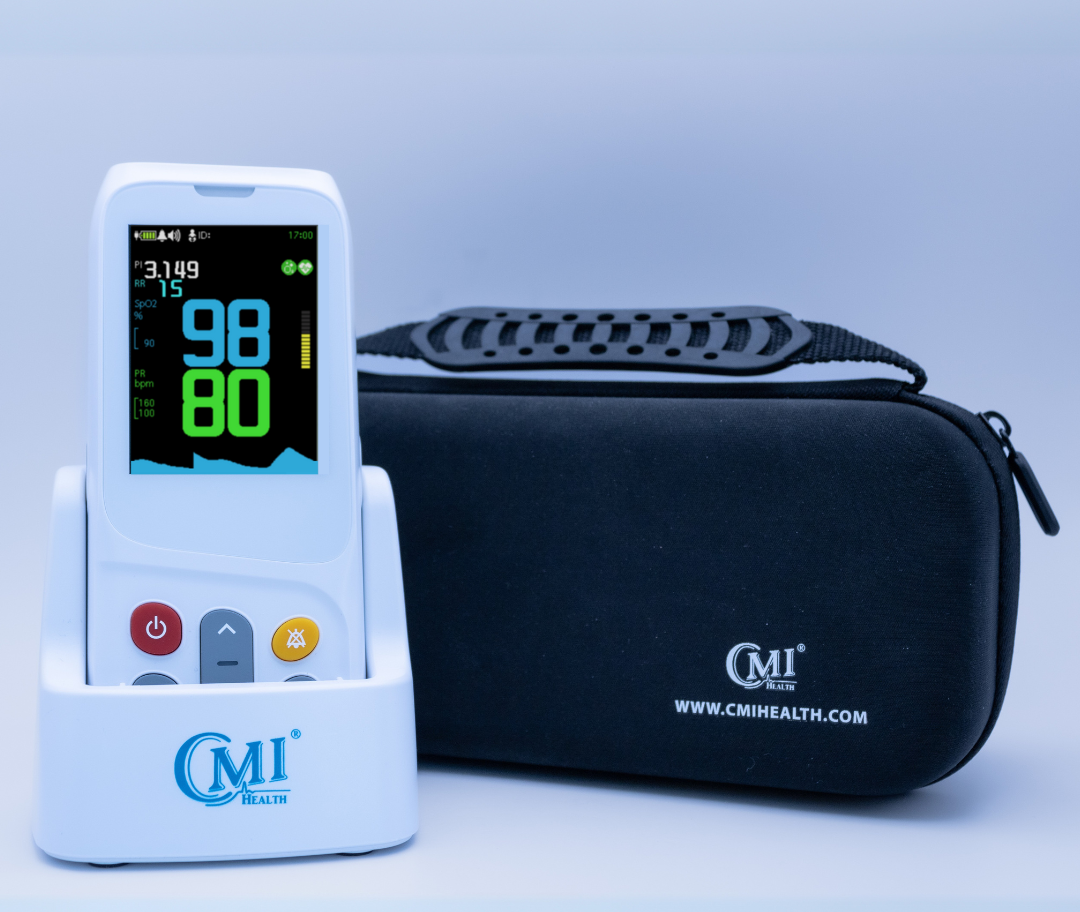
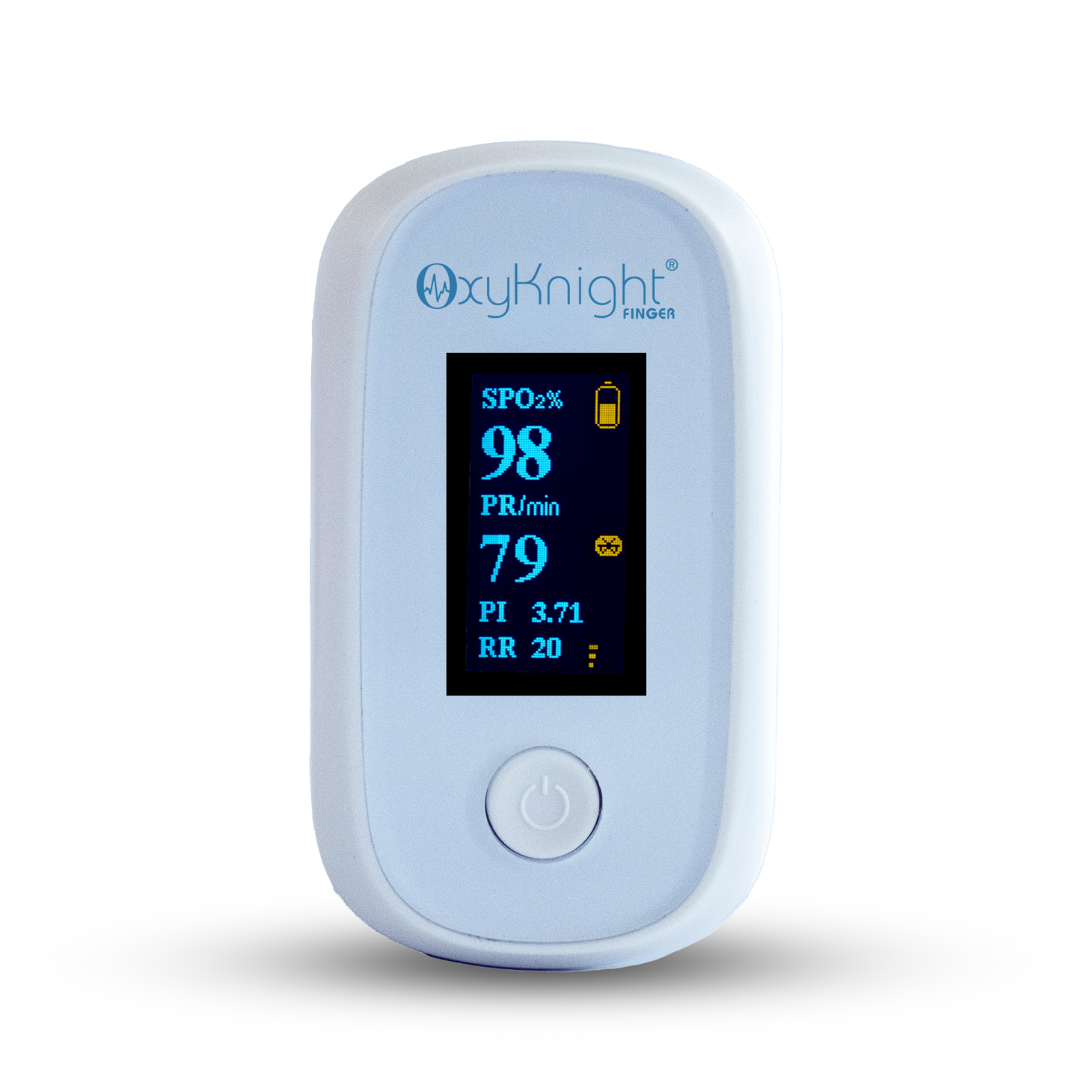
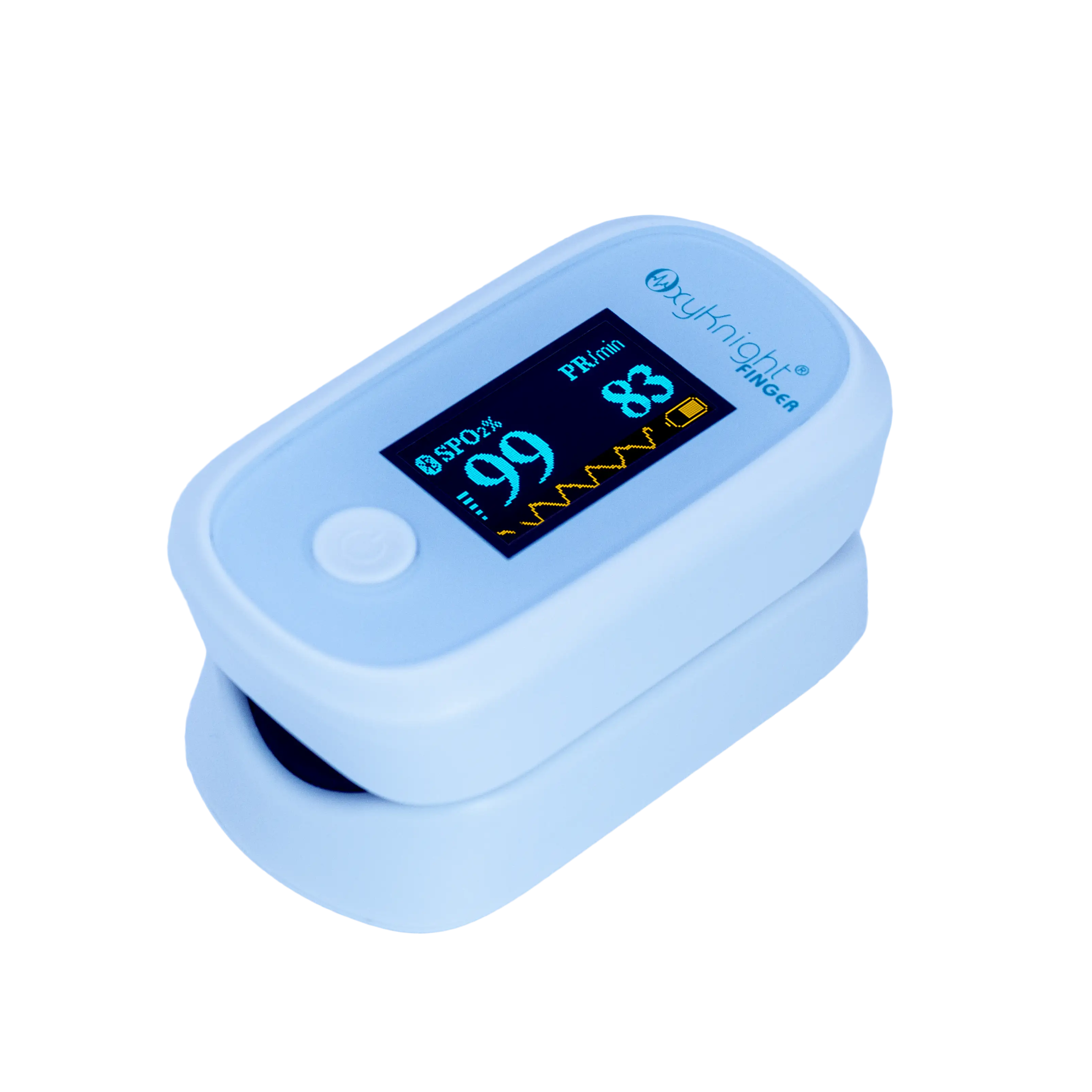
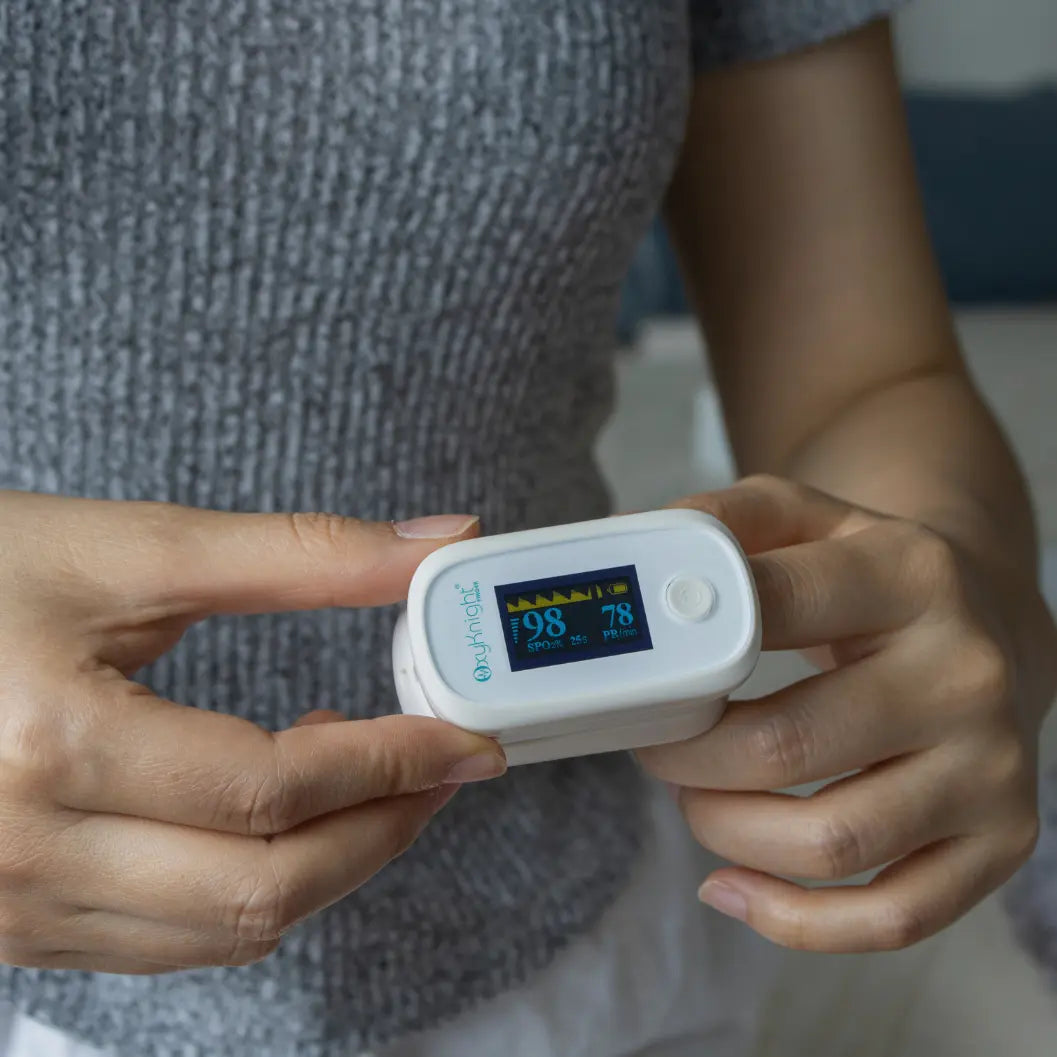
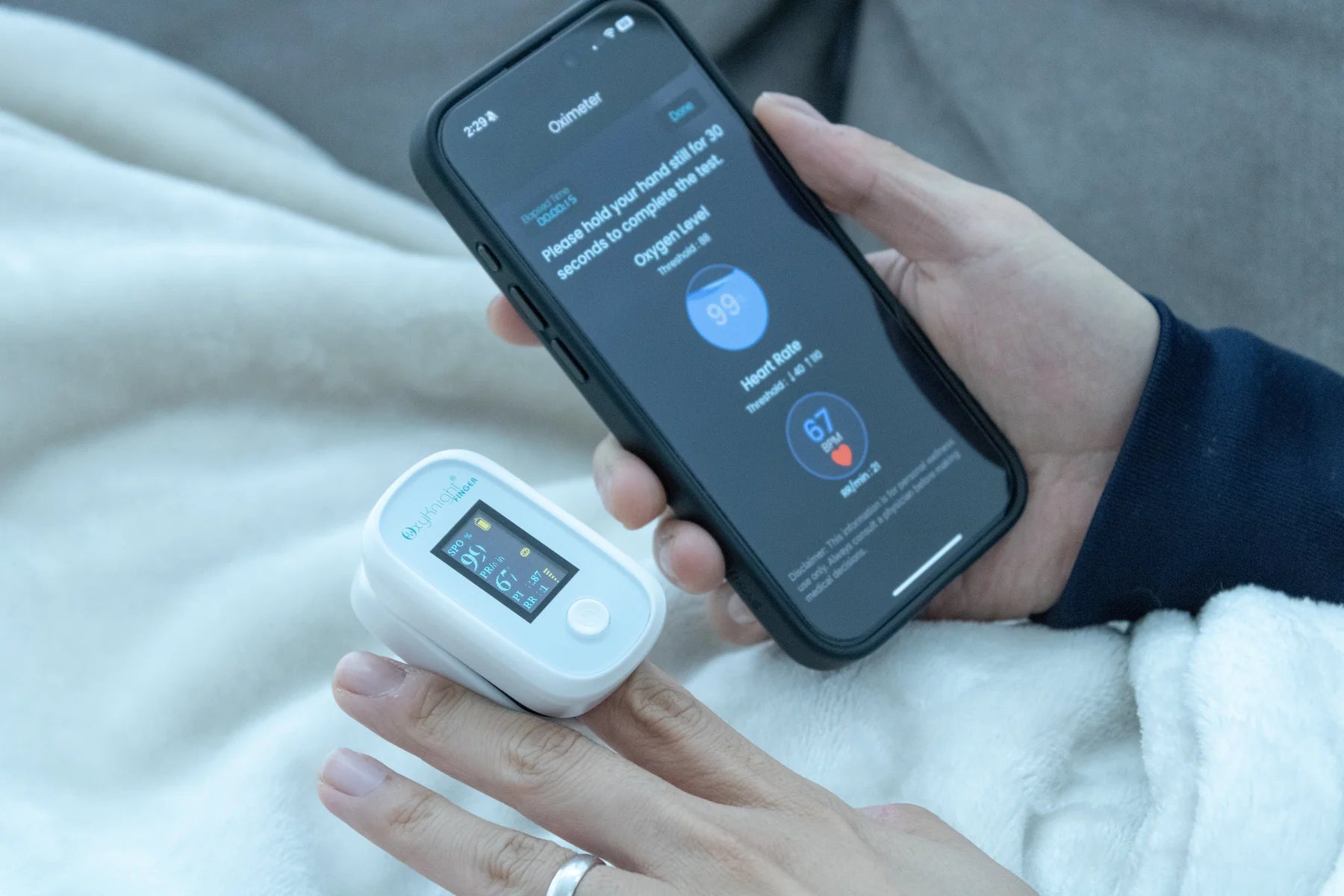
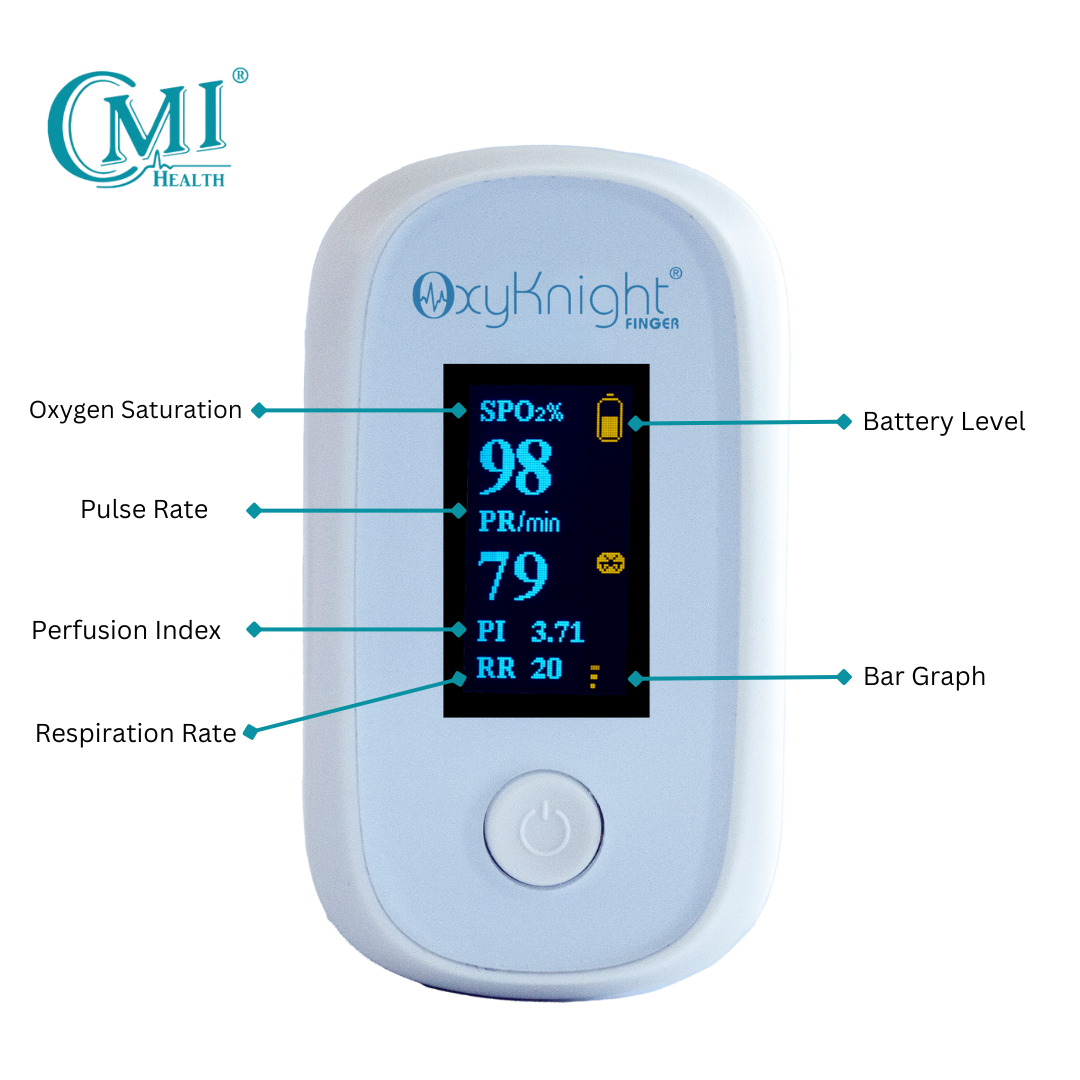
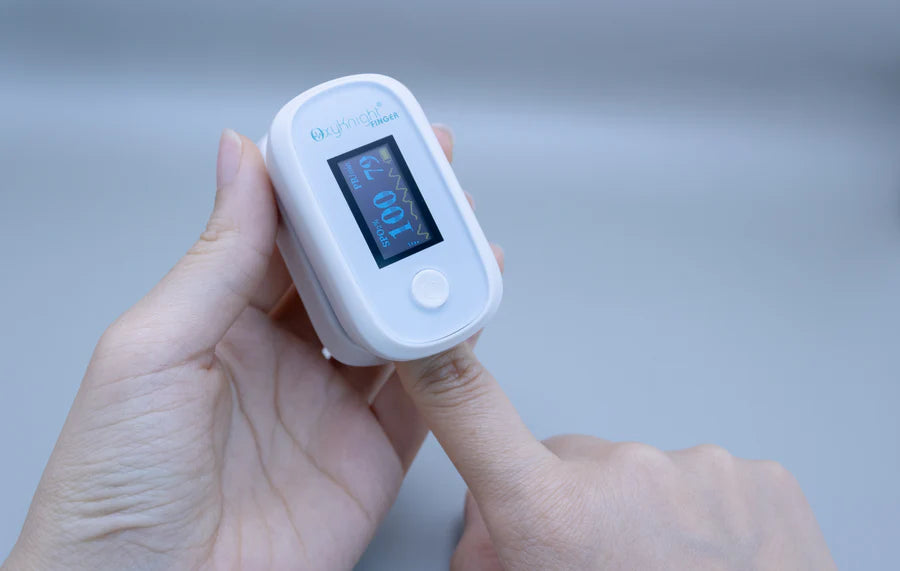
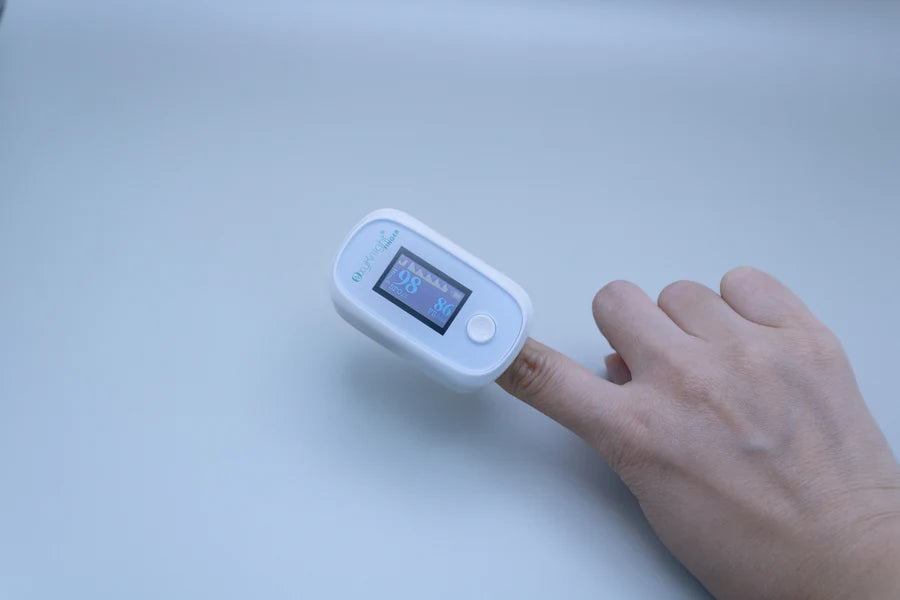
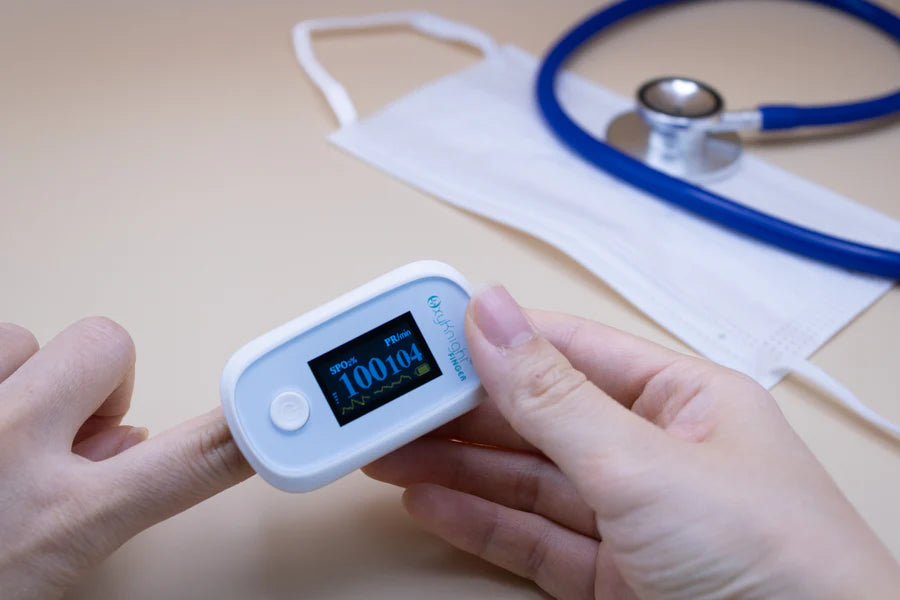
Yes. Pulse rate is one of the measurements displayed by many pulse oximeters. For the most reliable reading, follow the device instructions and remain still while measuring; movement and other factors can interfere with the reading.
A fingertip pulse oximeter typically shows your oxygen saturation (SpO₂) along with your pulse rate in beats per minute, providing a convenient way to check your pulse at home.
CMI Health offers a selection of pulse oximeters that display pulse rate along with SpO₂ readings.
For more information, see CMI Health’s guide to measuring your pulse with a pulse oximeter.
What If Your Resting Pulse Is Higher or Lower Than Usual?
Seeing a number outside the typical range doesn't automatically tell you why it's happening.
A Resting Pulse Above 100 bpm
Recent physical activity, stress, caffeine, fever, medications, and other factors can temporarily increase your heart rate.
If you've recently been active, for example, give yourself time to rest before checking again.
If your pulse is consistently above 100 bpm while you're at rest, or you've noticed a significant change from what's typical for you, talk with your healthcare provider.
A Resting Pulse Below 60 bpm
A resting heart rate below 60 bpm isn't always a cause for concern. Some physically active people naturally have lower resting heart rates. However, medications and certain health conditions can also slow the heart rate, so symptoms and what's typical for you matter.
If your pulse is repeatedly much lower than what's typical for you or you're concerned about your readings, talk with your healthcare provider.
Resting Heart Rate vs. Heart Rate During Exercise
Don't compare a resting pulse directly with the number you see while exercising.
Your heart beats faster during physical activity because your body needs increased blood flow. Your heart rate generally rises during exercise compared with when you're sitting or lying quietly.
The American Heart Association provides age-based target heart rate ranges for exercise. These ranges serve a different purpose from the 60–100 bpm resting range discussed here.
If you're checking your pulse to understand your resting heart rate, take the measurement when you're calm rather than immediately after exercise.
Should You Keep Track of Your Resting Pulse?
Occasionally recording your pulse can help you become familiar with what's typical for you.
For easier comparison, try taking readings under similar circumstances—for example, at approximately the same time of day and after you've had time to rest.
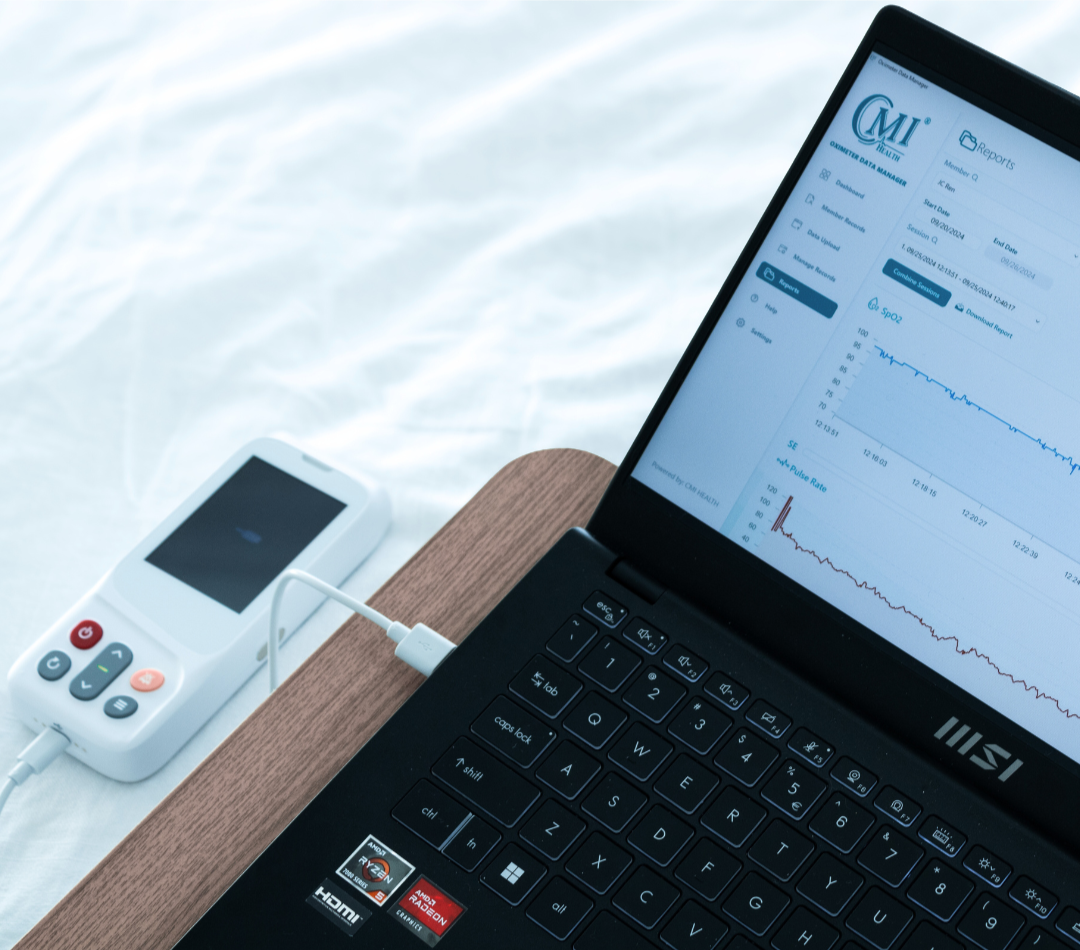
A simple record can include the date, time, pulse rate, and any notes that may provide useful context.

Rather than focusing too much on one number, a record can make it easier to notice whether your usual resting pulse has changed over time.
For additional options to check health readings at home, explore CMI Health's vital-sign monitors.
When Should You Get Medical Help for Your Pulse?
Heart rate ranges provide useful context, but they can't tell you why your pulse is higher or lower than expected.
Consider talking with your healthcare provider if your resting pulse is repeatedly outside your expected range, your usual pulse changes without an obvious explanation, or you're simply concerned about your readings.
Seek emergency medical care for symptoms such as chest pain, severe difficulty breathing, fainting, or severe dizziness, particularly if they occur with an unusually fast, slow, or irregular heartbeat.
Understanding What's Normal for You
For most adults, a normal resting pulse is between 60 and 100 bpm. For children, typical heart rate ranges vary by age, with faster rates generally seen in babies and younger children.
But a number on a chart is only a starting point.
Age, physical activity, fitness level, stress, medications, caffeine, temperature, and other factors can all affect your pulse. Becoming familiar with your typical resting rate can give you better context when a reading looks different.
Frequently Asked Questions
What is a normal pulse rate for an adult?
For most adults, a normal resting pulse is generally 60 to 100 beats per minute. Physically active adults may have lower resting heart rates, and factors such as stress, medications, caffeine, temperature, and recent activity can also affect the pulse rate.
Does normal pulse rate change with age?
Yes, particularly during childhood. Babies and young children generally have faster resting heart rates than older children and adults. By around age 10, the commonly referenced resting range is 60–100 bpm, which is also the general range used for adults.
Is pulse rate the same as heart rate?
In everyday use, the terms are often used interchangeably. Heart rate describes how many times your heart beats per minute, while your pulse is the pressure wave you can feel as your heart pumps blood.




Leave a comment