



Pulse Oximeter vs Smartwatch: Which Is Better for Blood Oxygen?

Learn how smartwatches estimate blood oxygen levels and why pulse oximeters remain the more reliable option for accurate monitoring.
For years, people have used a pulse oximeter at home to check their blood oxygen level quickly and easily.
More recently, smartwatches have added features that estimate blood oxygen levels. On the surface, this may sound like a convenient way to streamline monitoring and eliminate the need for an extra device at home.
This raises an important question: can a smartwatch replace a pulse oximeter?
In this article, we’ll compare how each device measures oxygen saturation, explore differences in accuracy, and explain when a dedicated pulse oximeter remains the better choice for reliable oxygen monitoring.

Why Accurate Oxygen Monitoring Matters
Oxygen saturation, often written as SpO₂, represents the percentage of oxygen carried by hemoglobin in the blood. For most healthy individuals at rest, oxygen saturation typically ranges between 95% and 100%.
Because oxygen levels provide important information about respiratory and circulatory function, they are commonly monitored in hospitals, clinics, and home health settings.
For home users, a pulse oximeter offers a simple way to:
-
Check oxygen levels quickly
-
Monitor readings over time
-
Verify unexpected readings from other devices
How Does a Watch Measure Blood Oxygen?
Some smartwatches estimate oxygen saturation using optical sensors similar to those found in pulse oximeters. However, the way the measurement is taken is different.
Because the device sits on the wrist, the sensors cannot shine light through the body in the same way a fingertip pulse oximeter does. Instead, the watch uses reflectance pulse oximetry, where light reflects off tissue and back to the sensor.
The device then estimates oxygen saturation based on those reflected light signals. While this can provide useful trend data, the wrist is generally a more challenging location for oxygen measurement due to lower blood flow and greater movement.
Smart Watch Blood Oxygen Accuracy: Why Readings Can Vary
Because of these challenges, smartwatch oxygen readings can vary depending on several factors.
These may include:
-
Wrist movement during measurement
-
How tightly the watch is worn
-
Skin contact with the sensor
-
Sleep positioning
-
Lower blood flow in the wrist compared to the fingertip
For these reasons, smartwatch oxygen readings are typically intended to provide general wellness insights rather than precise medical measurements.
What a Pulse Oximeter Measures
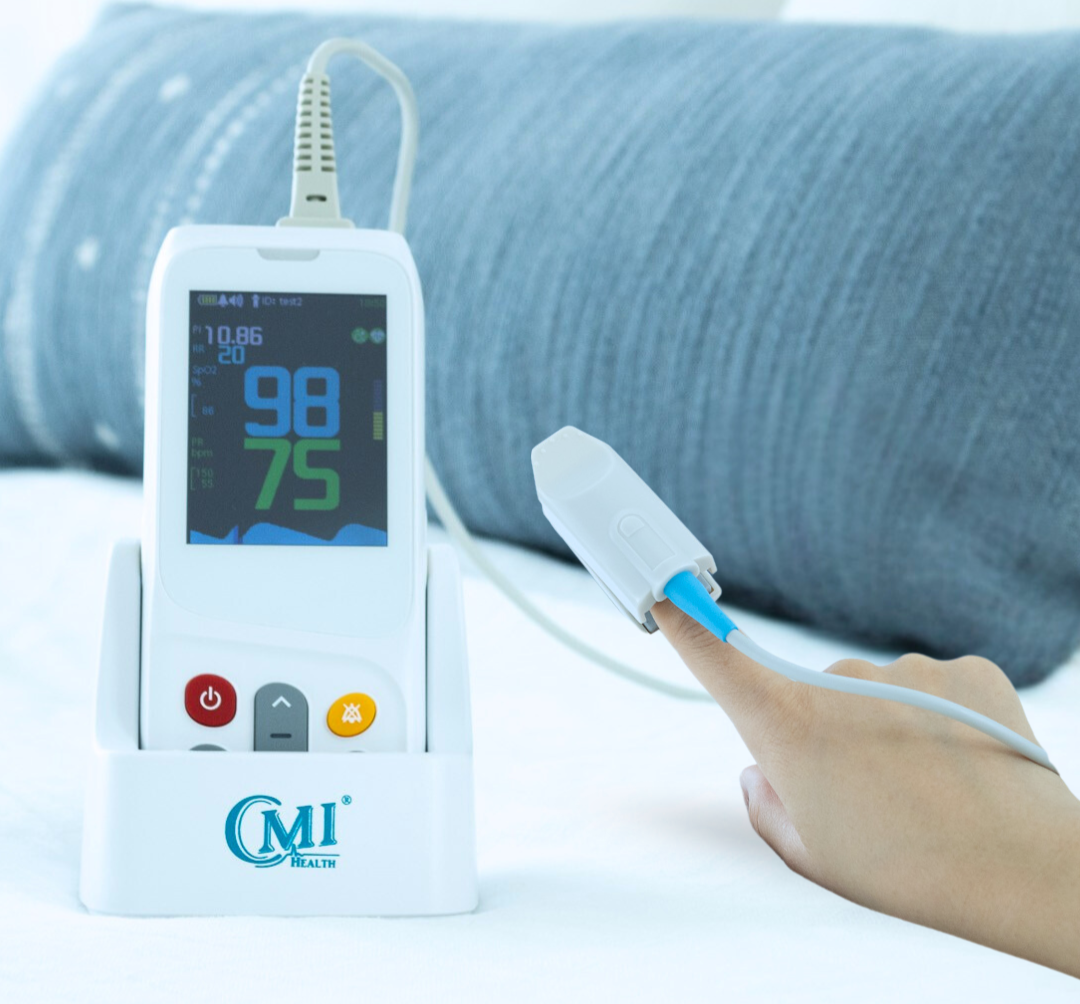
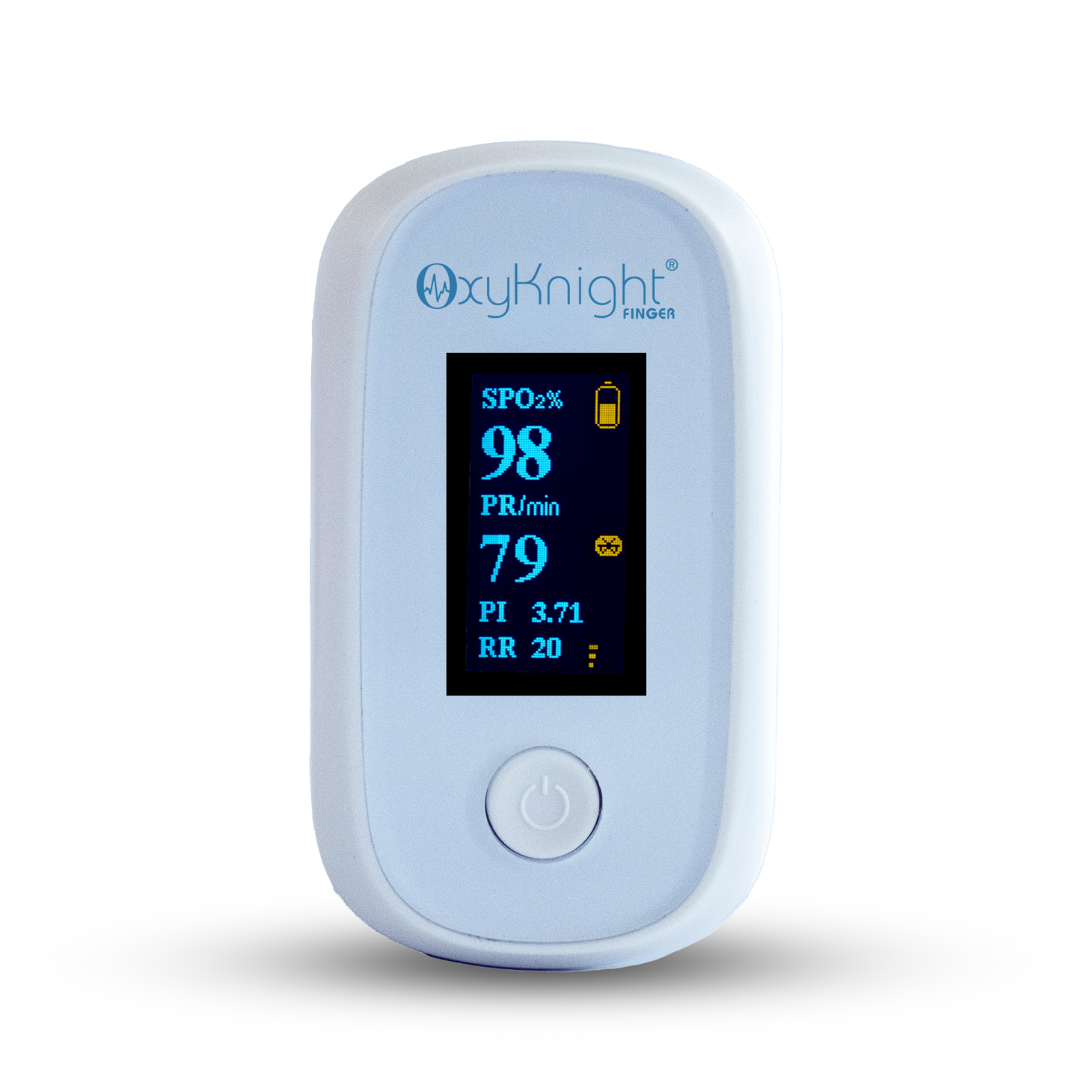
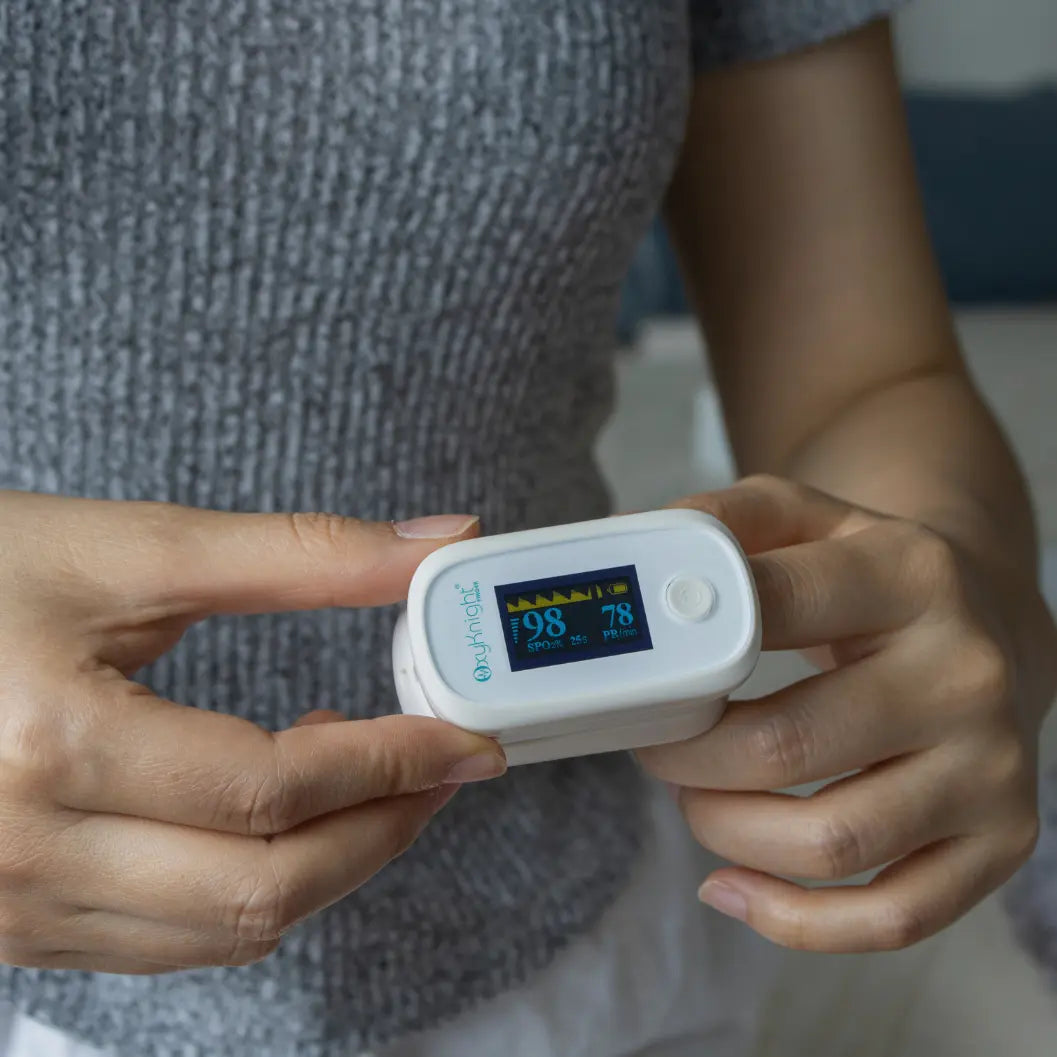
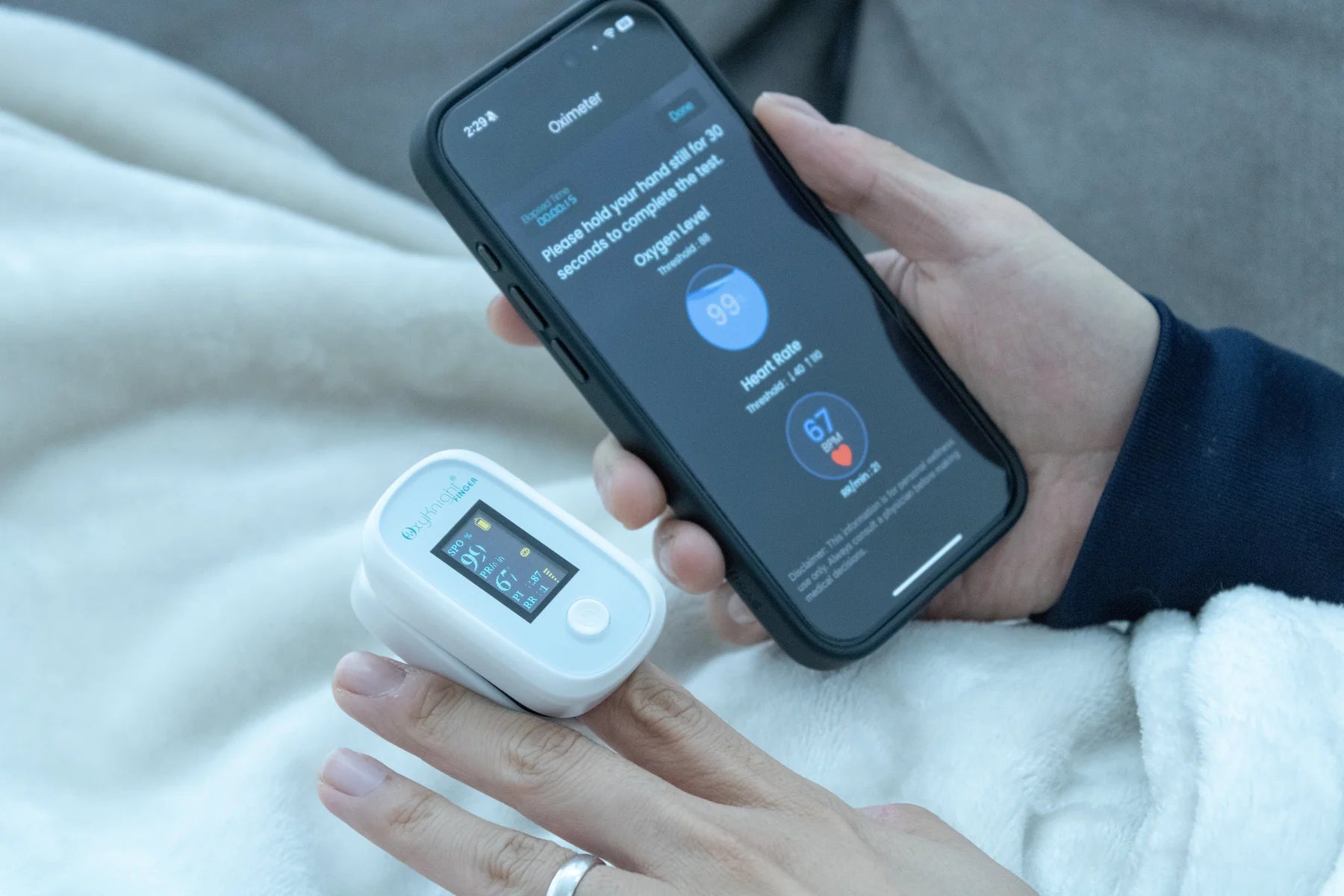
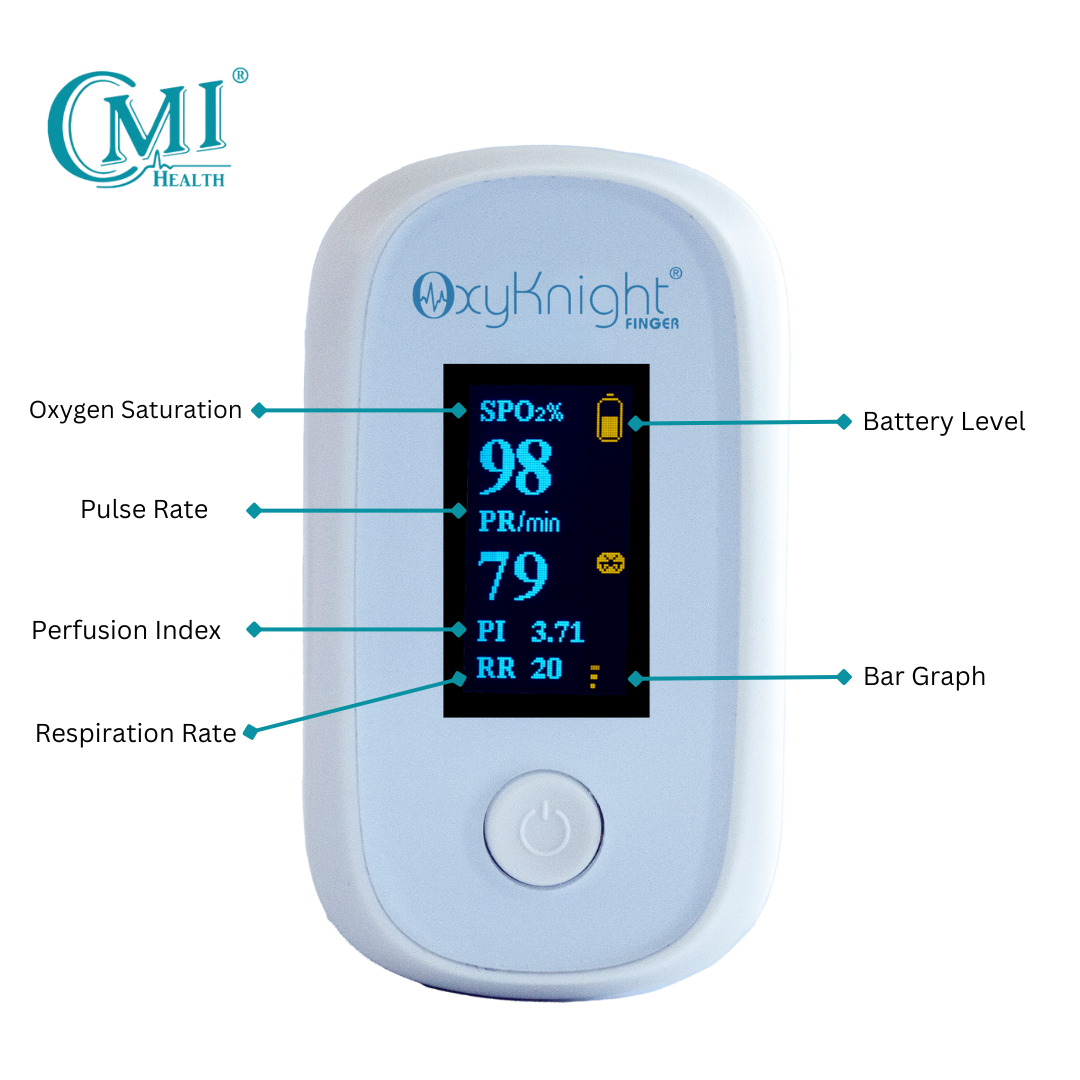
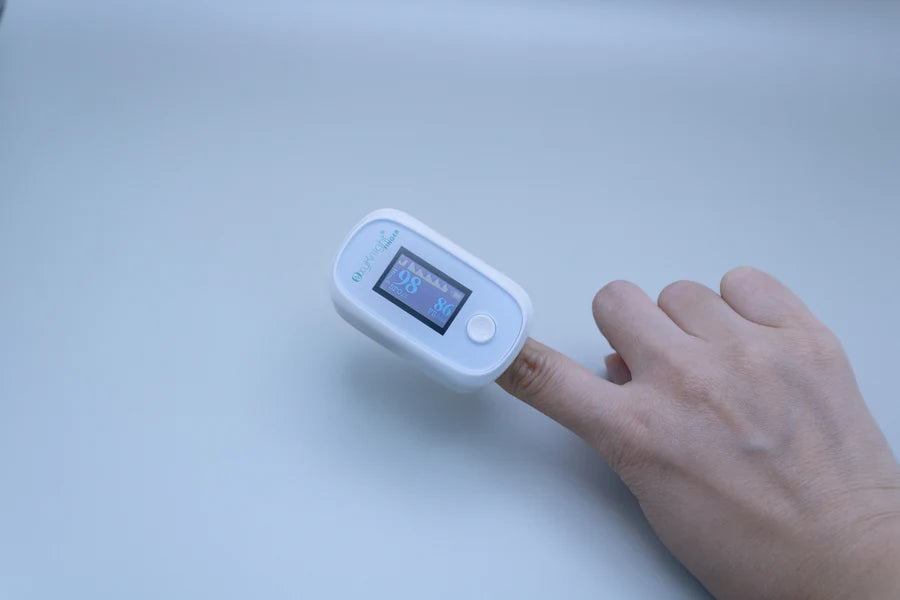
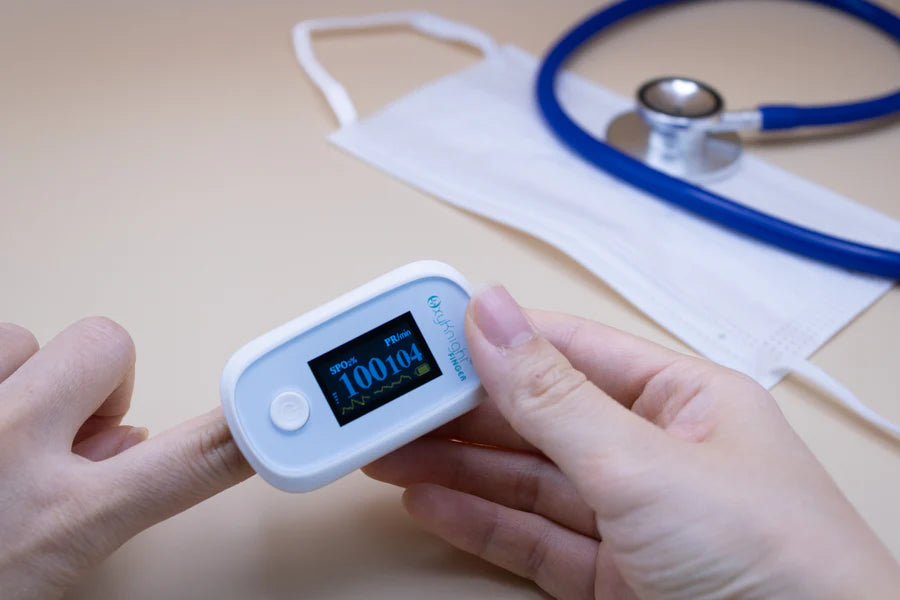
A pulse oximeter is a small device that often clips onto the fingertip and measures two key metrics: blood oxygen saturation (SpO₂) and pulse rate.

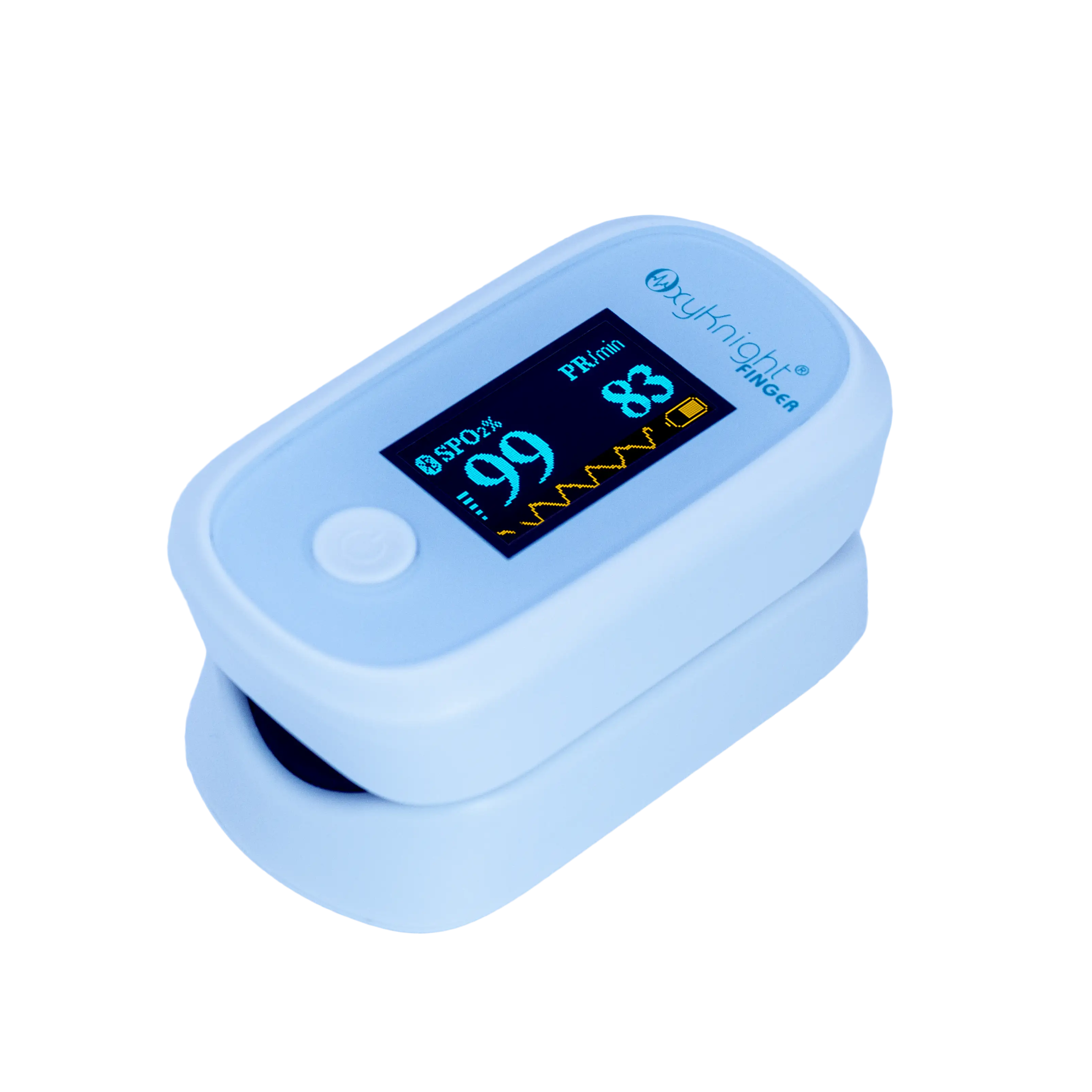
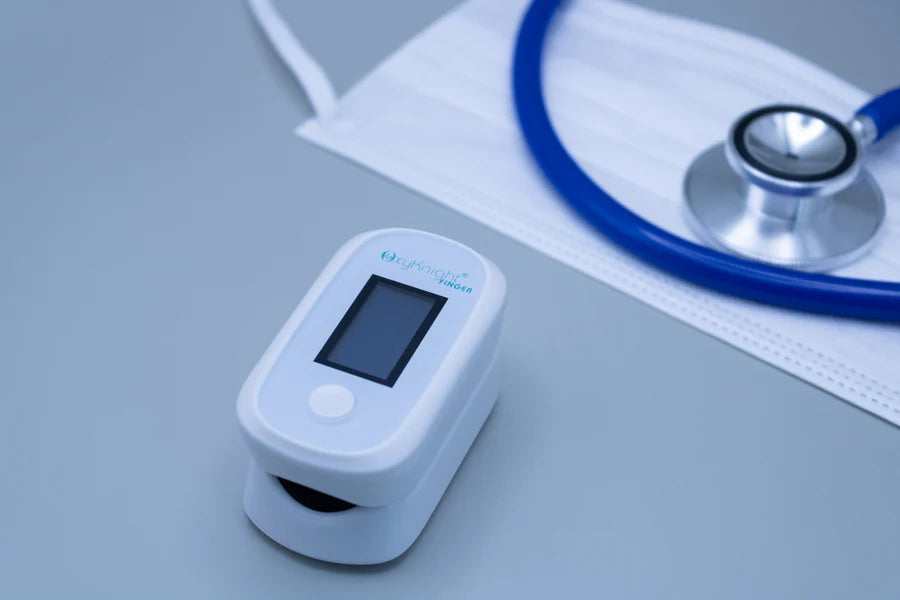
CMI Health's OxyKnight Fingertip Pulse Oximeter
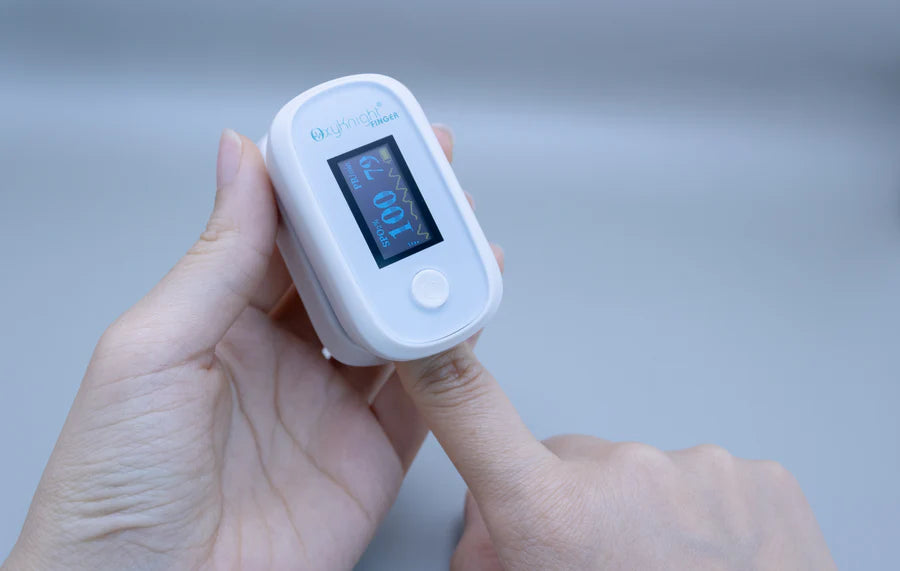
Inside the device are light-emitting diodes and sensors that shine light through the fingertip. By analyzing how that light is absorbed by oxygenated and deoxygenated blood, the device calculates oxygen saturation in seconds.
This method—called transmittance pulse oximetry—provides a strong signal because the fingertip contains a dense network of capillaries close to the skin’s surface. As a result, fingertip pulse oximeters are widely used in hospitals, clinics, and home monitoring.
Many consumer pulse oximeters are FDA-cleared medical devices, meaning they meet established standards for accuracy and performance. Companies such as CMI Health design pulse oximeters that meet these requirements for reliable home monitoring.
Pulse Oximeter vs Smartwatch: Key Differences
Although smartwatches and pulse oximeters may both display oxygen saturation readings, their design and purpose differ significantly:

Pulse oximeters are designed specifically to measure oxygen saturation, while smartwatches combine many wellness features into a single wearable device.
Why Pulse Oximeters Are More Accurate
These design differences help explain why pulse oximeters generally provide more reliable oxygen readings:
-
Fingertip measurement allows the device to detect blood flow clearly because of the concentration of capillaries near the skin’s surface.
-
Transmittance sensors shine light through the finger rather than reflecting it from the skin. This produces a stronger signal and more stable readings.
-
Purpose-built design means pulse oximeters focus specifically on measuring SpO₂ and pulse rate.
For these reasons, pulse oximeters are commonly used by healthcare professionals and widely trusted for oxygen monitoring in both clinical and home settings.
The Bottom Line
Smartwatches have expanded the way people track personal wellness, including estimated blood oxygen levels. However, a pulse oximeter remains the most reliable option for measuring oxygen saturation, particularly when accuracy matters.
To explore options for home monitoring, learn more about CMI Health’s pulse oximeters.



Leave a comment