



Why You Need an Infant Pulse Oximeter

Learn when oxygen monitoring is helpful, when it's not necessary, and how to choose an infant pulse oximeter for home use
As a parent, you notice every little change, from a new cough to a restless nigh or breathing that sounds different than usual. But one vital sign you can’t observe directly is oxygen saturation.
An infant pulse oximeter measures how much oxygen is circulating in your baby’s blood. While hospitals routinely monitor oxygen levels in newborns, some parents choose to keep a pulse oximeter at home for added clarity during illness or recovery.
Knowing when oxygen monitoring is helpful — and when it isn’t necessary — can help you decide whether an infant pulse oximeter belongs in your home care routine.
Why Oxygen Monitoring for Babies Is Important
Babies cannot tell us when they are struggling to breathe. In many cases, oxygen levels can change before symptoms become obvious.
During respiratory illness or congestion, oxygen levels may shift alongside visible symptoms. An infant pulse oximeter helps parents track oxygen saturation as part of the bigger picture.
Having access to that number at home can help parents:
-
Monitor trends during illness
-
Understand whether symptoms may be worsening
-
Share objective readings with their pediatrician
For families who have experienced respiratory concerns or who simply want added reassurance, oxygen monitoring offers visibility during moments of uncertainty.
How an Infant Pulse Oximeter Works

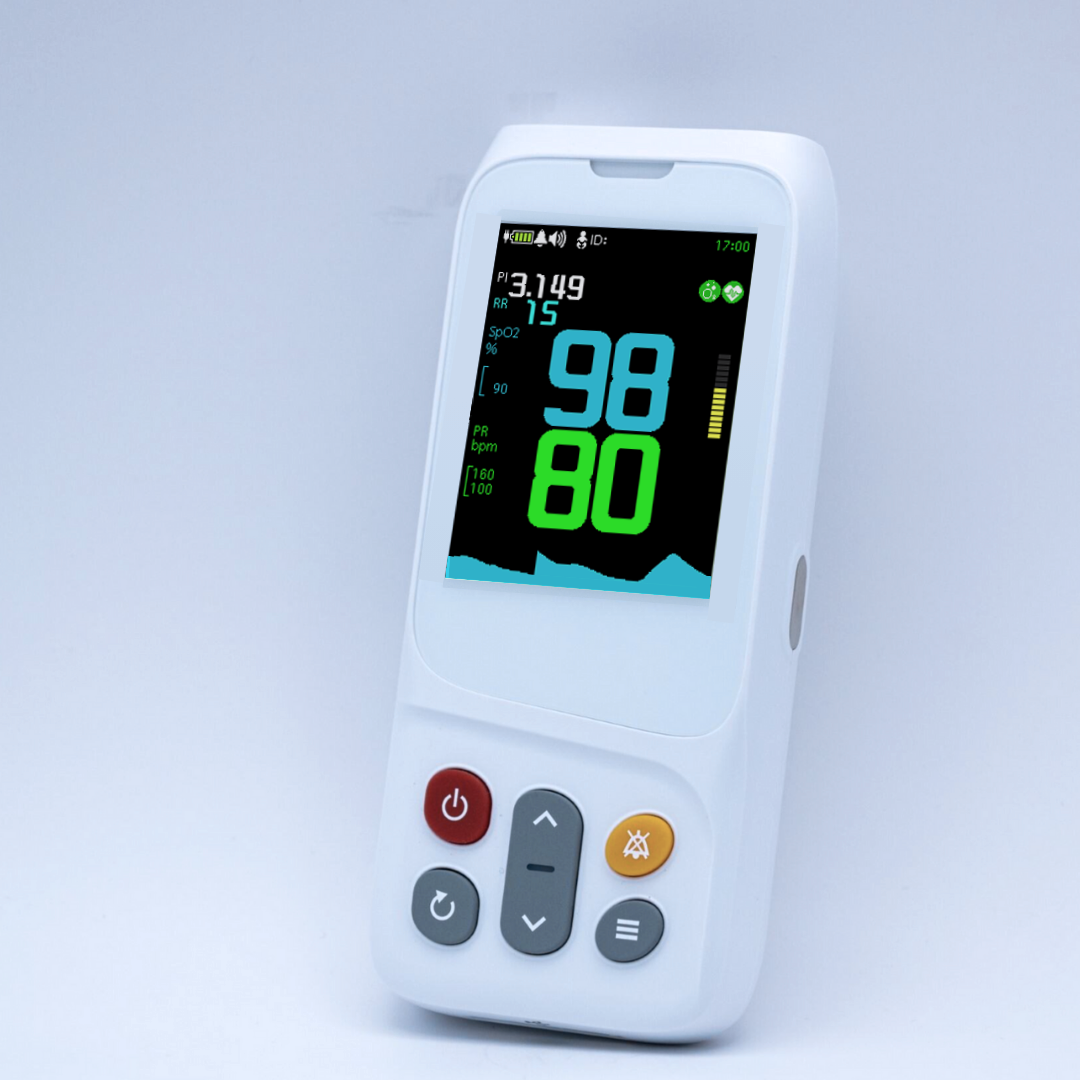
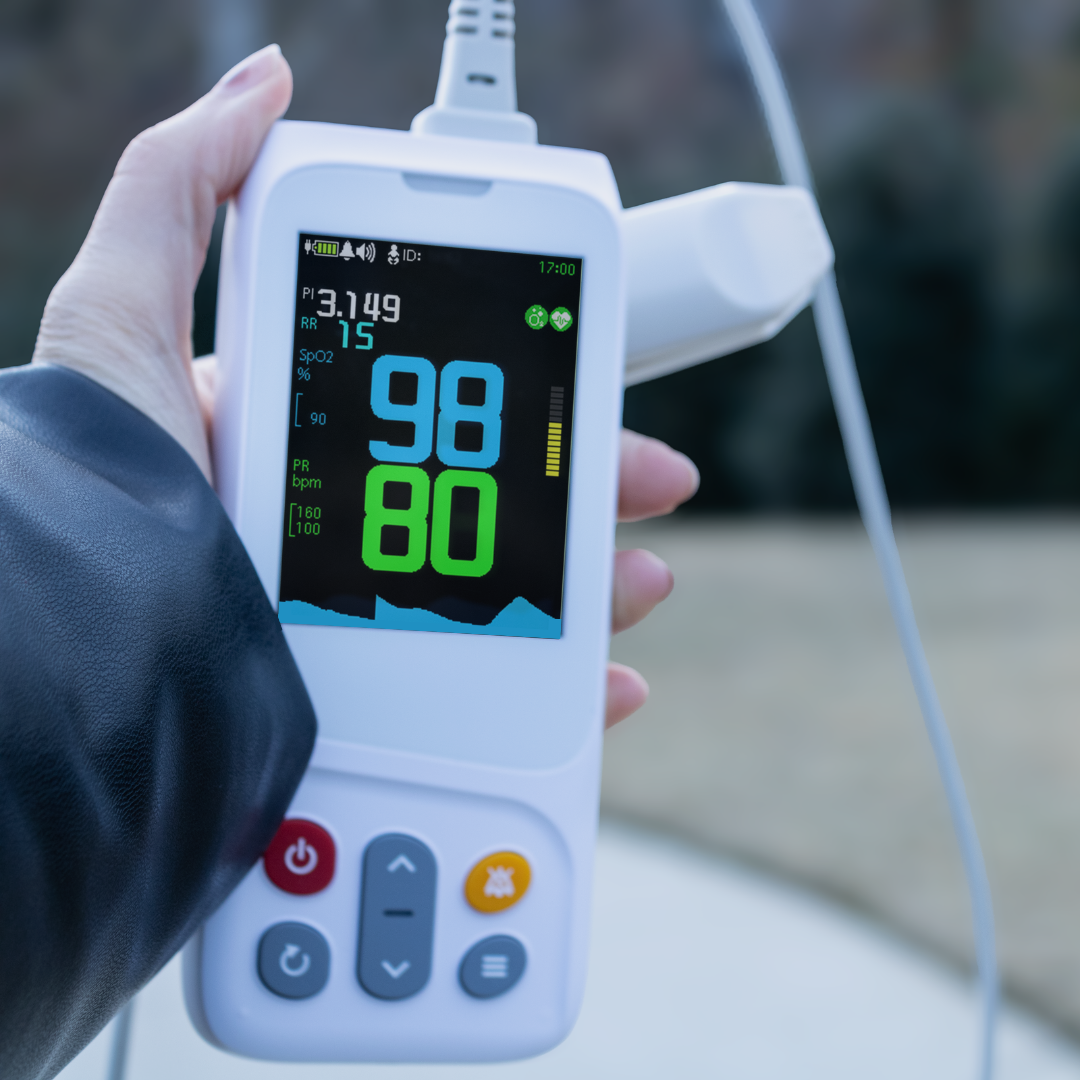
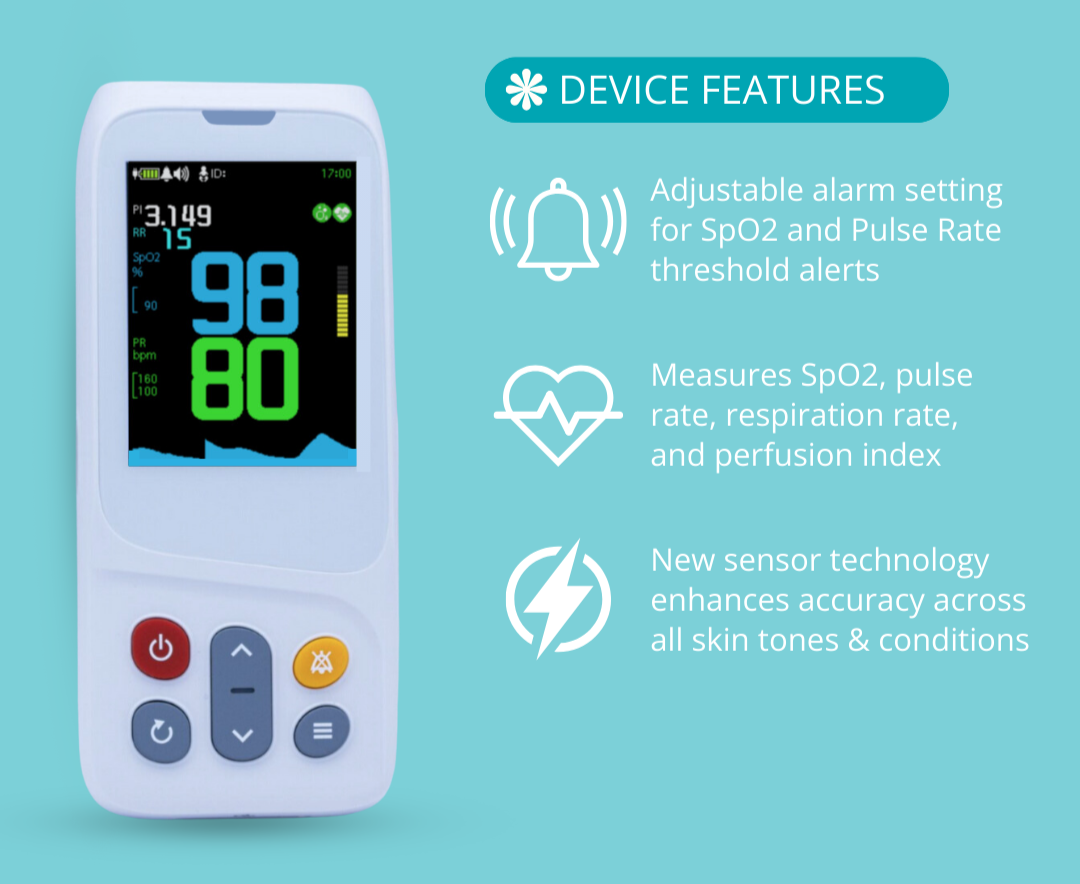
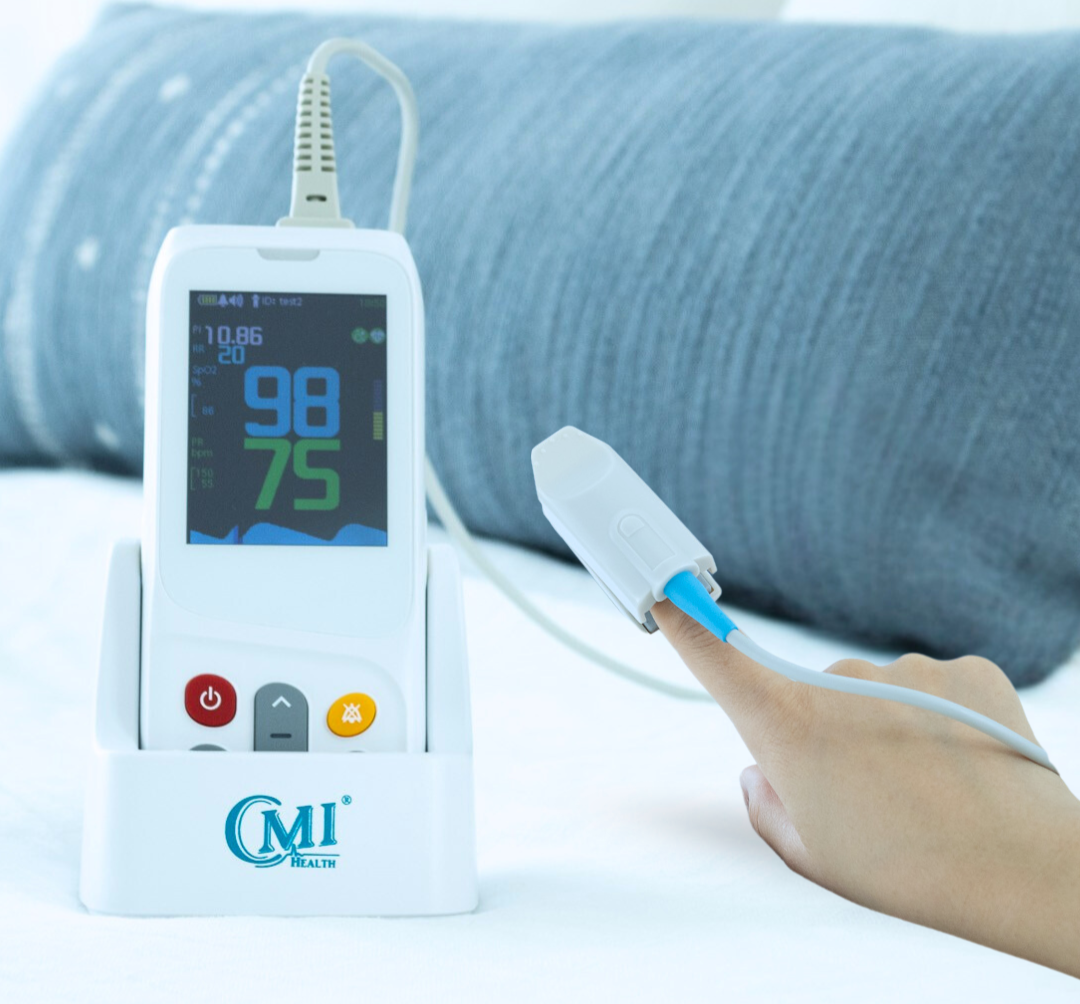
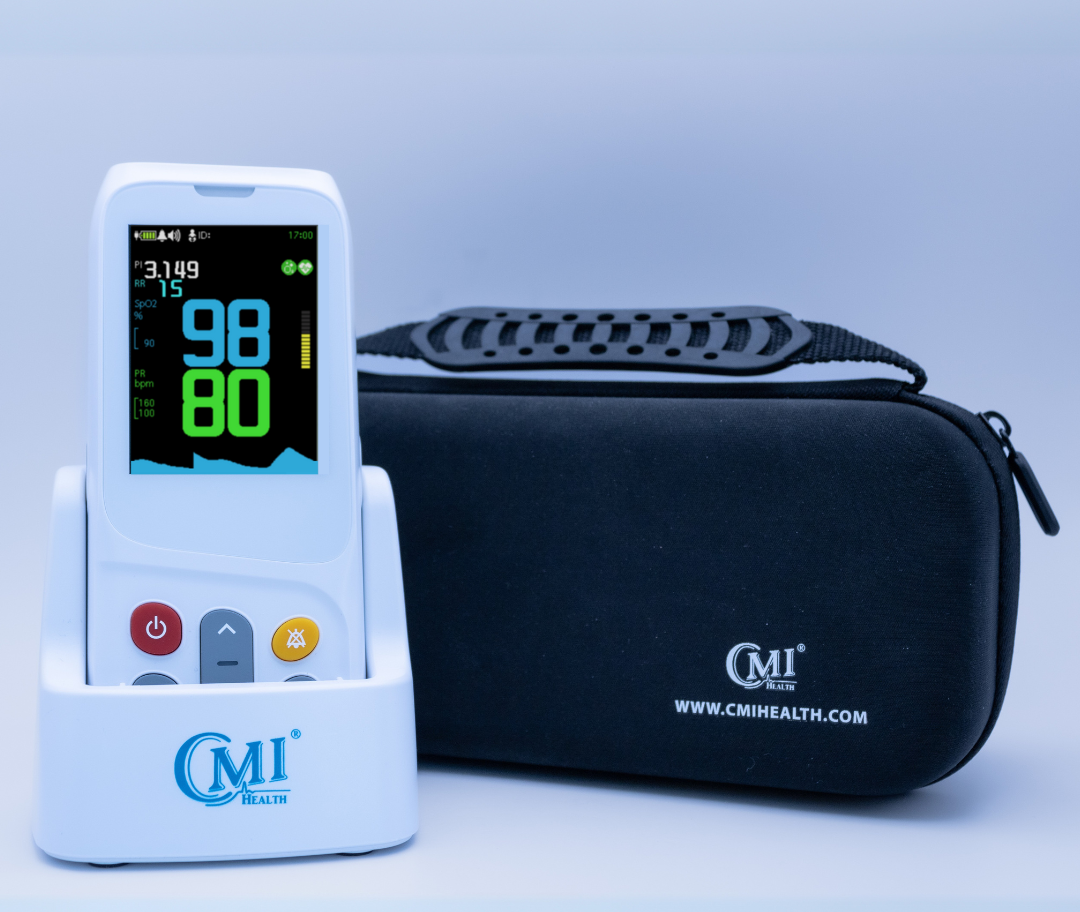
CMI Health PC-66 Infant Pulse Oximeter with Infant Foot Wrap Sensor
An infant pulse oximeter uses light sensors to measure oxygen saturation (SpO₂) and pulse rate.
Here’s how it works:
-
A soft sensor wrap is secured around your baby’s foot or hand.
-
The device shines red and infrared light through the skin.
-
It calculates how much oxygen is attached to red blood cells.
-
Results appear on the screen within seconds.
Infant-specific models are designed to accommodate infant anatomy and natural movement, which is why choosing a device labeled for infants or pediatrics matters.
For step-by-step guidance on proper sensor placement and tips for getting accurate readings, see Where to Put a Pulse Oximeter on an Infant.
What Is a Normal Oxygen Level for an Infant?
In healthy infants, oxygen saturation readings are commonly in the mid-90s to 100% range. Occasional brief dips can occur, especially during crying, movement, or poor sensor positioning.
To improve accuracy:
-
Ensure the sensor is properly placed
-
Keep your baby relatively still during measurement
-
Take multiple readings if needed
If readings are consistently lower than expected, contact your healthcare provider for guidance.
Should You Monitor Oxygen Levels Regularly?
For healthy infants without medical concerns, routine daily oxygen monitoring is not typically necessary.
An infant pulse oximeter is most helpful during specific situations, such as respiratory illness, recovery after hospitalization, or when monitoring has been recommended by a healthcare provider.
Rather than replacing routine pediatric care, home oxygen monitoring serves as a supportive, situational tool when symptoms arise or additional visibility is needed.
Hospital Screening vs. Home Monitoring
All newborns in the United States receive pulse oximetry shortly after birth as part of CCHD screening (critical congenital heart disease screening), as recommended by the American Academy of Pediatrics. This hospital-based test is designed to detect specific heart defects that may not be immediately visible.
That screening happens once, shortly after delivery.

Home use of an infant pulse oximeter serves a different purpose. It does not replace hospital screening. Instead, it allows parents to monitor oxygen levels later, such as during illness, recovery, or when monitoring has been recommended by a healthcare provider.
In short, hospital screening helps identify rare congenital conditions early, while home monitoring supports ongoing awareness during everyday health situations.
When Having an Infant Pulse Oximeter at Home Can Help
Parents often consider using an infant pulse oximeter in specific situations, particularly during illness or recovery.
Common situations include:
• Respiratory infections such as bronchiolitis or RSV
• Persistent cough accompanied by breathing changes
• Recovery after hospital discharge
Premature infants or babies with a history of respiratory concerns may also benefit from occasional home monitoring, when recommended by a pediatrician.
In these situations, a pediatric pulse oximeter can provide helpful, real-time information to support conversations with a healthcare provider.
Why a Pediatric-Designed Pulse Oximeter Matters
If you’re considering an infant pulse oximeter for home use, choosing a pediatric-designed model matters.
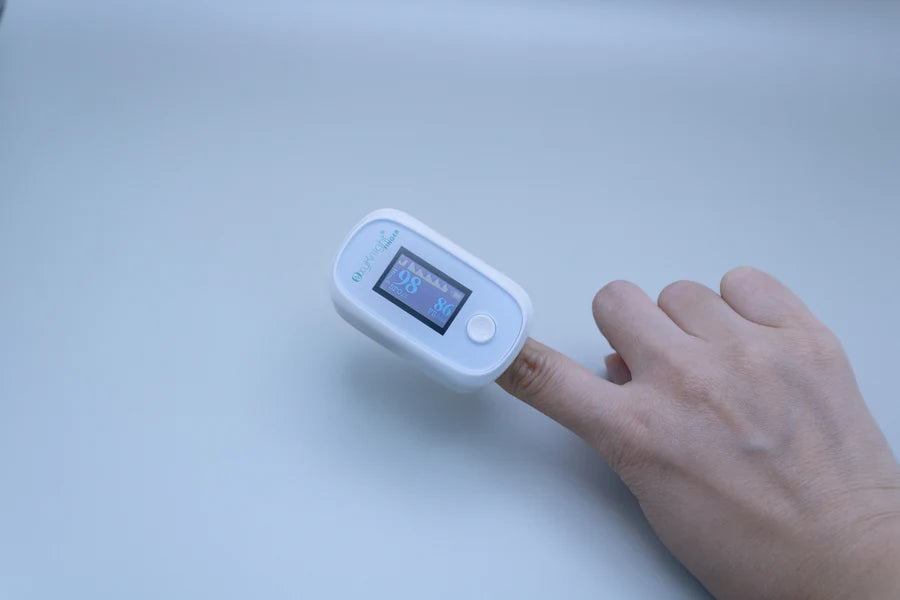
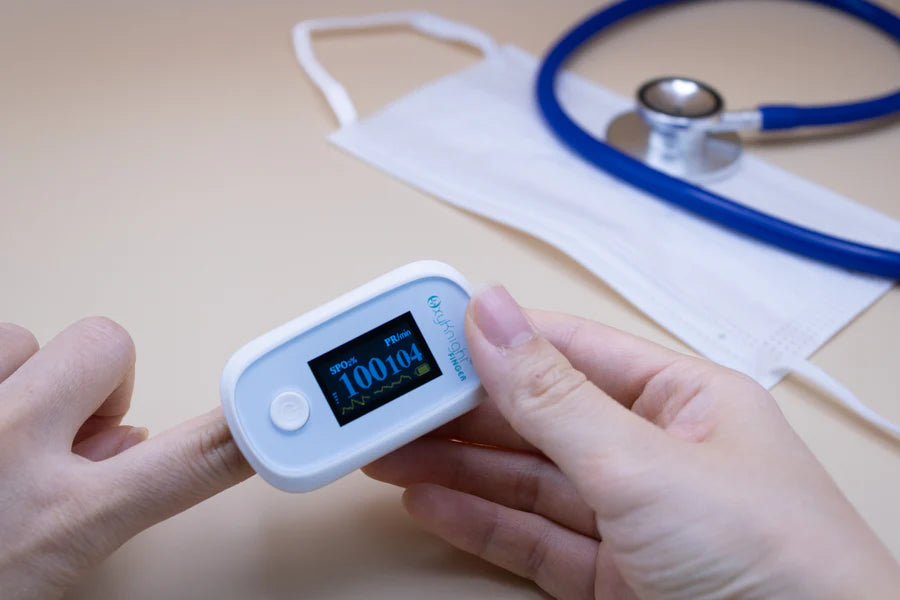
Adult fingertip pulse oximeters are made for adults — not infants. When the sensor doesn’t fit properly, readings can vary unnecessarily, creating worry rather than clarity.
CMI Health’s pediatric pulse oximeter platforms are designed specifically for infants and children, offering appropriate sensor sizing and dependable performance for home monitoring.
When selecting a pediatric pulse oximeter, look for:
-
Infant-appropriate sensor sizing
-
Stable readings with mild movement
-
Clear SpO₂ and pulse rate display
-
Comfortable, secure placement
-
Simple operation for caregivers
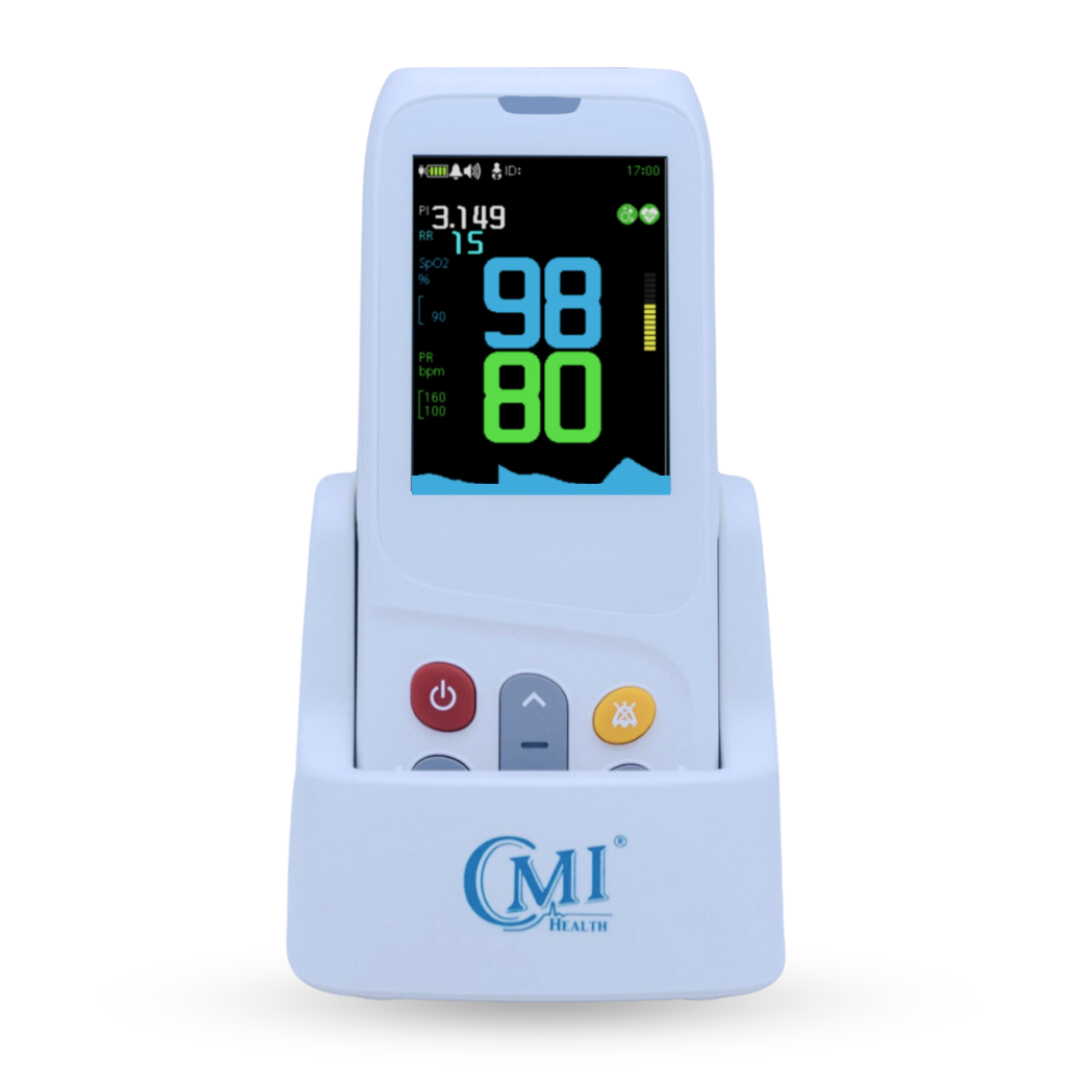
CMI’s pediatric monitoring platforms support both clinical and home use, with options designed to accommodate a range of infant and pediatric needs.
Final Thoughts
An infant pulse oximeter does not replace professional medical care, but it can provide helpful insight during illness or recovery.
Used appropriately, it offers added clarity and helps parents feel more informed when discussing concerns with their pediatrician.
Choosing a pediatric pulse oximeter designed specifically for infants helps ensure better fit, more consistent readings, and greater confidence at home.
Explore CMI Health’s pediatric pulse oximeter solutions to learn about monitoring options designed specifically for infants.



Leave a comment