



Best Pediatric Pulse Oximeter: A Professional Selection Guide

How to choose the right pediatric pulse oximeter for spot checks, overnight monitoring, and infant/pediatric sensor selection.
When selecting the best pediatric pulse oximeter, you’re not just choosing a device that displays SpO₂, you’re choosing a monitor that can deliver a reliable reading when a child is anxious, squirming, or asleep.
Because children have smaller anatomy, higher motion, and lower tolerance for discomfort, pediatric readings can be harder to capture consistently.
This guide is written for professionals selecting a pediatric pulse oximeter for pediatric care settings and monitoring programs. It compares common device types and highlights pediatric-focused options from CMI Health alongside other products professionals may consider.
Spot Checks vs Overnight Monitoring (Choosing the Right Pediatric Pulse Oximeter)
Most pediatric monitoring falls into two use cases:
A) Spot checks (clinic / school / office)
Priorities:
-
fast reading
-
repeatable results
-
pediatric fit
-
simple workflow
B) Overnight or longer monitoring (trend-based)
Priorities:
-
comfort for extended wear
-
secure placement during motion/sleep
-
continuous monitoring capability (with compatible sensor/configuration)
Monitoring Infants: Why Wrap-Style Sensors Are Often Preferred
After deciding between spot checks and longer monitoring, the next priority is choosing sensor options that fit pediatric patients, especially infants and younger children.
In pediatric monitoring programs, infant pulse oximeters (sometimes referred to as baby pulse oximeters) are needed for patients from birth to about twelve months old.
Clinically, the deciding factor is usually secure placement and comfort. Infants may not tolerate fingertip placement reliably, so wrap-style sensors are often preferred—including options like CMI’s infant foot wrap sensor and infant silicone wrap sensor.
Pediatric Pulse Oximeter Options Professionals May Consider
In pediatric settings, professionals may evaluate or be asked about a range of pediatric pulse oximeter options, including configurable clinical systems and primarily consumer monitoring products.
The chart below groups several commonly discussed brands (including CMI Health, Wellue, Owlet, Holfenry, and Healthtree) by product category to clarify how they’re typically used.

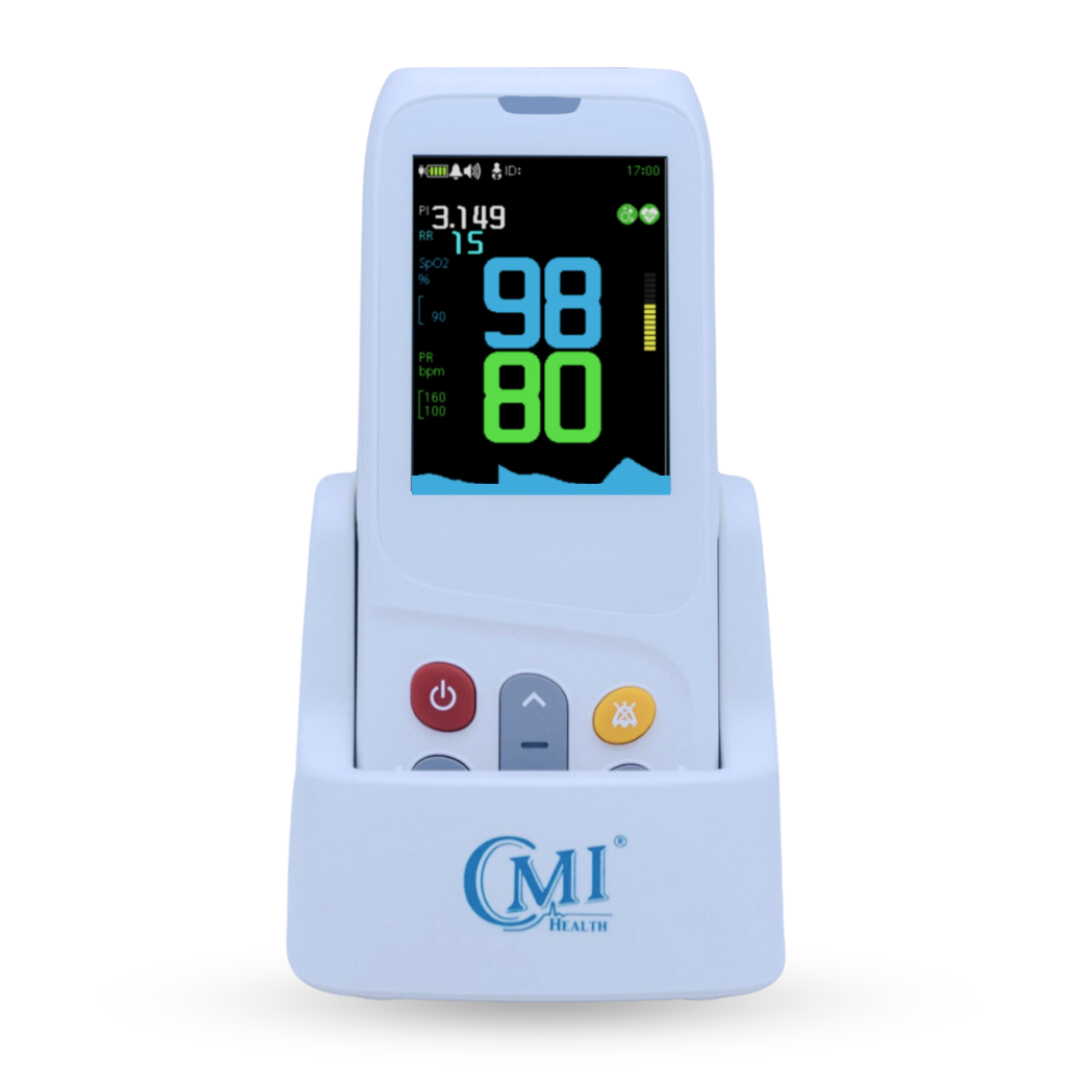
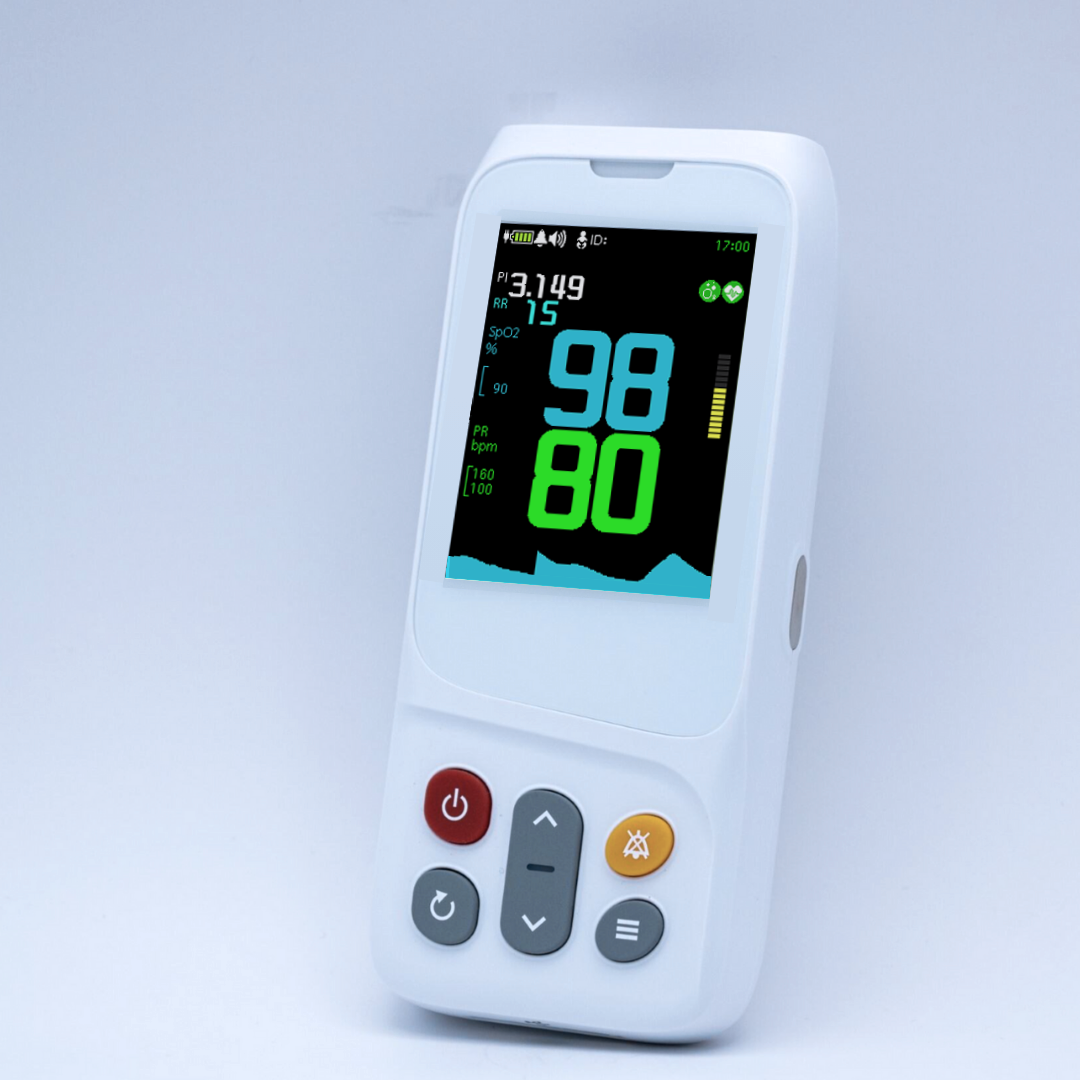
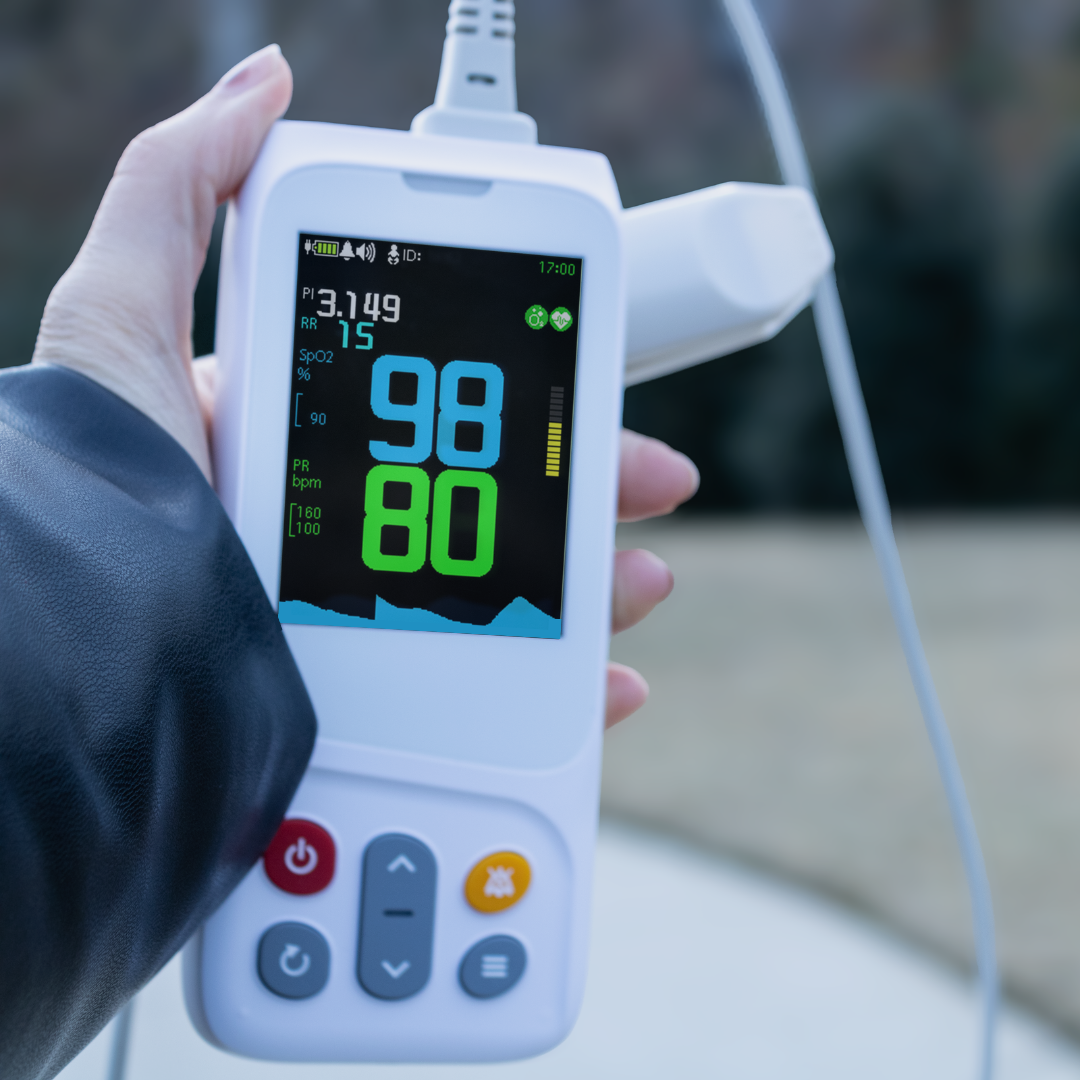
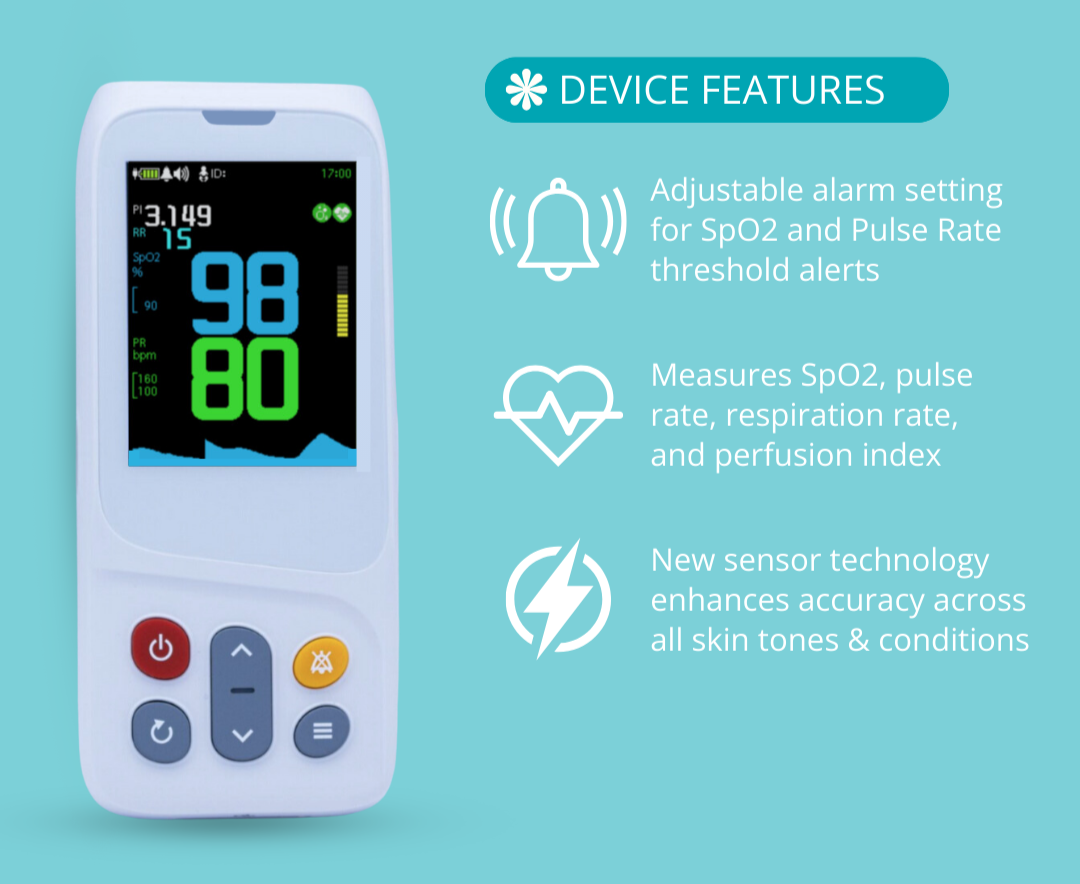
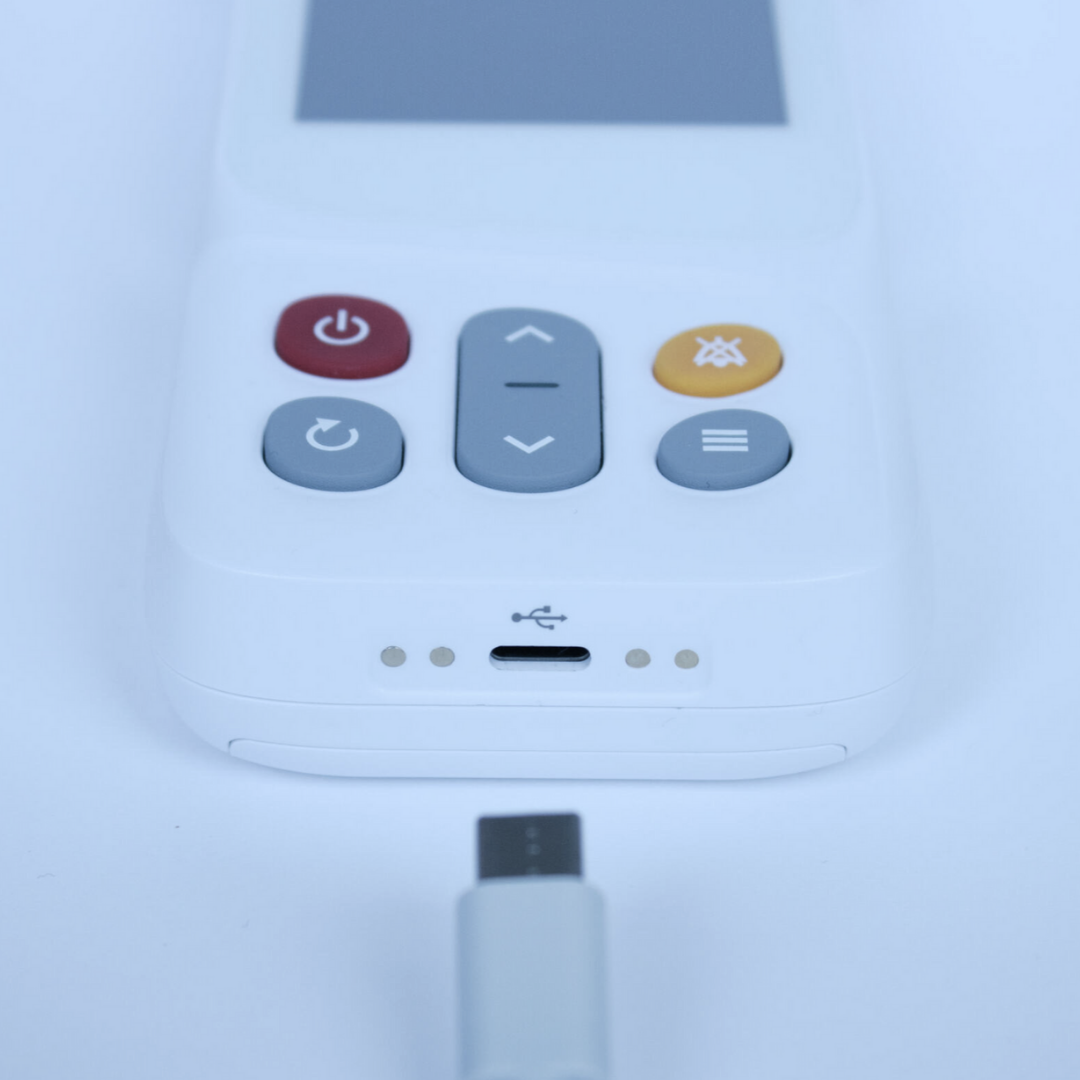
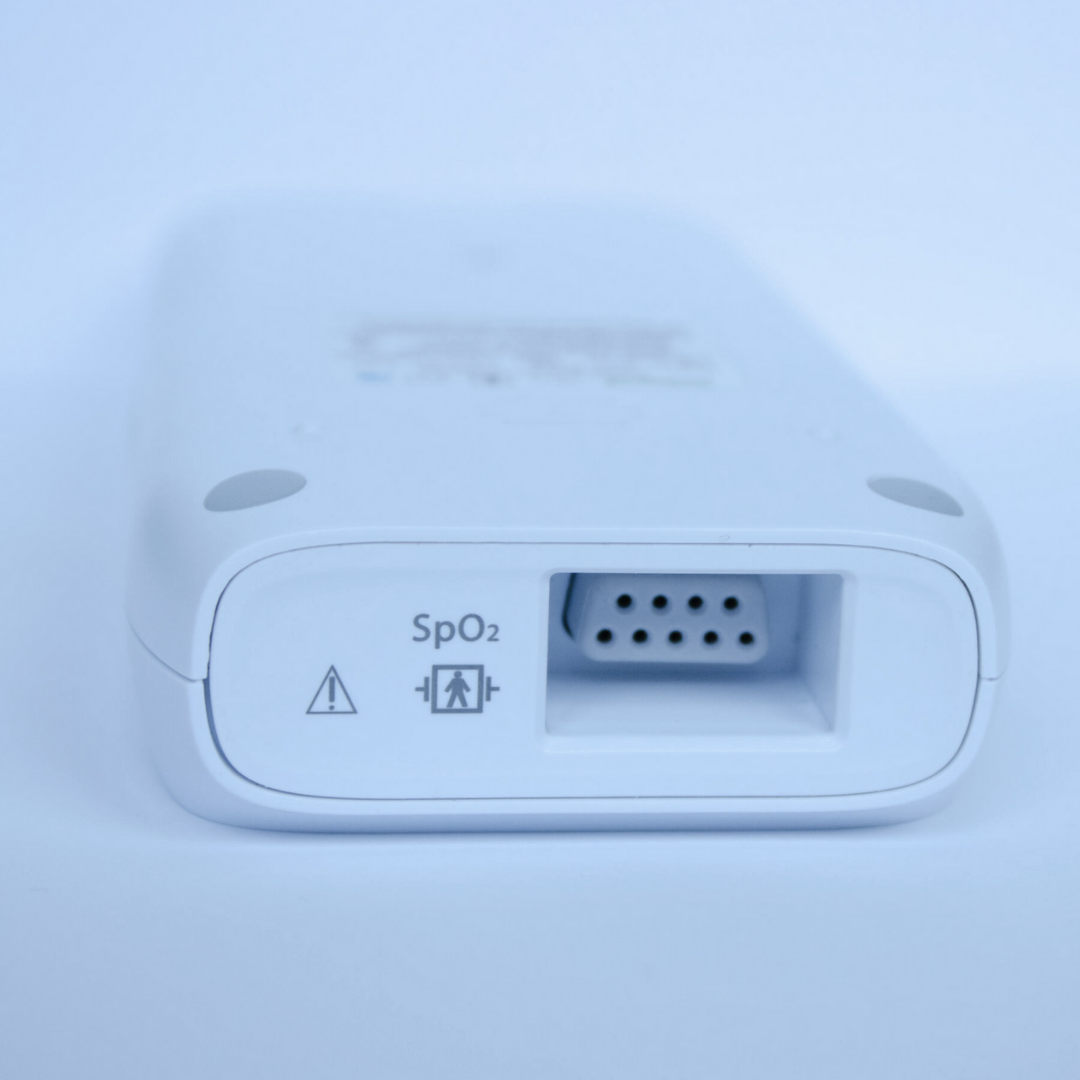
CMI’s Advantage in Pediatric Pulse Oximeter Selection: Sensor Ecosystems (CH-100 + PC-66)
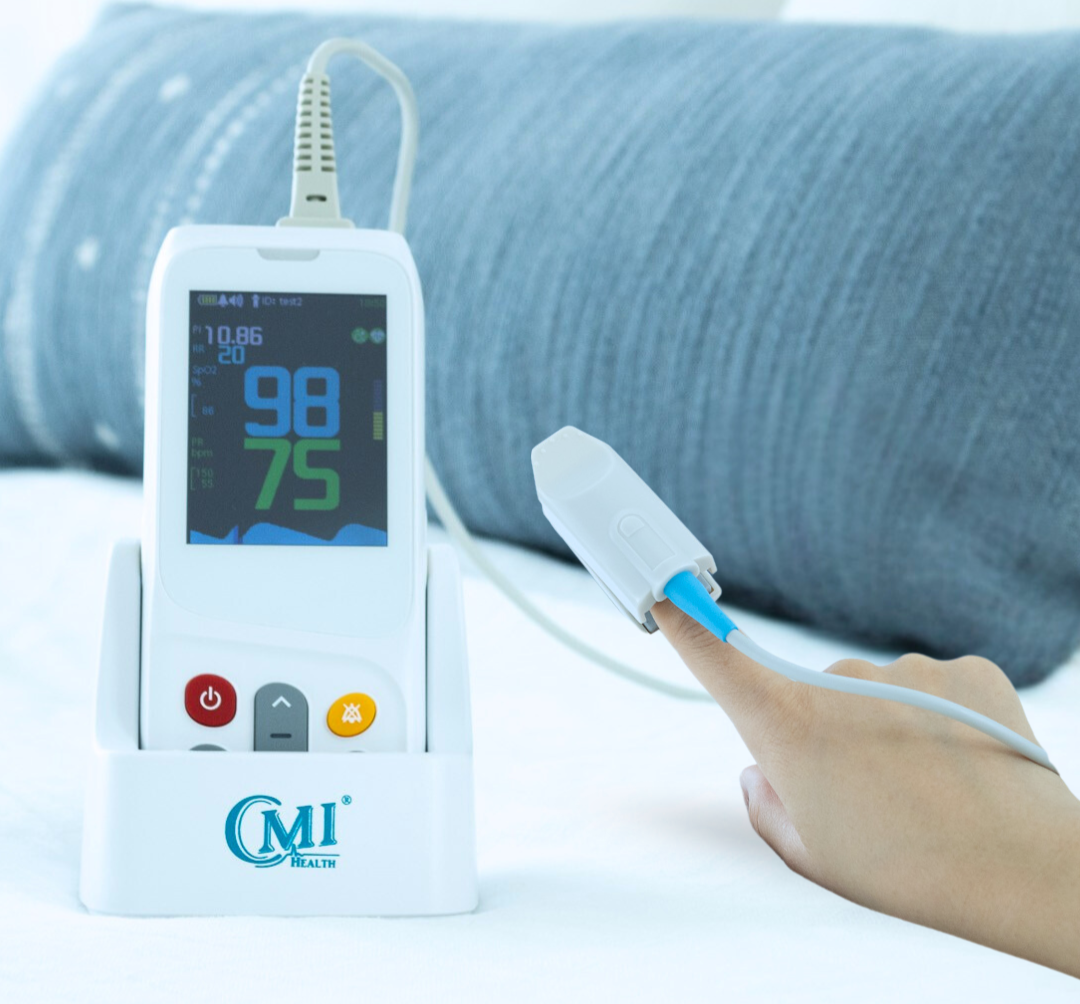
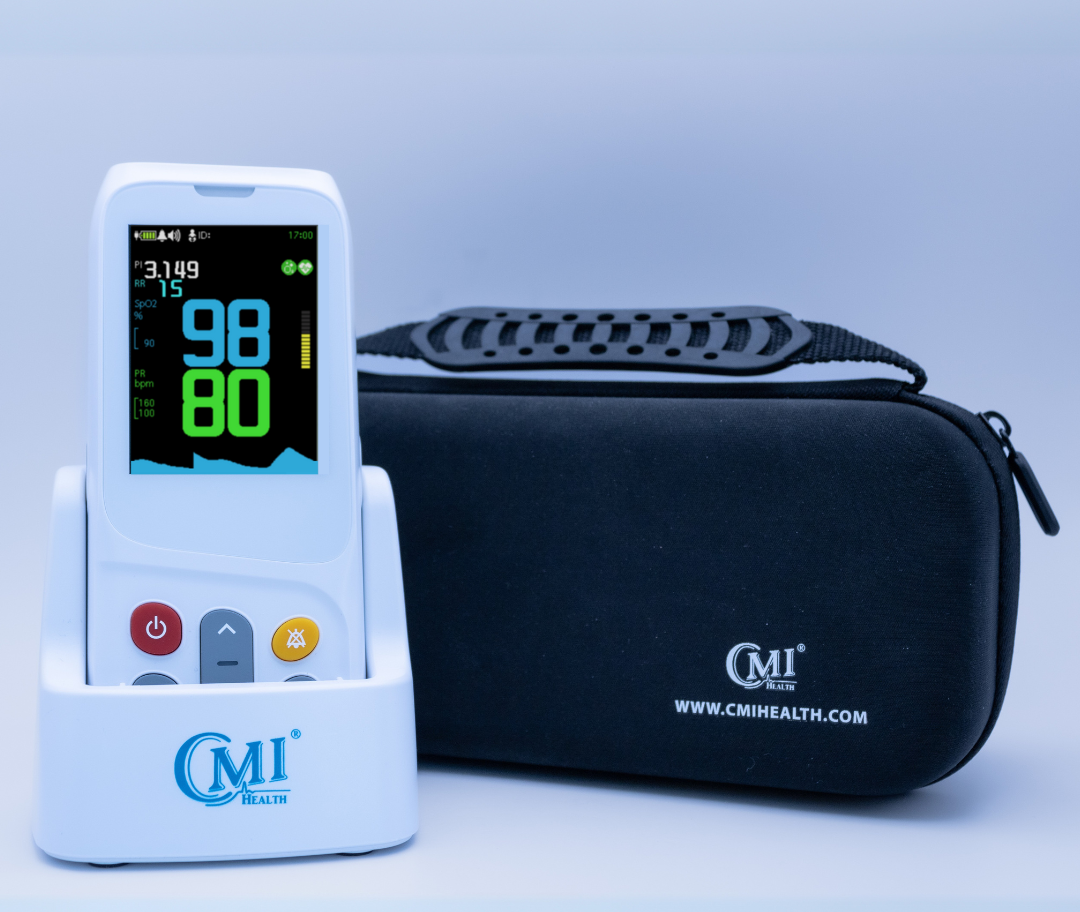
CMI’s strength in pediatrics is not just the clinical-grade monitor platforms, it’s the ability to build a pediatric monitoring setup using infant and pediatric sensor options that match real patient needs.
This matters most when programs need:
-
infant sensor placement that stays secure during motion/sleep
-
pediatric sizing flexibility across age groups
-
consistency across multiple patients
CH-100 Sensor Options (Infant + Pediatric)

Infant sensors (2 options):
Pediatric sensors:
PC-66 Series Sensor Options (Infant + Pediatric)

Infant sensor:
Pediatric sensors:
CMI Pediatric Sensor + Platform Comparison
This chart summarizes how the two CMI pulse oximeter platforms support infant and pediatric monitoring across different care needs.

Steps in Choosing the Best Pediatric Pulse Oximeter
Step 1 — Confirm the monitoring need
Are you selecting for:
-
clinic/school spot checks
-
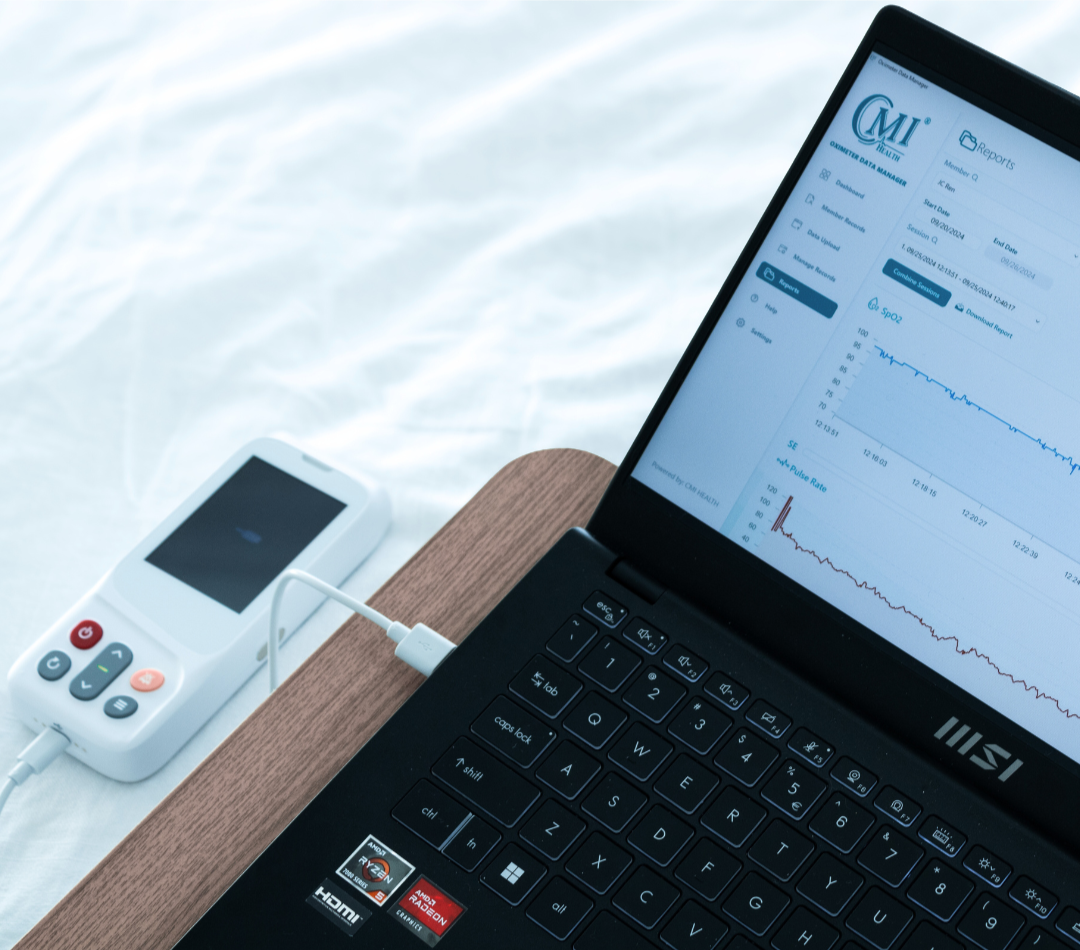
longer monitoring windows and trend review
-
infant + pediatric coverage within one program
Step 2 — Choose the right device category
-
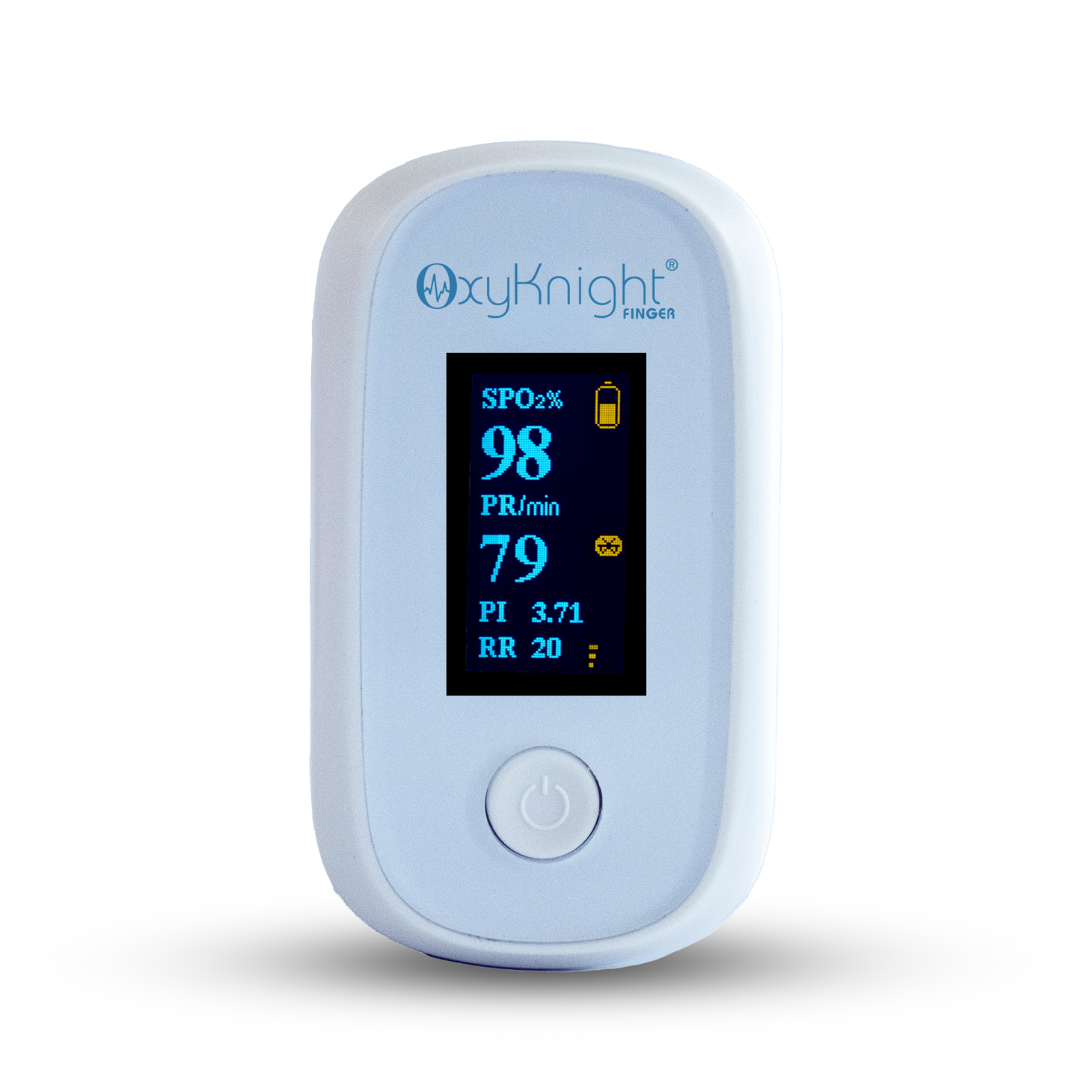
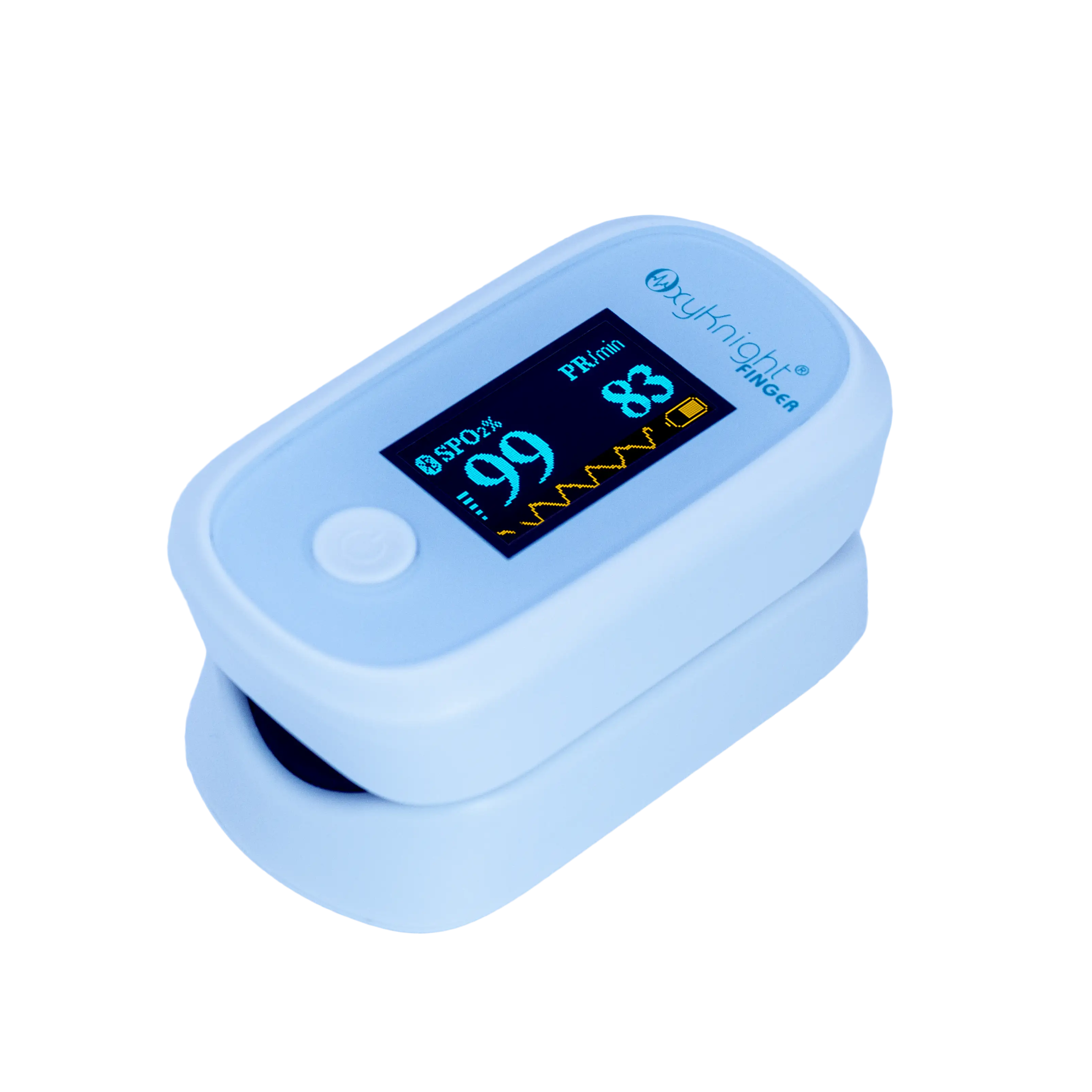
Fingertip spot-check devices: fast readings, minimal setup
-
Wearables: trend-based monitoring, often caregiver/app-driven
-
Handheld + sensor ecosystems: best fit for infant wrap sensor and pediatric sensor flexibility
Step 3 — Choose sensor style and sizing early
In pediatrics, sensor choice can strongly influence:
-
reading stability
-
comfort tolerance
-
success during motion and sleep
Proper fit and placement play a big role in getting reliable readings. If you’re unsure how to use your device once you have it, our step-by-step guide on how to use an infant pulse oximeter walks through everything from placement to interpreting results.
Conclusion
The best pediatric pulse oximeter is the one that delivers reliable readings in everyday pediatric conditions and supports your monitoring needs in practice.
For pediatric programs that need flexibility across patient sizes and monitoring scenarios, CMI offers pediatric-focused options with infant and pediatric sensor configurations designed to support real-world care.
Explore pediatric monitoring options from CMI Health.


Leave a comment