



What Is PRBPM? Understanding Pulse Rate Readings and Normal Ranges

How PRBPM is measured, where it appears on a pulse oximeter, and how to interpret typical values.
PRBPM is a pulse oximeter reading that shows your pulse rate in beats per minute. While oxygen saturation (SpO₂) often gets the most attention, PRBPM is another important metric that helps you understand what your device is measuring.
So, why does PRBPM matter?
What Is PRBPM?
PRBPM stands for Pulse Rate Beats Per Minute. It reflects the number of times your heart beats in one minute, based on the pulse detected by a pulse oximeter.
In simple terms:
-
PR = Pulse Rate
-
BPM = Beats Per Minute
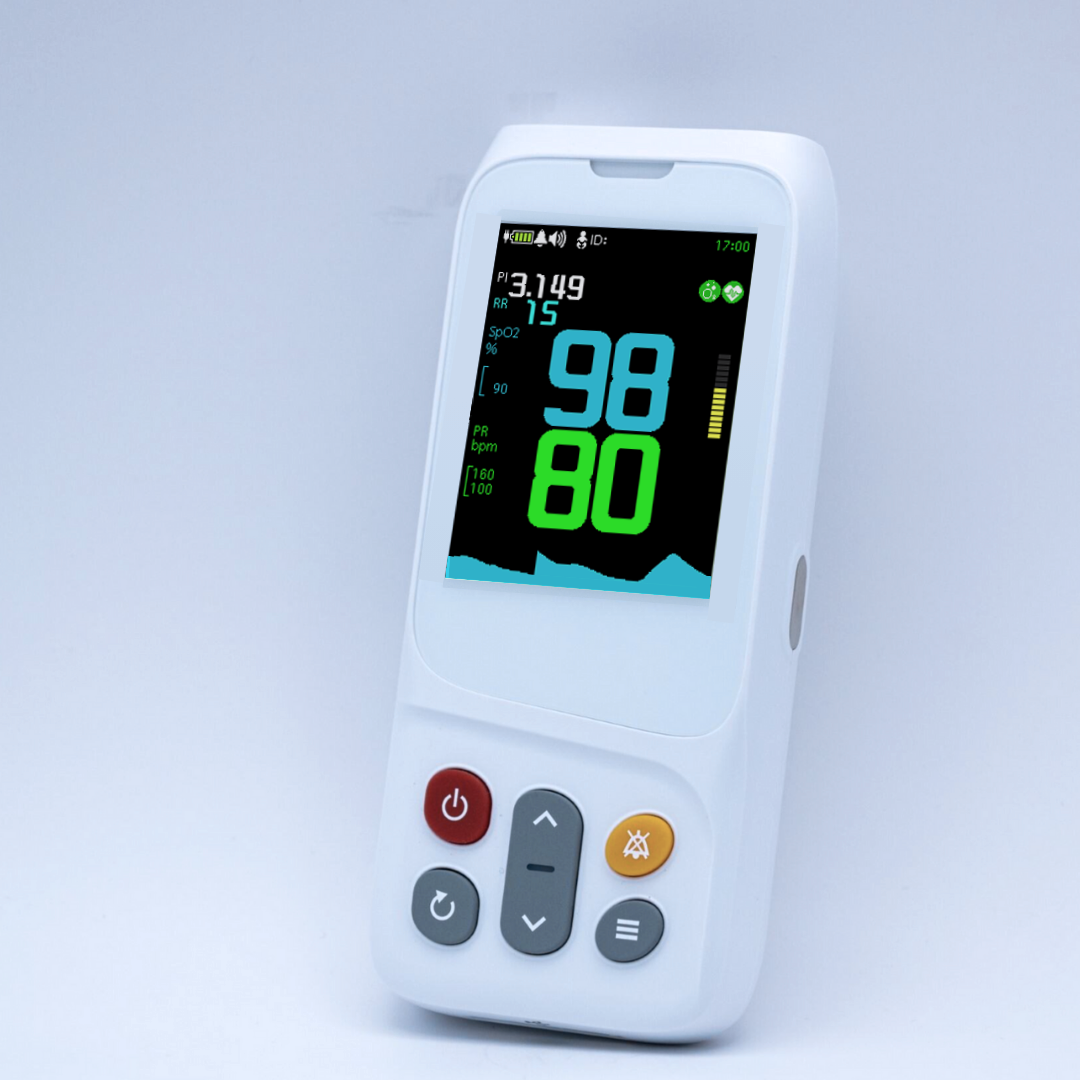
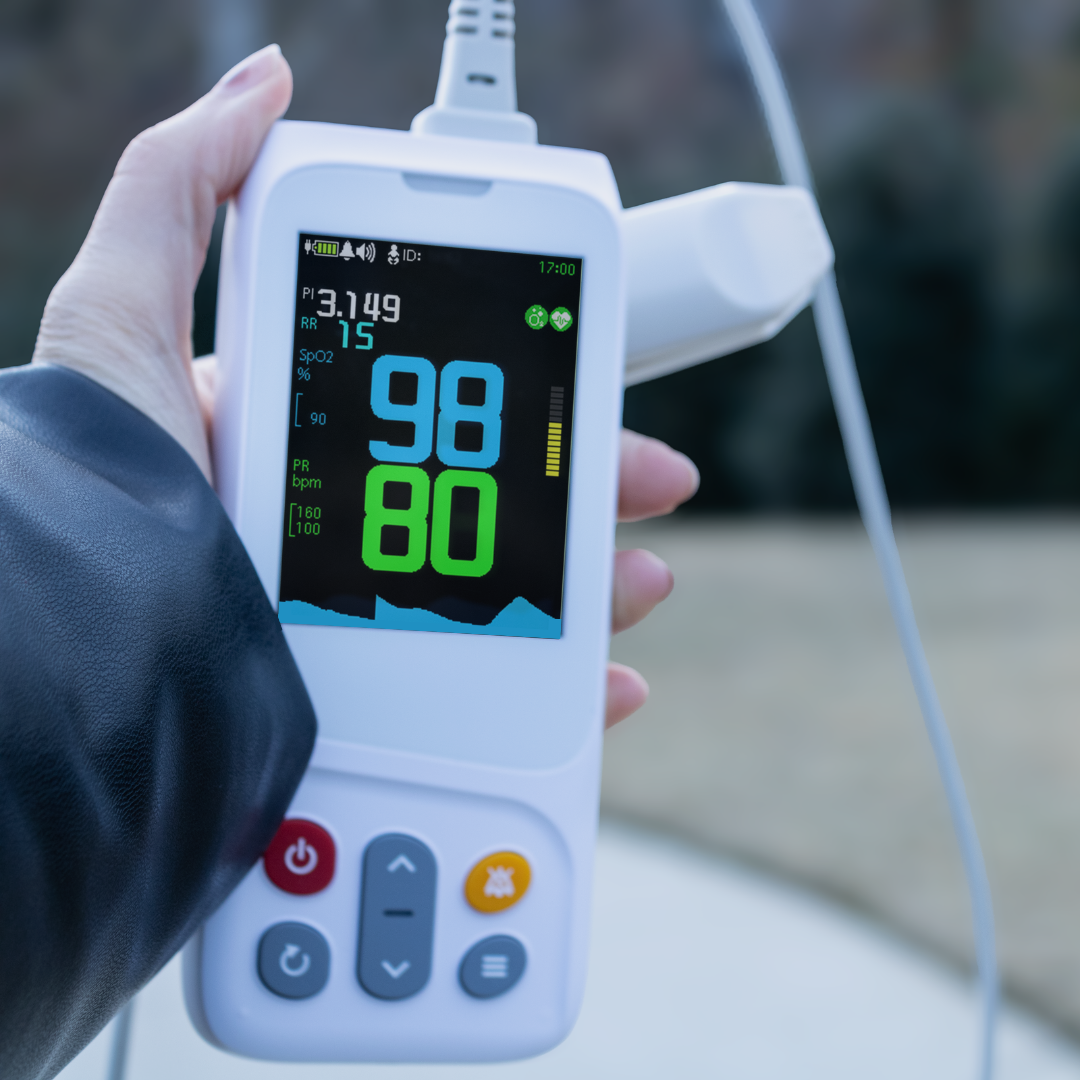
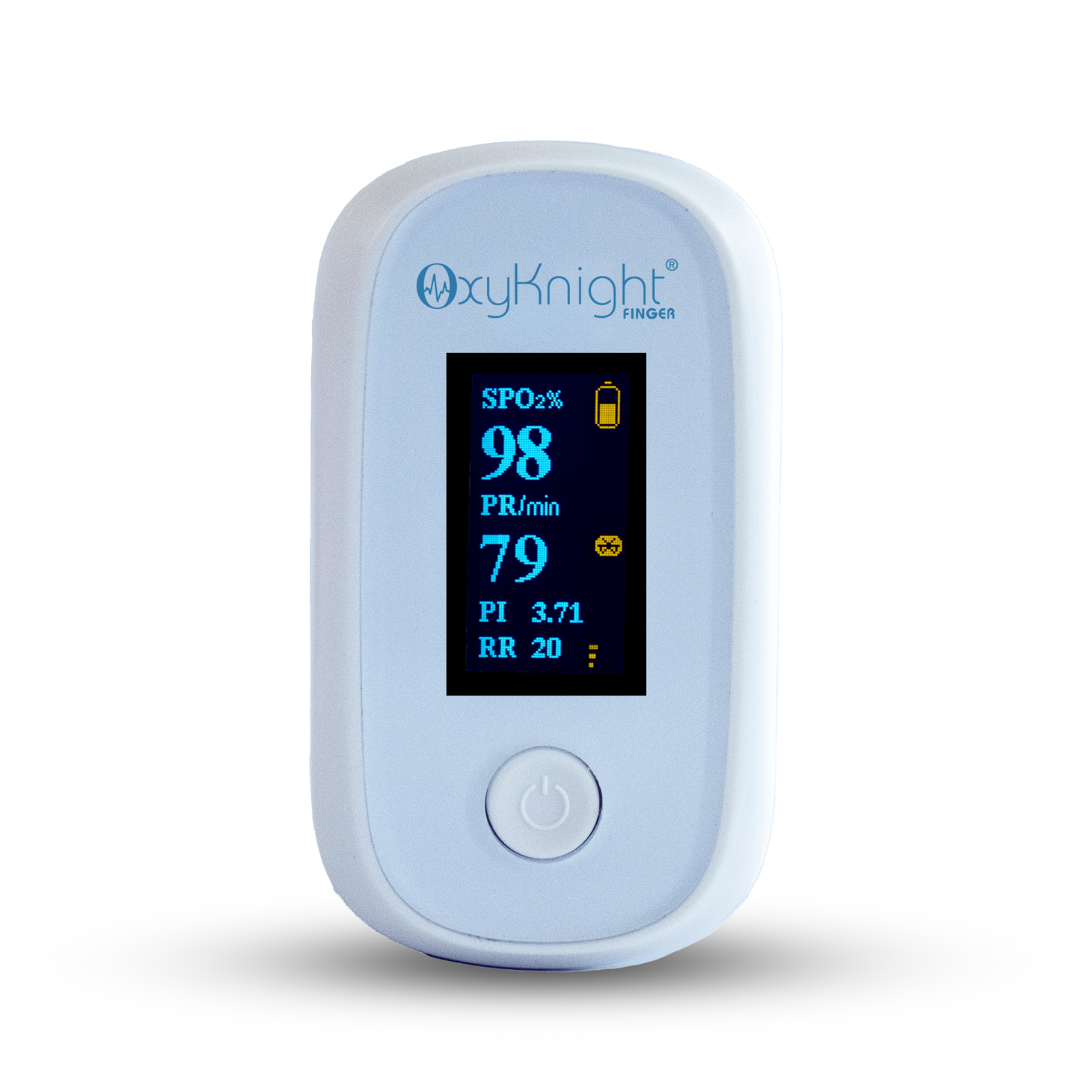
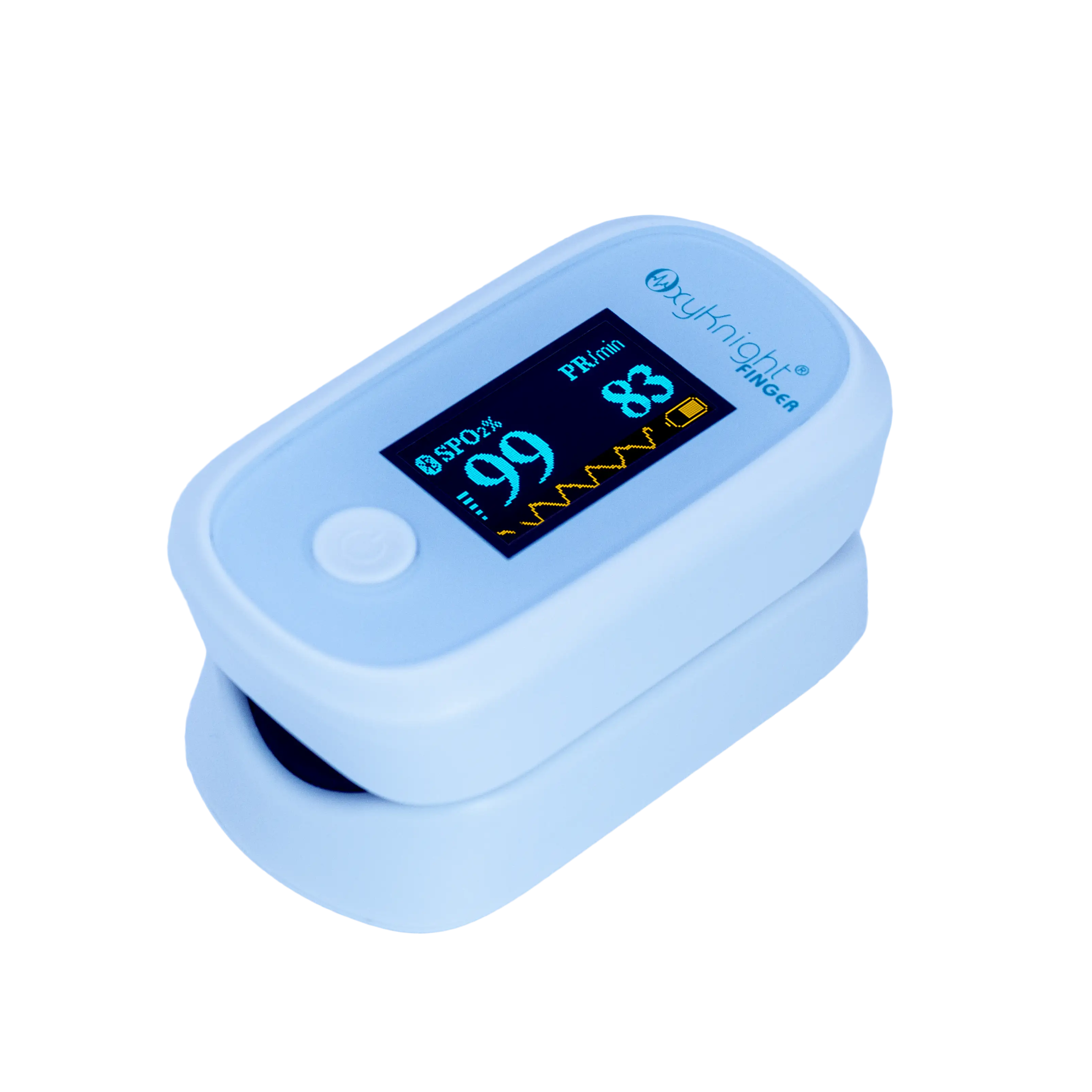
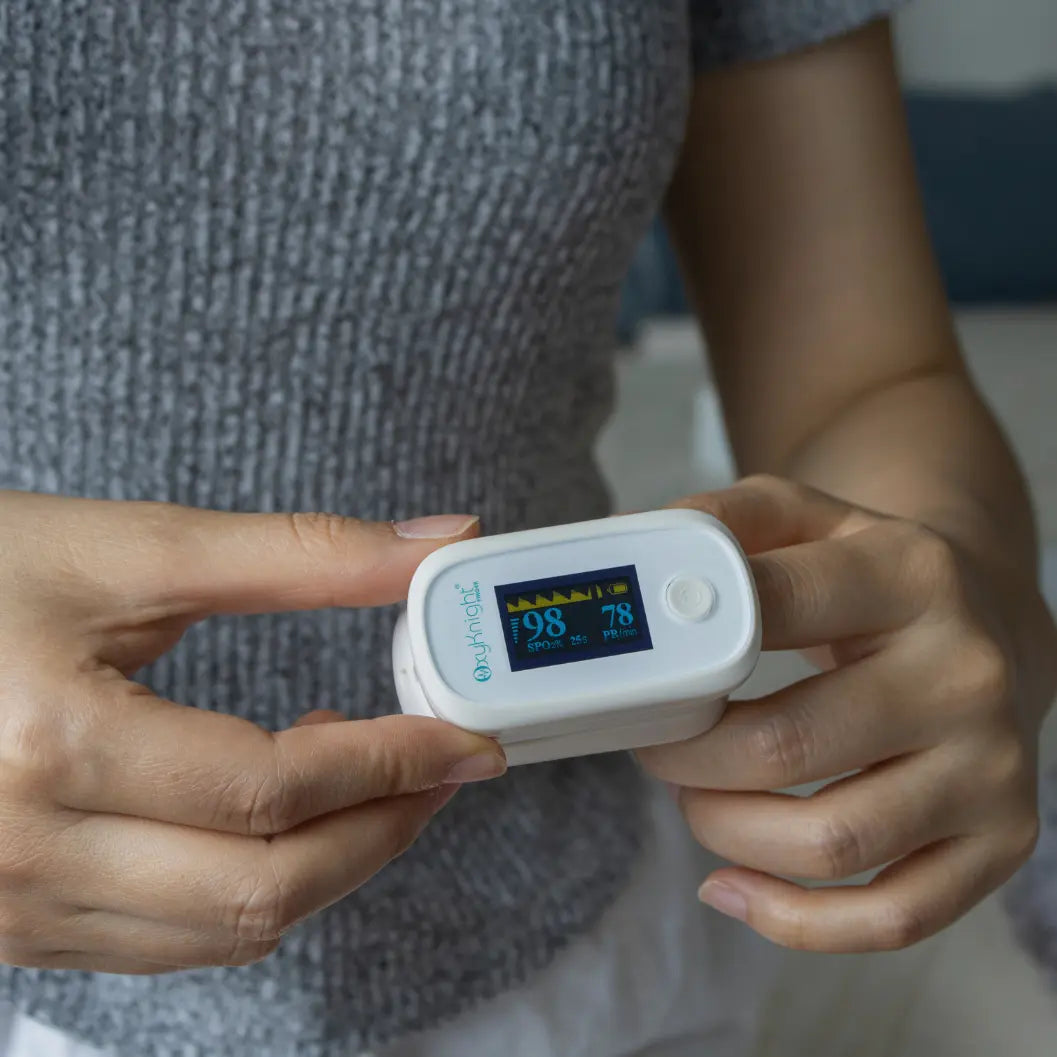
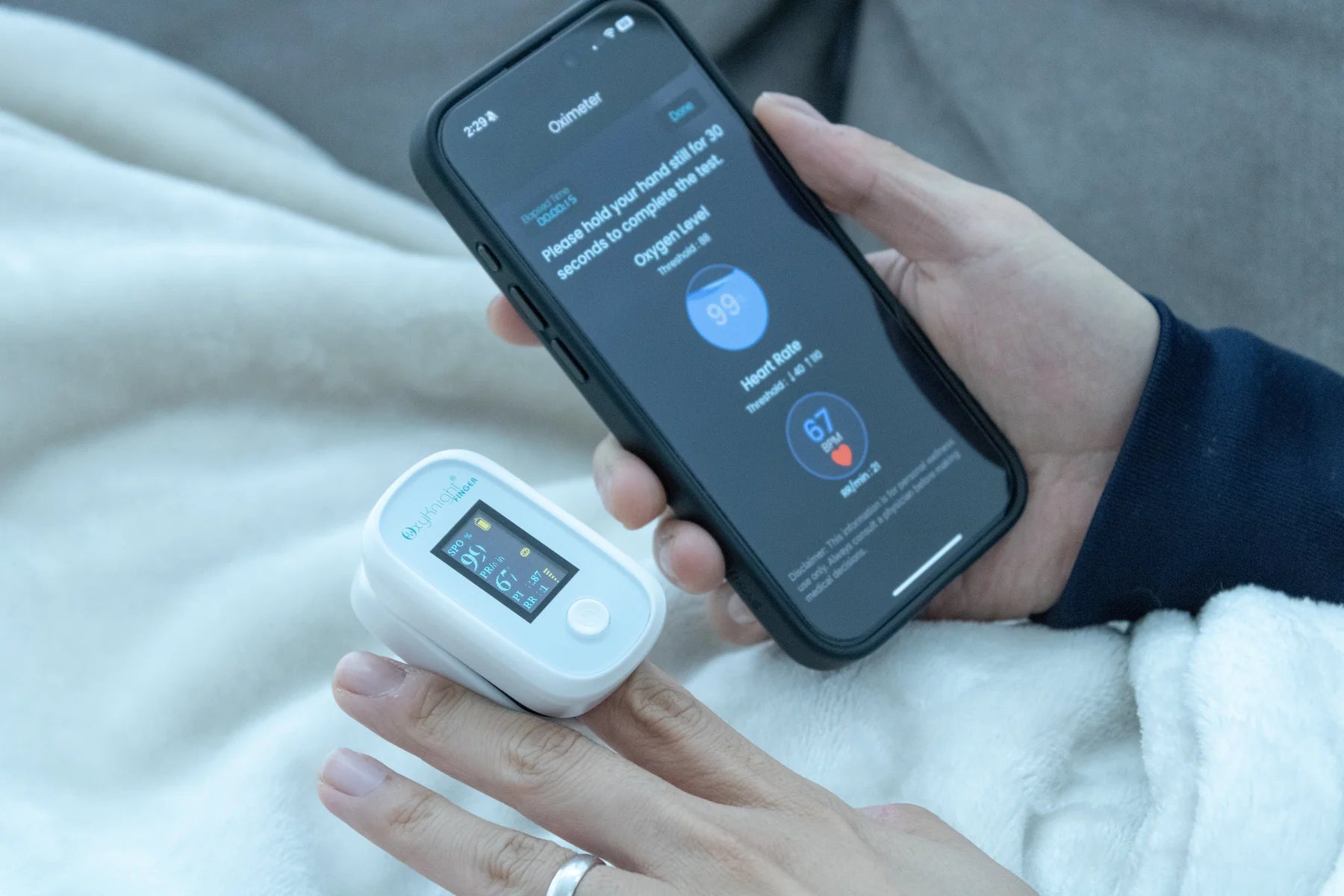
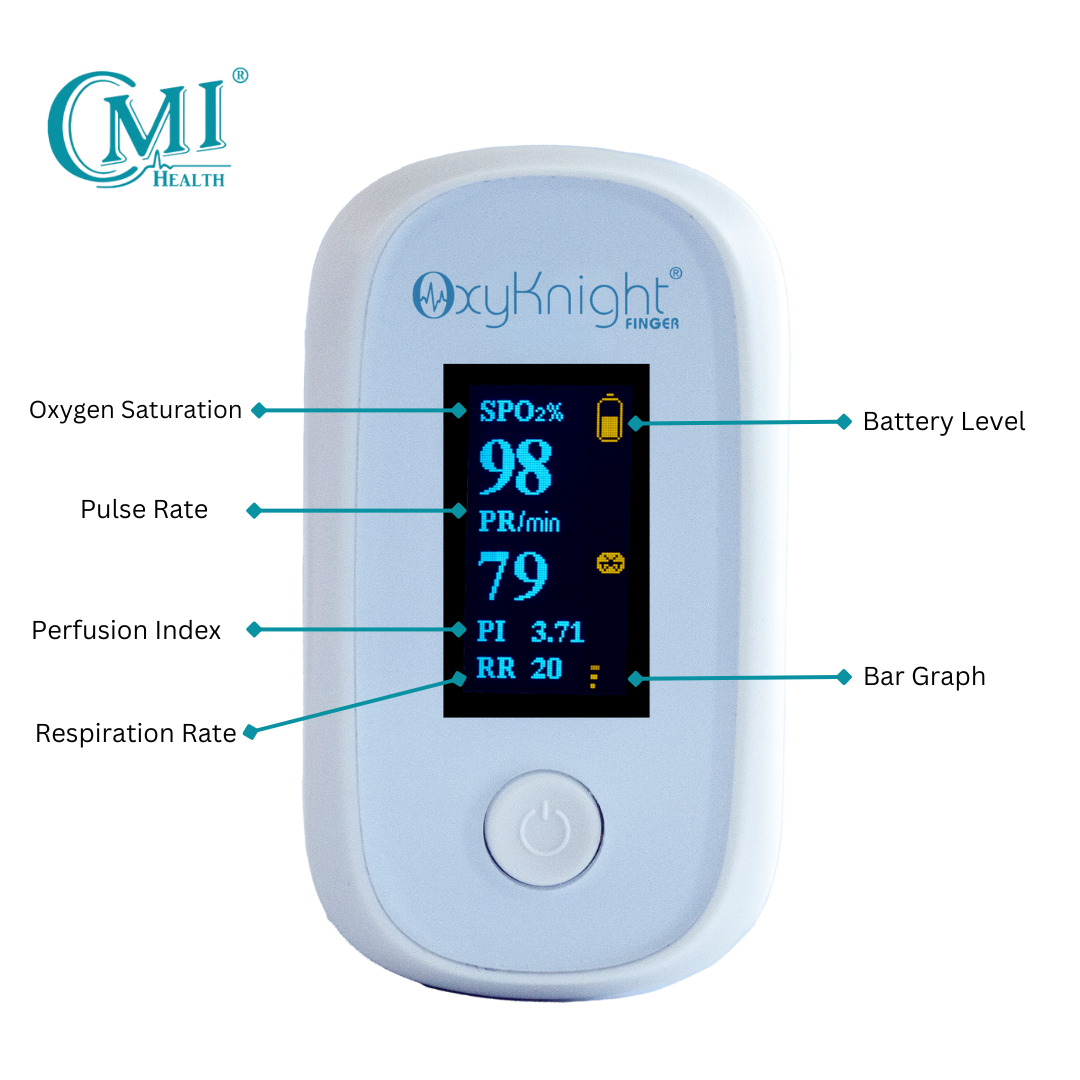
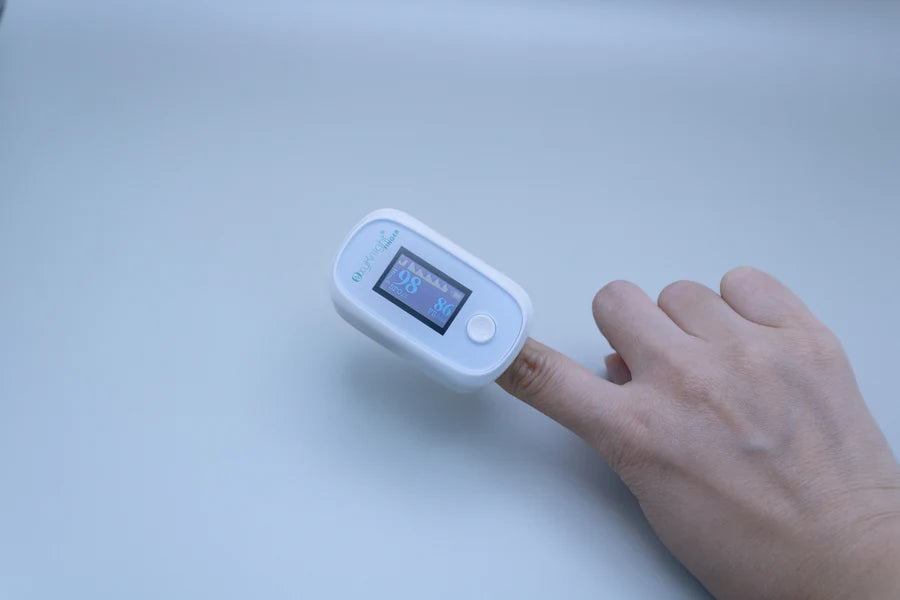
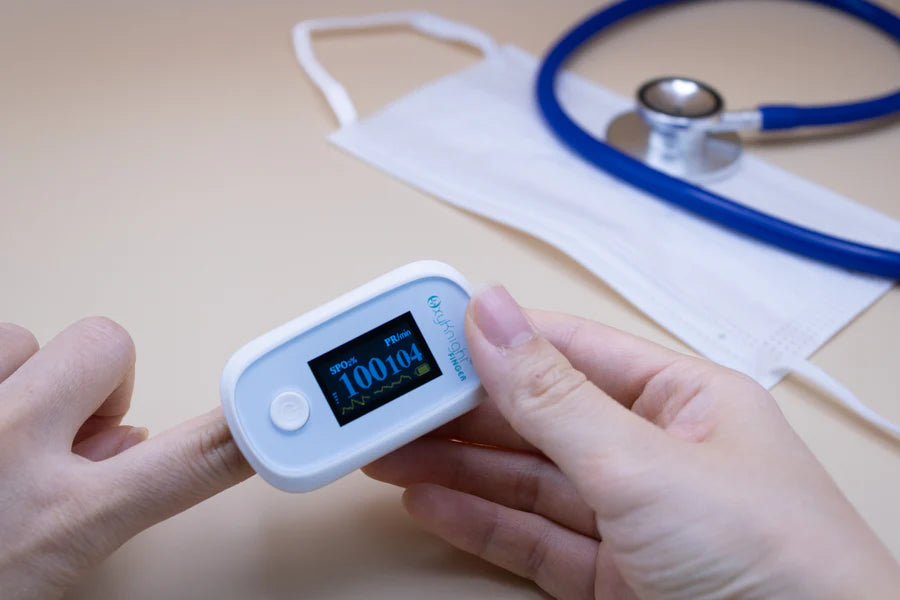
When your pulse oximeter shows a PRBPM value, it is displaying your current pulse rate, measured through blood flow in your fingertip.
How Does a Pulse Oximeter Measure PRBPM?
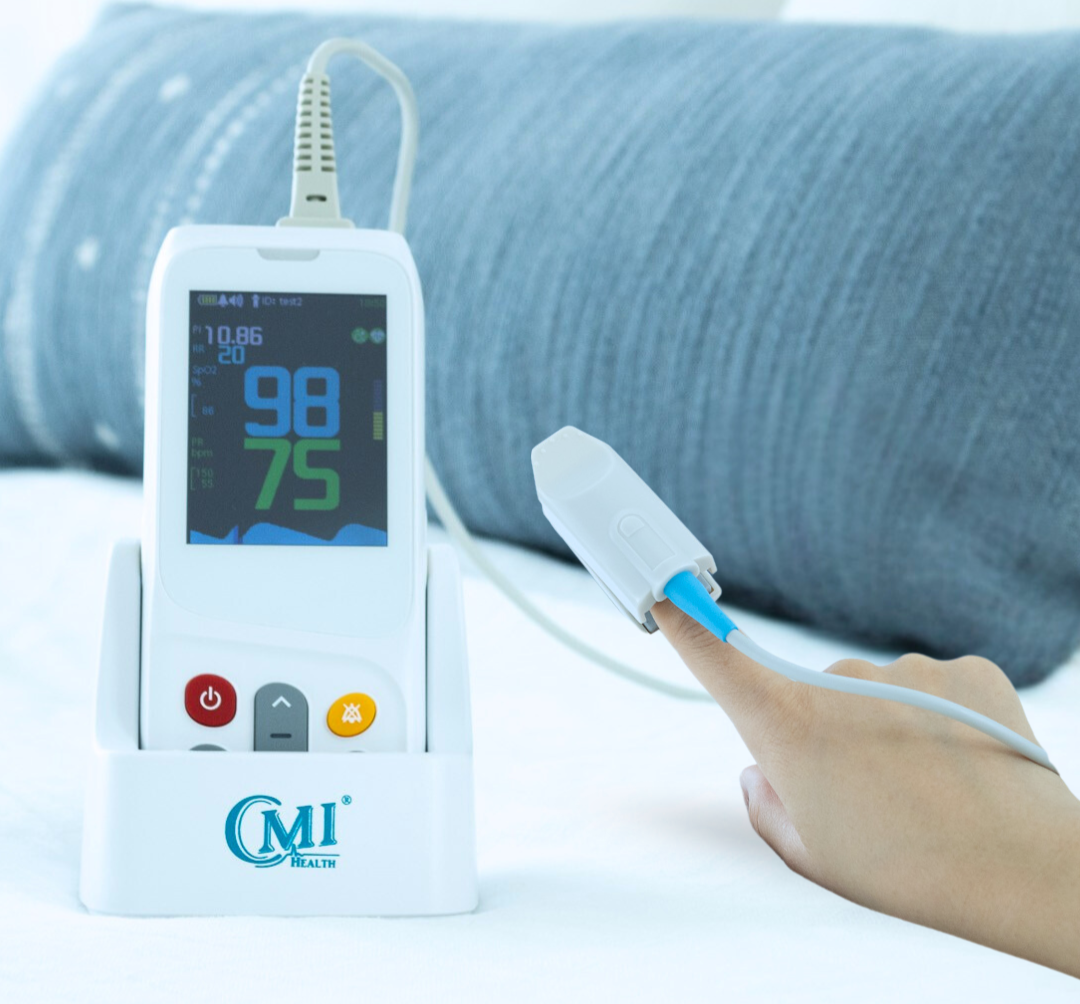
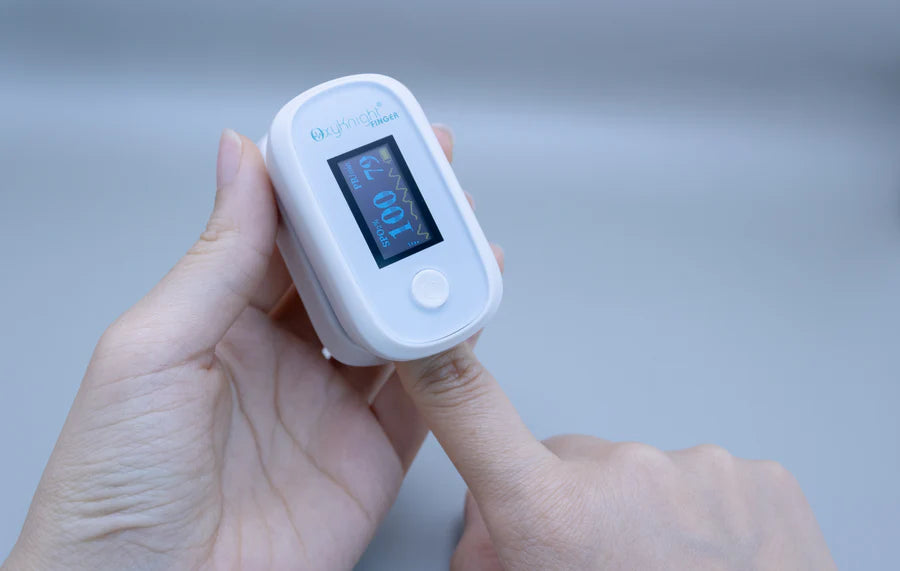
Pulse oximeters use a light-based method called photoplethysmography. By shining light through the finger, the device detects small changes in blood volume that occur with each heartbeat.
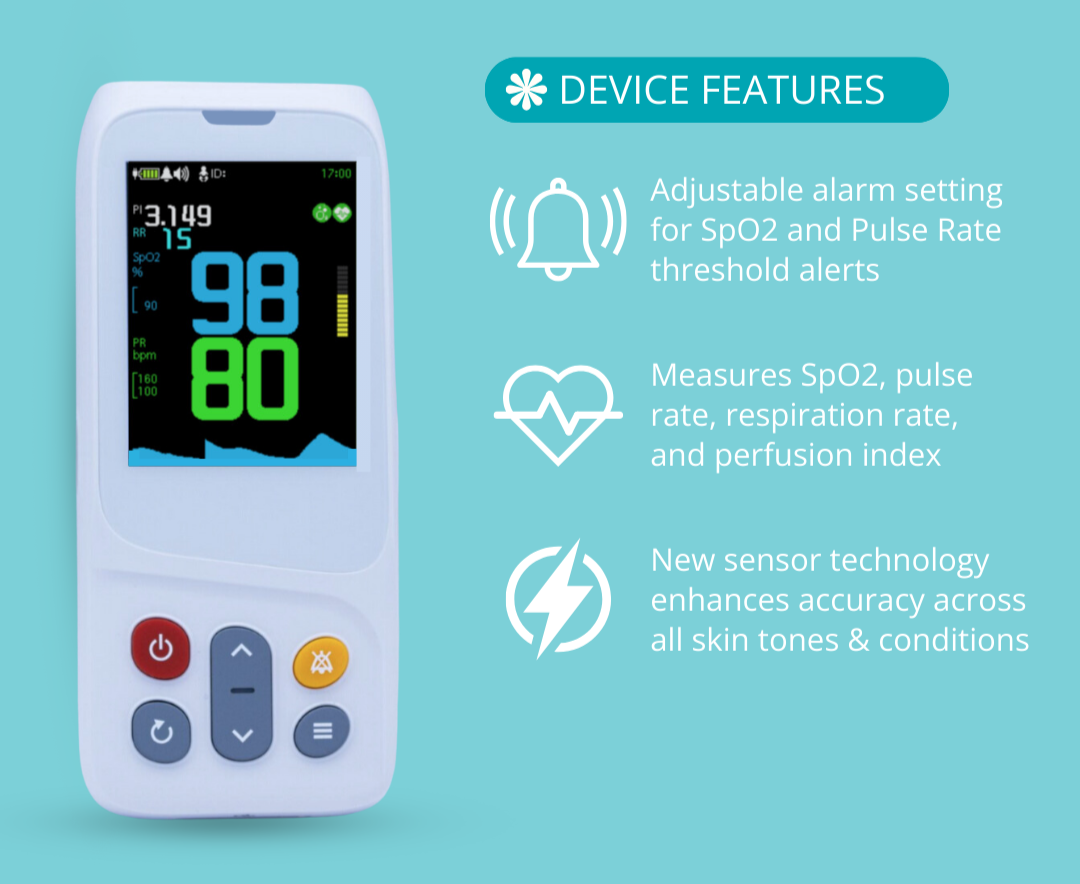
From these signals, the pulse oximeter calculates:
-
SpO₂ (oxygen saturation)
-
PRBPM (pulse rate)
In addition to these readings, some pulse oximeters also display the perfusion index (PI), which is covered in more detail in our Pulse Oximeter PI Normal Range by Age article.

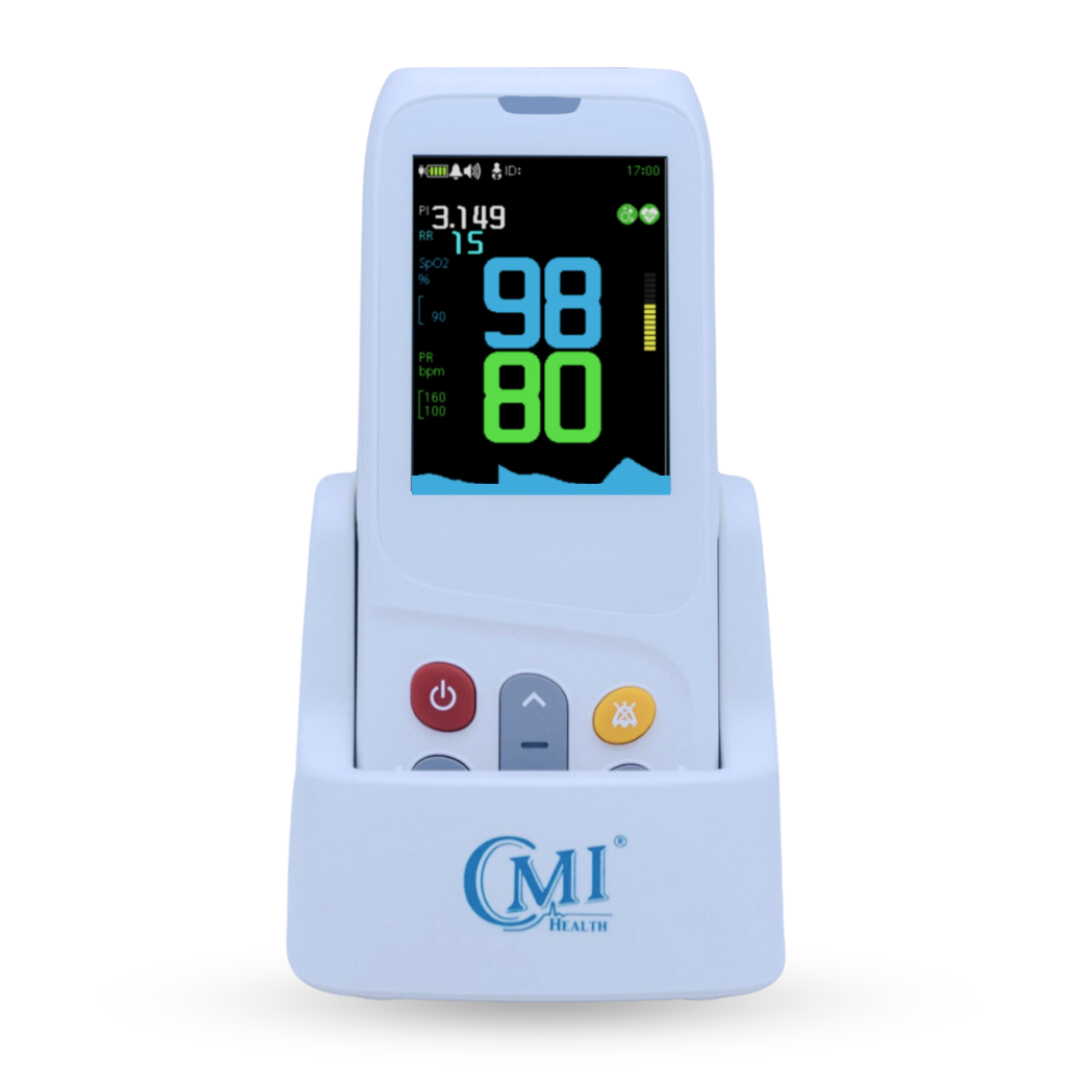
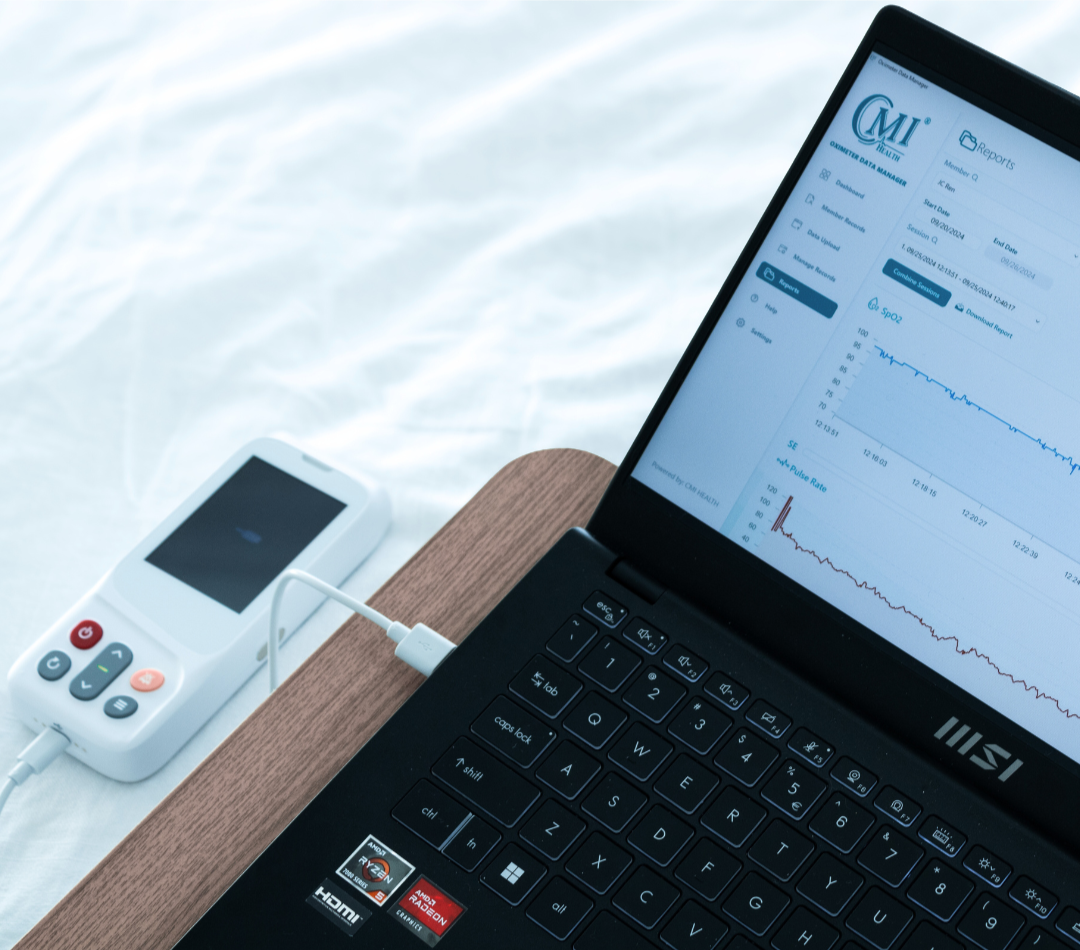
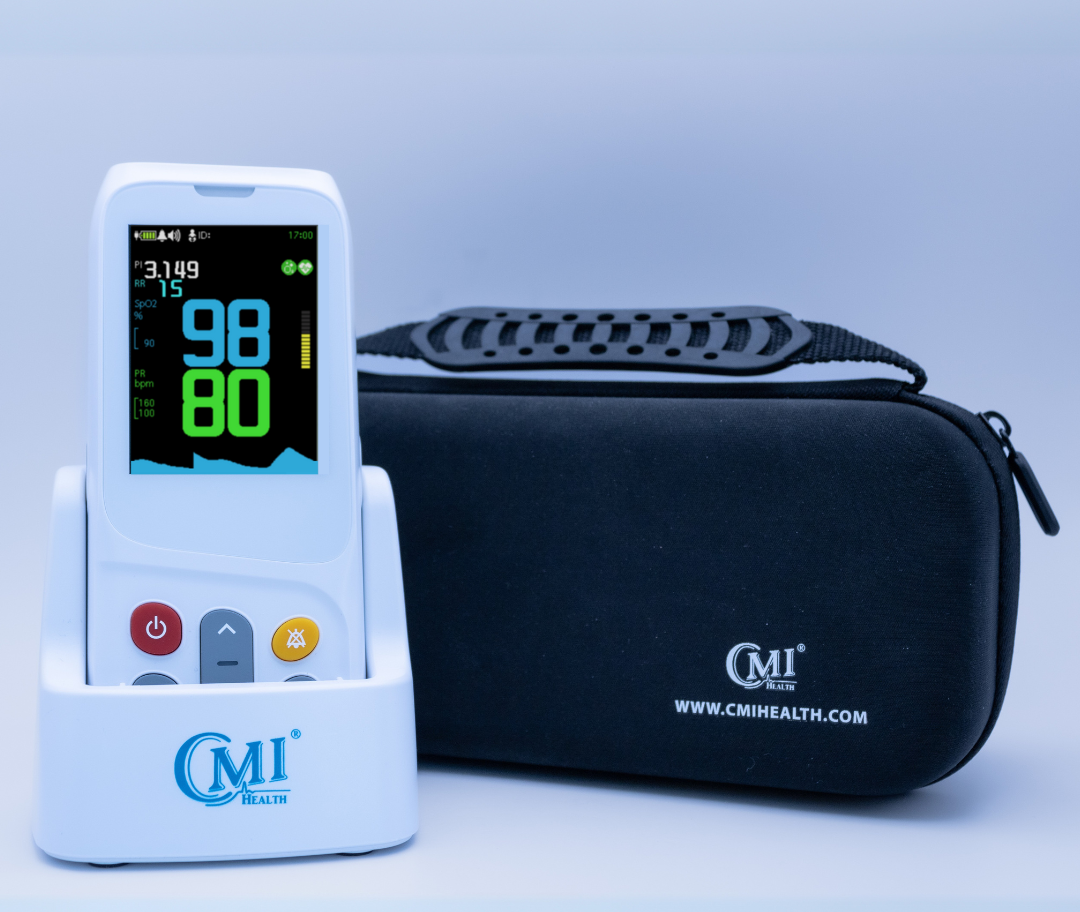
CMI Health's Oximeter CH-100 Calculating SpO2 & PRBPM
PRBPM Normal Range by Age
One of the most common questions people ask is about the PRBPM normal range. Normal pulse rate values vary by age, which is why PRBPM readings for children differ from those for adults.

Normal PRBPM ranges are highest in infancy and gradually decrease with age. Adults and adolescents generally share similar resting PRBPM ranges, while younger children tend to have faster pulse rates.
What Can Affect PRBPM Readings?
PRBPM is not a fixed number and can change throughout the day. Common factors that may influence pulse rate include:
-
Physical activity or exercise
-
Stress or anxiety
-
Body temperature or fever
-
Hydration levels
-
Body position (sitting vs. standing)
-
Cold fingers or reduced circulation
-
Movement during measurement
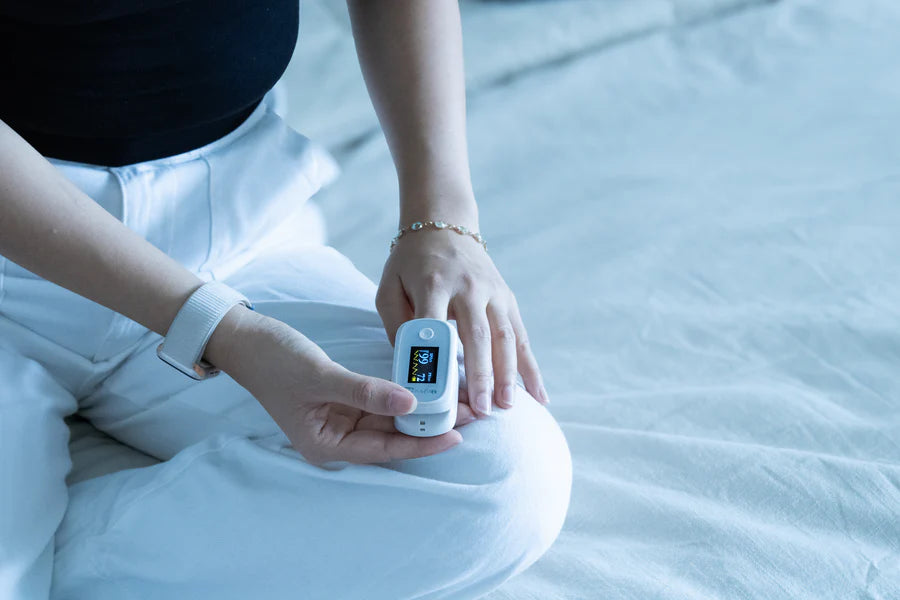
For the most consistent results, PRBPM should be measured while resting and holding still.
Is PRBPM the Same as Heart Rate?
PRBPM and heart rate are closely related, but they are measured differently.
-
PRBPM is calculated from pulse signals detected in blood vessels.
-
Heart rate measured by an ECG reflects the heart’s electrical activity.
For everyday use, PRBPM provides a reliable estimate of heart rate, especially when readings are taken at rest using a quality pulse oximeter.
How to Get an Accurate PRBPM Reading
To improve the accuracy of your PRBPM measurement:
-
Sit and rest for at least 30–60 seconds before measuring
-
Keep your hand relaxed and at heart level
-
Make sure your fingers are warm
-
Insert your finger fully into the pulse oximeter
-
Remain still until the reading stabilizes
Avoid taking readings immediately after activity unless you are intentionally tracking changes related to movement.
When Should You Pay Attention to PRBPM Values?
A single PRBPM reading outside the normal range is not always a cause for concern. However, it may be worth paying attention if:
-
Your PRBPM is consistently above or below the normal range for your age
-
You notice sudden or unexplained changes from your usual baseline
-
Changes occur alongside symptoms such as dizziness or shortness of breath
Tracking trends over time is often more helpful than focusing on one reading.
Understanding PRBPM as Part of Your Pulse Oximeter Readings
Now that you know what PRBPM represents and what a typical range looks like, interpreting this value becomes easier when reviewing pulse oximeter readings and understanding your results in context.
Frequently Asked Questions
What does PRBPM mean?
PRBPM stands for Pulse Rate Beats Per Minute. It reflects the number of times your heart beats in one minute, based on the pulse detected by a pulse oximeter.
How does a pulse oximeter measure PRBPM?
Pulse oximeters use a light-based method called photoplethysmography. By shining light through the finger, the device detects small changes in blood volume that occur with each heartbeat, which it uses to calculate both SpO₂ (oxygen saturation) and PRBPM (pulse rate).
What is a normal PRBPM range?
Normal PRBPM ranges vary by age, running highest in infancy (100–160 BPM for newborns) and gradually decreasing with age down to 60–100 BPM for adults. Adults and adolescents generally share similar resting ranges, while younger children tend to have faster pulse rates.
What factors can affect my PRBPM reading?
PRBPM isn't a fixed number and can shift throughout the day due to physical activity or exercise, stress or anxiety, body temperature or fever, hydration levels, body position, cold fingers or reduced circulation, and movement during measurement.
Is PRBPM the same thing as heart rate?
They're closely related but measured differently. PRBPM is calculated from pulse signals detected in blood vessels, while heart rate measured by an ECG reflects the heart's electrical activity. For everyday use, PRBPM provides a reliable estimate of heart rate, especially when readings are taken at rest with a quality pulse oximeter.
How can I get a more accurate PRBPM reading?
Sit and rest for at least 30–60 seconds before measuring, keep your hand relaxed and at heart level, make sure your fingers are warm, insert your finger fully into the device, and remain still until the reading stabilizes. Avoid measuring immediately after activity unless you're intentionally tracking movement-related changes.
Should I be worried if my PRBPM reading is outside the normal range?
A single reading outside the normal range isn't always cause for concern. It may be worth paying closer attention if your PRBPM is consistently above or below the normal range for your age, you notice sudden or unexplained changes from your usual baseline, or changes occur alongside symptoms like dizziness or shortness of breath.
Is it better to track PRBPM trends over time or focus on a single reading?
Tracking trends over time is generally more useful than focusing on any one reading, since PRBPM naturally fluctuates throughout the day based on activity, stress, and other factors.
Learn more about CMI Health pulse oximeters designed for clear, everyday use.



Leave a comment