



Pulse Oximeter PI Normal Range by Age: Tables and What Low PI Means

Updated November 2026
Quick answer: Perfusion index (PI) shows how strong the pulse signal is where your oximeter sensor sits. There is no single normal PI by age: healthy adults ranged 0.3–10% (median 1.4%) in one study, and healthy newborns had a median of 1.7% (study). Normal resting SpO₂ is 95–100% for most healthy people (MedlinePlus).
A complete guide to understanding oxygen levels, pulse rate, and perfusion index values across every age group.
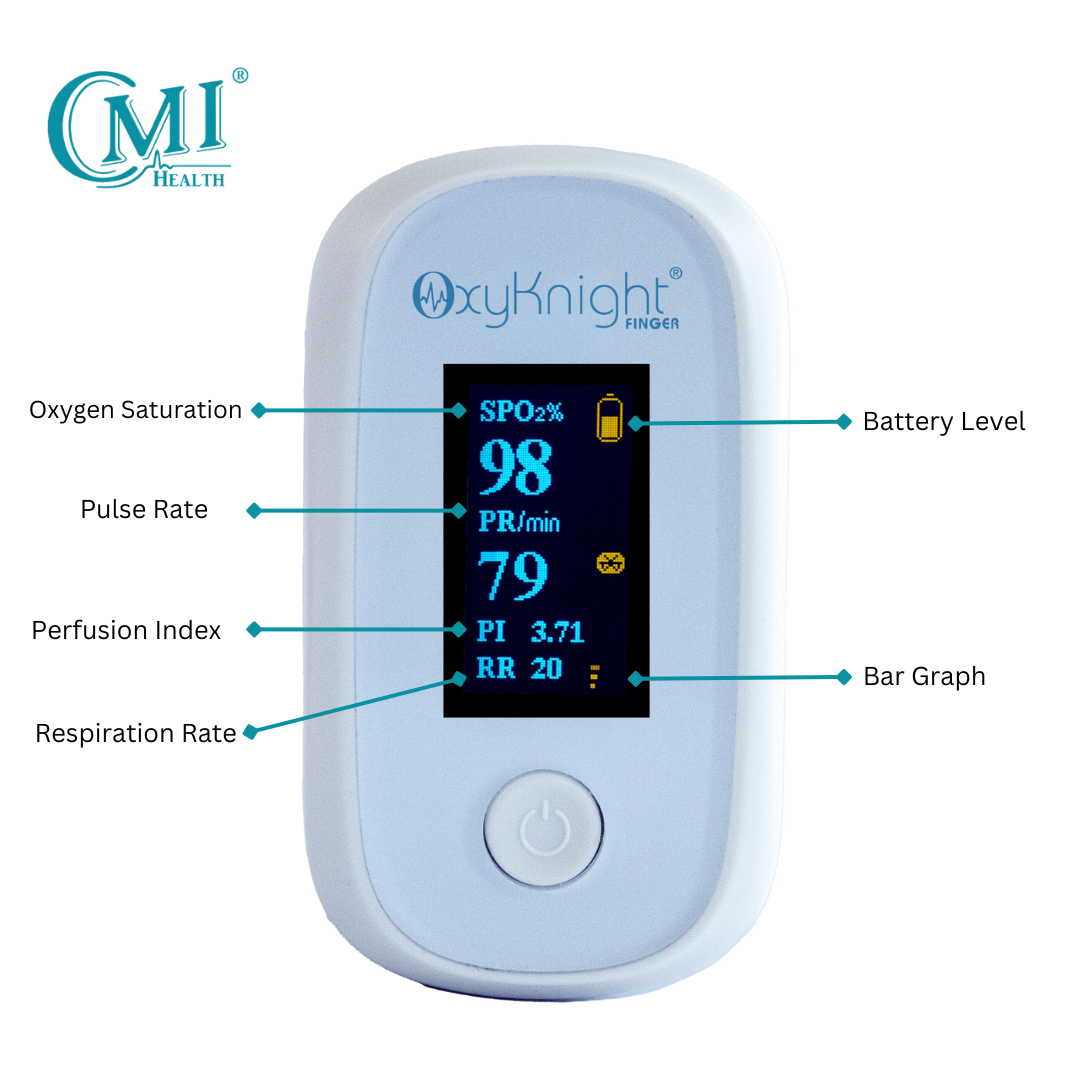
When you clip a pulse oximeter to your finger, it often doesn’t just measure your oxygen saturation (SpO₂), but also pulse rate and, in advanced models, perfusion index (PI). Together, these three values give insight into oxygen levels, heart rate, and circulation quality.
If you’re asking, “What’s the pulse oximeter PI normal range by age?” you are not alone. Parents check their infants, athletes view recovery readings, and older adults track their heart health. This article will help you understand how PI readings change across age groups — and why your PI number really matters.
What Is Perfusion Index (PI)?
Perfusion Index (PI) is the ratio of pulsatile blood flow (arterial) to non-pulsatile blood flow (venous and tissue) at the sensor site (Alderliesten et al., Neonatology). In simple terms, it shows how strong your pulse is where the oximeter is attached. The pulse waveform (plethysmograph) that some oximeters display is a picture of that same pulse signal.
- High PI → stronger pulse signal at the fingertip (or earlobe, forehead, etc.). Readings from different sites aren’t directly comparable.
- Low PI → weaker signal, often due to reduced circulation, cold hands, or sensor placement
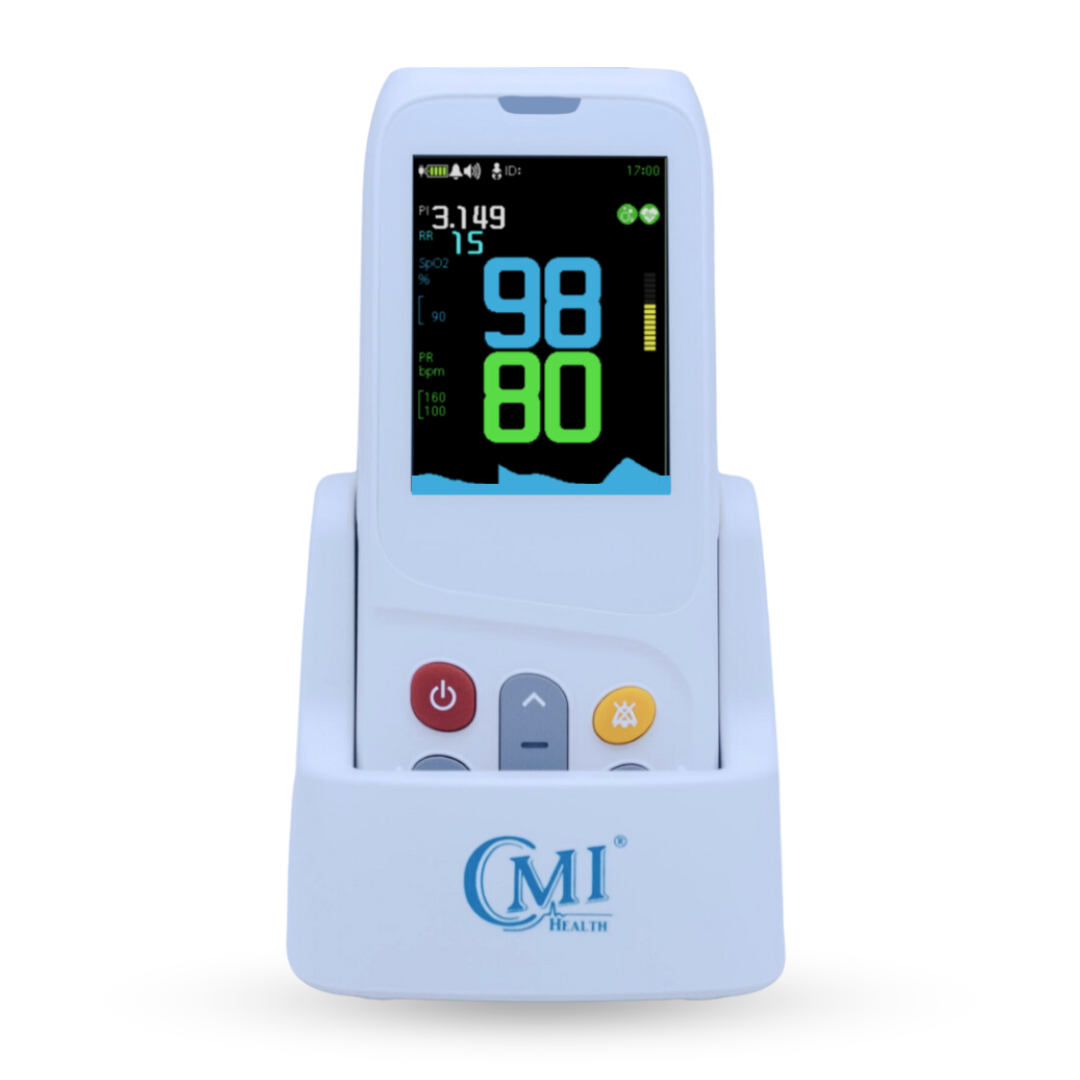
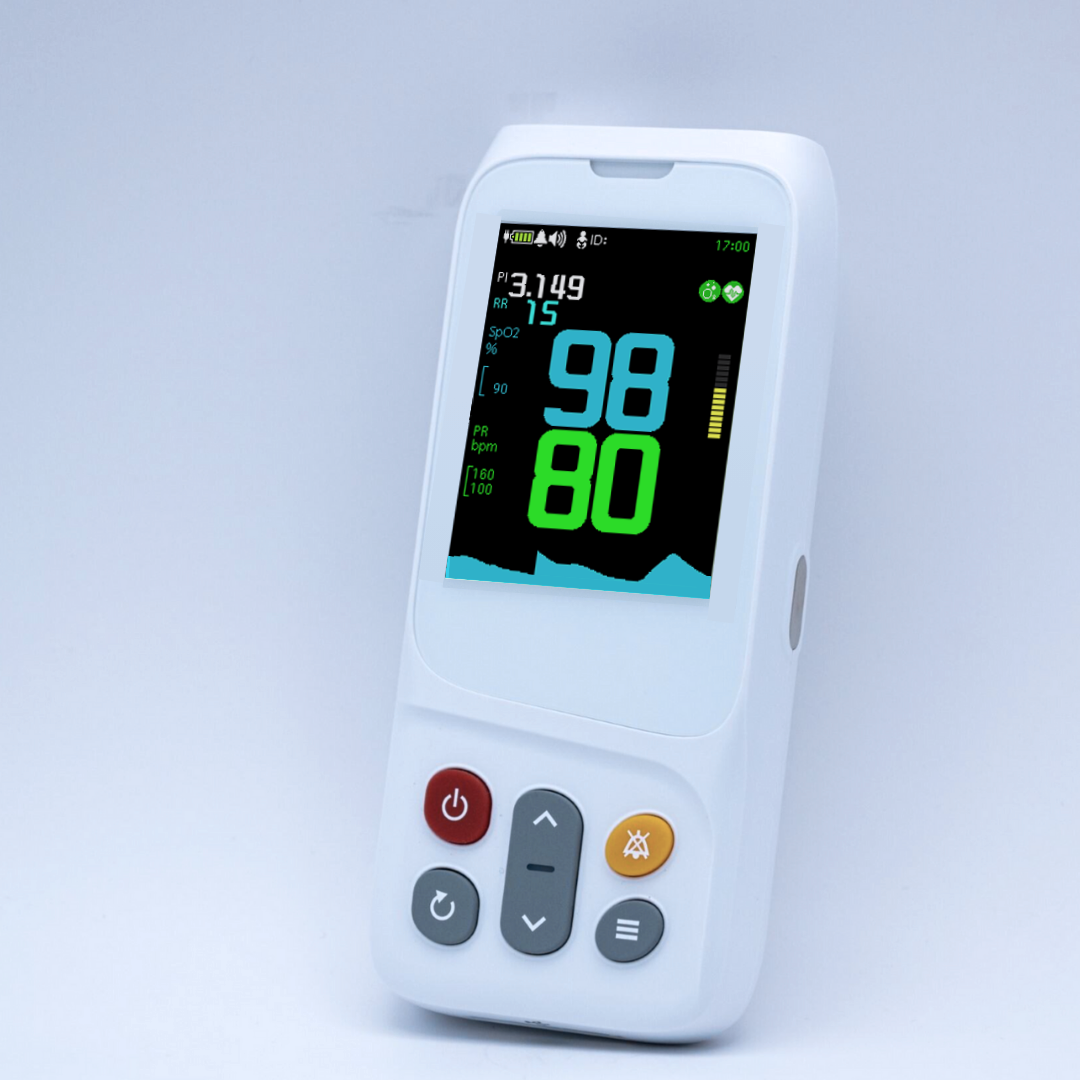
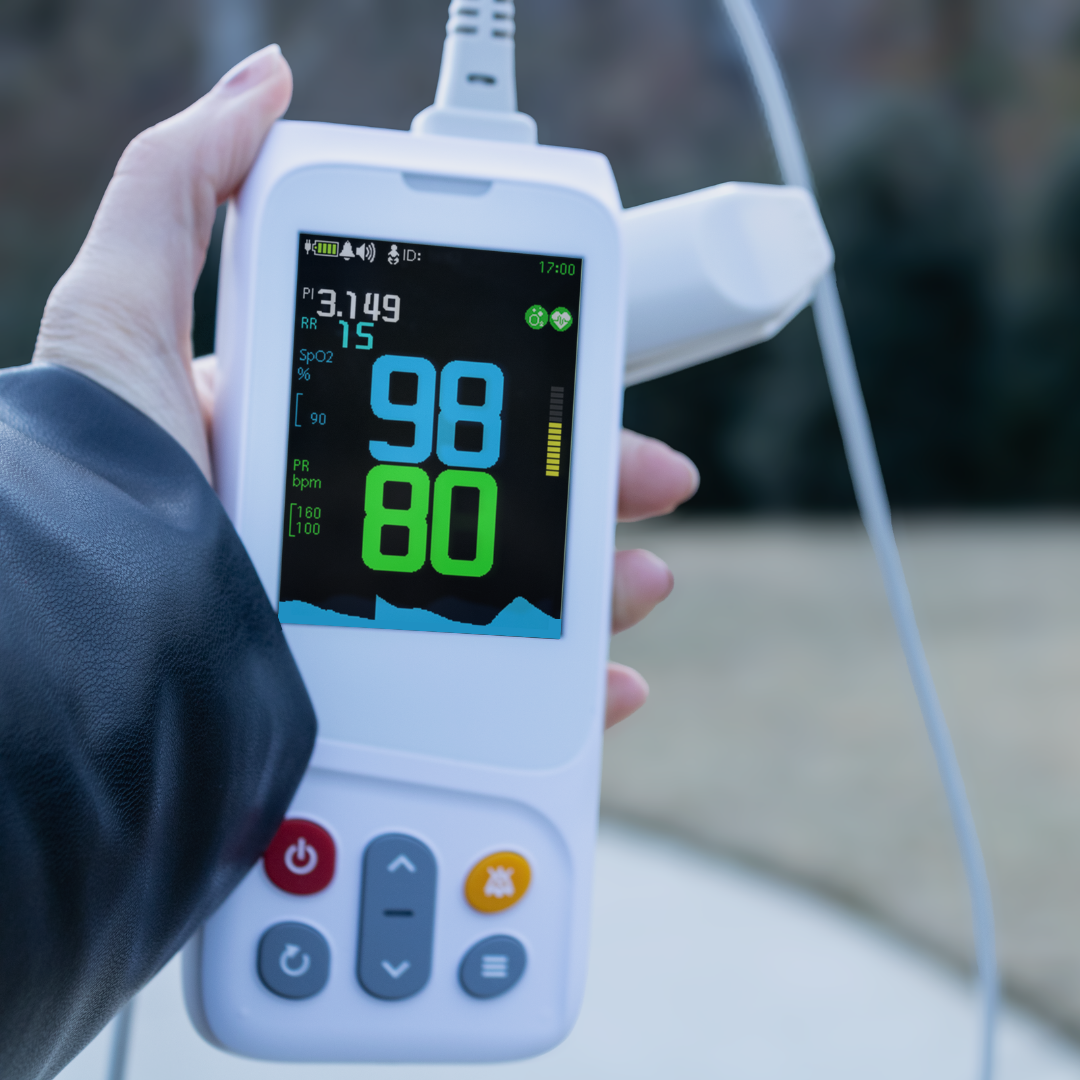
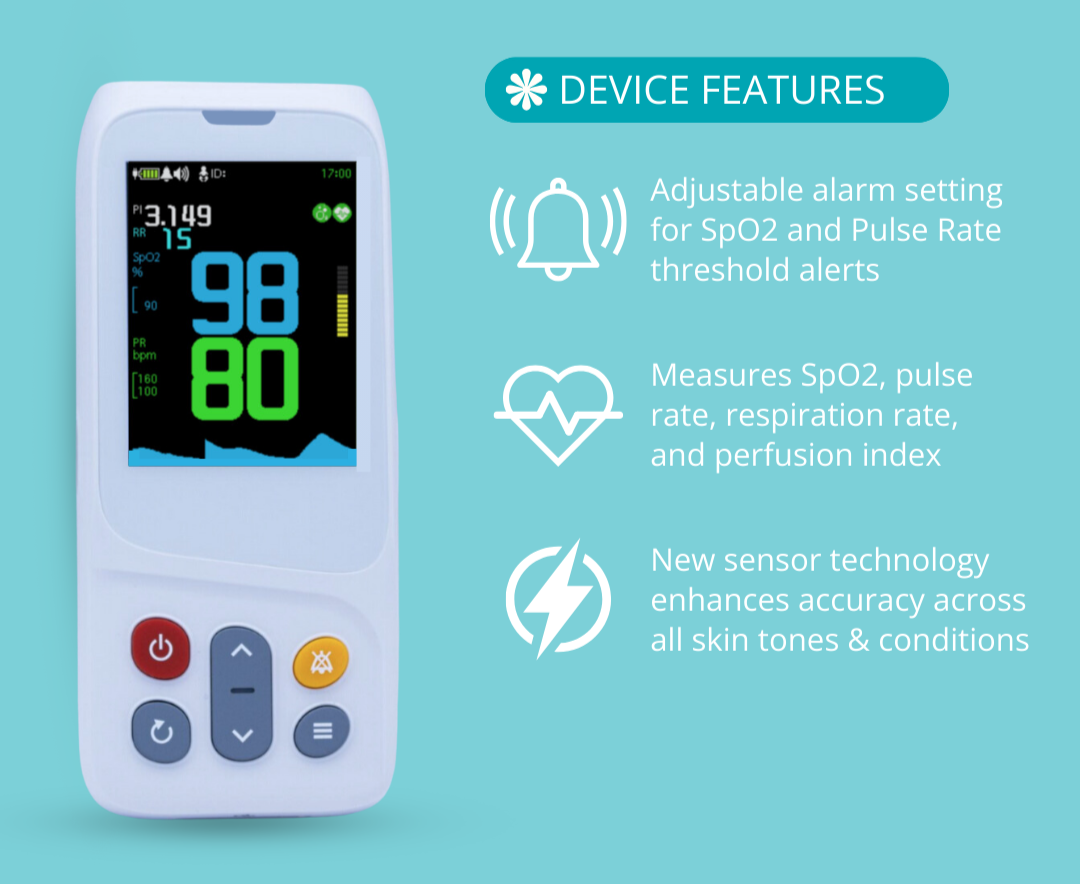
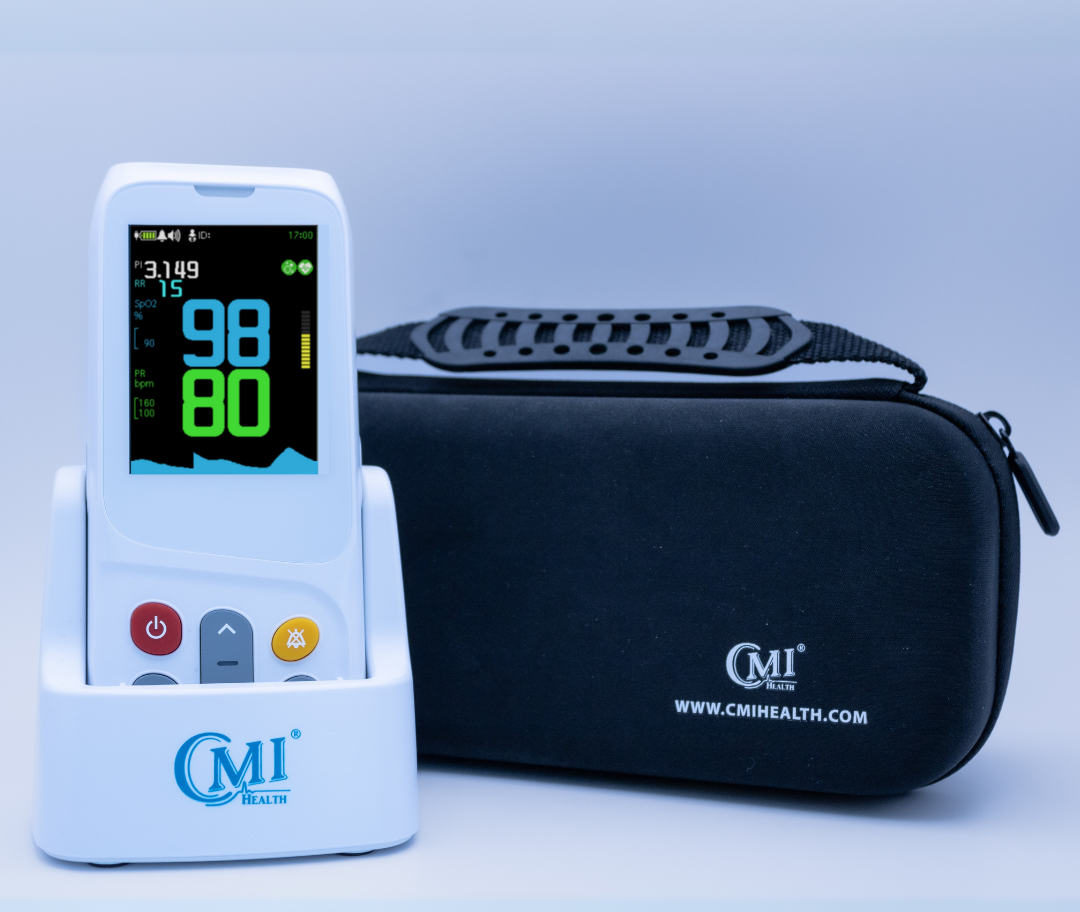
Most modern oximeters—including CMI Health’s handheld and fingertip models—display PI as a percentage. The display range depends on the device: the PC-66L handheld oximeter, for example, shows PI from 0.2% to 20%. In practice, healthy adults showed PI values between 0.3% and 10% in one study of 108 volunteers, with a median of 1.4% and most readings between 0.7% and 3.0% (Lima et al., Crit Care Med, 2002).
Because PI can vary so widely, it’s helpful to view it alongside oxygen saturation and pulse rate values — especially when considering different age groups.
Oxygen Saturation and Pulse Rate by Age
Oxygen saturation (SpO₂) is steady across ages, usually 95–100% in healthy people (MedlinePlus; FDA). It can be somewhat lower in people with lung disease such as COPD and in people living at high altitude, so ask your doctor what range is right for you. Pulse rate, however, changes significantly as children grow.
| Age range | Normal resting SpO₂ | Resting pulse rate (beats per minute) |
|---|---|---|
| Newborn (0–3 months) | 95–100% | 100–160 |
| Infant (4–12 months) | 95–100% | 80–140 |
| Toddler (1–2 years) | 95–100% | 80–130 |
| Preschool (3–5 years) | 95–100% | 80–120 |
| School age (6–10 years) | 95–100% | 70–110 |
| Adolescent (11–14 years) | 95–100% | 60–105 |
| Teen and adult (15–64 years) | 95–100% | 60–100 |
| Older adult (65+) | 95–100% | 60–100 |
Sources: MedlinePlus; FDA; StatPearls/NCBI; Cleveland Clinic; Medscape; NCBI.
Pulse Oximeter PI Normal Range by Age
Like pulse rate, the perfusion index is not a single fixed number. It varies with circulation strength, sensor site, and the individual’s physiology. Research gives solid reference numbers for newborns and healthy adults, but not for every age group, and studies used different devices and sensor sites. The table shows what the studies actually found. That’s why devices capable of measuring PI — such as CMI Health oximeters — are especially valuable for tracking circulation quality at home.
| Age group | PI seen in published studies | Source / note |
|---|---|---|
| Preterm newborns (under 32 weeks), first 3 days | Varies widely; lowest around 12–18 hours after birth, then rises | Alderliesten et al., 2015 (311 infants, foot sensor) |
| Healthy newborns, first 5 days | Median 1.7%; middle half 1.18–2.50%; 90% between 0.70% and 4.50% | Granelli & Östman-Smith, 2007 (10,000 newborns) |
| Infants and children (1 month–17 years) | No widely accepted reference range; depends on device and sensor site | Track your child’s own readings and ask their doctor |
| Healthy adults | 0.3–10%; median 1.4%; middle half 0.7–3.0% | Lima et al., 2002 (108 adults, finger sensor) |
| Older adults (65+) | No separate reference range in these studies | Use your own baseline and your doctor’s advice |
Sources: Alderliesten et al., Neonatology; Granelli & Östman-Smith, Acta Paediatrica; Lima et al., Crit Care Med
Because PI depends on many factors — including circulation strength and sensor placement — these values are best understood as general ranges rather than strict cut-offs. Each person should establish their own normal PI percentage with a doctor to understand what’s typical for them.
Parents looking for more detailed information about newborn and infant oxygen saturation levels can read our guide on what oxygen levels are normal for babies.
How to Interpret Your Readings
- SpO₂ (oxygen saturation): Should stay in the 95–100% range for most healthy people (MedlinePlus).
- Pulse rate: Depends on age — what’s “fast” for an adult may be normal for an infant.
- Perfusion index (PI): A helpful indicator of circulation quality. If PI is consistently very low at one site (much lower than your usual reading), try warming your hand or moving the sensor.
For the most dependable reading, the FDA recommends a warm, relaxed hand held below heart level, no nail polish on that finger, staying still, and waiting until the number stops changing. Poor circulation, skin temperature, skin pigmentation, skin thickness and tobacco use can all affect accuracy.
The best way to use PI is to establish your own normal PI percentage and watch for trends over time. For a full breakdown of typical values, see our pulse oximeter readings chart.
Why Perfusion Index Matters
PI is especially useful because it gives context to your oxygen saturation reading:
- Healthy SpO₂ + strong PI = reliable reading
- Healthy SpO₂ + very low PI = circulation may be limiting accuracy
- Tracking PI trends helps identify meaningful changes
When to Call a Doctor
A home oximeter reading is one piece of information, not a diagnosis. MedlinePlus advises (source):
- Contact your provider if your oxygen saturation is 92% or lower.
- Seek immediate medical attention if it falls to 88% or lower.
- Watch for signs of low oxygen even when the number looks fine: lips, nails or face that look bluish; trouble breathing or shortness of breath; chest pain or tightness; or a fast heart rate.
The FDA also recommends keeping track of symptoms and how you feel, and contacting a health care provider if you are concerned about a reading or your symptoms are serious or getting worse. If you have COPD or another lung condition, your doctor may give you a different target range.
For a baby or child, follow the alert levels and instructions from your child’s doctor, and call them whenever you are worried. A low PI by itself usually points to the sensor or circulation at that spot, so check the fit and warmth first, and then look at SpO₂ and how your child is breathing.
Using CMI Health Devices

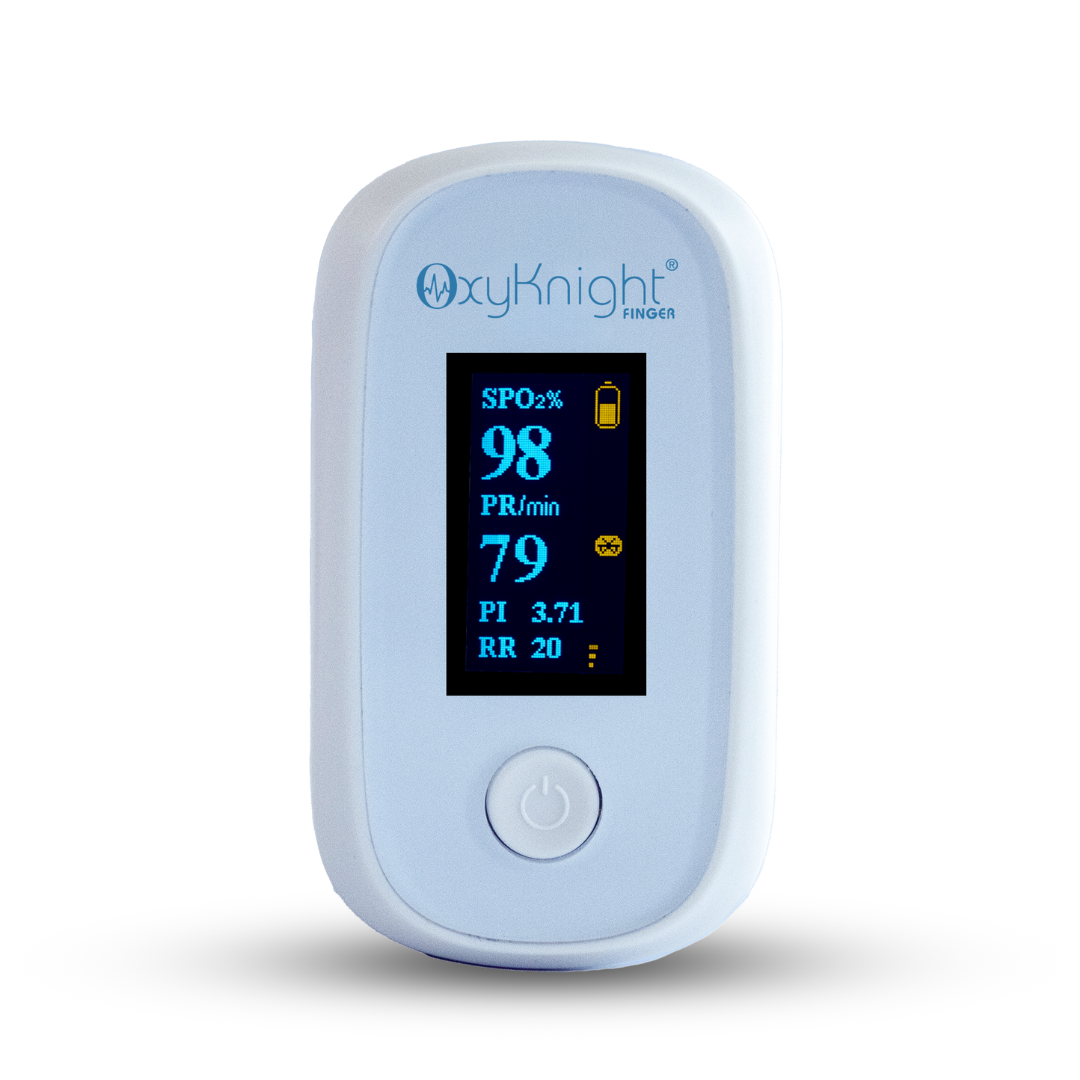
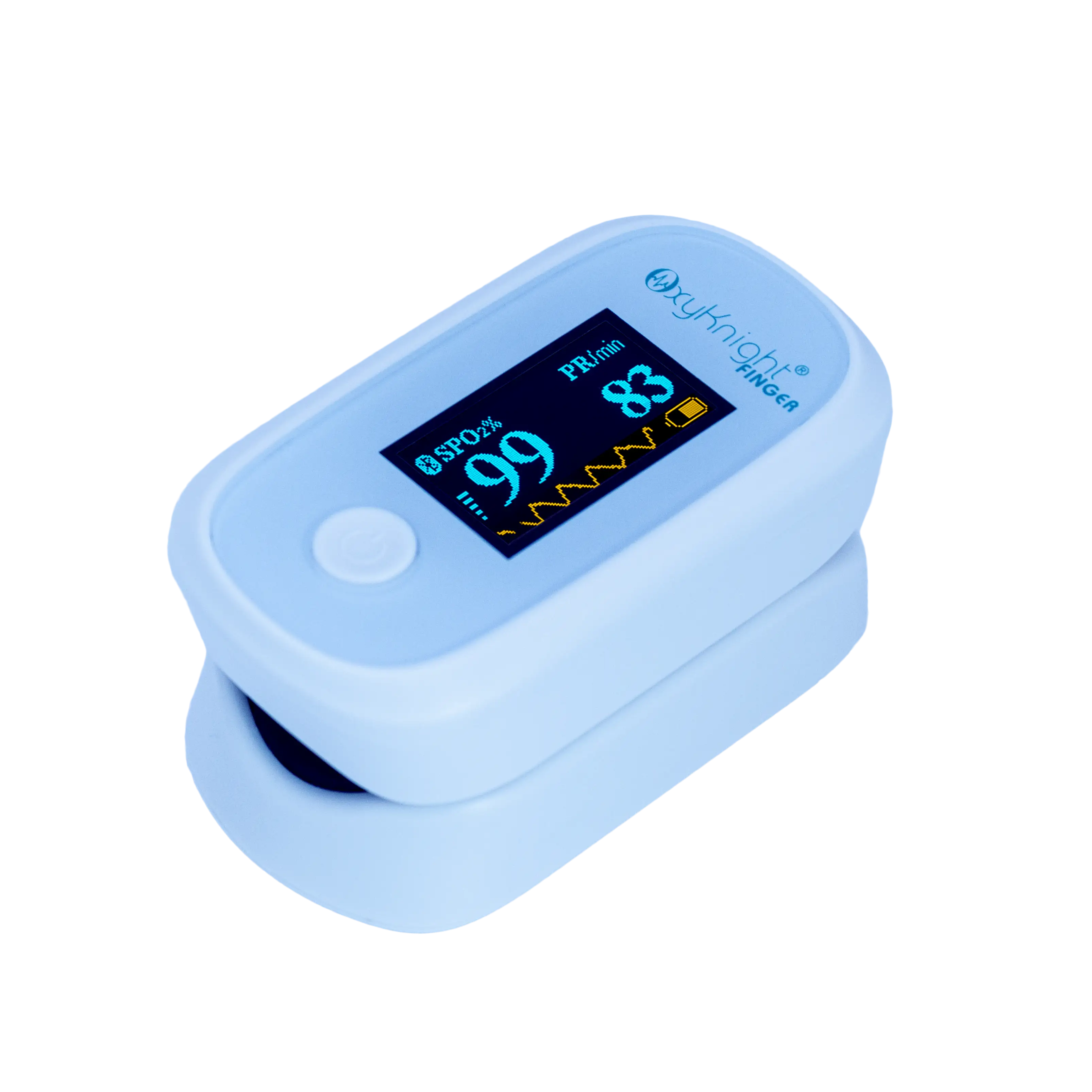
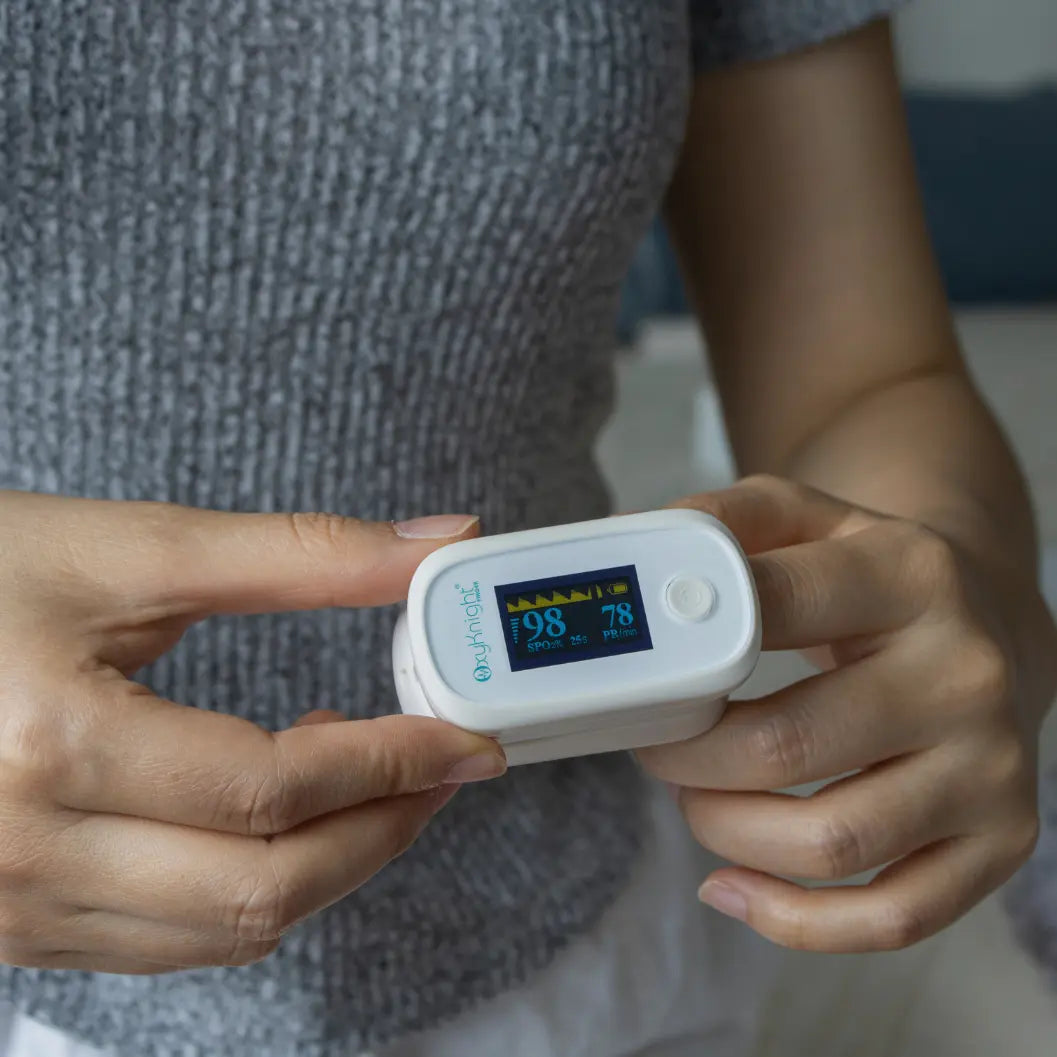
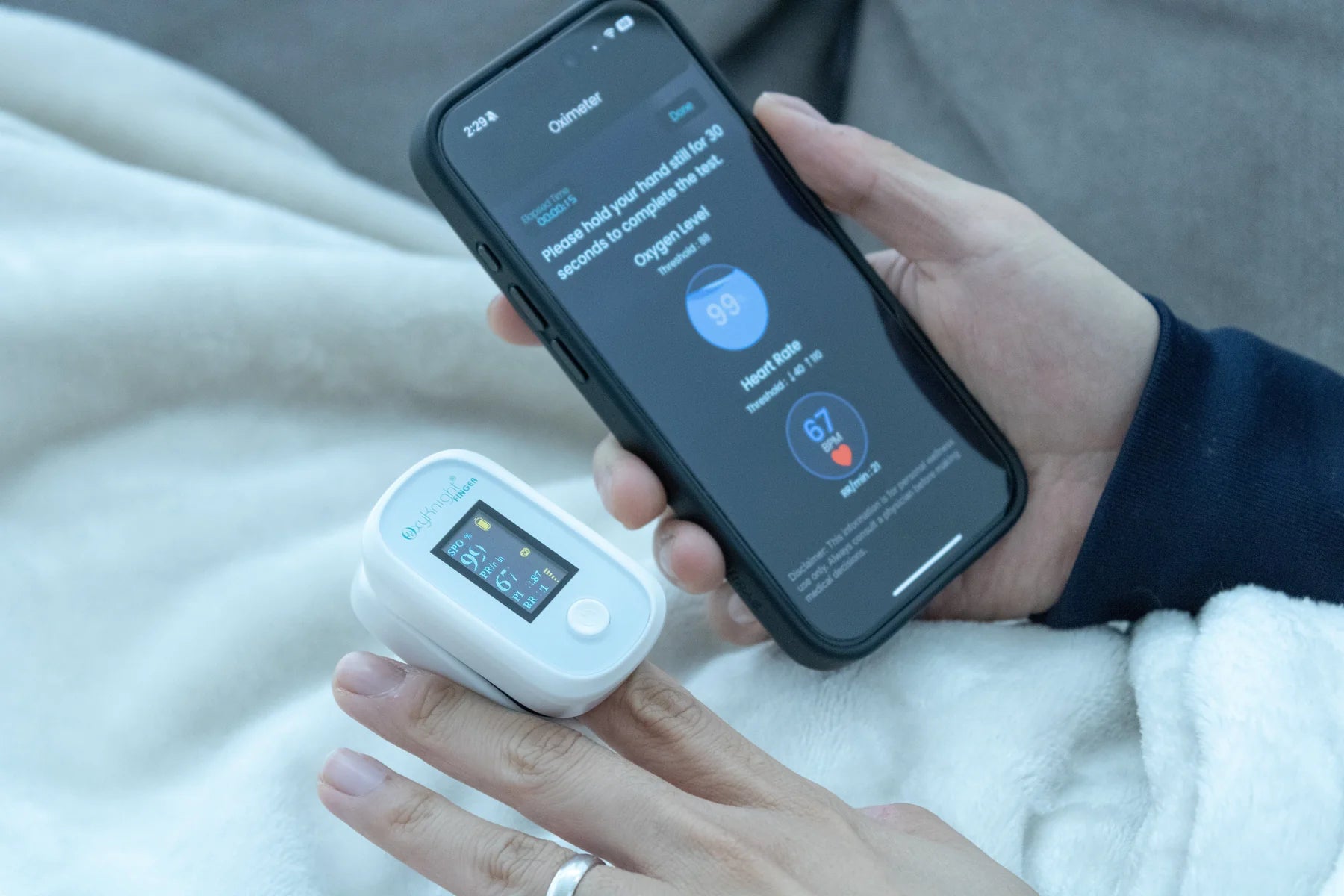
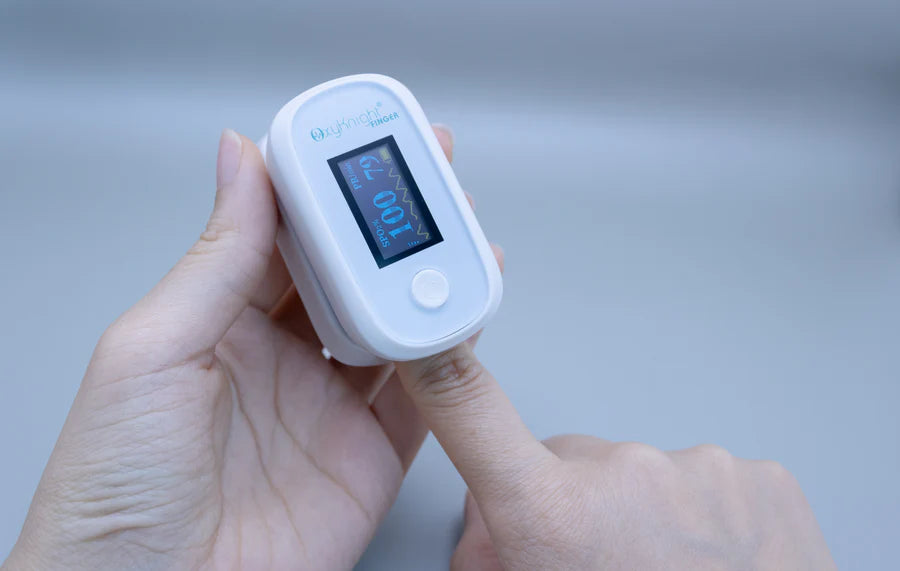
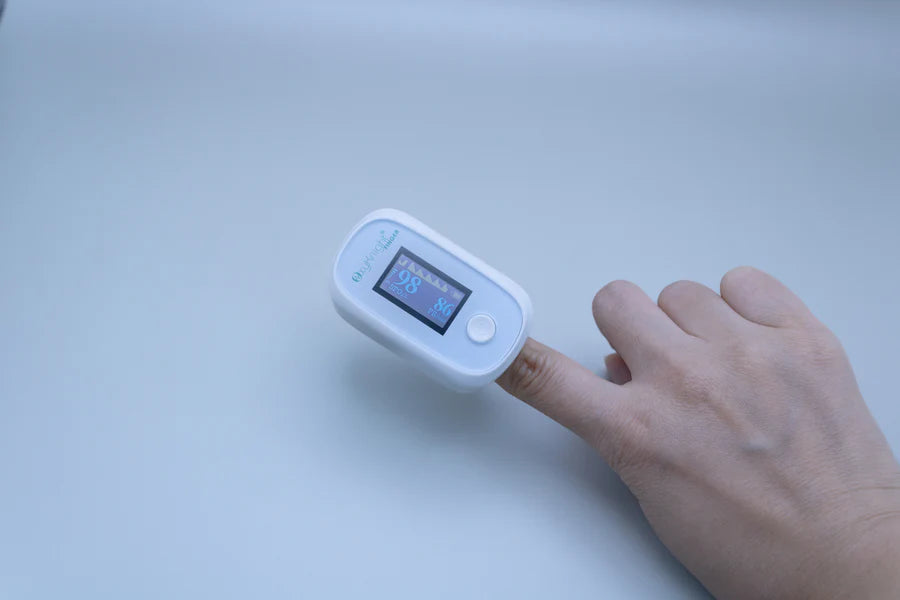
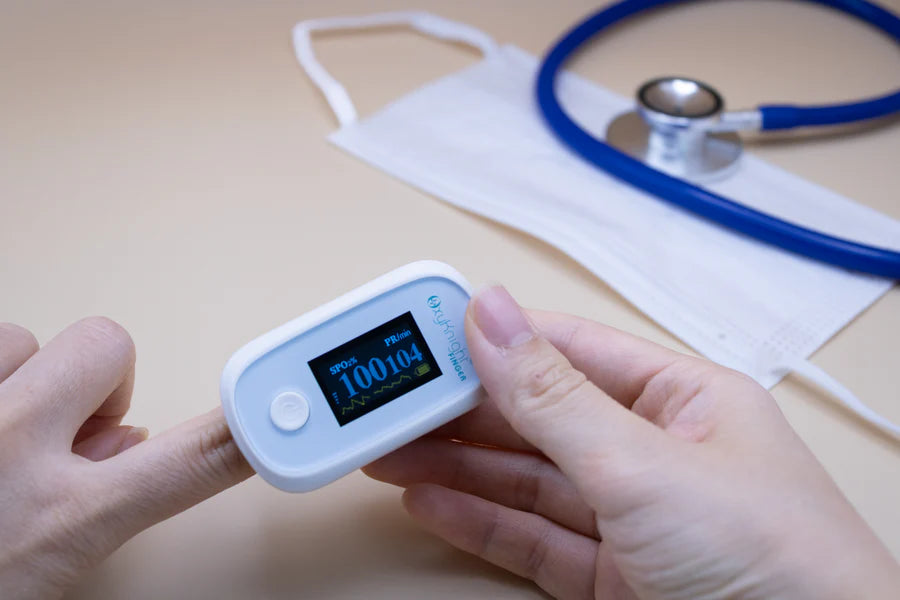
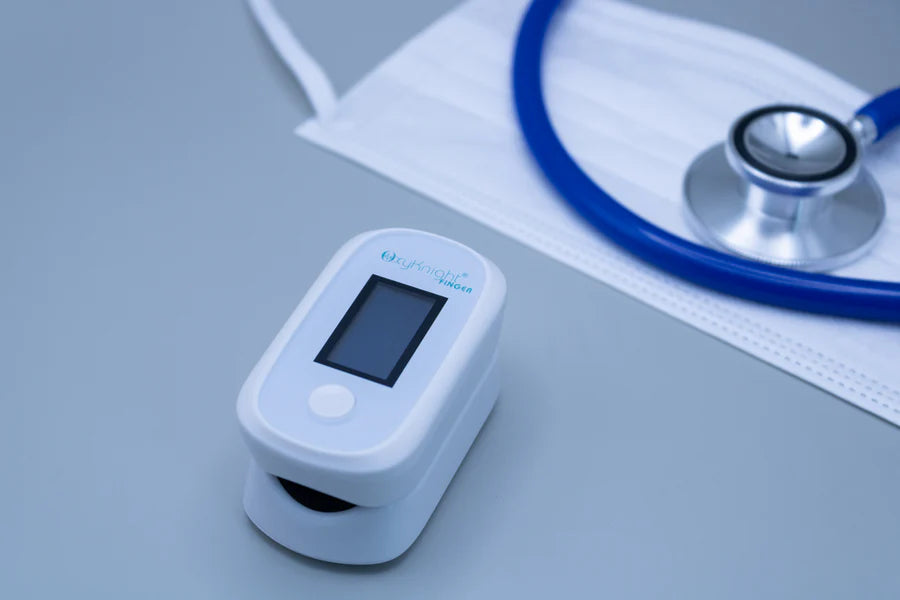
CMI Health’s OxyKnight Fingertip Pulse Oximeter
If you’re interested in readings for not only your oxygen saturation and pulse rate but also your perfusion index, CMI Health offers several options:
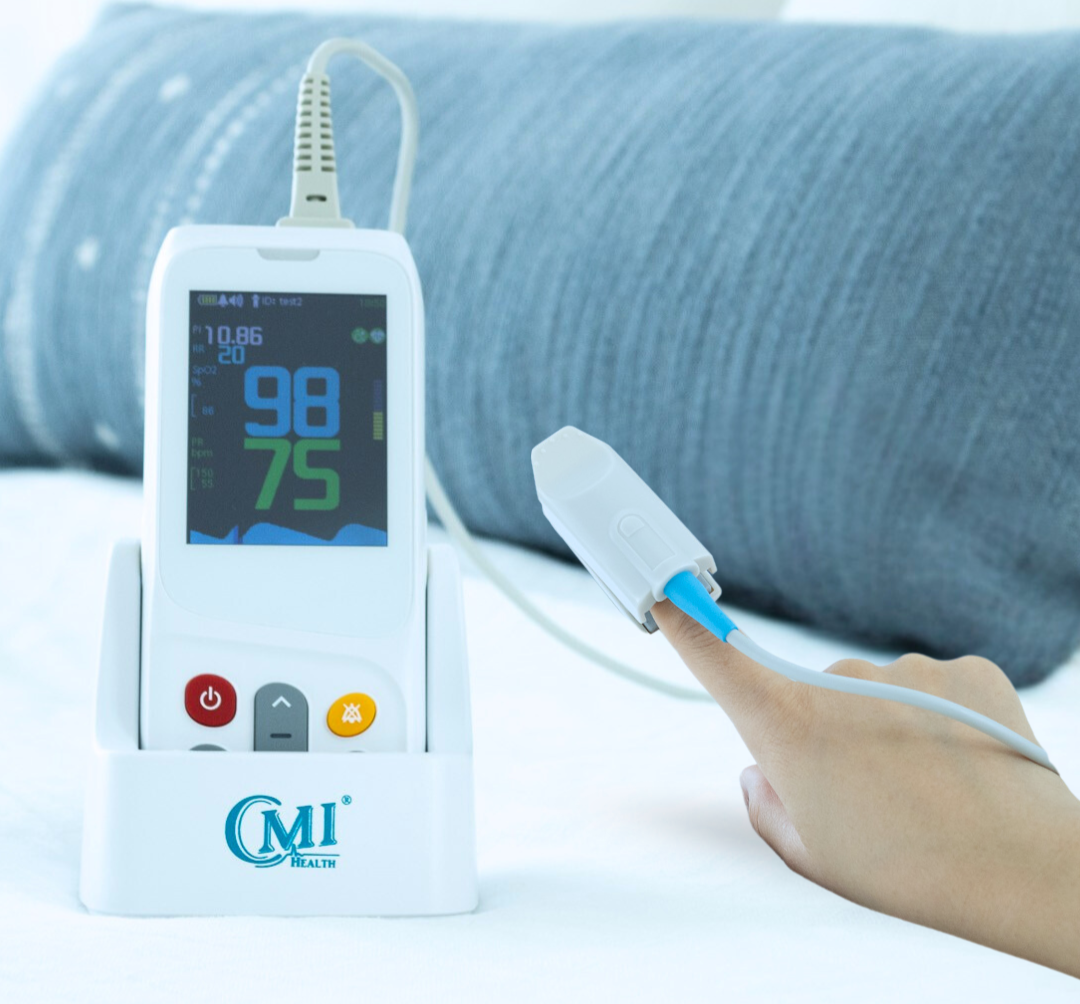
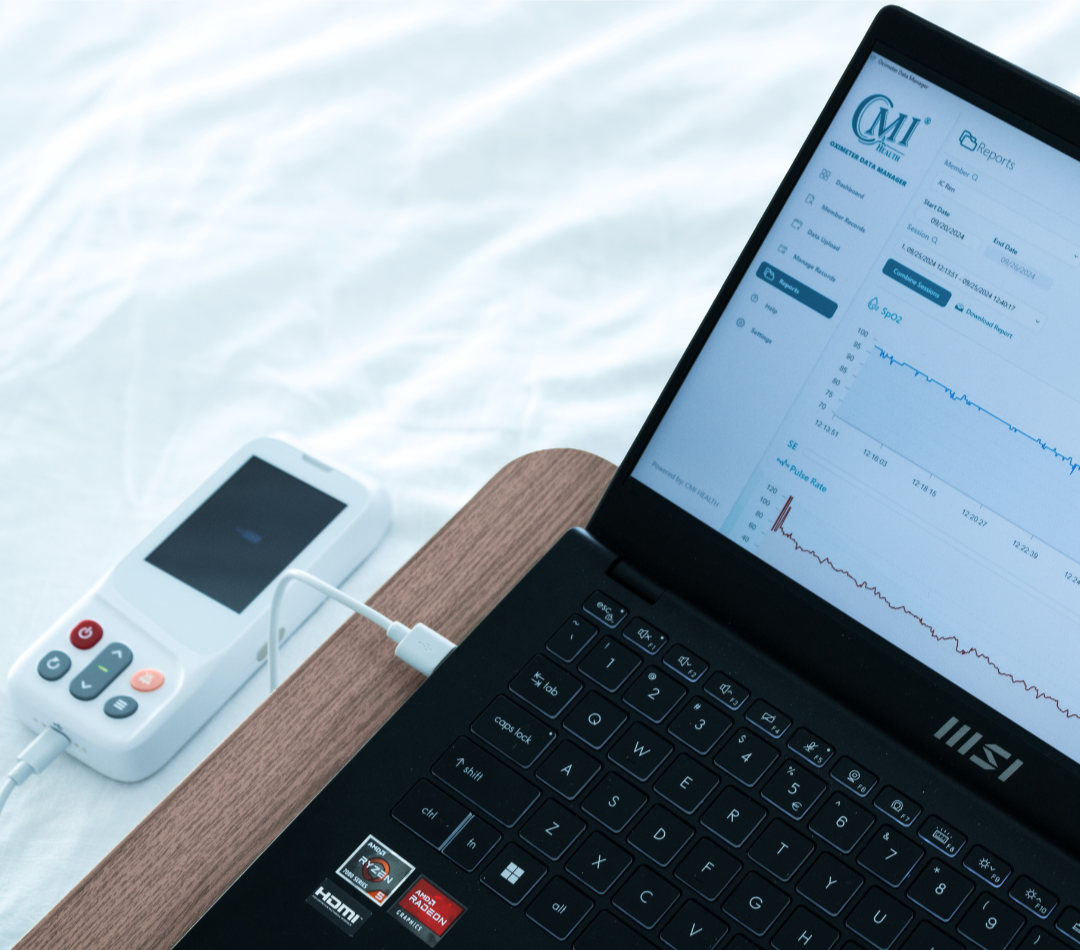
- Handheld Pulse Oximeters — versatile, accurate, and recommended for spot checks or continuous overnight use.
- Portable Fingertip Oximeters — compact devices that display SpO₂, pulse rate, and PI in seconds.
- Interchangeable sensors designed for adults, pediatrics, and even neonates, so you can match the sensor to the person using it.
Ready to start tracking your own readings? Browse CMI Health’s full range of pulse oximeters. Not sure which one fits? Contact us at info@cmihealth.com or 888-985-1125.
Monitoring a Baby or Child?
Children need a sensor that fits. Both bundles below pair the rechargeable PC-66L handheld oximeter, which shows SpO₂, pulse rate and PI, with a child-sized sensor:
- PC-66L with Infant Sensor: a soft, latex-free foot wrap designed for infants and toddlers under 25 lbs and 18 months of age.
- PC-66L with Pediatric Sensor: a soft silicone finger sensor for most children ages 4 to 12 who weigh 33–88 lbs.
Both include an adjustable audible alarm. Ask your child’s doctor which readings and alarm settings are right for your child. Between sizes? Email info@cmihealth.com or call 888-985-1125 and we’ll help you choose.
Key Takeaways: Perfusion Index (PI) by Age
- Oxygen saturation is stable across all age groups, usually 95–100% (MedlinePlus).
- Pulse rate varies widely by age, from 100–160 bpm in newborns to 60–100 bpm in adults.
- Perfusion Index (PI) varies widely from person to person and site to site. Studies give reference values for newborns (median 1.7%) and healthy adults (median 1.4%), but not for every age.
- The best way to use PI is to establish your own normal PI percentage and track it over time.
- Having a device that measures SpO₂, pulse rate, and PI — like CMI Health’s oximeters — gives you more context for each reading.
Frequently Asked Questions
What is PI on an oximeter?
PI stands for perfusion index. Perfusion Index is the ratio of pulsatile blood flow to non-pulsatile blood flow at the sensor site — essentially, how strong your pulse signal is where the oximeter is clipped on (finger, earlobe, or forehead). A higher PI means a stronger pulse signal; a lower PI means a weaker one, often from reduced circulation, cold hands, or sensor placement.
What is a normal PI?
There is no single normal number. In one study, healthy adults ranged from 0.3% to 10%, with a median of 1.4% (Lima et al.); in 10,000 healthy newborns the median was 1.7% (Granelli & Östman-Smith). Because PI varies with circulation strength and sensor site, it's best treated as a general range rather than a strict cutoff — each person should establish their own baseline with a doctor.
Does the normal PI range change by age?
Reference values differ between newborns and adults, but there are no widely accepted ranges for every age group. Oxygen saturation stays fairly constant (95–100%) across all ages, but pulse rate and PI both shift as people grow.
What does low PI mean?
A consistently low PI (much lower than your usual reading) at one site often signals weaker circulation at that specific spot rather than a health problem — try warming your hand or moving the sensor to a different location before assuming anything is wrong. If SpO₂ is also low or you have symptoms, see When to Call a Doctor above.
Is a low PI dangerous?
Not necessarily. Low PI mainly affects the reliability of the reading. A healthy SpO₂ paired with a very low PI means circulation at the sensor site may be limiting accuracy, so the number is worth double-checking rather than a definite health concern on its own.
What's a normal oxygen saturation (SpO₂) range?
Between 95% and 100% for most healthy people (MedlinePlus). It can be somewhat lower with lung disease or at high altitude.
Why does pulse rate vary so much by age if oxygen levels don't?
Oxygen saturation is regulated fairly consistently across the body regardless of age, but resting pulse rate depends on heart size, metabolic rate, and cardiovascular development — all of which change significantly from infancy through adulthood.
How can I use PI readings to understand my health at home?
Track your own PI over time rather than comparing to a single fixed number. Watching for consistent trends — rather than one-off readings — is the most useful way to catch meaningful circulation changes, using a device that measures SpO₂, pulse rate, and PI together.
📌 Browse CMI Health pulse oximeters to find devices that measure SpO₂, pulse rate, and perfusion index.
📌 Parents: see our guide to normal oxygen levels for babies.




Leave a comment