



Understanding Pulse Oximeter Metrics: What Your OxyKnight® Fingertip Oximeter Readings Mean

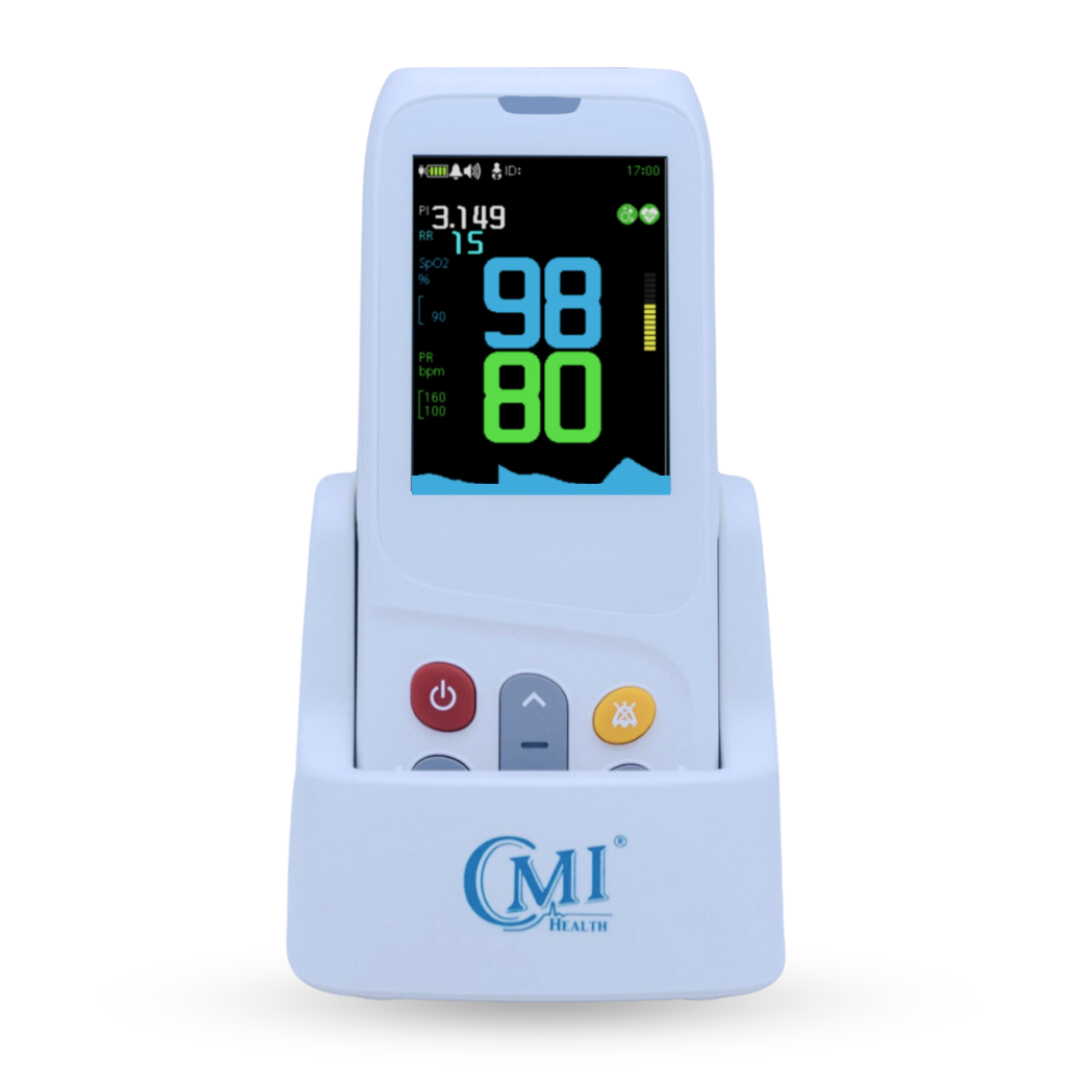
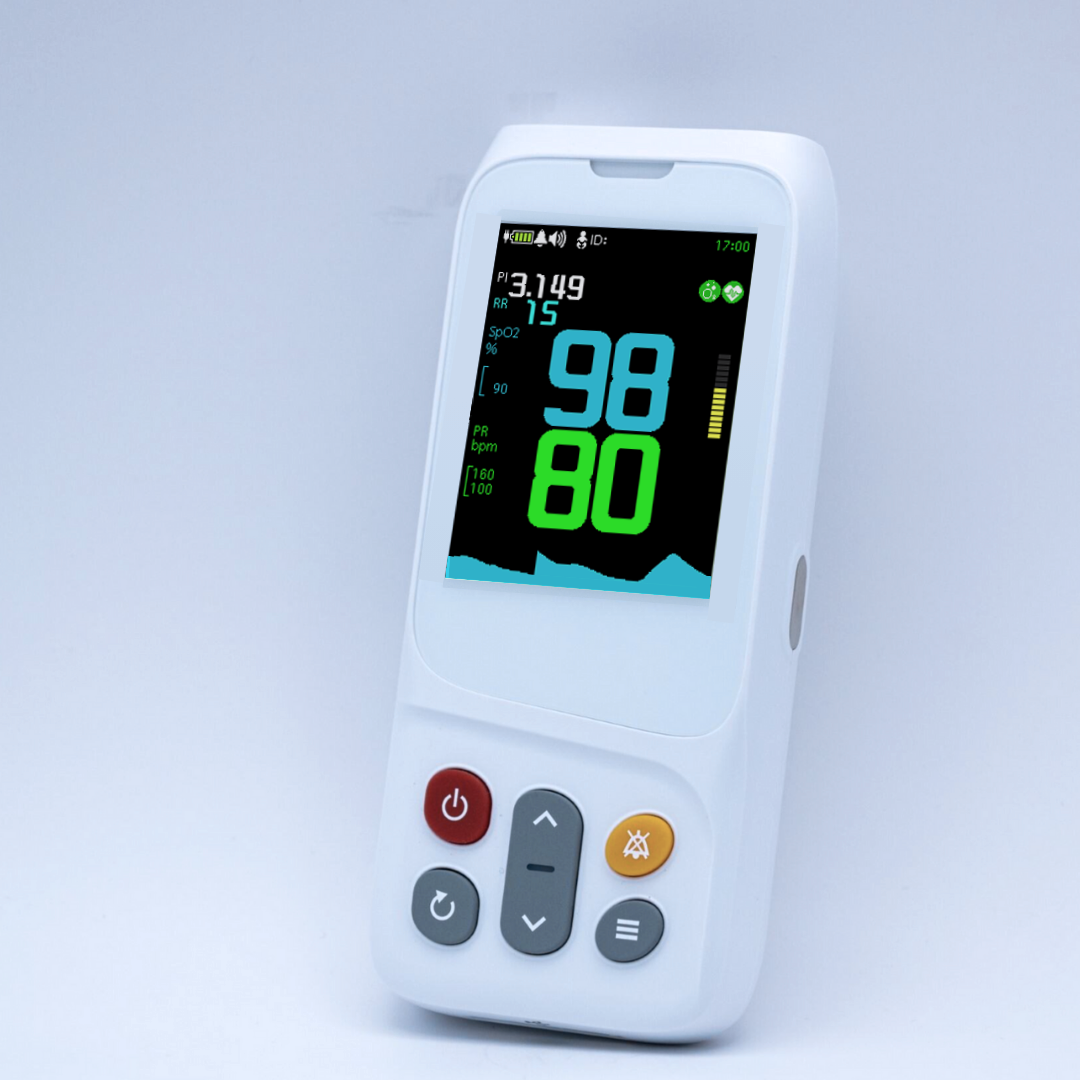
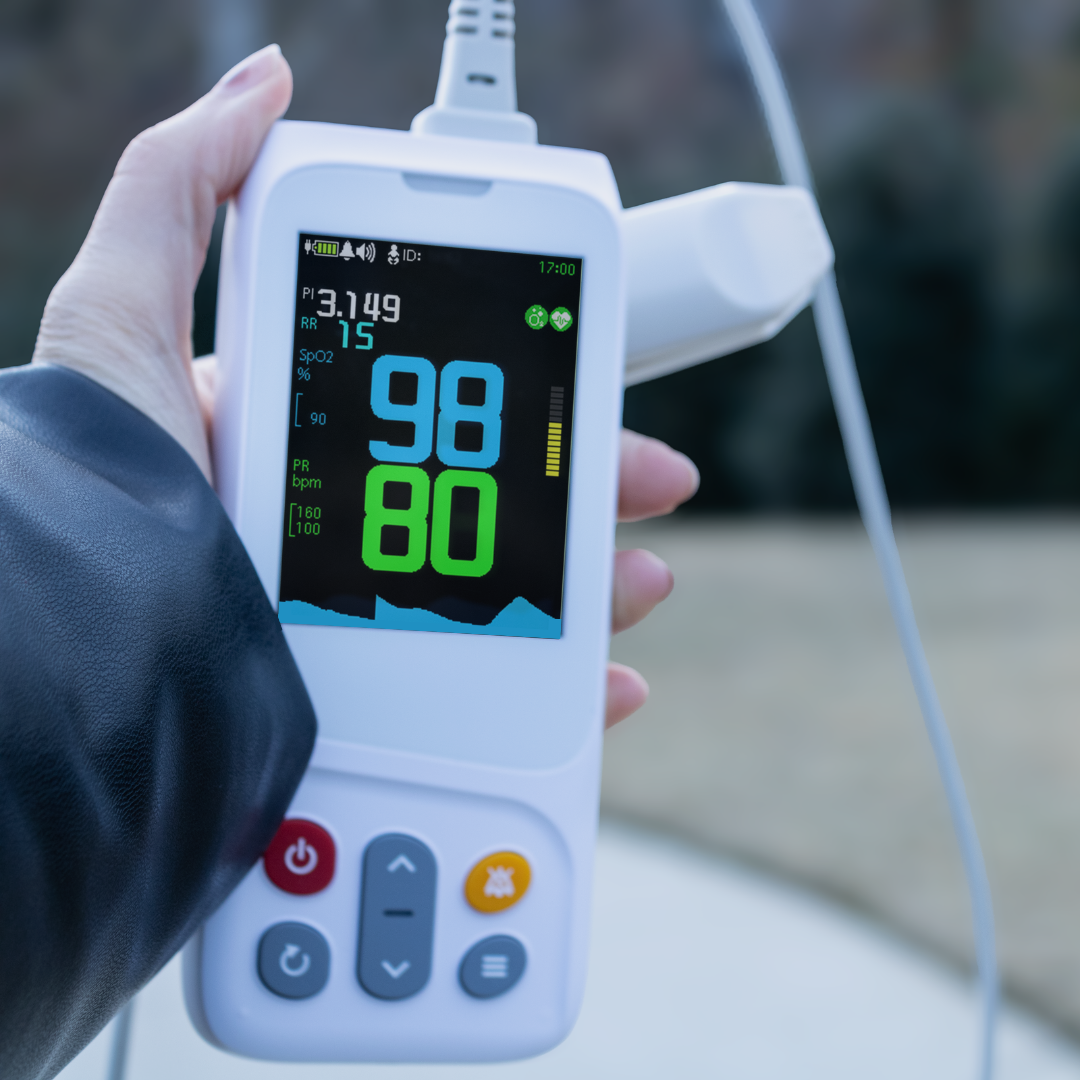
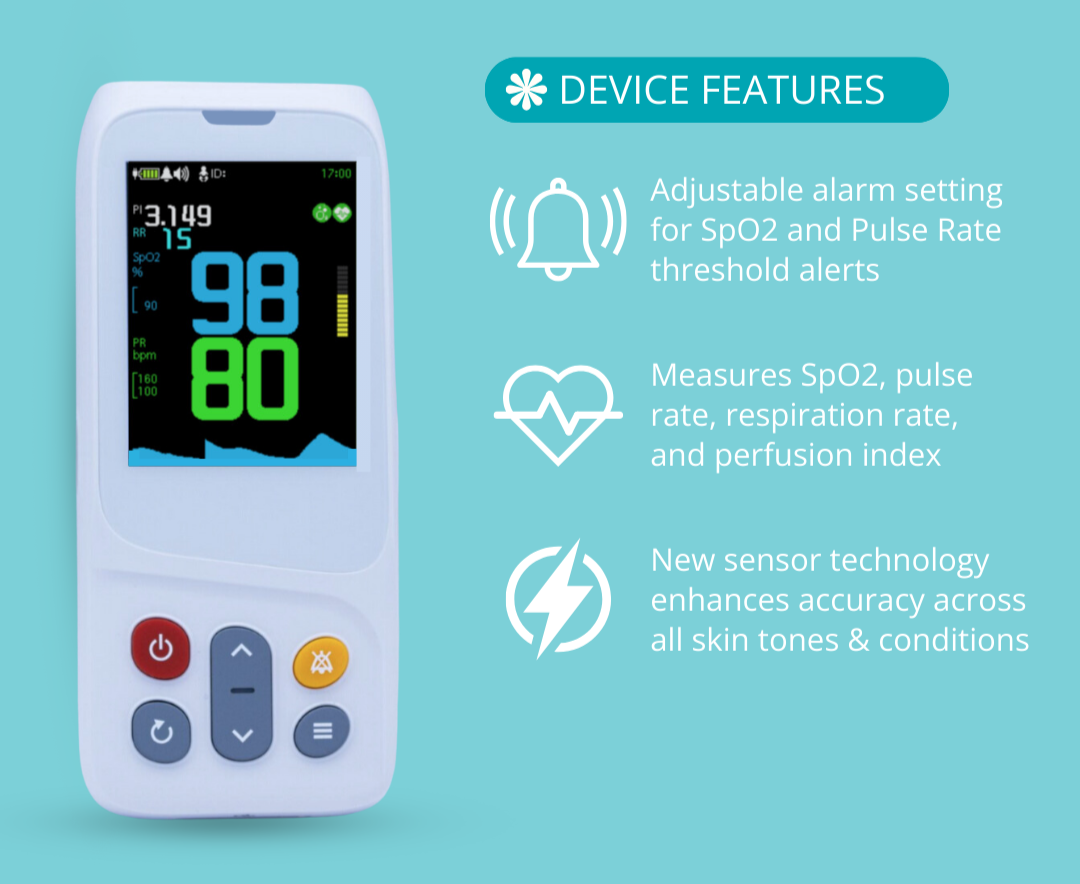
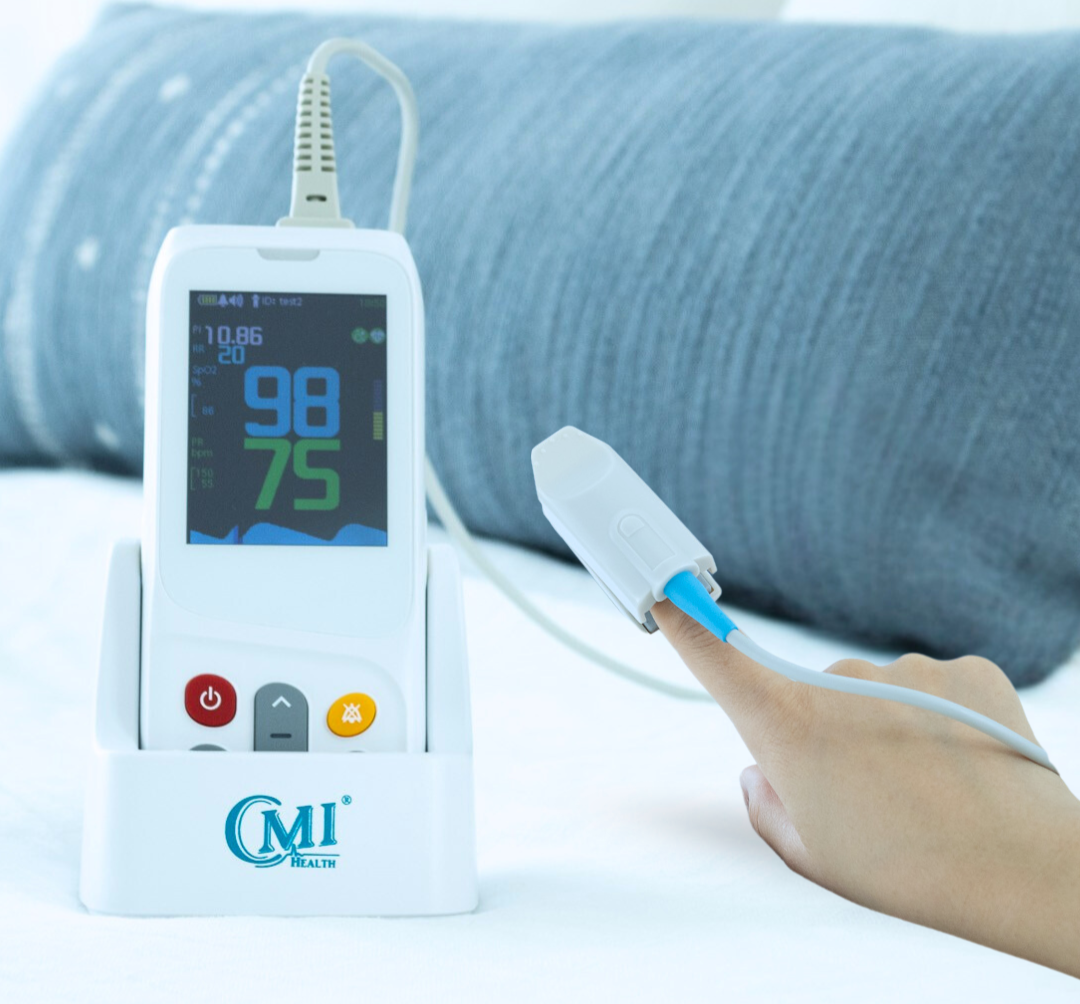
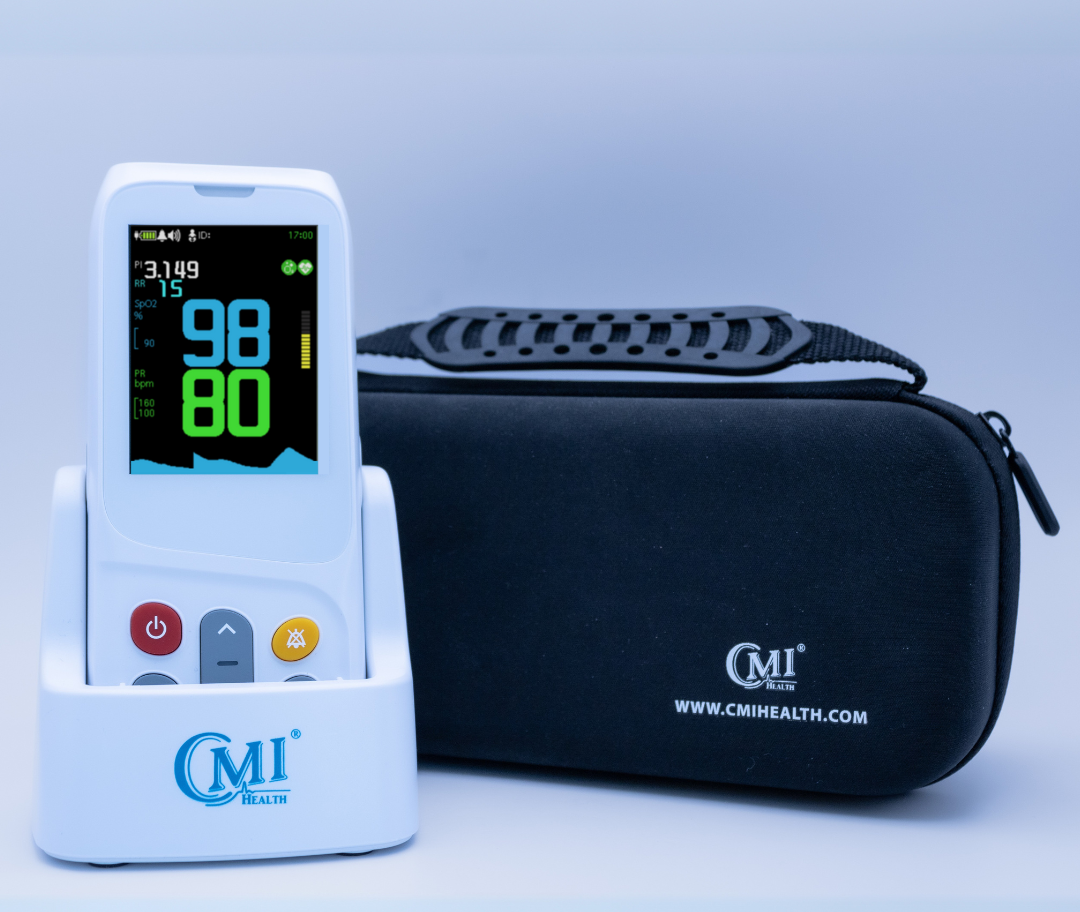
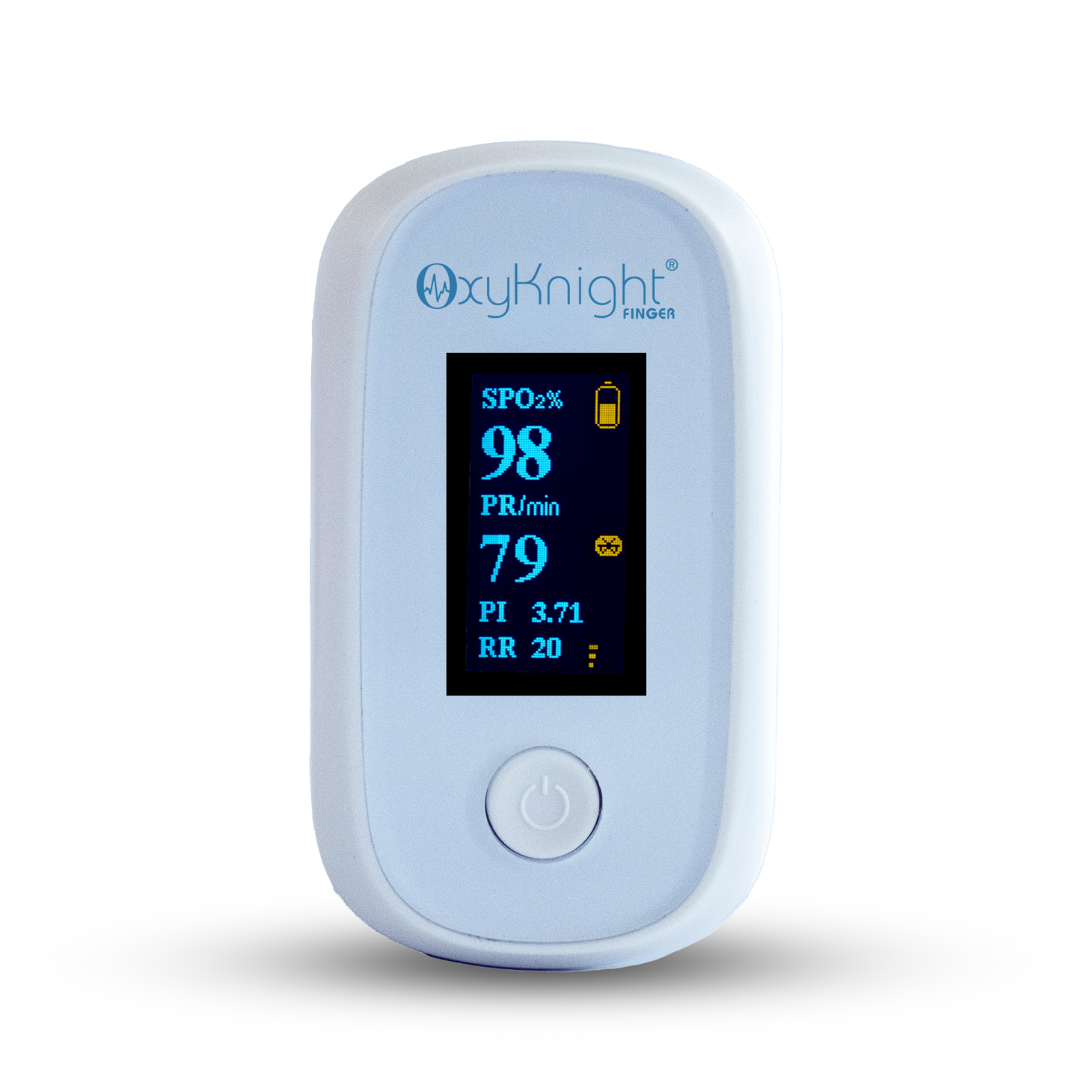
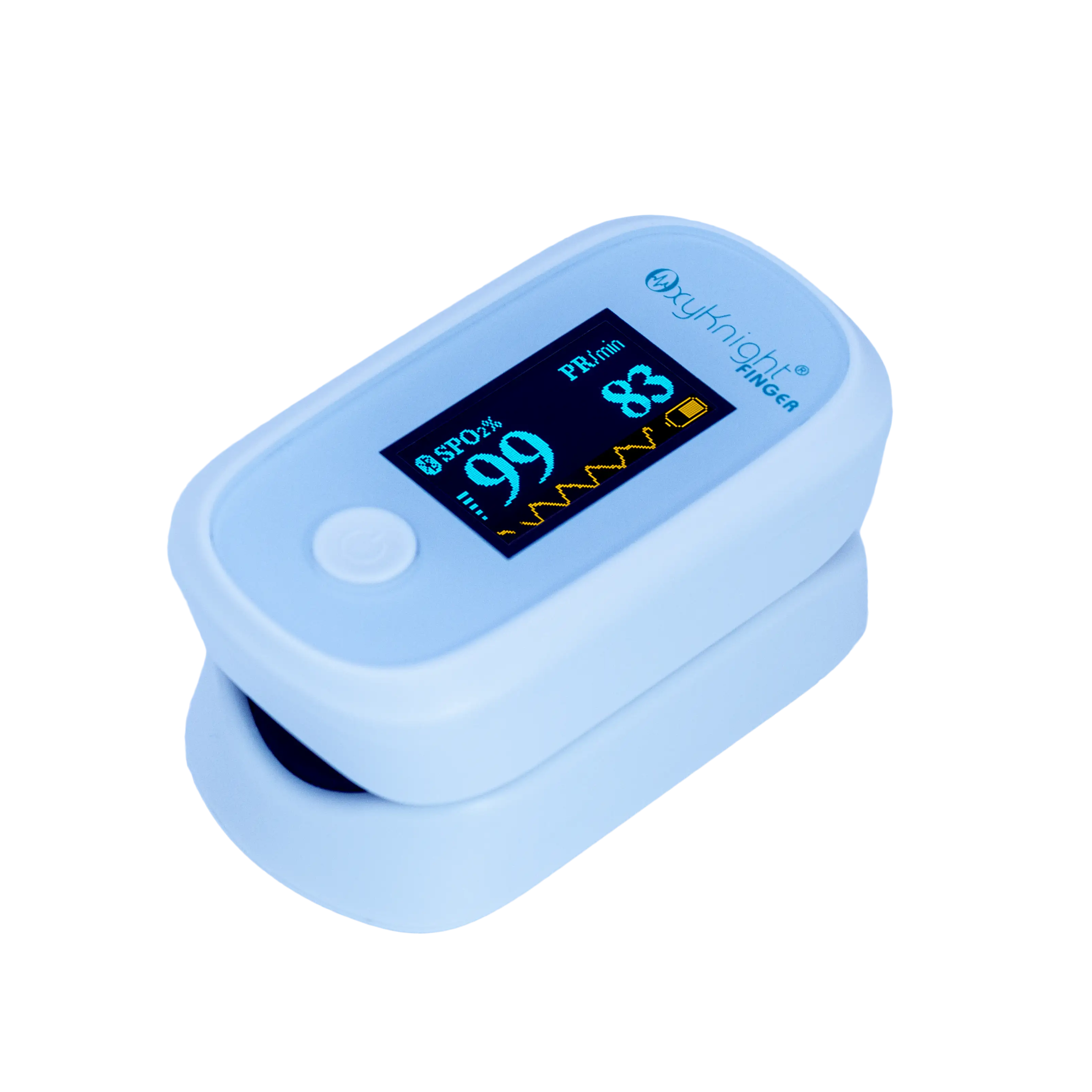
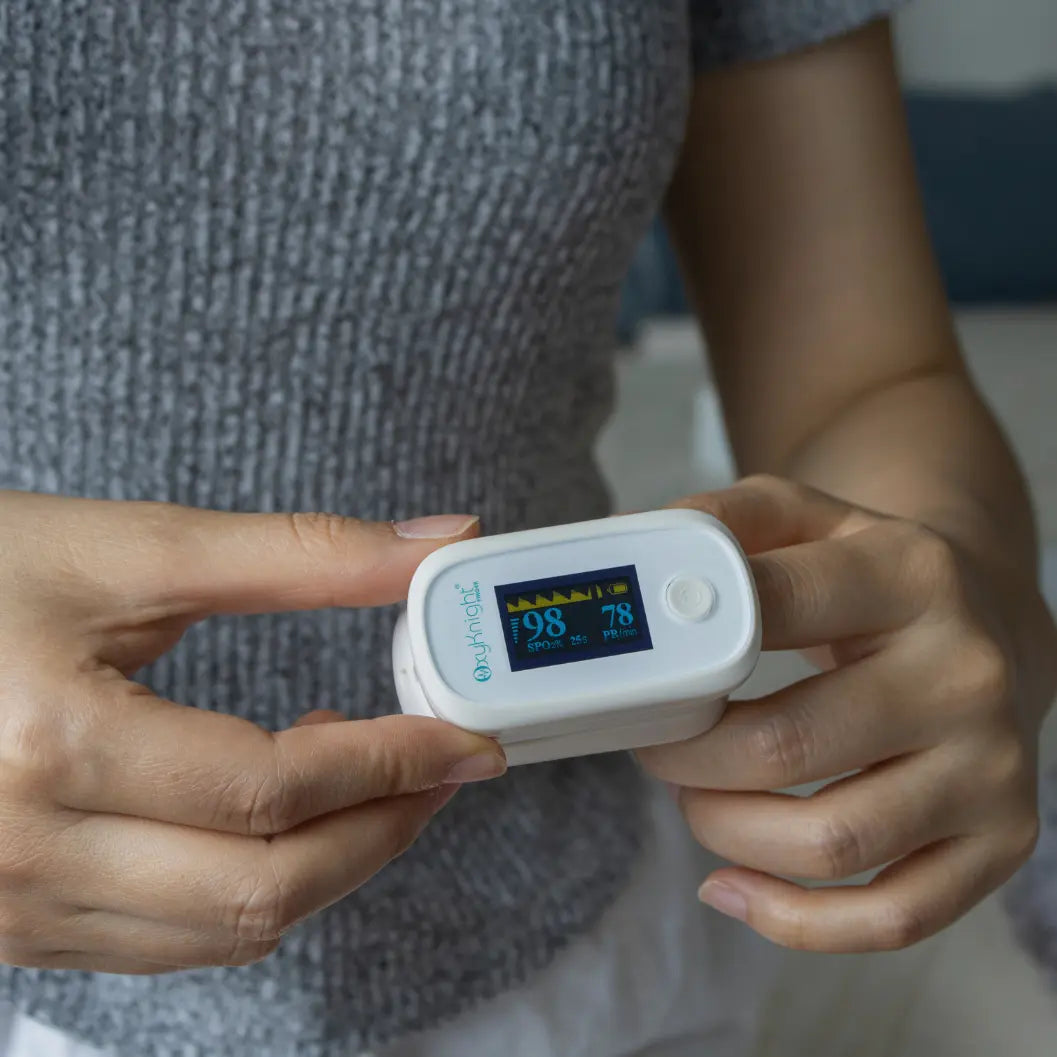
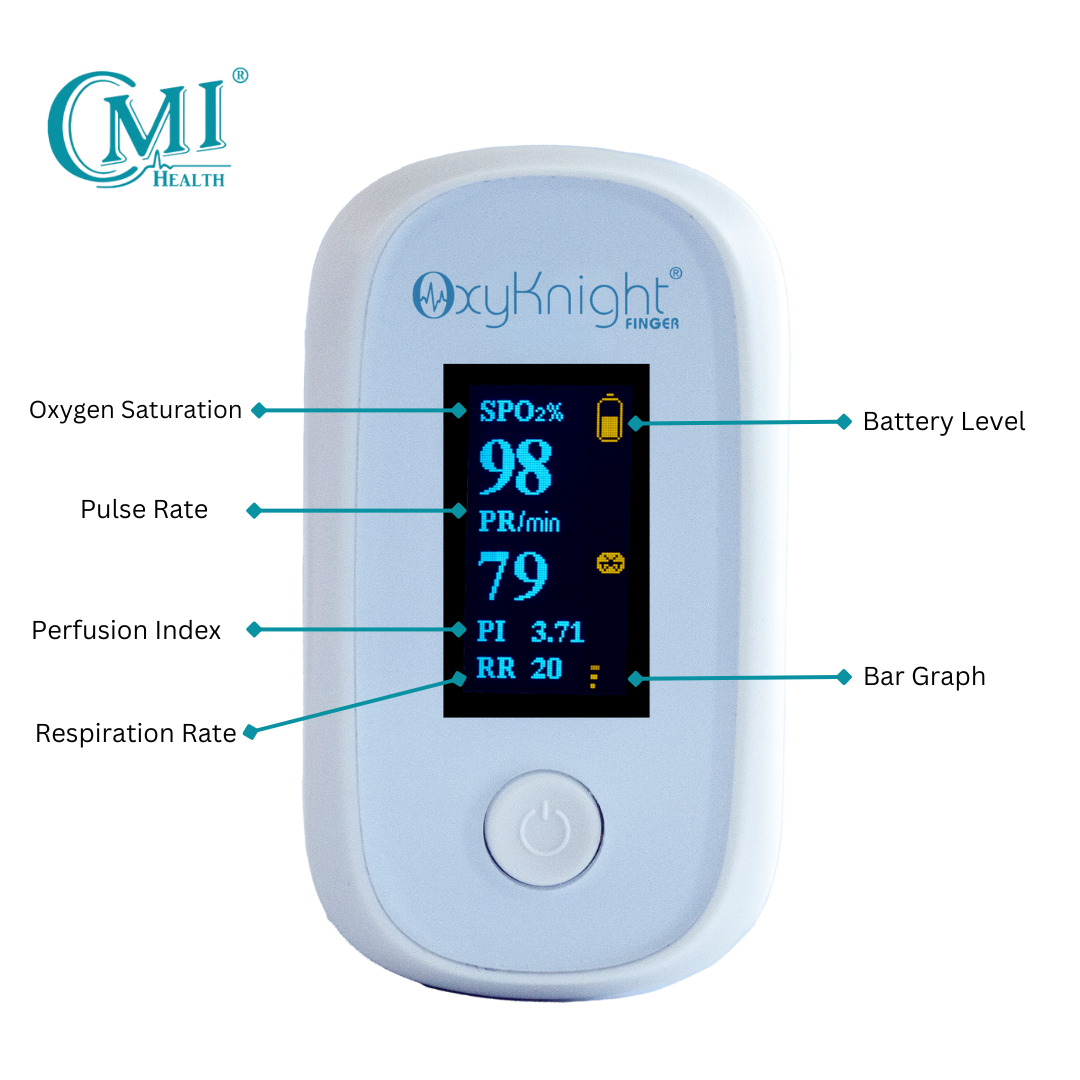
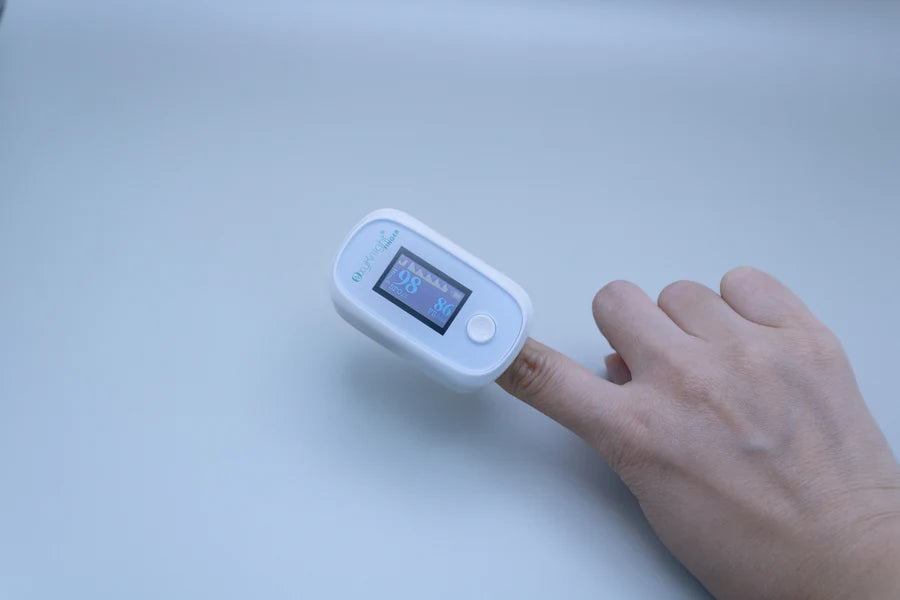
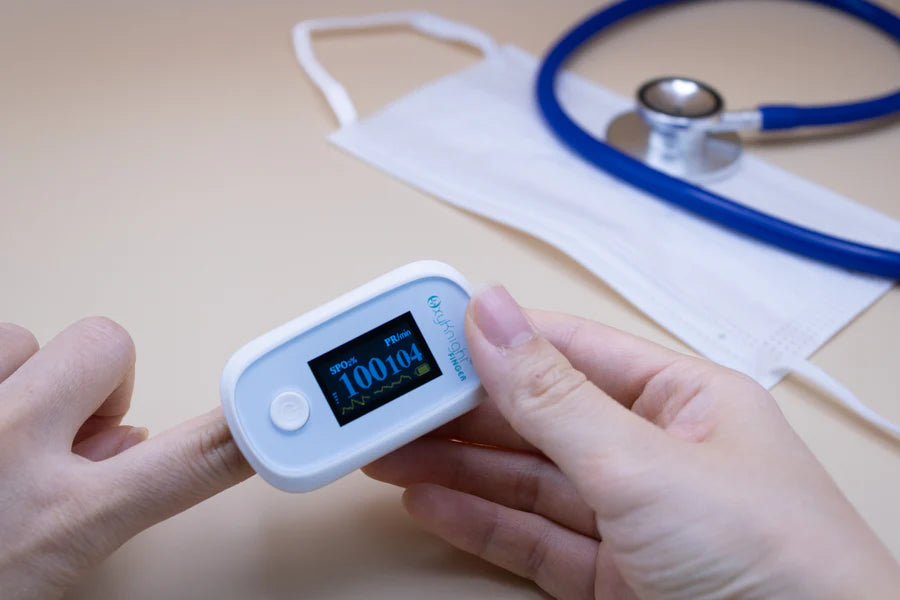
The OxyKnight® Fingertip Pulse Oximeter swiftly assesses blood oxygen levels and pulse rate, aiding in the early detection of certain health issues. Along with blood oxygen (SpO2), pulse rate, and perfusion index (PI) measurements, this device has the unique ability to monitor respiration rate (RR), giving users deeper insight into lung health metrics.
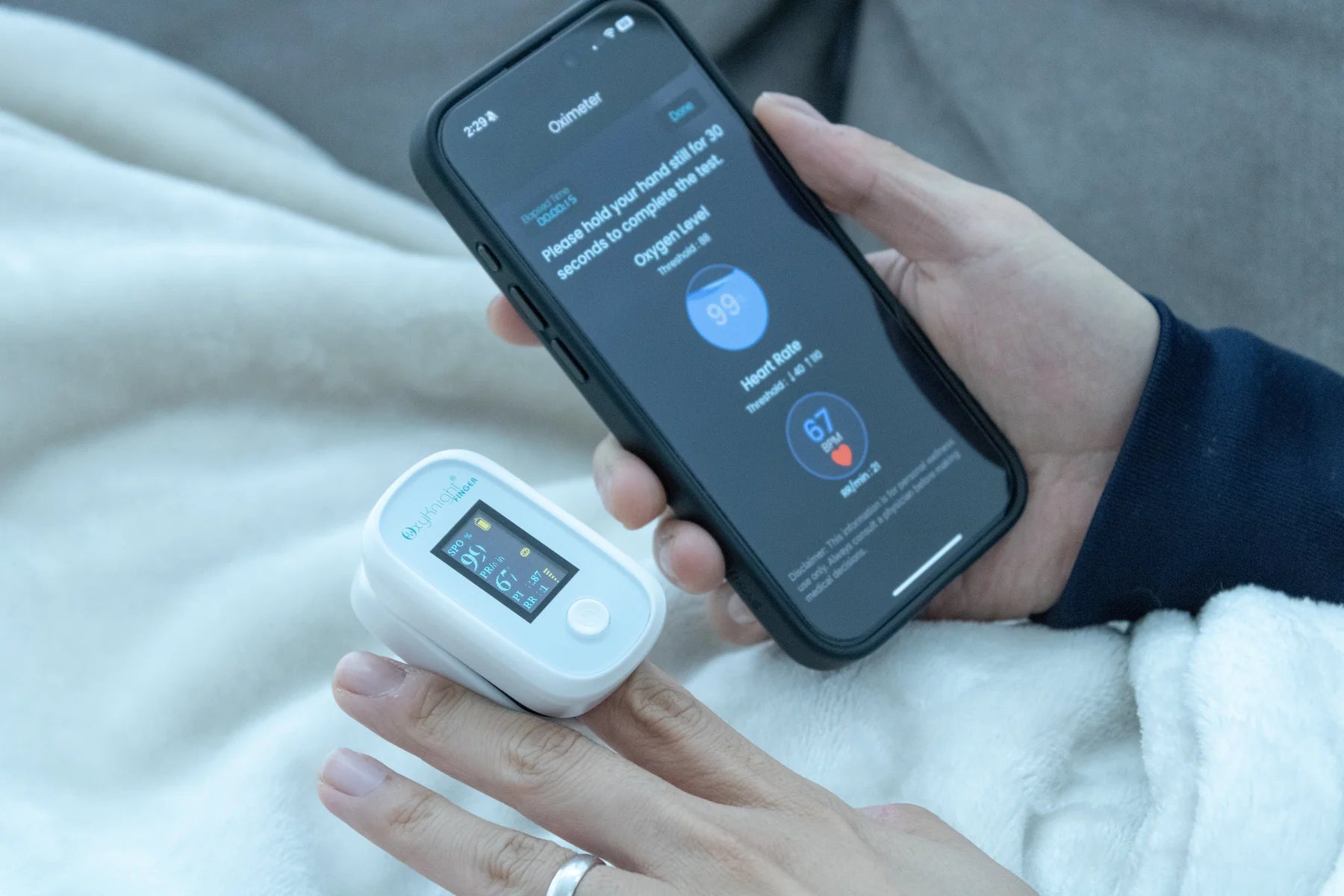
Our clinical-grade fingertip oximeter empowers users to proactively take control of their health through convenient and accurate in-app tracking and insights when paired with the OxyKnight® app, which enables in-app tracking and insights and supports remote patient monitoring at home.
Key Pulse Oximeter Metrics:
Blood Oxygen Saturation Level (SpO2) – The percentage of oxygen in a person's blood, or the saturation of peripheral oxygen. It's calculated by comparing the amount of oxygen-carrying hemoglobin in the blood to the amount of hemoglobin that isn't carrying oxygen
Pulse Rate (bpm) – The number of heartbeats per minute.
Perfusion Index (PI) – The ratio of the amount of oxygen-carrying blood in the area vs. the volume of blood not carrying oxygen. This tells you how well blood circulates in a specific part of your body.
Respiration Rate (RR) – The number of breaths a person takes in one minute.
These readings provide quick insights into your cardiovascular and respiratory health, whether you’re managing a chronic condition, monitoring fitness progress, or checking recovery from illness or surgery. Below, we’ll explore normal ranges, what deviations could indicate, and when to seek medical advice.
- Oxygen Saturation (SpO2) – What is SpO2?
SpO2 measures how much oxygen your blood is carrying. A healthy person’s blood is typically 95–100% saturated with oxygen. Pulse oximeters like the OxyKnight® Fingertip allow for non-invasive, real-time measurements.
 Normal SpO2 Levels:
- Healthy individuals: 95–100%
- Older adults or mild health conditions: 92–95%
- Abnormal or concerning levels: Below 92%
What Do Low SpO2 Levels Mean?
- Below 92%: Could indicate hypoxemia (low blood oxygen levels), which may suggest an underlying respiratory or cardiovascular issue and should be discussed with a healthcare provider.
- Below 88%: Severe hypoxemia; seek immediate medical attention. Prolonged low oxygen can impair brain and heart function.
- During sleep: Temporary drops (below 90%) can occur and still require medical assessment if sustained.
Factors that Affect Readings:
Cold fingers or poor circulation can lower accuracy.
Nail polish or dark skin pigmentation may also interfere with readings slightly.
Data sourced from the Cleveland Clinic and John Hopkins.
- Pulse Rate (bpm) — What is Pulse Rate?
Pulse rate indicates how many times your heart beats per minute (bpm). It reflects cardiovascular health and can vary with age, fitness level, and emotional state.


Normal Pulse Rate Range:
- Adults (resting): 60–100 bpm
- Athletes: 40–60 bpm
- Children: 70–120 bpm
What Do Abnormal Pulse Rates Indicate?
- Below 60 bpm (Bradycardia): If not a result of fitness training, it could indicate heart issues, hypothyroidism, or the effects of medication.
- Above 100 bpm (Tachycardia): Can signal stress, dehydration, fever, or more severe issues like arrhythmia or heart disease. If sustained, consult a healthcare provider.
- Sudden spikes or drops: May warrant attention if combined with symptoms like dizziness or shortness of breath.
Data sourced from the Cleveland Clinic and John Hopkins.
- Perfusion Index (PI) — What is PI?
The Perfusion Index (PI) measures the strength of blood flow at the measurement site (usually a fingertip). PI helps assess how well oxygen is delivered to tissues. It is expressed as a percentage, ranging from 0.02% to 20%.
Lower numbers mean either your heart isn’t pumping enough blood, or something is making it harder for enough blood to reach parts of your body furthest from your heart.
Normal PI Levels:
- Healthy adults: PI > 1%
- Low PI (<0.4%): Indicates poor peripheral circulation, often due to cold extremities or vascular issues.
- High PI (>10%): May be observed after exercise or physical activity, showing increased blood flow.
A stable PI value is a good indicator of strong circulation, while fluctuations may suggest circulatory problems that need attention. Low PI readings may indicate health problems with the heart or blood vessels, including artery disease, diabetes, or blood clots.
Data sourced from the Cleveland Clinic and John Hopkins
- Respiration Rate (RR) — What is RR?
Respiration Rate refers to the number of breaths a person takes per minute. It provides insight into respiratory function and can indicate whether the lungs are working efficiently.

Normal RR Levels:
- Adults (at rest): 12–20 bpm
- Athletes: 6–12 bpm (during deep rest)
- High RR (>24 bpm): Could signal respiratory distress, fever, or anxiety.
- Low RR (<12 bpm): May indicate impaired breathing or bradypnea due to opioid use, severe asthma, or other medical conditions.
Tracking RR trends over time, especially during sleep or physical activity, can provide valuable insights into respiratory health.
Data sourced from the Cleveland Clinic and John Hopkins
Interpreting Your Readings
If your pulse oximeter shows consistently low SpO2 readings (<92%) or irregular pulse rates, it is important to consult a healthcare provider. The OxyKnight® app enhances the value of your device by allowing you to track trends over time, providing deeper insights into how your readings fluctuate during different activities or sleep cycles.
Red Flags to Watch For:
SpO2 below 92% or pulse rates above 120 bpm, consult a healthcare provider.
Oxygen Levels Drop Below 88%: Seek immediate medical help.
Pulse Rate Exceeds 120 bpm or drops below 40 bpm at rest: These can be signs of a serious heart condition.
Shortness of breath or dizziness accompanying abnormal readings: Requires urgent attention.
PI consistently below 0.4%, especially with cold extremities, it may indicate poor circulation or other conditions.
RR exceeding 24 bpm regularly can indicate respiratory stress or infections like pneumonia.
These metrics give early warning signs for issues that might otherwise go unnoticed, allowing users to respond proactively and manage their health effectively. Using personal health management devices like pulse oximeters can help users make informed decisions to support their health. Remember, persistent abnormal readings should always be evaluated by a healthcare professional.
→ Learn more about the OxyKnight® Fingertip Pulse Oximeter at https://www.cmihealth.com/products/cf-100
→ Check out how the OxyKnight® app can help track your health https://www.cmihealth.com/pages/oxyknight-app
Have any questions about our products or just want to chat? Feel free to email us at info@cmihealth.com or call at 888-985-1125 (ext. 1).
Frequently Asked Questions
What does the OxyKnight® Fingertip Pulse Oximeter measure?
The OxyKnight® measures four key metrics: blood oxygen saturation (SpO₂), pulse rate, perfusion index (PI), and respiration rate (RR), giving users a fuller picture of both cardiovascular and respiratory health.
What is SpO₂ and what's considered a normal level?
SpO₂ measures the percentage of oxygen your blood is carrying. Healthy individuals typically read 95–100%, older adults or those with mild health conditions may read 92–95%, and anything below 92% is considered abnormal or concerning.
What does a low SpO₂ reading mean?
A reading below 92% could indicate hypoxemia (low blood oxygen), which may point to an underlying respiratory or cardiovascular issue that should be discussed with a healthcare provider. A reading below 88% is considered severe hypoxemia and requires immediate medical attention.
What is a normal pulse rate?
For resting adults, a normal pulse rate is 60–100 bpm. Athletes often have lower resting rates of 40–60 bpm, while children typically range from 70–120 bpm.
What does an abnormal pulse rate indicate?
A rate below 60 bpm (bradycardia) that isn't related to fitness training could point to heart issues, hypothyroidism, or medication effects. A rate above 100 bpm (tachycardia) can signal stress, dehydration, fever, or more serious conditions like arrhythmia, especially if sustained.
What is Perfusion Index (PI) and why does it matter?
Perfusion Index measures the strength of blood flow at the measurement site, usually the fingertip, showing how well oxygen is being delivered to your tissues. It ranges from 0.02% to 20%, and a healthy adult typically has a PI above 1%.
What does a low Perfusion Index reading mean?
A PI below 0.4% indicates poor peripheral circulation, often caused by cold extremities or vascular issues. Persistently low PI readings may point to conditions like artery disease, diabetes, or blood clots.
What is Respiration Rate (RR) and what's normal?
Respiration Rate is the number of breaths taken per minute. For resting adults, a normal range is 12–20 breaths per minute, while athletes at deep rest may breathe as few as 6–12 times per minute.
What does an abnormal Respiration Rate indicate?
A rate above 24 breaths per minute could signal respiratory distress, fever, or anxiety. A rate below 12 breaths per minute may indicate impaired breathing, sometimes related to opioid use, severe asthma, or other medical conditions.
What factors can affect pulse oximeter reading accuracy?
Cold fingers or poor circulation can reduce accuracy, and nail polish or dark skin pigmentation may also interfere slightly with readings.
When should I be concerned about my readings and see a doctor?
You should consult a healthcare provider if your SpO₂ is below 92%, your pulse rate exceeds 120 bpm or drops below 40 bpm at rest, your PI is consistently below 0.4% (especially with cold extremities), or your RR regularly exceeds 24 breaths per minute. Seek immediate medical help if your oxygen level drops below 88% or if abnormal readings are accompanied by shortness of breath or dizziness.
How can the OxyKnight® app help me track these metrics?
The OxyKnight® app pairs with the fingertip pulse oximeter to provide in-app tracking and insights, allowing users to monitor trends over time, such as how readings fluctuate during different activities or sleep cycles, and supports remote patient monitoring at home.



Leave a comment