



Why You Might Need a Medical Oxygen Sensor

By Dallas Atkins
Quick Answer: The term "medical oxygen sensor" often refers to a pulse oximeter, a small device that estimates blood oxygen saturation (SpO₂) and pulse rate using light sensors. Understanding what these devices do and the features that matter most can help you choose the right one for your needs.
When you search for a medical oxygen sensor, you'll likely find a variety of products and technical terms. That can make it difficult to know which device is right for you.
Understanding the different types of medical oxygen sensors can help you identify the device that's right for your needs.
Types of Medical Oxygen Sensors
Medical oxygen sensors come in several forms, each designed for a different purpose.

For most people searching for a medical oxygen sensor, a pulse oximeter is the device they're looking for.
What Is a Pulse Oximeter?
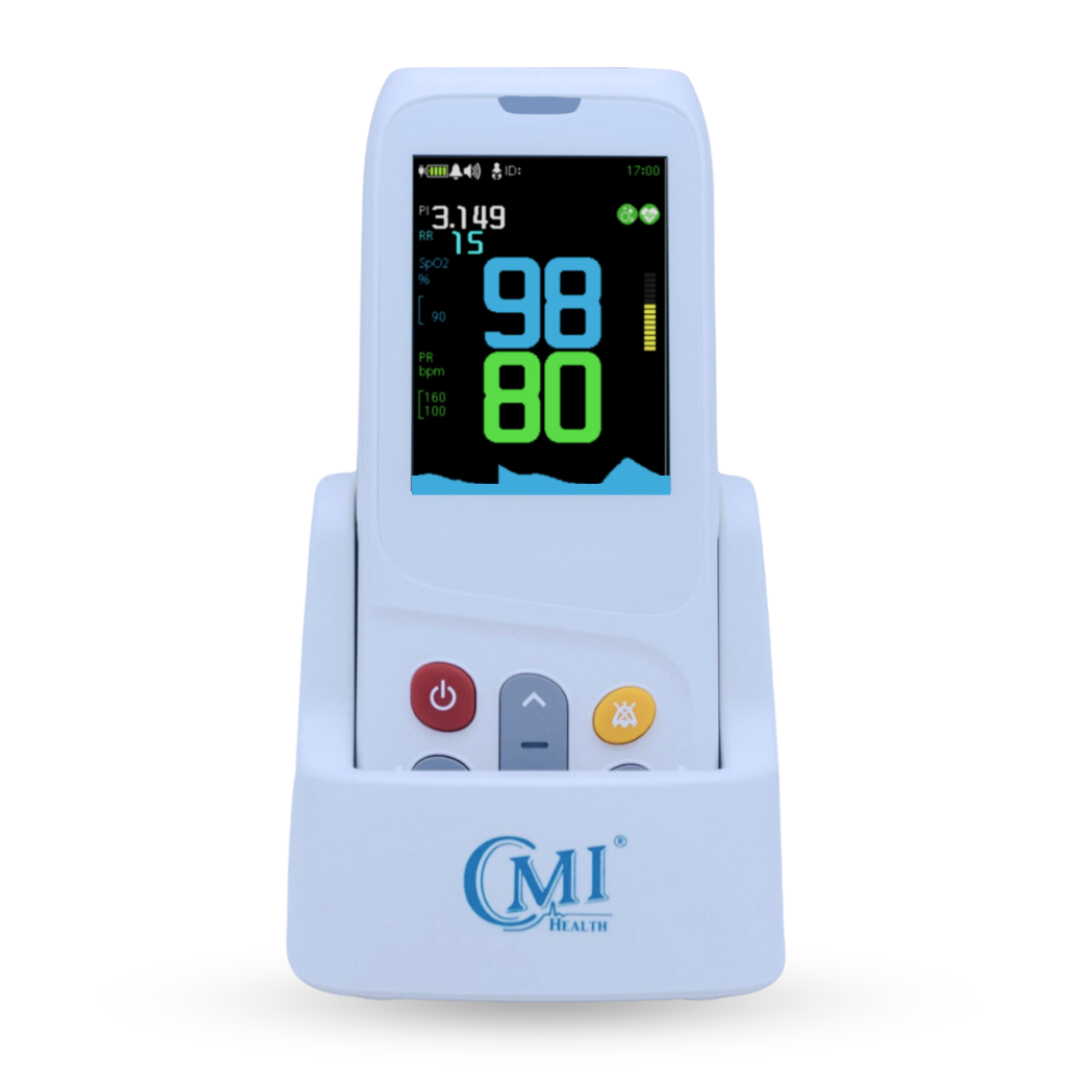
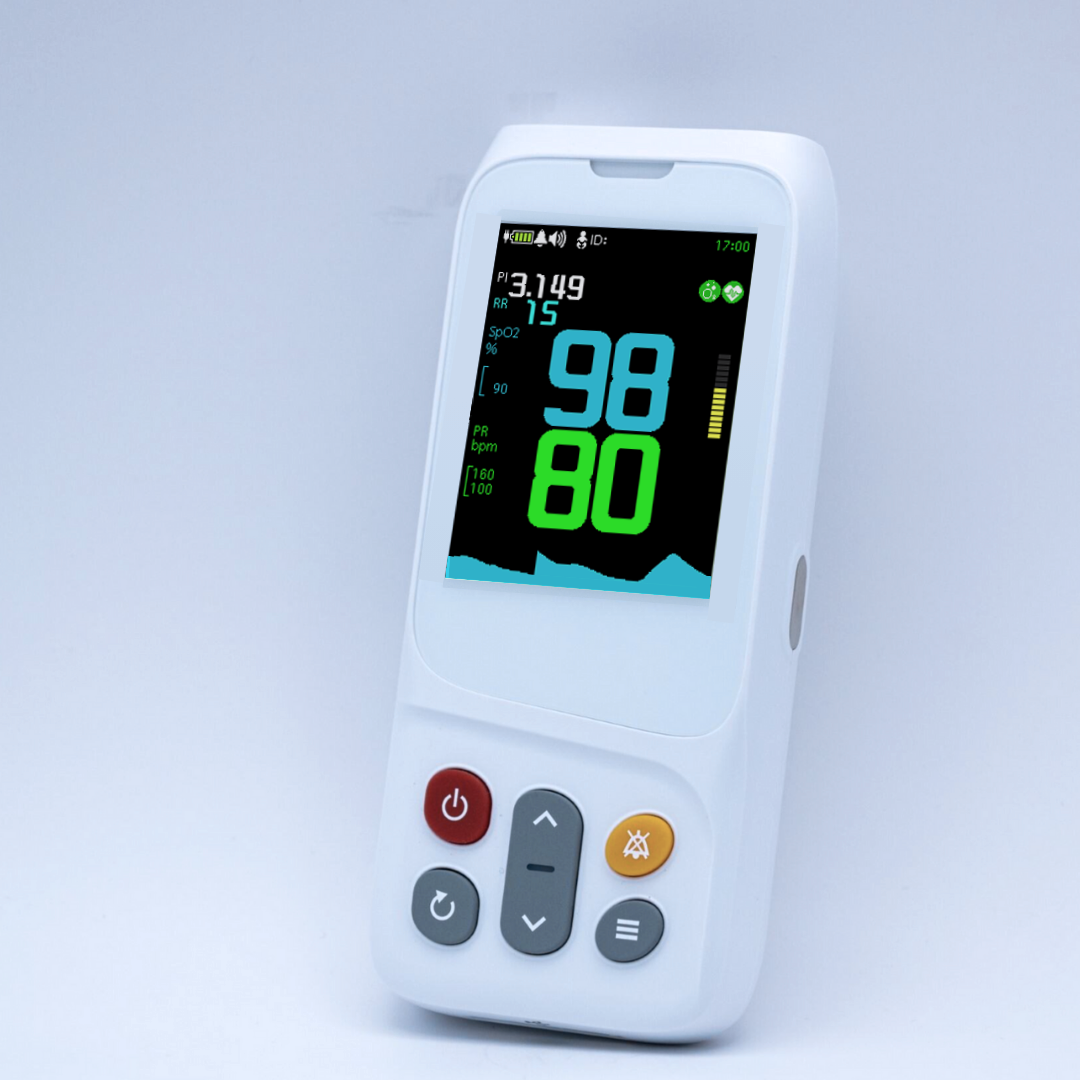
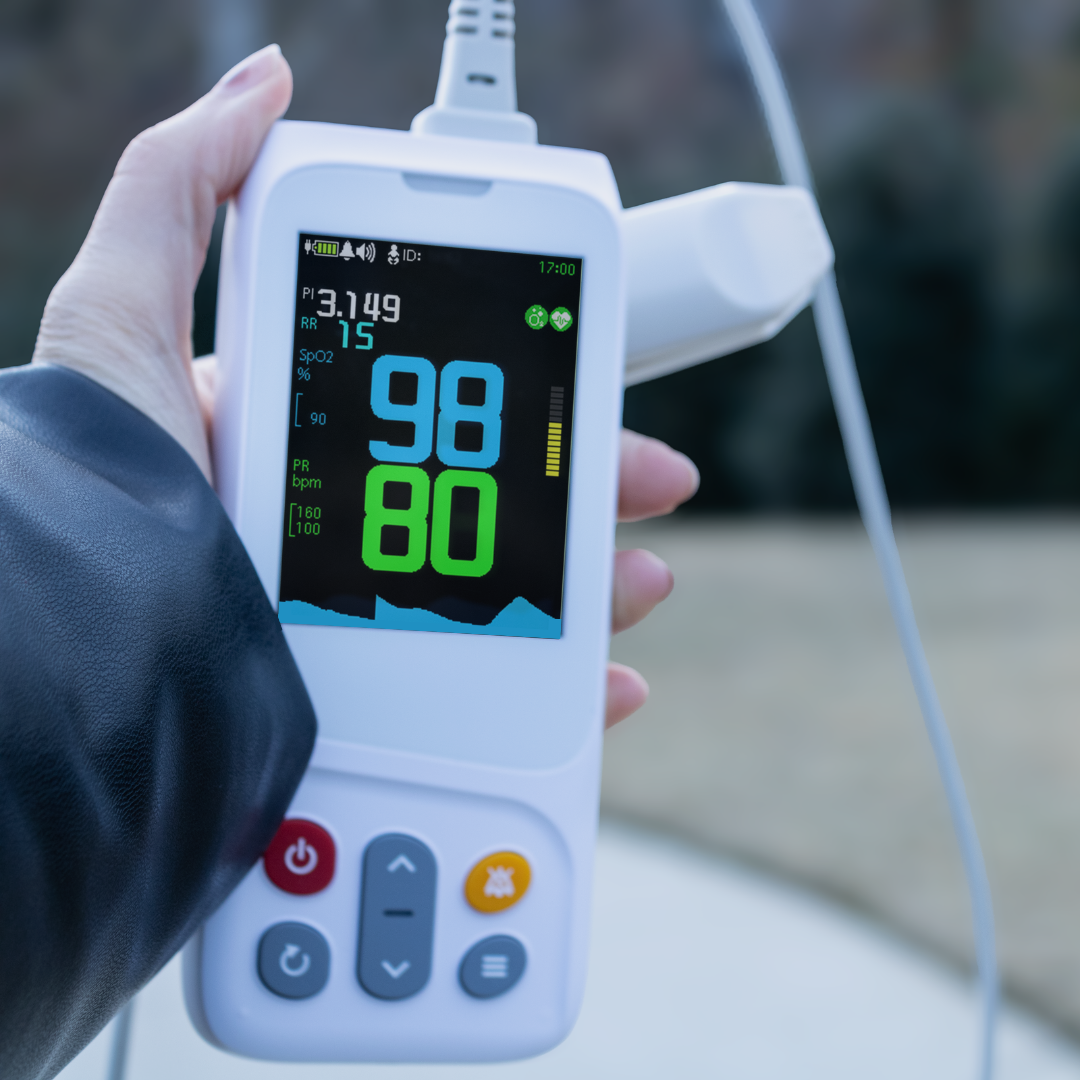
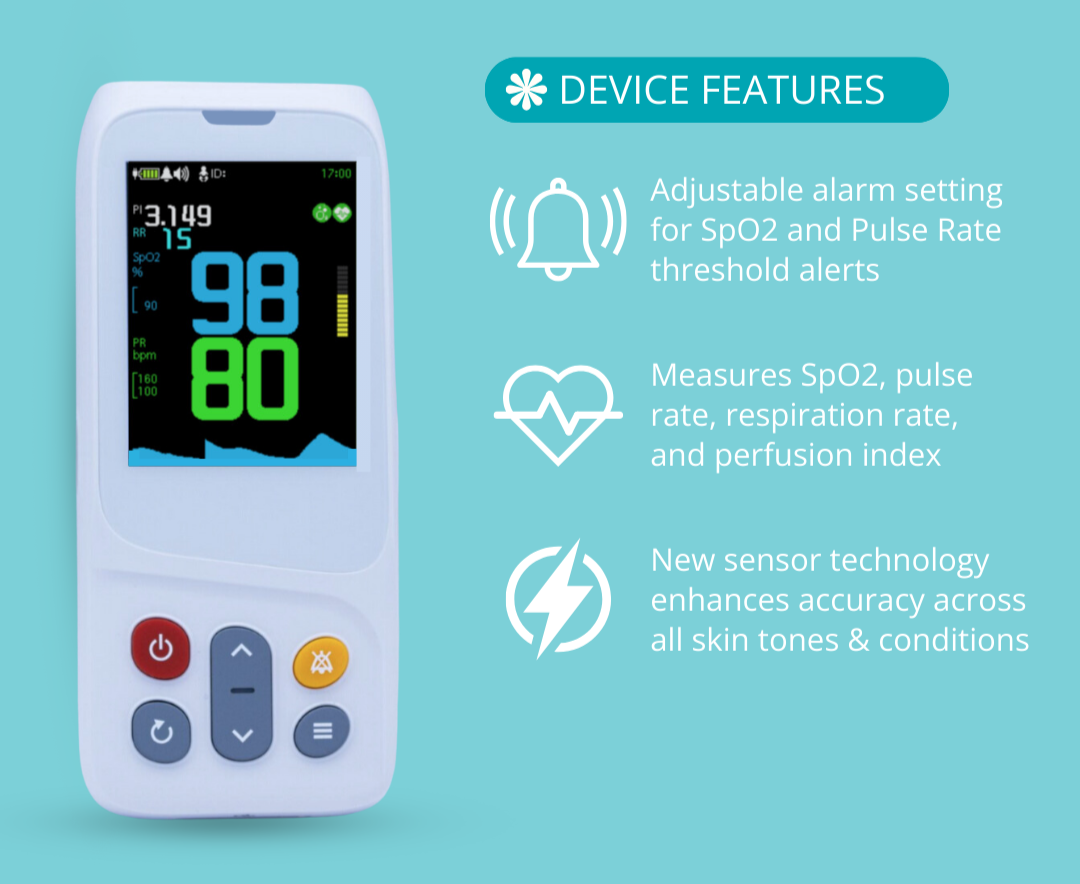
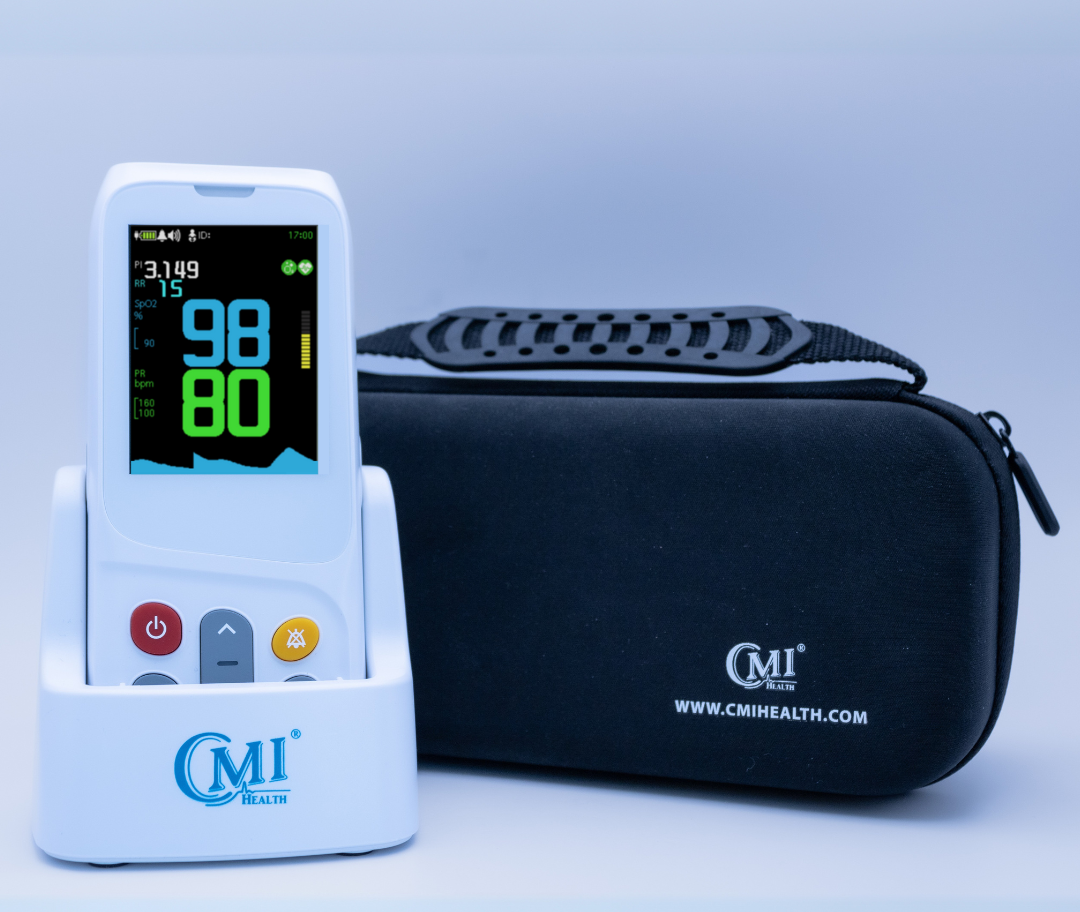
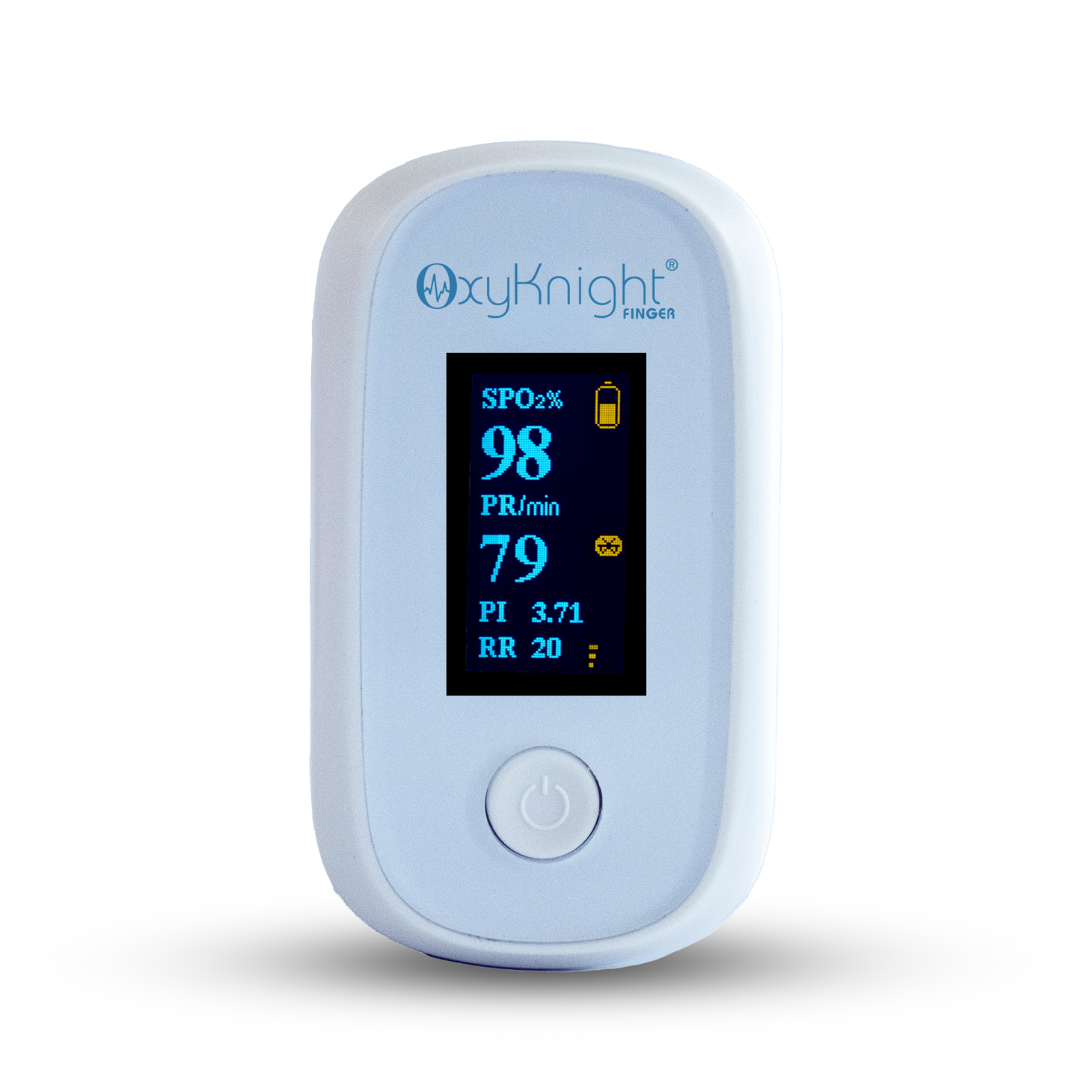
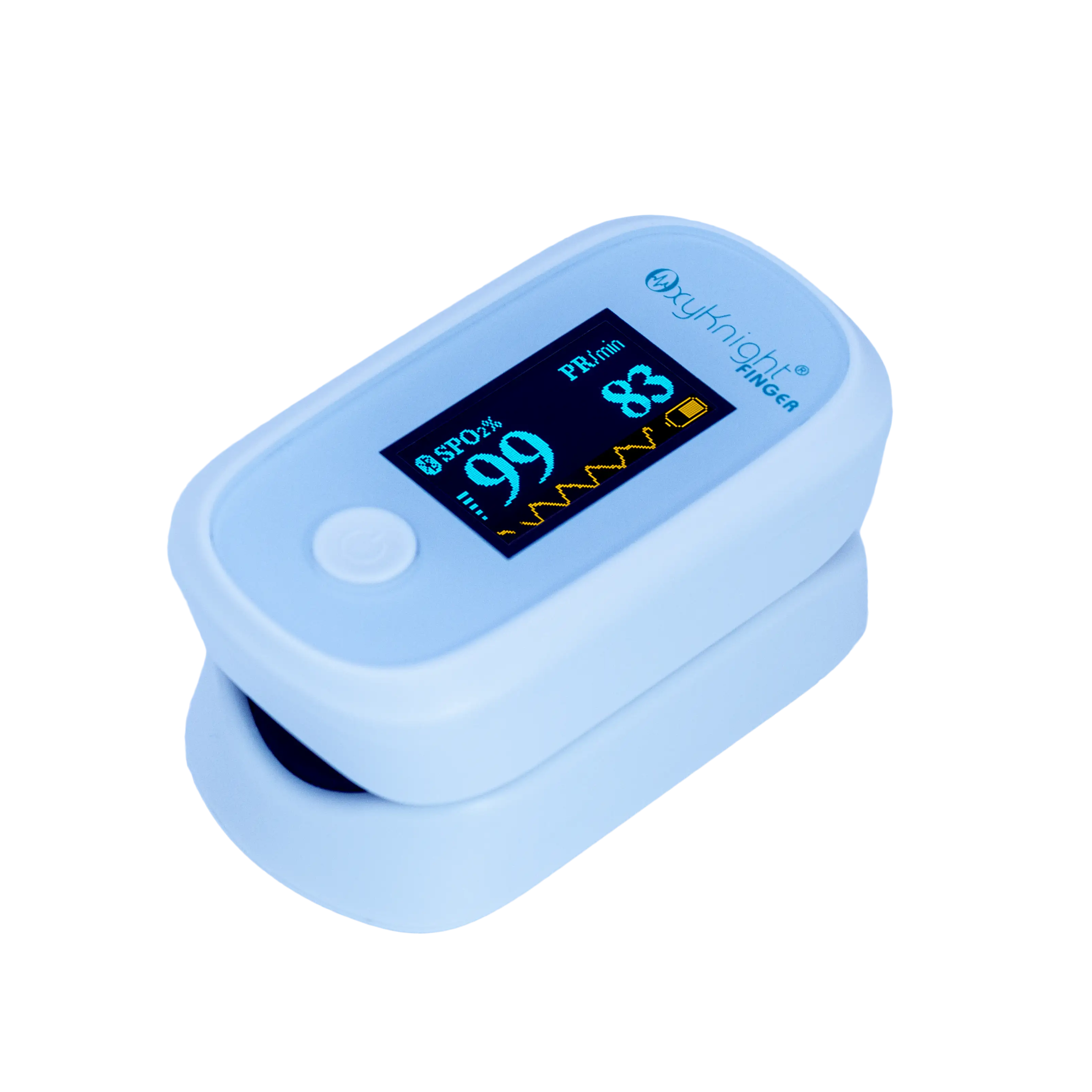
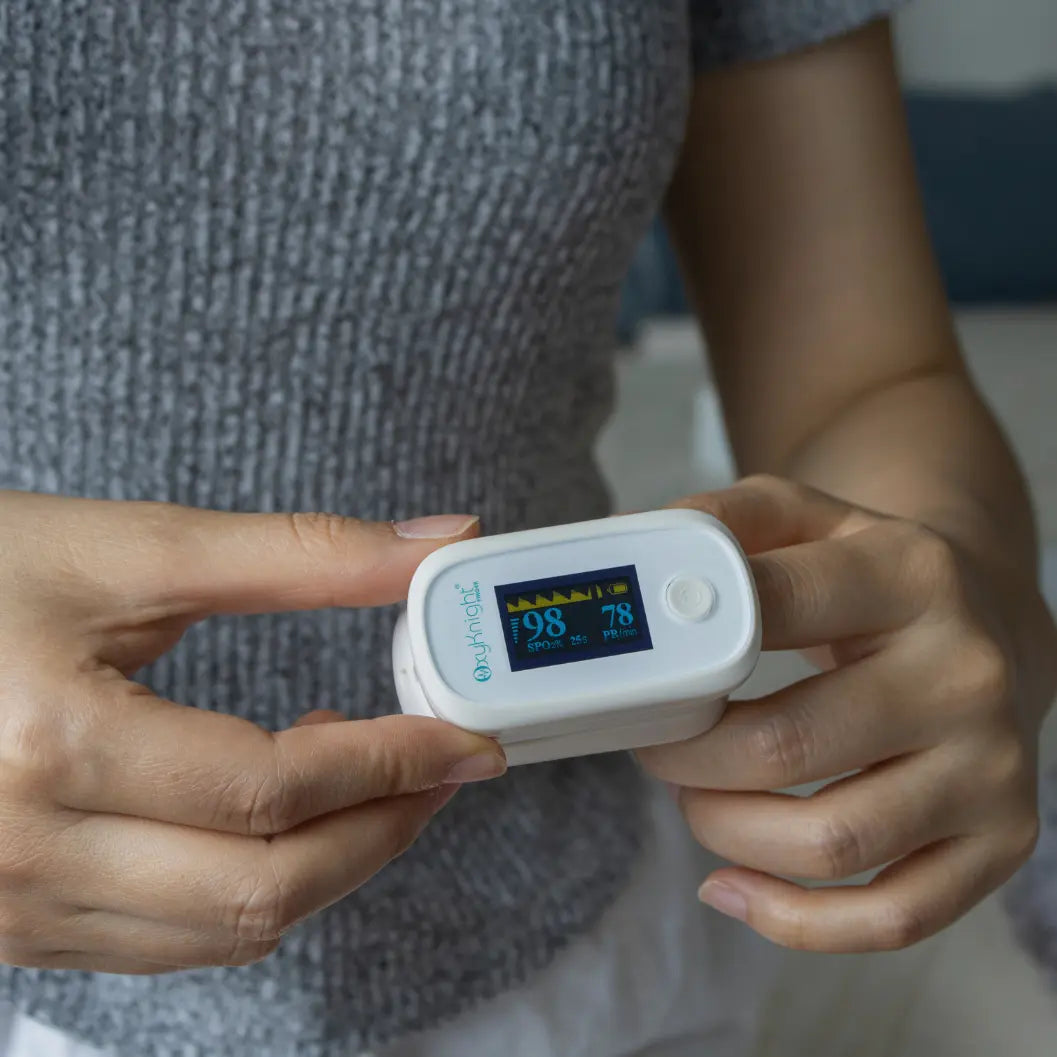
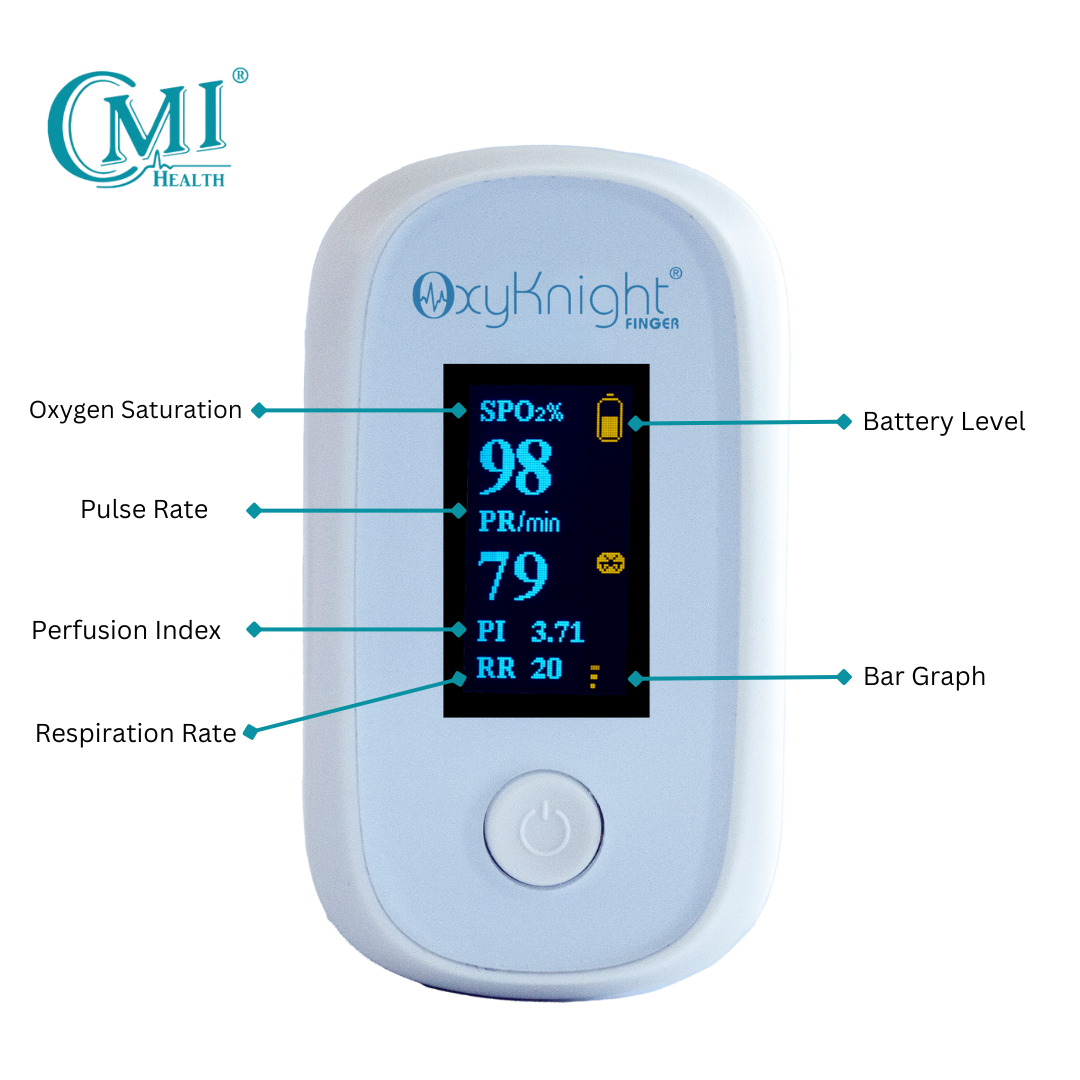
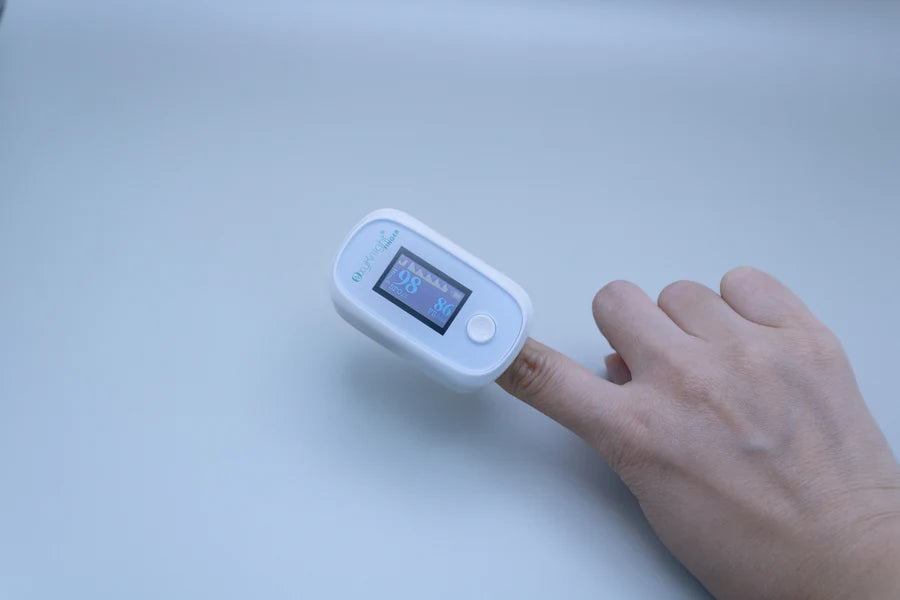
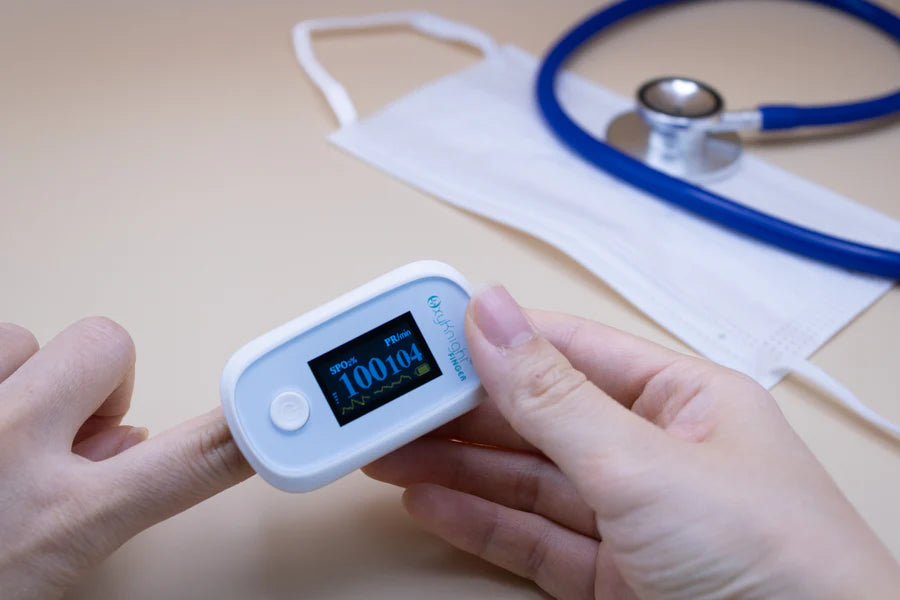
A pulse oximeter is a non-invasive device that estimates blood oxygen saturation (SpO₂). Most models also display pulse rate, and some advanced devices include a pleth waveform that helps indicate whether the device is capturing a stable signal.

CMI Health offers several FDA-cleared pulse oximeters with easy-to-read displays and features like pleth waveform visualization and Bluetooth connectivity on select models.
How Does a Medical Oxygen Sensor Work?
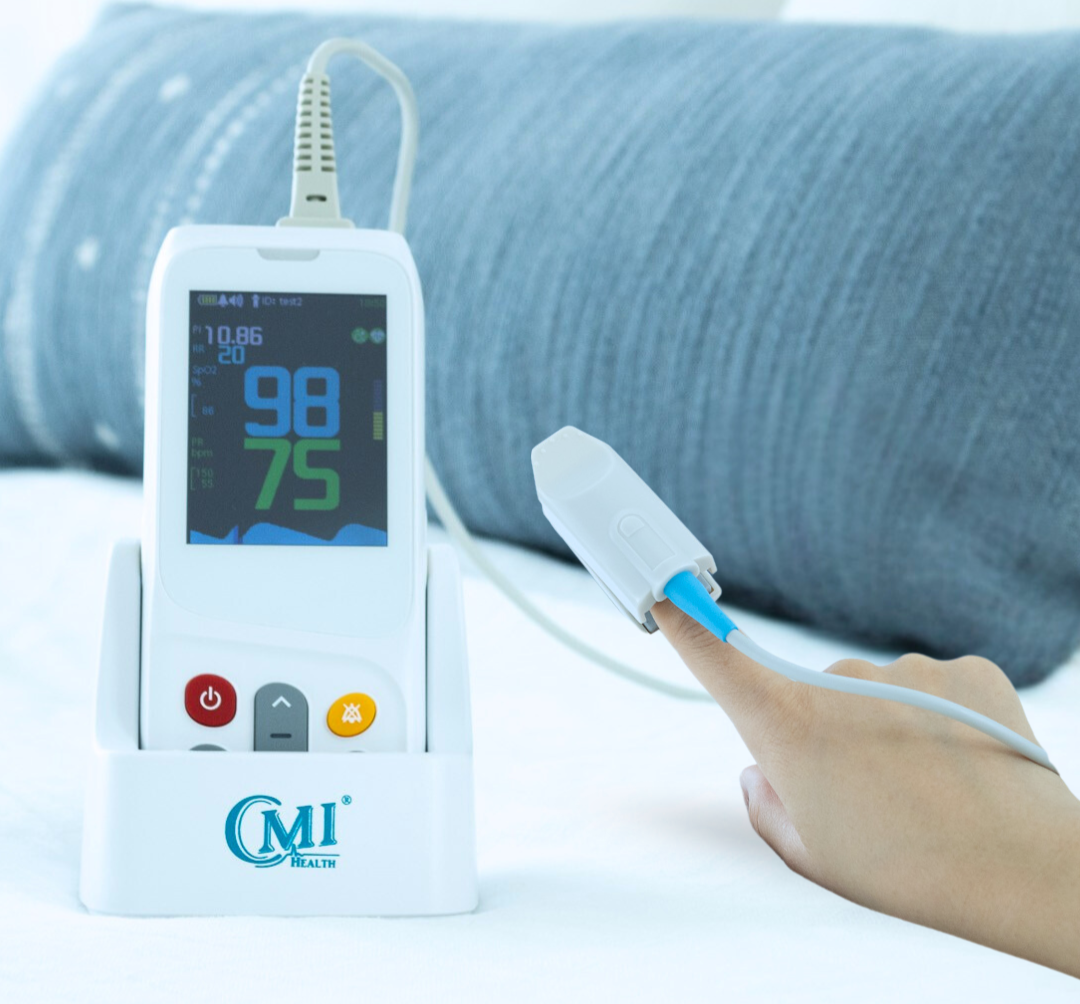
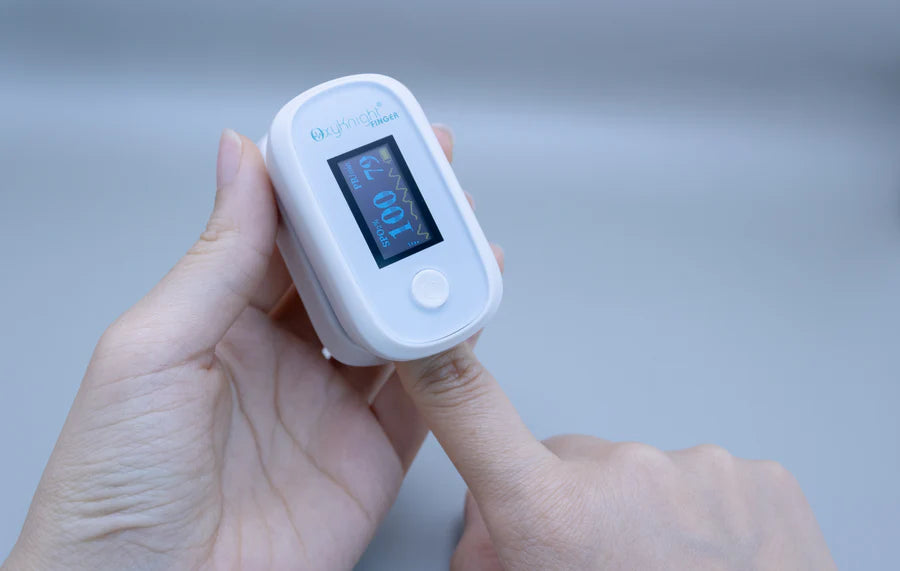
Pulse oximeters estimate blood oxygen saturation (SpO₂) by using red and infrared light. Inside the device are two light-emitting diodes (LEDs)—one red and one infrared—and a light detector that measures how much light passes through your fingertip.
Using these measurements, the device estimates your blood oxygen saturation (SpO₂) and displays the result in just a few seconds. Because the process uses light instead of a blood sample, it's completely non-invasive.

Want to learn more? Read CMI Health's complete guide, How Does a Pulse Oximeter Work?, for a deeper look at the science behind pulse oximetry.
Why Might You Need a Medical Oxygen Sensor?
A pulse oximeter provides a quick, convenient way to check your blood oxygen saturation (SpO₂) and pulse rate whenever you need a reading.
Some common reasons people choose to keep one on hand include:
-
Checking oxygen readings during exercise or physical activity
-
Traveling to higher elevations
-
Tracking changes in readings over time
-
Supporting general wellness awareness
-
Keeping a reliable device available for family members at home
While a pulse oximeter doesn't replace medical evaluation, it provides convenient readings that can help users stay informed about their oxygen saturation and pulse rate.
Consumer Pulse Oximeter vs. Professional Medical Oxygen Sensor
Although both provide oxygen-related information, they are designed for different purposes.

For most people looking to check blood oxygen saturation (SpO₂) and pulse rate, a quality fingertip pulse oximeter provides the features they need in an easy-to-use device.
What Should You Look for When Choosing One?
Not all pulse oximeters offer the same experience. When comparing devices, consider these features:
-
FDA clearance for confidence in the device's intended use.
-
Clear, bright display for viewing readings in different lighting conditions.
-
Fast readings with minimal wait time.
-
Comfortable finger fit for adults or pediatric users, depending on your needs.
-
Pleth waveform (available on some models) to help indicate a stable signal.
-
Long battery life for convenient everyday use.
-
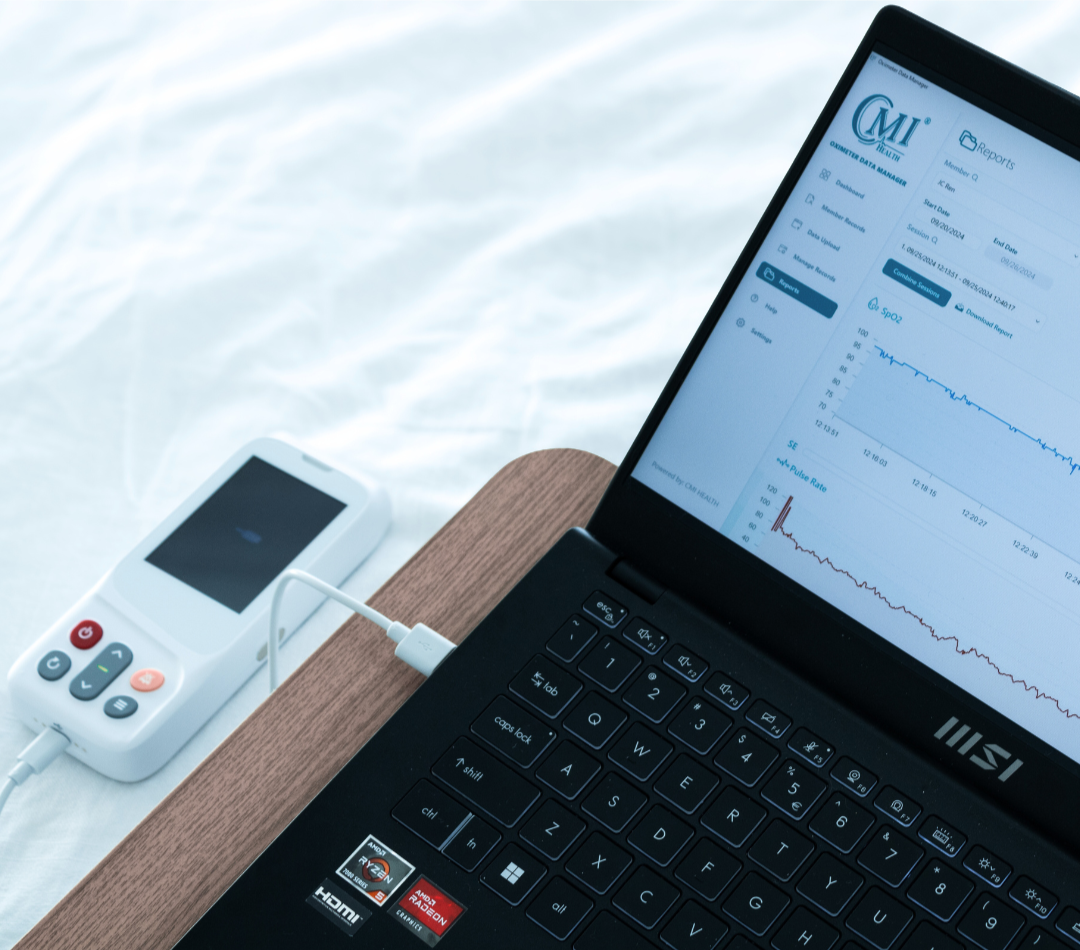
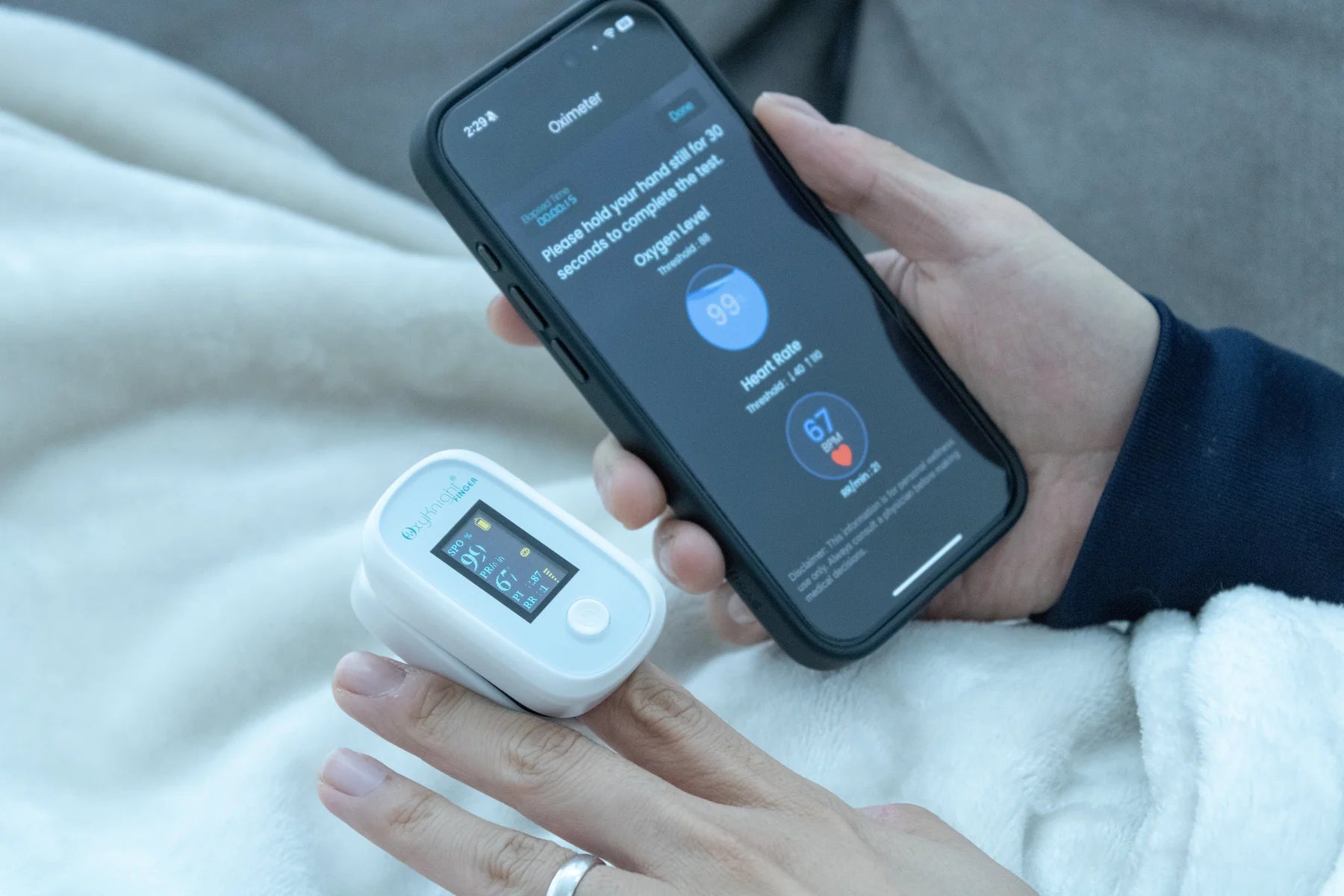
Optional Bluetooth connectivity if you’d like to store or review your readings
Choosing a device with features that match your needs can help you get the most from your pulse oximeter.
For a more detailed buying guide, read CMI Health's complete guide, Guide to Purchasing Pulse Oximeters, to learn how to compare features and choose the device that's right for you.
Why Choose a CMI Health Pulse Oximeter?
CMI Health designs pulse oximeters with everyday usability in mind while offering features found on more advanced devices.
Depending on the model, CMI Health devices may include:
-
FDA-cleared pulse oximeters
-
Bright OLED displays on select models
-
Pleth waveform display for added confidence in signal quality
-
Bluetooth connectivity on select models
-
Adult and pediatric options
-
Portable designs for everyday use and travel
Whether you're looking for a simple fingertip device or additional connectivity features, CMI Health offers a range of FDA-cleared pulse oximeters designed to provide reliable, easy-to-read readings.
Frequently Asked Questions
Is a medical oxygen sensor the same as a pulse oximeter?
Yes. The term "medical oxygen sensor" is often used to describe a fingertip pulse oximeter that estimates blood oxygen saturation (SpO₂) and pulse rate using light sensors.
How does a medical oxygen sensor work?
A pulse oximeter shines red and infrared light through your fingertip. By measuring how the light is absorbed by your blood, it estimates your blood oxygen saturation (SpO₂) and displays the result within seconds.
What features should I look for in a medical oxygen sensor?
Look for an FDA-cleared device with a clear display, fast readings, comfortable fit, and features like a pleth waveform or Bluetooth connectivity if those are important to you.




Leave a comment