



Incentive Spirometer Goal: Charts & Smart Goal-Setting

A home-user guide to understanding your incentive spirometer goals.
Using an incentive spirometer at home can be incredibly helpful for building stronger, deeper breaths, and it often brings up a few common questions:
“What should my goal be?”
“What number am I supposed to reach?”
“How do I know if I’m improving?”
This guide breaks down how incentive spirometer goals work, what affects them, and provides simple charts to help you understand your readings and set realistic home-use targets.
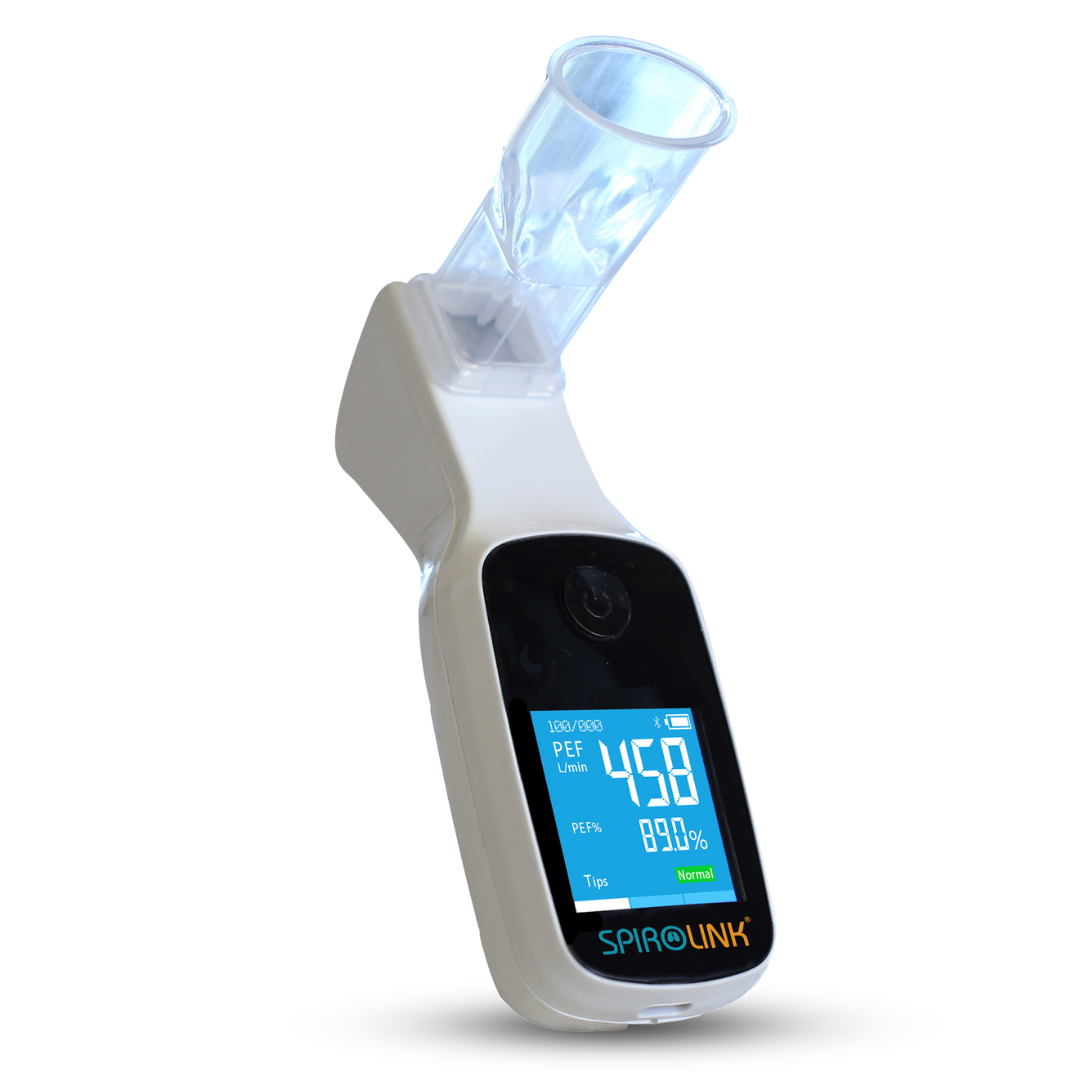
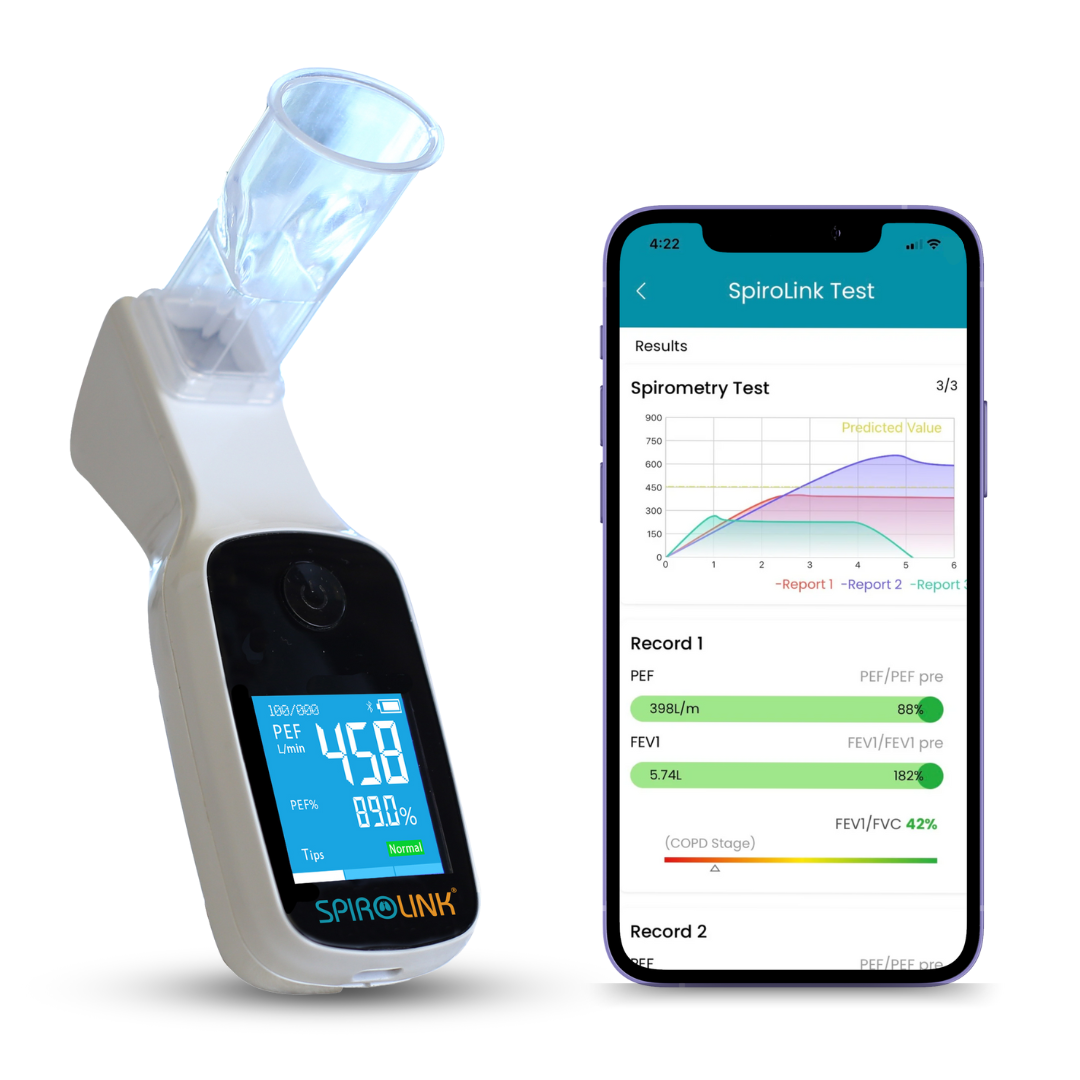
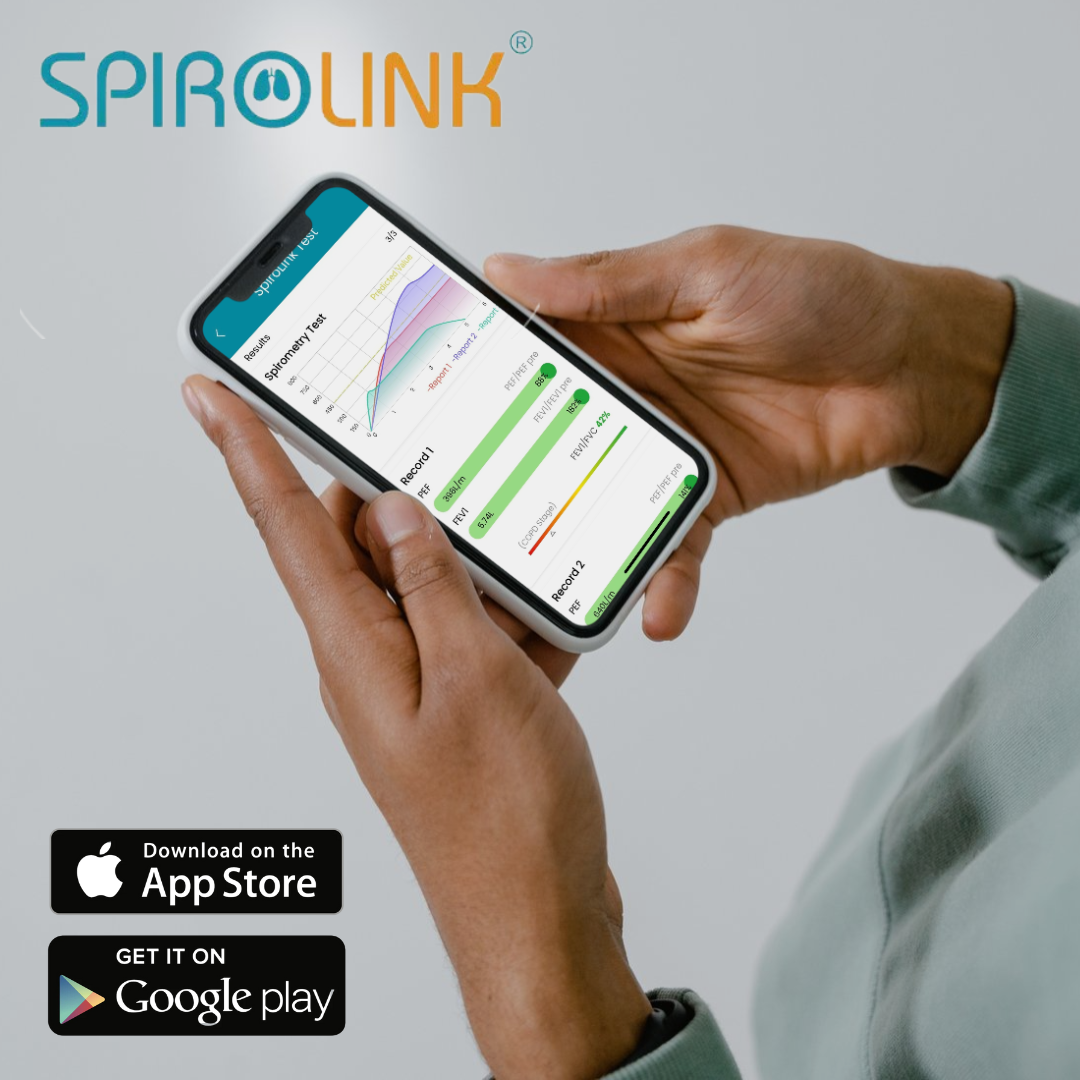
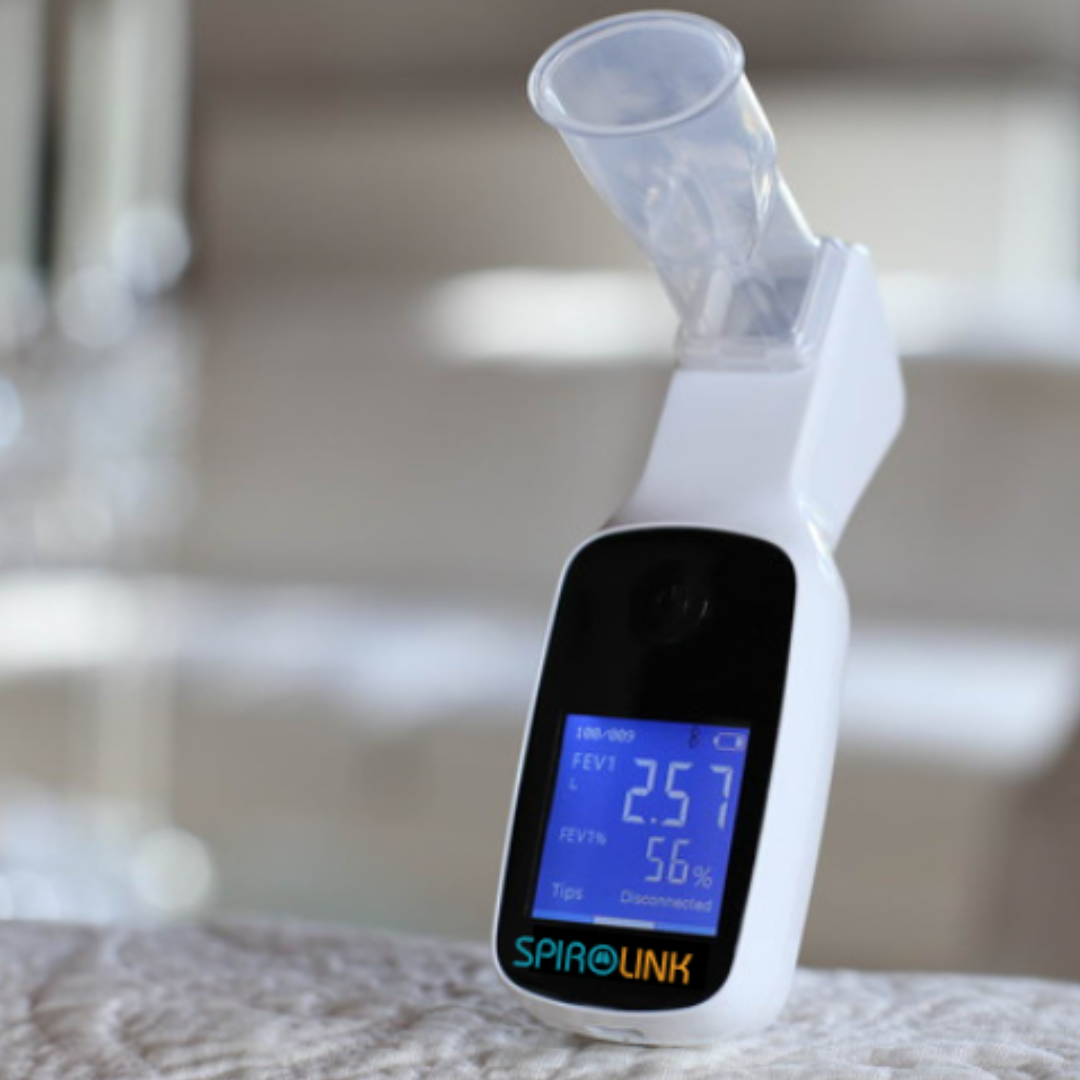
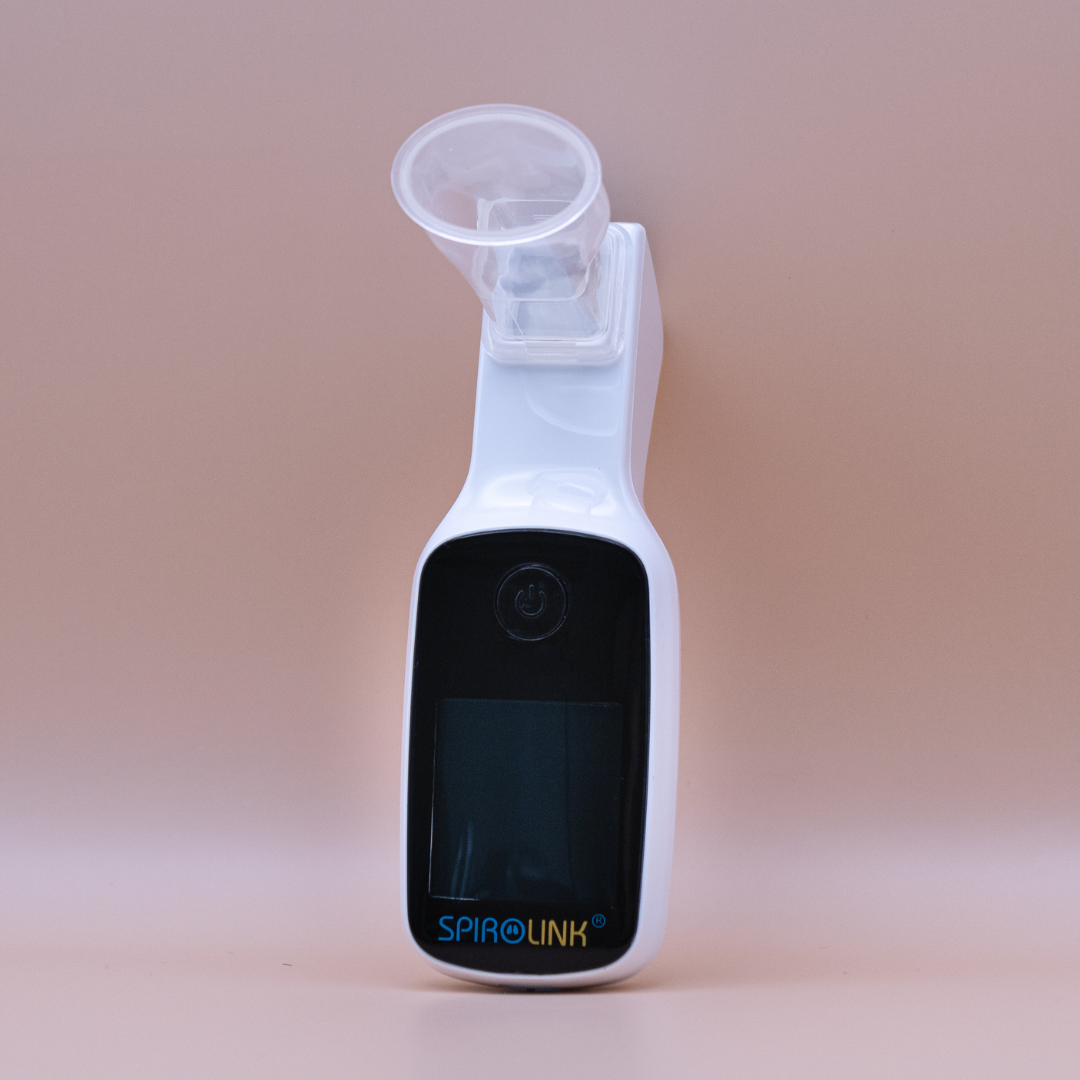
You’ll also learn how tools like CMI Health’s SpiroLink® Smart Spirometer can support easier tracking with Bluetooth syncing, home-friendly design, and app-based data history.
What an Incentive Spirometer Measures
An incentive spirometer measures how much air you can slowly inhale, showing a number in milliliters (mL) or liters (L).
You pull air in through the mouthpiece, the indicator rises, and your goal is to inhale deeply and steadily enough to reach your target line.
Your “goal” is simply:
A target inhalation volume to encourage healthier, deeper breathing.
What affects your goal:
-
Age (lung capacity declines naturally over time)
-
Gender (males typically have slightly higher predicted volumes)
-
Height (taller people have larger lung capacity)
-
Technique (upright posture, slow inhale, sealed lips)
These factors create natural variation, which is why general ranges are more helpful than one “correct” number.
How to Understand Your Incentive Spirometer Goal at Home
When you use an incentive spirometer at home, your goal isn’t meant to be medically diagnostic; it’s simply a reference point to help you:
-
Practice consistent deep breathing
-
Track improvement over time
-
Compare readings to general ranges (charts below)
A few notes for home users:
-
Your first readings may be lower than expected — this is normal.
-
Improvement typically shows up within a few days to a week.
-
Your “goal” is something you can adjust over time as your readings rise.
Quick technique refresher:
-
Sit upright
-
Seal lips tightly on the mouthpiece
-
Inhale slowly, not fast
-
Hold the breath ~3–5 seconds
-
Rest and repeat as recommended
Incentive Spirometer Goal Charts
The following charts provide general reference ranges to help you understand typical incentive spirometer goals. Because everyone’s lung capacity is different, your individual goal may vary.
Age & Gender Incentive Spirometer Goal Guidance
Use this chart to get a general sense of the typical inhalation volume for your age and gender.

These ranges represent typical inhalation capacity, which is a helpful starting point when setting a personal goal line on your incentive spirometer.
Height-Based Incentive Spirometer Goal Guidance
Height adjustments are helpful for users comparing themselves to friends/family of different builds. These height-based goal ranges are general estimates that apply to most adults and are not separated by gender, unlike the age chart above.

Simple Incentive Spirometer Goal “Calculator”
A commonly used home estimate is:

This formula helps home users approximate a realistic target without needing complex calculations.
Choosing a Home Spirometer: Why SpiroLink® Helps
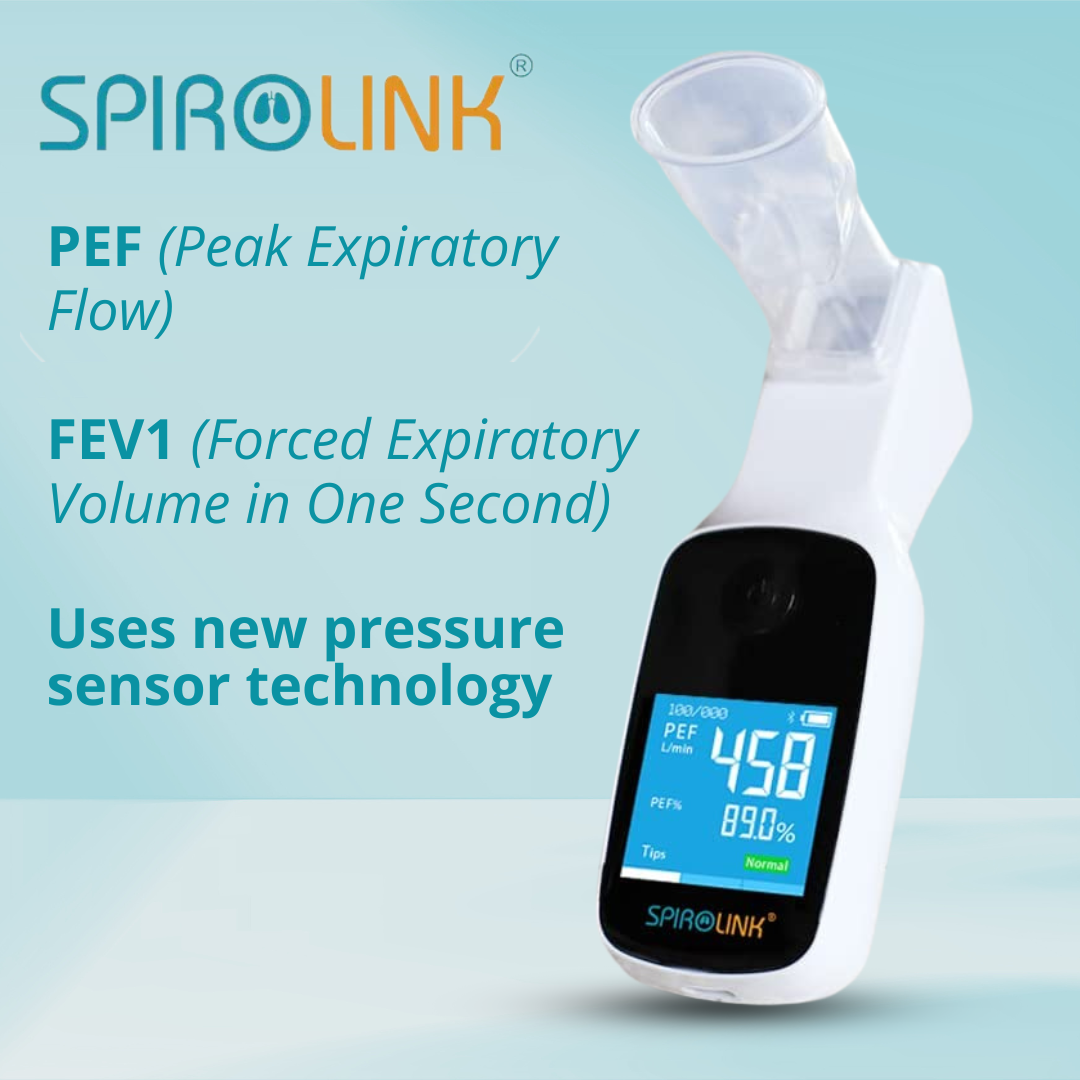
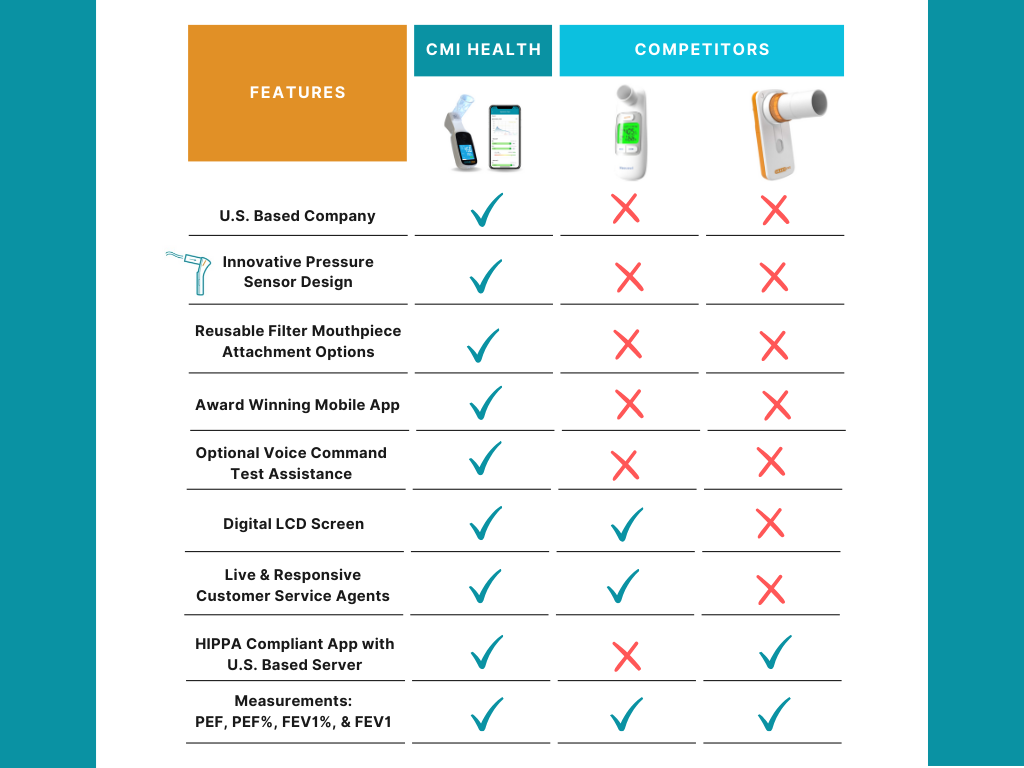
Choosing the right incentive spirometer can make home tracking much easier. Standard incentive spirometers are useful for basic deep-breathing exercises, but modern options like the SpiroLink® Smart Spirometer add helpful features such as Bluetooth syncing, automatic data logging, and guided goal tracking.
The comparison below highlights the key differences to help you decide which tool best fits your home use needs.

New to your device? For easy-to-follow directions, see our guide on How to Use an Incentive Spiromter: Step-by-Step Instructions.
How to Set Realistic Incentive Spirometer Goals at Home
Here’s how home users can set and adjust meaningful goals:
Start with:
-
Your age/gender chart
-
Your height range
-
Or the simple calculator above
Then:
-
Set a starting goal slightly above your average first reading
-
Track daily readings
-
Increase your goal line when you consistently exceed it
-
Avoid comparing yourself to people with very different ages or heights
-
Focus on consistency, not perfection
The most important part isn’t the number, it’s the steady, gradual improvement.
Frequently Asked Questions
What does an incentive spirometer measure?
An incentive spirometer measures how much air you can slowly and steadily inhale, displayed in milliliters (mL) or liters (L). You breathe in through the mouthpiece, and the indicator rises to show your inhalation volume.
What should my incentive spirometer goal be?
There's no single "correct" number. Your ideal goal depends on your age, gender, height, and breathing technique. Instead of aiming for one fixed target, use general reference ranges (by age, gender, or height) as a starting point, then adjust based on your own readings over time.
What factors affect my incentive spirometer goal?
Four main factors influence your goal:
- Age: Lung capacity naturally declines over time.
- Gender: Males typically have slightly higher predicted volumes.
- Height: Taller individuals generally have greater lung capacity.
- Technique: Posture, inhale speed, and mouthpiece seal all affect your reading.
Is there a simple way to estimate my goal at home?
Yes. A commonly used home estimate multiplies body weight by 20–25 to approximate a realistic target, without needing complex calculations or specialized equipment.
My first reading seems low. Is that normal?
Yes. It's common for initial readings to be lower than expected. Most people see improvement within a few days to a week of consistent practice, so an early low reading isn't cause for concern.
How do I use proper technique with an incentive spirometer?
- Sit upright.
- Seal your lips tightly around the mouthpiece.
- Inhale slowly (not fast).
- Hold your breath for about 3 to 5 seconds.
- Rest, then repeat as recommended.
How often should I adjust my goal?
Increase your goal line once you consistently exceed your current target. Start slightly above your average first reading, track your daily results, and raise the bar gradually as your readings improve.
Should I compare my results to other people?
It's best to avoid comparing your readings to people with very different ages, genders, or heights, since these factors naturally create different ranges. Focus on your own consistency and gradual improvement instead of matching someone else's number.
What's the difference between a standard incentive spirometer and a smart spirometer like SpiroLink®?
A standard incentive spirometer supports basic deep-breathing exercises, while a smart spirometer like the SpiroLink® Smart Spirometer adds features such as Bluetooth syncing, automatic data logging, and app-based guided goal tracking, making it easier to view your progress at home.
Is my home incentive spirometer goal medically diagnostic?
No. At-home goals are meant as a general reference point for practicing deep breathing and tracking your own progress, not as a medical diagnosis. If you have specific medical concerns about your lung function, consult a healthcare provider.
Conclusion
Your incentive spirometer goal is simply a helpful reference point for practicing deeper breathing and tracking progress at home. General charts and simple formulas make it easy to estimate what’s typical for your age, gender, and height.
Whether you use a standard incentive spirometer or a smart, connected tool like the SpiroLink®, having a clear goal can make your home lung-health routine feel more structured, easier to follow, and more motivating.
*Make tracking your incentive spirometer goals easier. Explore the SpiroLink® Smart Spirometer.



Leave a comment